Tight budgets and new voting rules: Italy’s political autumn heats up
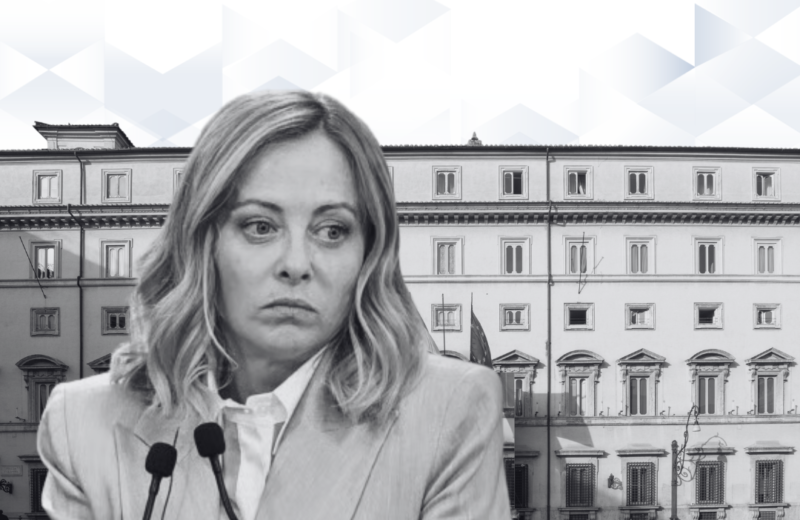
A budget to draw up as inflation accelerates, electoral reform entering its final parliamentary stage, and political coalitions beginning to prepare for the next election. Italy’s political week centred on public finances and voting rules, with the government seeking room for manoeuvre in Brussels and rallying its ranks in the Chamber of Deputies. Economic concerns came into sharper focus following Wednesday’s figures from Istat: annual inflation rose to 4.2% in September, up from 3.3% in August. These are preliminary estimates, but the acceleration is clear, driven mainly by energy prices, alongside rising fresh food prices. The increases are weighing on household budgets and business costs just as the government prepares its next budget bill. Giorgia Meloni announced and subsequently sent a letter to European Commission President Ursula von der Leyen, asking for inflation’s impact to be taken into account when applying expenditure rules. The prime minister argues that, within the current limits, helping households and businesses could require restrictive measures elsewhere. Italy’s request also includes the possibility of using at least part of the additional tax revenue generated by rising prices to provide temporary relief from energy costs. Brussels responded cautiously: the Commission pointed to the flexibility already granted to member states, without offering additional room for now. Discussions therefore remain open, while rising government bond yields add pressure to the budget preparations. Proposals still under consideration include extending the 33% personal income tax rate to earnings of up to €60,000 and introducing a preferential 5% tax rate on pay increases for younger workers. These measures have yet to be finalised and will require funding. Protecting purchasing power has consequently become a central issue in the political debate: the government promises to focus on wages, opposition parties criticise the erosion of incomes by rising prices, and unions and business organisations are calling for measures to recover lost ground. The forthcoming public finance policy document will establish the framework for turning these priorities into budget decisions. Meanwhile, in the Chamber of Deputies, the governing majority cleared the first secret ballot on electoral reform. On Thursday, preliminary objections challenging the bill’s constitutionality were rejected by 229 votes to 151. Ministers and party leaders attended in force for a vote to which the centre-right had attached considerable importance. Following amendments approved by the Senate, the reform returned to the Chamber for its third reading, with the final vote scheduled for 8 October. Before then, confidence votes will be held on the first three articles, while disputes continue over the seat bonus, preference voting, candidates at the top of party lists and the designation of a candidate for prime minister. For Meloni, Thursday’s result provides an initial sign of cohesion among her allies on a reform that will shape the next election. For opposition parties, the decision to use confidence votes adds to their criticism of the majority’s handling of the bill. Within the centre-left, the question of leadership returned to the forefront. Giuseppe Conte said he had been open to finding a unifying figure, but had received no positive response, bringing the possibility of a jointly agreed coalition leader back into the debate. Primaries remain a possible route, while talks on a shared policy platform have yet to take shape. Opposition parties have already pursued joint initiatives on healthcare and employment; differences remain over military support for Ukraine and relations with centrist parties. Discussions between the Democratic Party and the Five Star Movement therefore concern both the choice of candidate and the substance of their alliance. Opening the Democratic Party’s national leadership meeting on Friday, Elly Schlein sharpened her confrontation with the government, calling for an early election: «The sooner we vote, the better for Italy». She accused the government of turning stability into inertia and criticised its decision to call confidence votes on electoral reform. At the same time, she described the progressive alliance as united and competitive, with the task now of defining its path towards the election. The week was also marked by the verdict in the Giulio Regeni case. On Monday, Rome’s Court of Assizes sentenced three Egyptian intelligence officers to ten years in prison at first instance for the researcher’s abduction, while dismissing the murder charge; the fourth defendant was acquitted. More than ten years after Regeni’s death, the ruling renews attention on Cairo’s cooperation and the steps Italy may take following this initial judicial decision. Meloni defended maintaining diplomatic relations with Egypt, arguing that severing them would make matters more difficult. Her position leaves the demand for justice, and Italian diplomacy’s ability to secure concrete answers from the Egyptian authorities, at the centre of the debate.