The new frontier of the Israel-Iran war
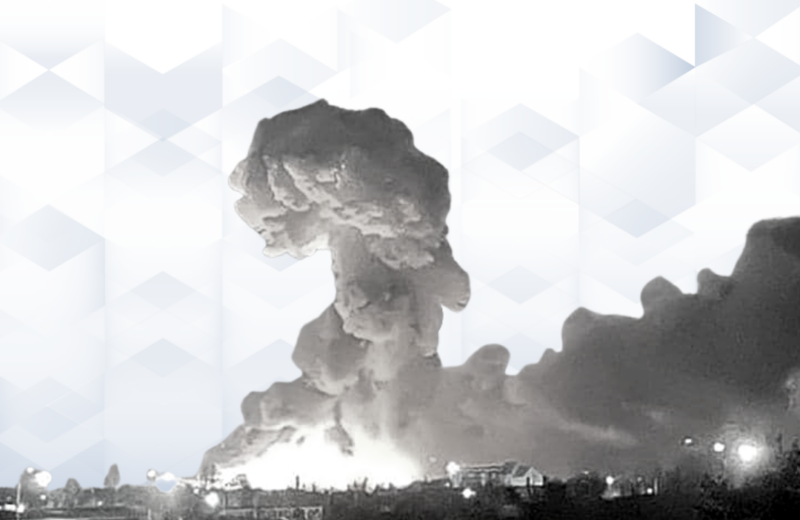
In the night between June 12 and 13, the conflict between Israel and Iran reached a new level of intensity, with Israeli airstrikes targeting not only Iran’s nuclear facilities but also the entire military leadership of the country. The Israeli operation, which struck some of the most important leaders of the Iranian armed forces, marks an unprecedented move. Among the dead are Hossein Salami, commander of the Pasdaran (the Iranian Revolutionary Guards), Mohammad Bagheri, the chief of staff of the Iranian military, and Gholamali Rashid, commander of the Iranian joint forces. Israel’s message is clear: not only must Iran’s nuclear capability be eliminated, but also the strategic direction of the country, by targeting the military leaders who coordinate its military operations and international alliances.
The Iranian response was swift, launching over one hundred drones toward Israel. This attack, following a long tradition of indirect confrontations between the two countries, signals a significant change in the dynamics of the Israel-Iran war, which now risks transforming into a regional and global conflict. Tehran’s alliances, particularly with Hezbollah, Hamas, and Shiite militias in Iraq, could lead to direct involvement by these groups, extending military operations beyond Iranian borders.
The escalation is not limited to Israel and Iran. The death of Iran’s military leaders destabilizes not only the internal power structure of Iran but also the alliances Tehran has built throughout the region. Hezbollah in Lebanon, militias in Iraq and Syria, and pro-Iranian groups in Yemen and Gaza are ready to respond, and in many cases, they already are. The Israeli move has thus potentially opened Pandora’s box to a regional conflict that could involve more actors, with the risk of further expansion.
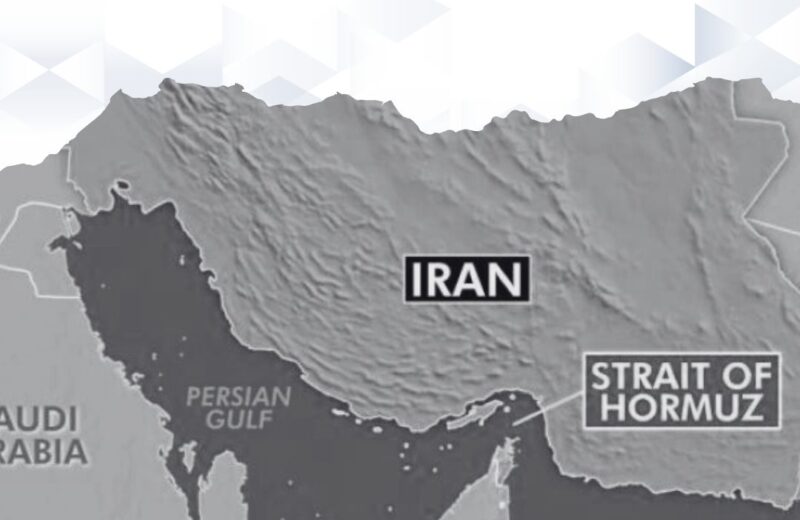
For Europe, the situation is complicated. First, the growing instability in the Middle East brings with it the risk of a new refugee crisis. The European Union is already under pressure to manage the migration flows from the Mediterranean, and the escalation of violence could push hundreds of thousands of people to seek asylum. Secondly, there is the issue of energy supply. Europe still heavily relies on oil and gas supplies that pass through the Middle East. A war that disrupts these vital routes could have a devastating impact on European economies, with rising energy prices that would further increase the already high costs for citizens.
The Israel-Iran conflict has now surpassed the boundaries of a simple bilateral war, transcending regional borders and involving international actors with potentially global repercussions. The strategic alliances, regional power dynamics, and the risks of uncontrolled escalation place the entire international community at a crossroads: either avoid total conflict and work for de-escalation, or face the consequences of a war that could irreversibly rewrite geopolitical balances.