Defense and Tariffs: Italy Between Trump and NATO
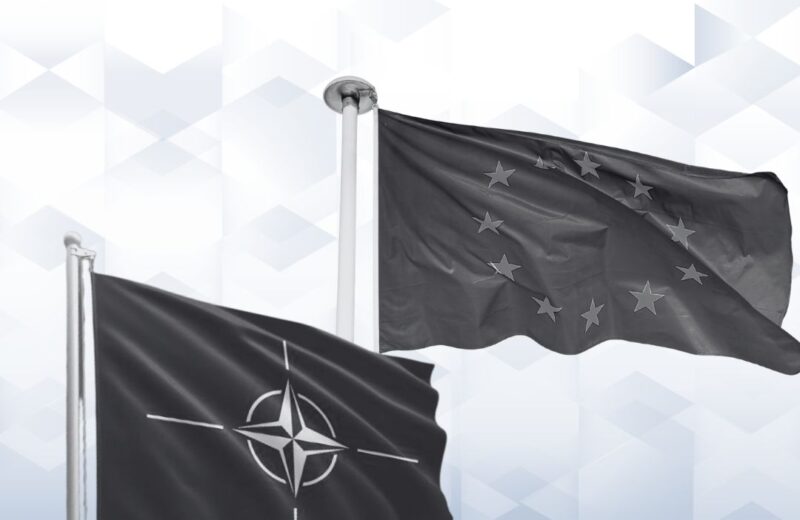
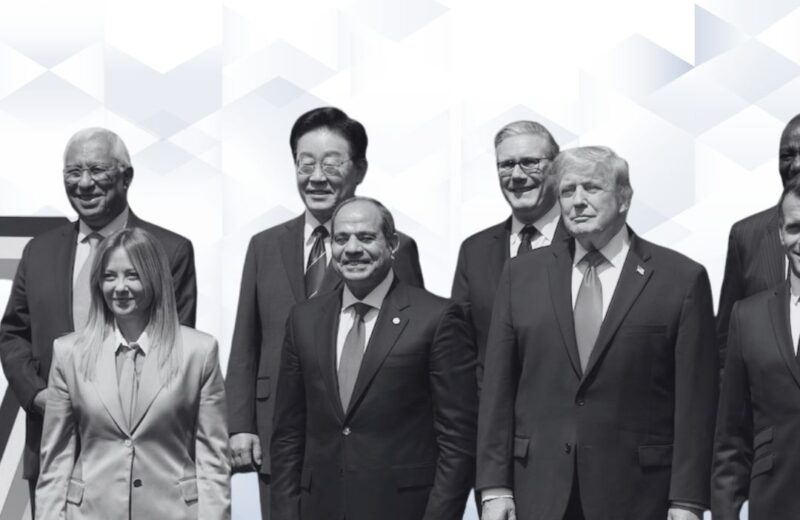
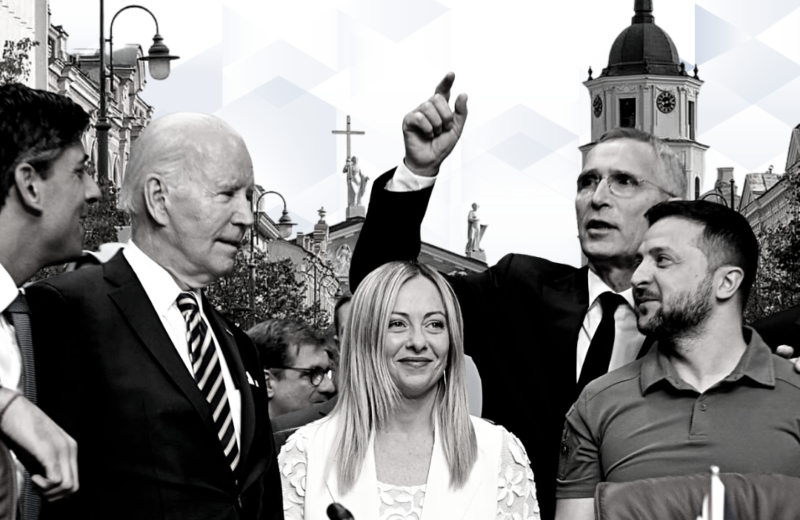
This week, the international scene was dominated by the NATO summit held in The Hague (June 24–25), where a seemingly historic agreement was reached: the 32 member countries committed to increasing defense spending to 5% of GDP by 2035, divided into 3.5% for military capabilities and 1.5% for infrastructure and resilience. The renewed endorsement of Article 5 inspired confidence, but skepticism remains regarding the feasibility and timeline of these plans.
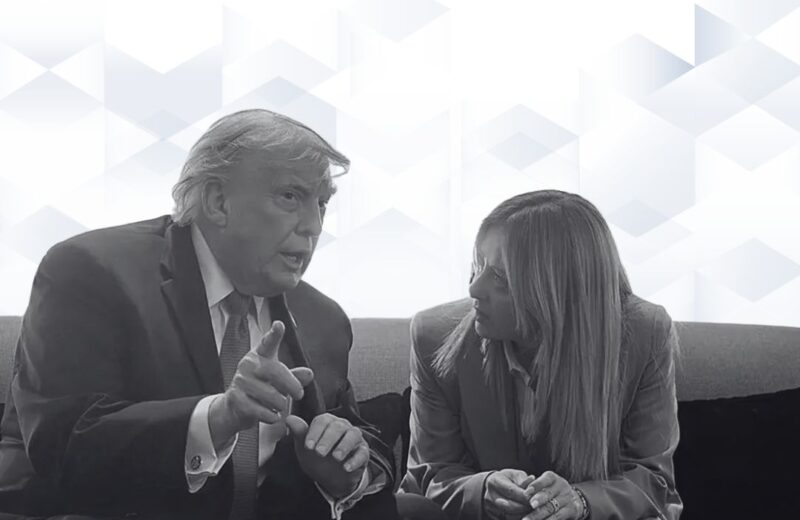
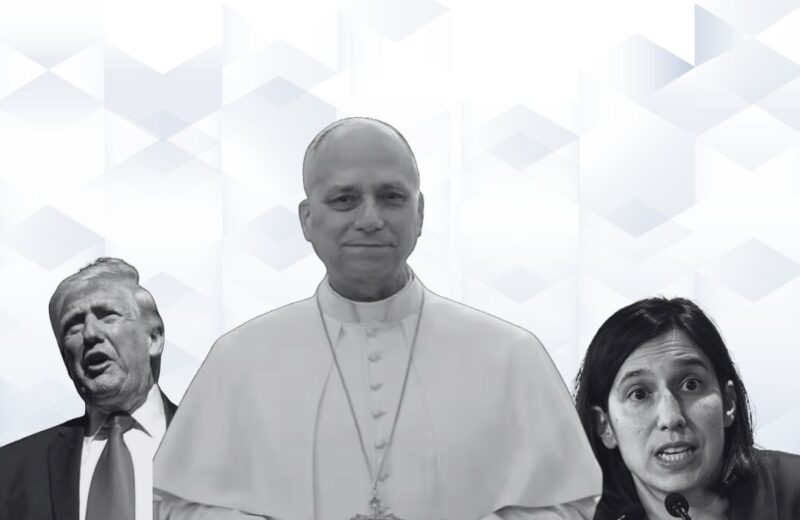
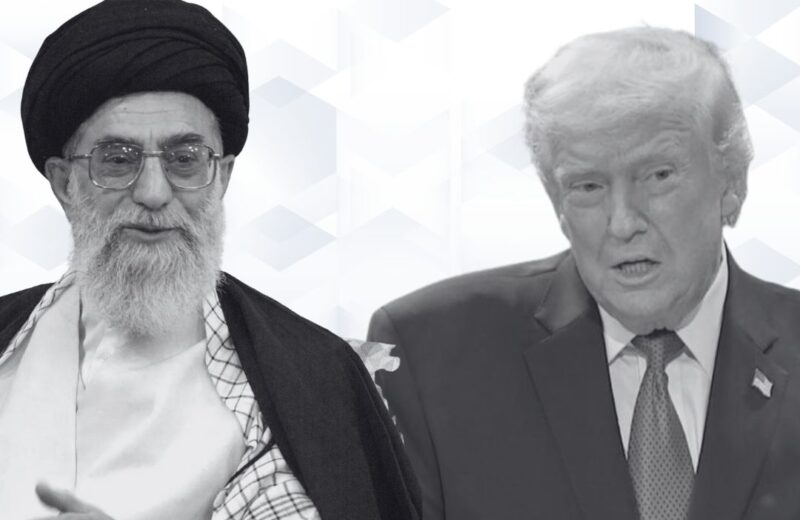
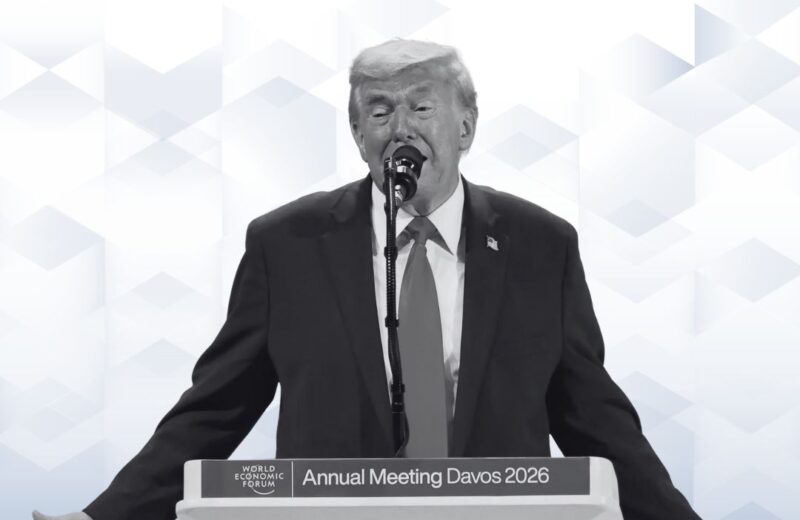
U.S. President Donald Trump turned the summit into a stage for personal affirmation: following a series of provocations, tariff threats, and persistent demands directed at allies, he hailed the outcome as a “historic victory,” thanked Secretary General Mark Rutte, and positioned himself as the summit’s key figure. Trump’s message was clear: “I left here differently… it’s not a scam, we’re here to help you defend your countries.” However, analysts warn that his outsized influence risks fueling tensions within NATO and undermining the U.S.’s leadership credibility.
One of the most critical issues emerged with Spain, led by Pedro Sánchez, which opted out of the 5% commitment, capping its military spending at 2.1%. Trump responded with accusations of “free-riding” and threats of trade retaliation. Other countries such as Slovakia and Belgium also expressed doubts, casting a shadow over NATO’s promised “ironclad unity.”
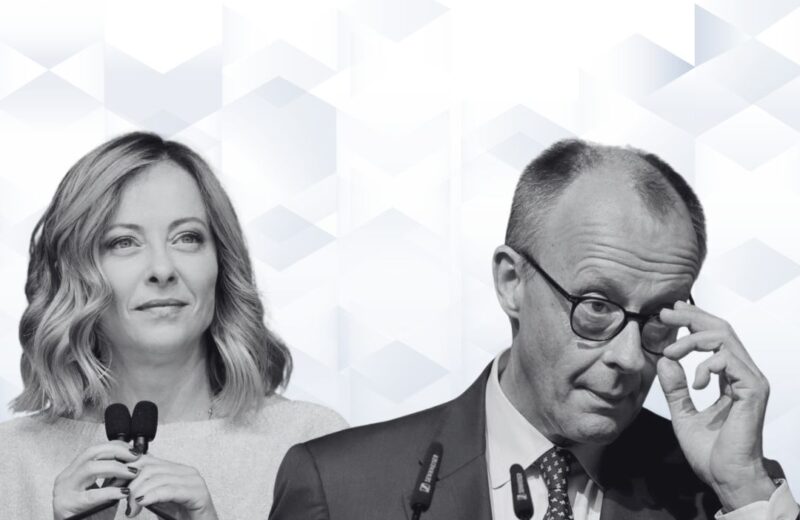
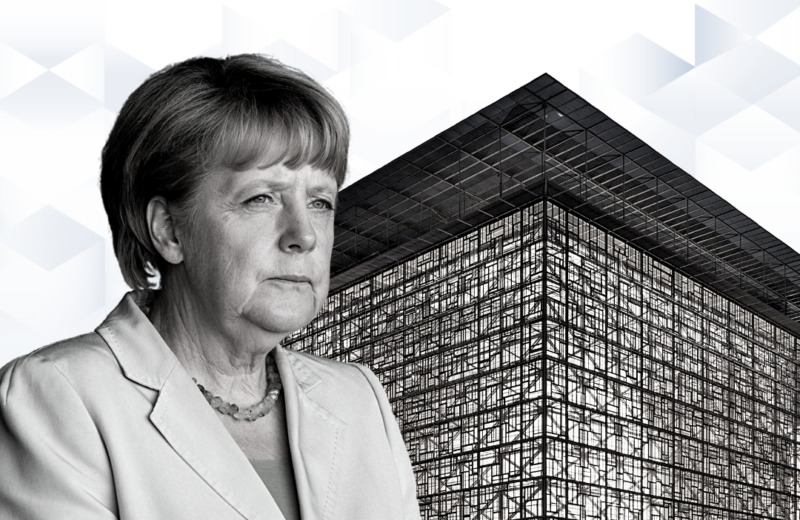
At the same summit, Germany announced an unprecedented military expansion since World War II. Chancellor Friedrich Merz revealed plans to increase the military budget from around $100 billion in 2025 to $177 billion by 2029, along with a new contingent of 60,000 soldiers and the possible reintroduction of conscription. A special fund of $585 billion has been created, and the “debt brake” has been re-evaluated. Yet, the move has sparked reactions: parts of German society — and some coalition members — fear a return to a militaristic culture.
Across Europe, a delicate balance is emerging. The United Kingdom, for instance, confirmed the purchase of 12 F-35A fighter jets equipped with tactical nuclear capability, signaling renewed focus on deterrence. Meanwhile, countries like Canada, Poland, and the Baltic states welcomed the developments, while Russia watches the growing defense budgets with alarm.
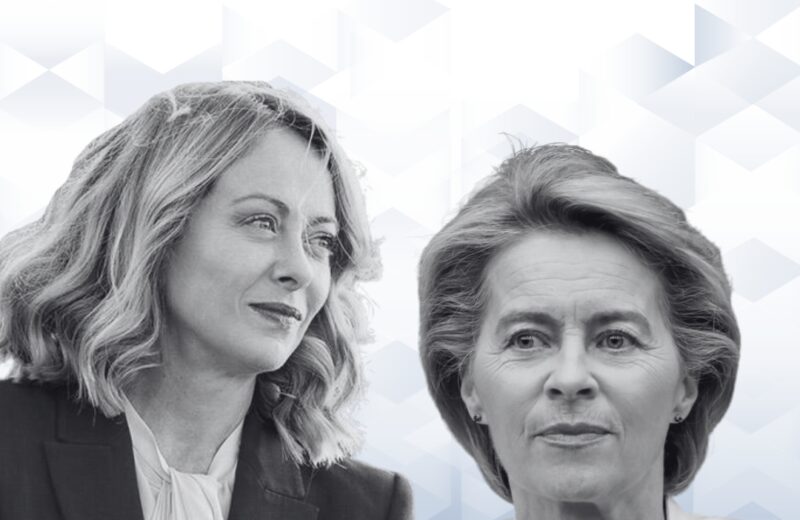
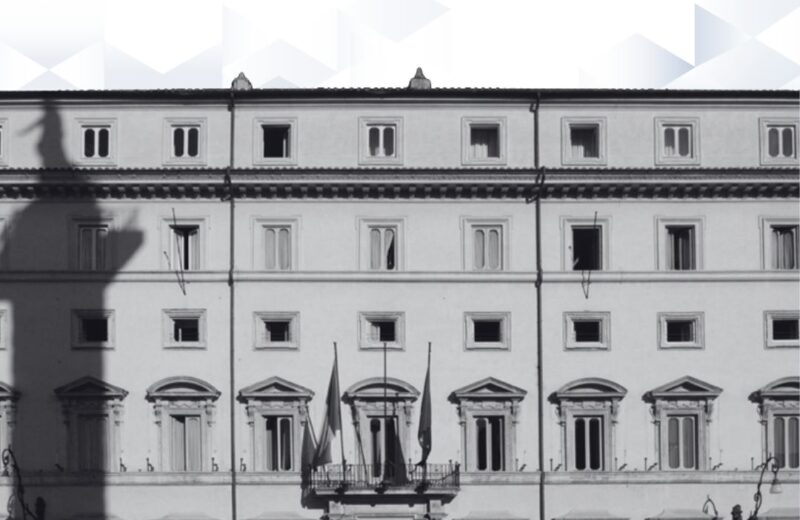
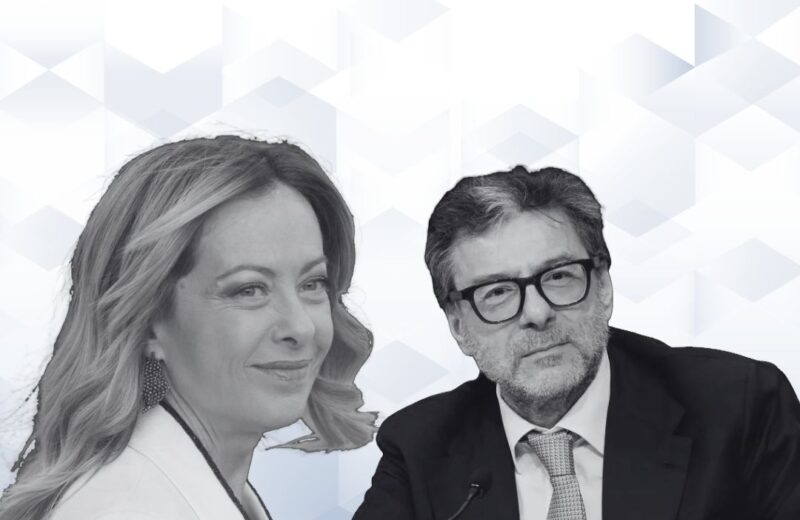
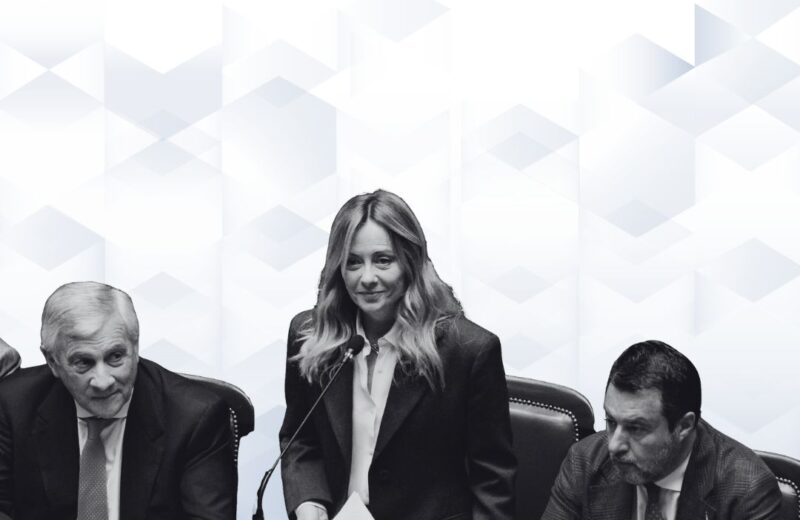
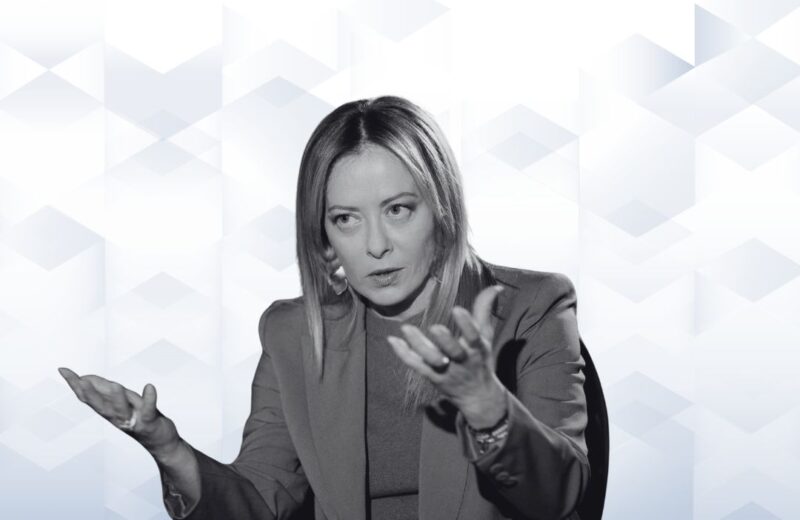
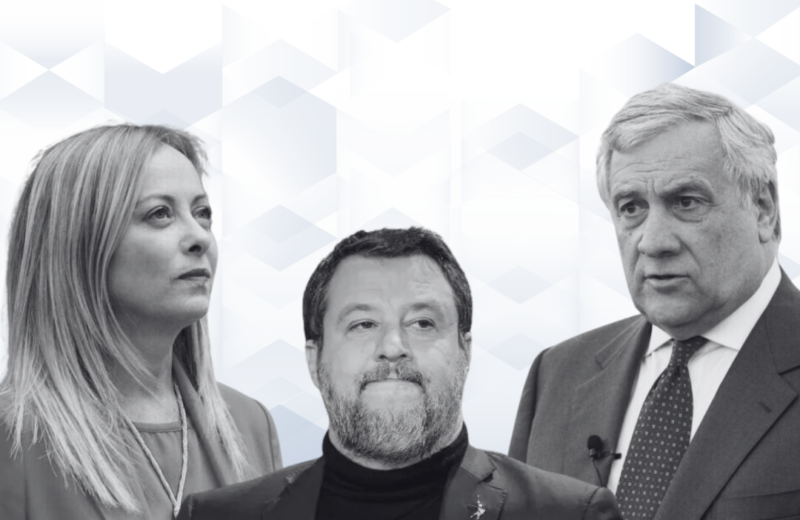
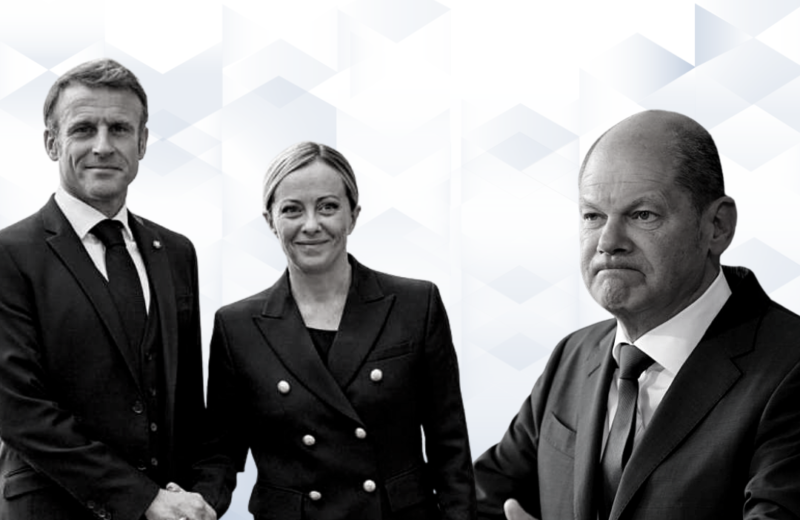
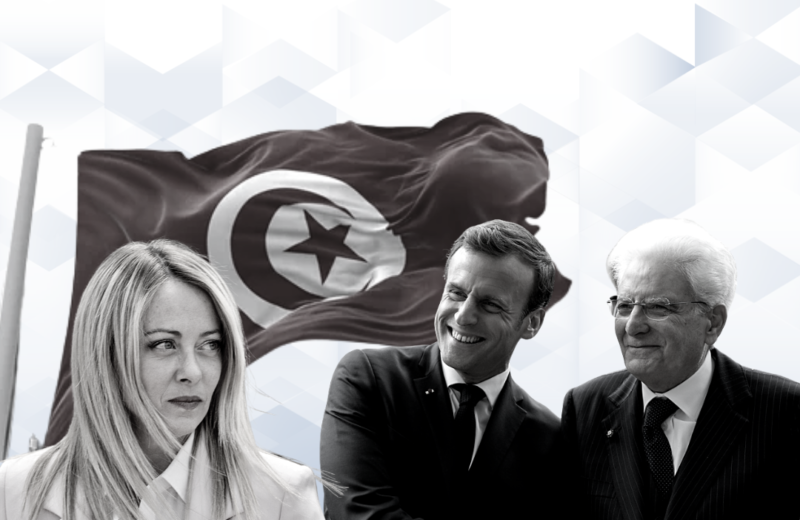
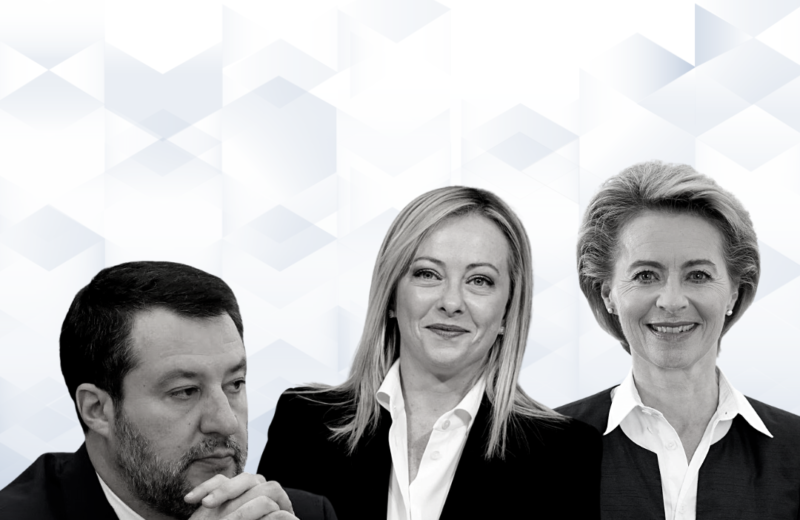
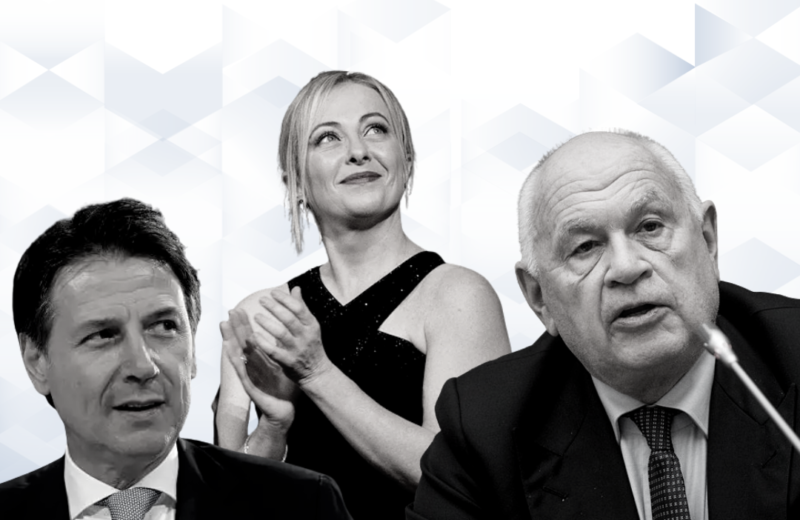
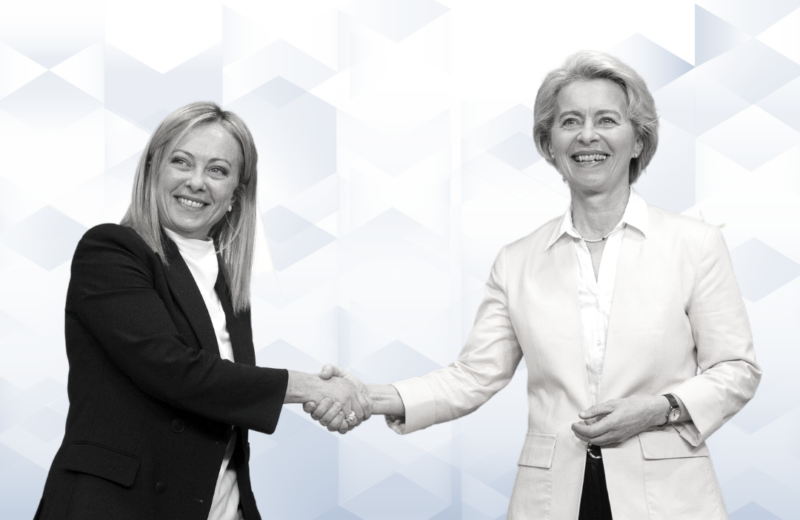
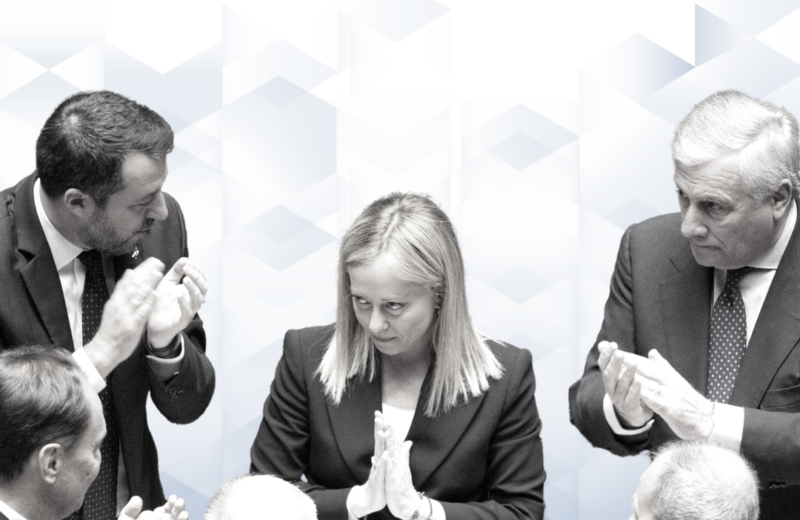
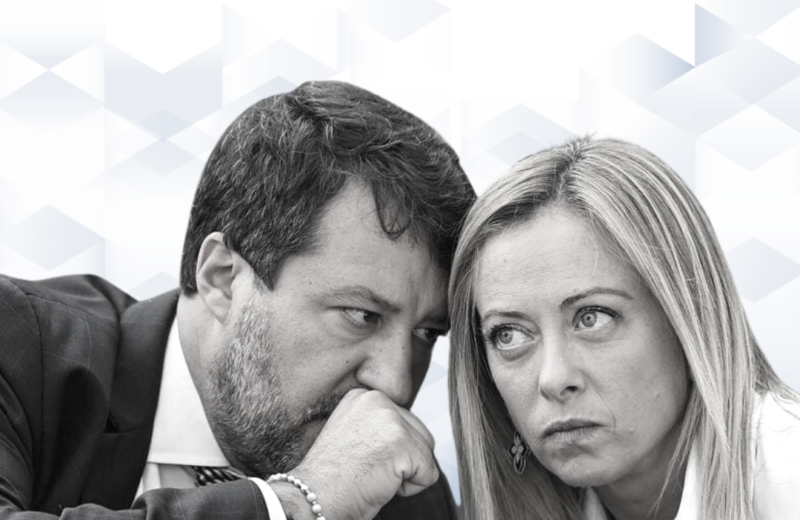
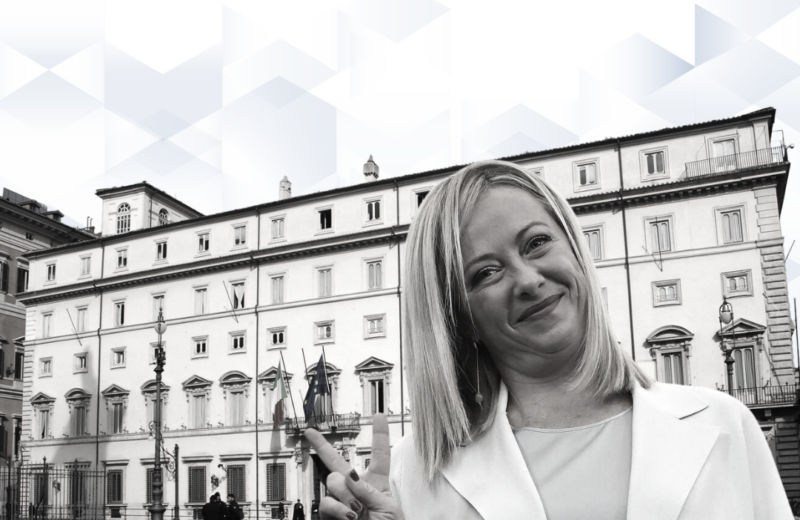
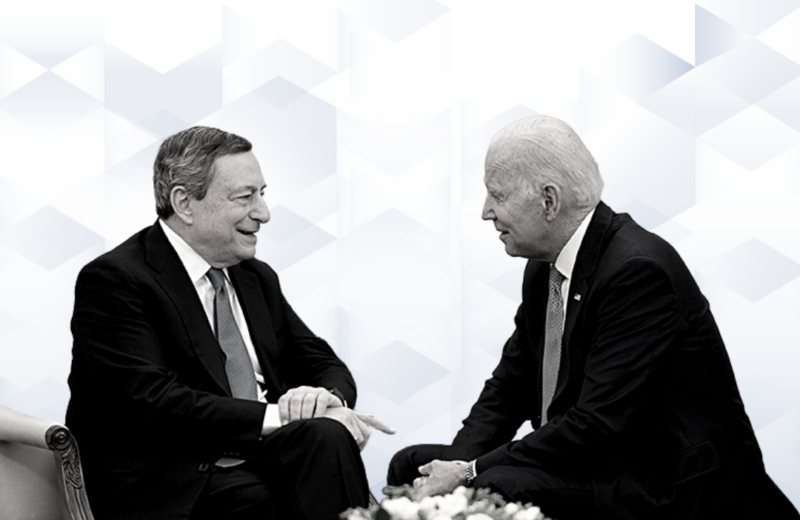
Meanwhile, Italy is navigating these dynamics cautiously. Domestically, Palazzo Chigi has adopted a flexible stance: Prime Minister Giorgia Meloni and Foreign Minister Antonio Tajani estimated that it will take “10 years or more” to reach the 5% target and have expressed willingness to follow a gradual path. In parallel, the government is working to delay the impact of new U.S. tariffs (50% on steel and aluminum) through active dialogue between Meloni, Ursula von der Leyen, and the White House. President Sergio Mattarella reaffirmed the transatlantic bond as the foundation of European security and a cornerstone of Italian exports.
On the financial front, Italy faces mounting pressure from public debt, which surpassed €3.063 trillion in April — a €30 billion increase from March. Tax revenues are growing (+3.2%), but international uncertainty — including inflation, interest rates, and potential tariffs — complicates deficit management, now projected to fall below 3% by 2026 according to the Economic and Financial Document (DEF). The tension between debt constraints and defense spending needs will be a key issue in the upcoming budget law.
In summary, the week marked an unprecedented political momentum toward stronger European defense, driven by American ambition and persistent threats from Russia and the Middle East. Yet, the “deterrence paradox” remains: high financial commitments do not automatically guarantee unity or military effectiveness. For Italy, this ushers in a season of diplomatic balancing — between allies and budget constraints — with the challenge of reconciling security, economic stability, and its international role.