Italy, August 2025: between major infrastructure, diplomatic tensions, and tests of political stability
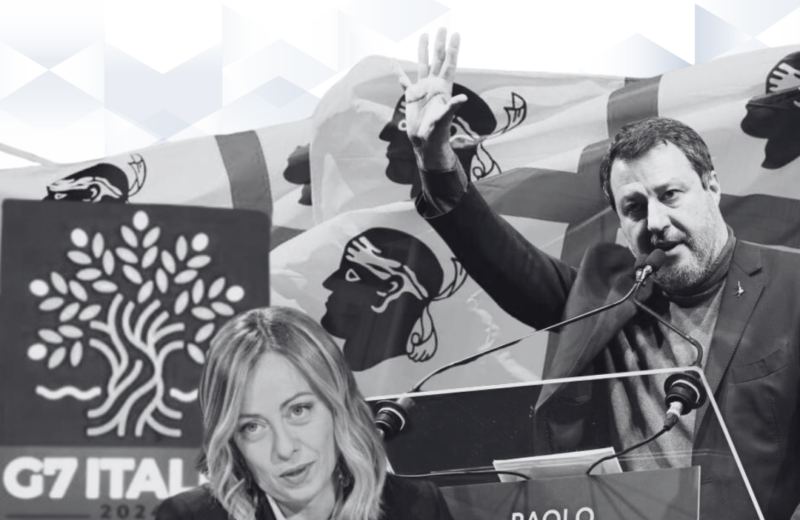
Over the past week, three issues have captured the attention of the public and political observers alike: the renewed push for the Strait of Messina Bridge, the delicate Almasri case, and internal coalition dynamics ahead of August 12. Though different in nature, these three developments provide a telling snapshot of the current state of Giorgia Meloni’s government, at a time when political, institutional, and international dynamics are becoming increasingly intertwined.
The Strait of Messina Bridge project has returned to the spotlight with renewed momentum. After years of announcements and debates, the government has accelerated approvals and procedures, setting timelines and budgets, and demonstrating a determination to overcome the long-standing uncertainties surrounding the project. At this stage, the Bridge is more than just an infrastructure project: it is a clear political signal. The government sees it as a strategic tool for the development of southern Italy and to strengthen the country’s position in Europe’s logistics and mobility corridors. At the same time, concerns remain regarding costs, environmental impact, and whether this is truly a priority in a context of limited resources. The debate is ongoing, but the government’s decision to firmly pursue this symbolic infrastructure reflects a specific political vision.
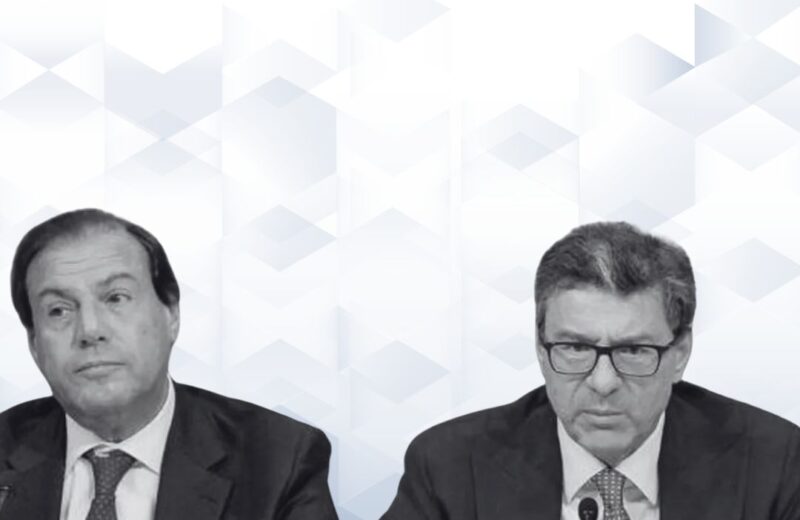
In parallel, the Almasri case has raised sensitive issues both domestically and internationally. The case, involving an Italian-Palestinian citizen detained under complex and still unclear circumstances, has triggered diplomatic reactions and concern from human rights organizations. The government has defended the actions of the relevant authorities, reiterating the importance of national security and the need to proceed with caution in an increasingly unstable geopolitical context. However, the incident has prompted questions about procedural safeguards and the balance between security needs and the protection of individual rights. It is a topic that resonates strongly with public opinion and also affects the country’s international credibility.
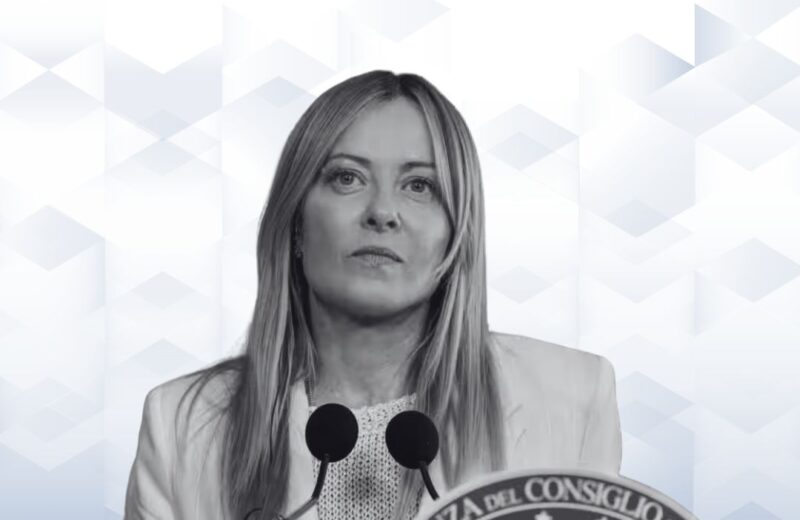
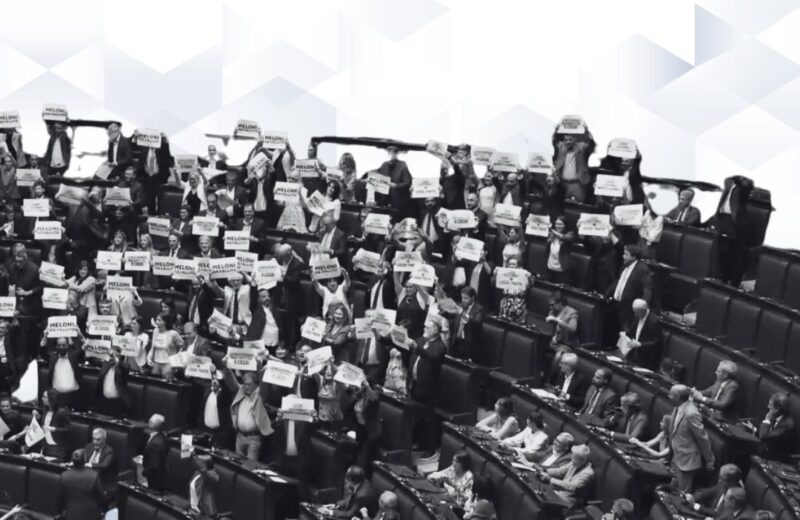
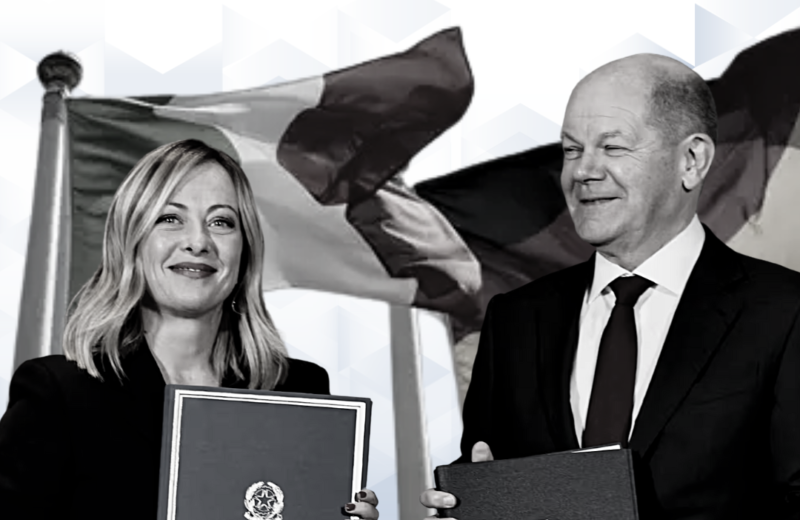
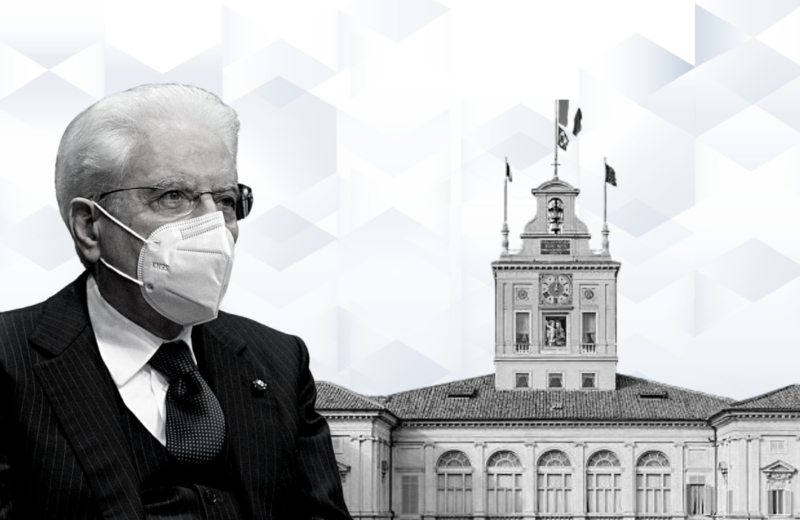
At the same time, the political landscape has been shaped by a growing consolidation of Prime Minister Giorgia Meloni’s leadership ahead of August 12, the date on which her government will officially become the fourth longest-serving in the history of the Italian Republic. It is both a political and symbolic milestone that strengthens the Prime Minister’s position, both within the coalition and in institutional relations with the Quirinale. The government is preparing to enter a new phase—less driven by emergency management and more focused on reinforcing its long-term strategic direction, particularly in view of the upcoming autumn budget law and European deadlines. While different sensitivities remain within the coalition, there is currently a shared sense of continuity and cohesion, also aimed at making the most of a political achievement rarely seen in the past two decades. The real challenge now is to turn temporal stability into programmatic stability, by effectively managing the key policy areas—from justice reform to implementation of the National Recovery and Resilience Plan (PNRR), and increasing international pressures linked to global tensions.
The overall picture suggests a delicate transitional moment for Meloni’s government. Symbolic decisions such as the Bridge, issues affecting civil rights, and the internal dynamics of the ruling majority all form a mosaic that demands balance, vision, and diplomatic skill. Meloni’s leadership will also be measured by her ability to hold these dimensions together—not through overreach or haste, but with pragmatic and responsible governance of the tensions running through the country and its institutions.