The second phase of the Meloni government runs through Europe and institutional reform
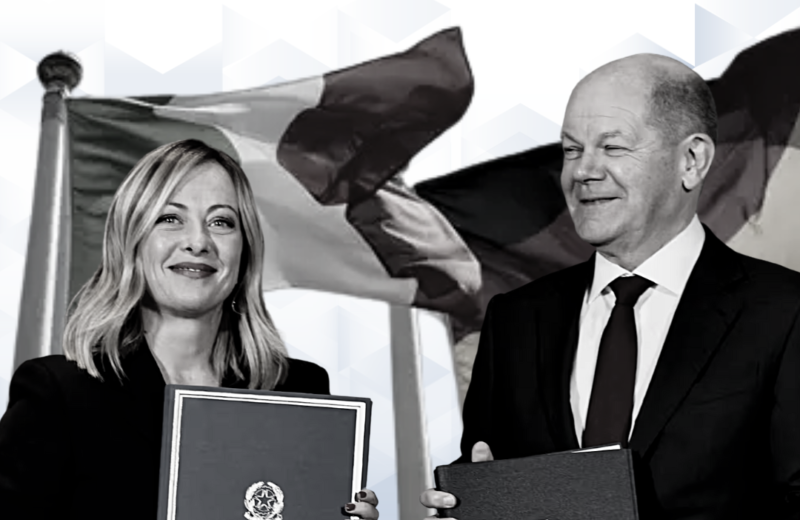
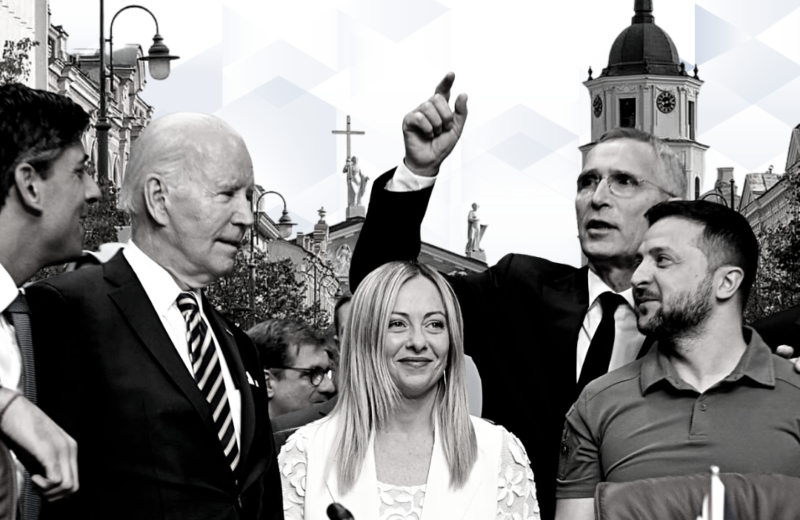
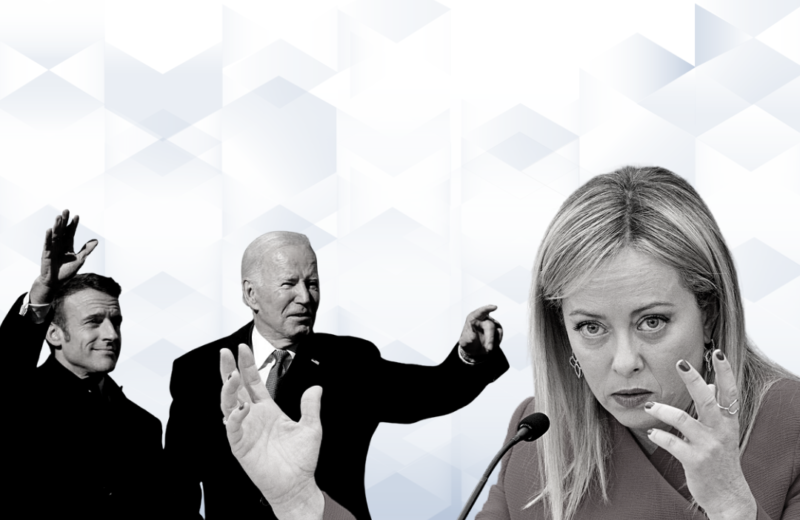
After nearly two and a half years in office, Giorgia Meloni appears to have entered a different political phase from the one that characterized the beginning of her premiership. Until a few months ago, her main objective was to consolidate her leadership at home while positioning herself as a privileged interlocutor between Europe and Donald Trump. Today, however, those priorities seem to have shifted. On the international stage, the clash with the U.S. president has marked a clear break with the strategy pursued so far. The tensions that emerged after the G7 summit and the subsequent exchange of accusations have made it increasingly difficult for Meloni to maintain the role of bridge between Washington and Brussels, a position that had helped strengthen her international profile. Palazzo Chigi’s response to Trump’s remarks was more than a personal rebuttal: it signaled a broader political direction, one that appears increasingly focused on strengthening Italy’s role within the European Union and in key foreign policy dossiers, from Ukraine to the Middle East.
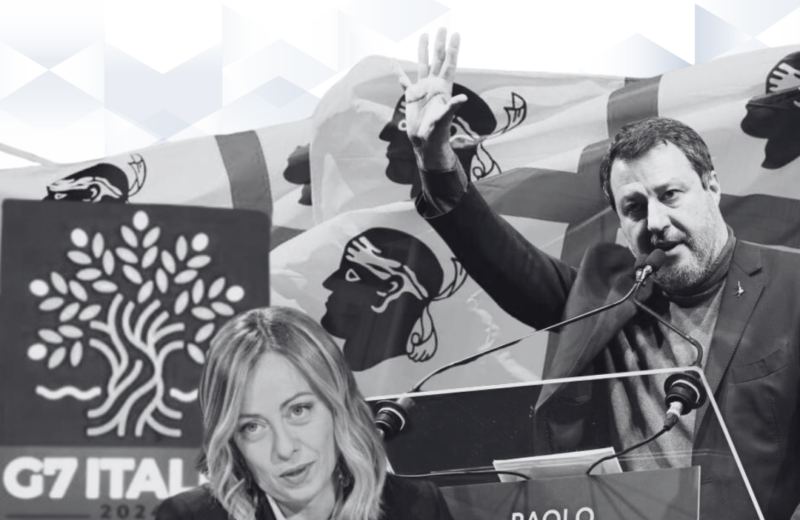
At the same time, the domestic political landscape is also evolving. The key issue is no longer the dominance of Brothers of Italy, which remains the country’s largest party, but rather the changes taking place within the rest of the center-right coalition. The League is going through a period of evident weakness, while Roberto Vannacci continues to carve out political space by appealing directly to the coalition’s most nationalist and conservative voters. This dynamic could significantly reshape the balance within the governing alliance. For years, Meloni’s main challenge was competing with Matteo Salvini for leadership of the right. Today, she risks facing a different kind of competition—more radical and less predictable—which could generate new tensions within the coalition itself.
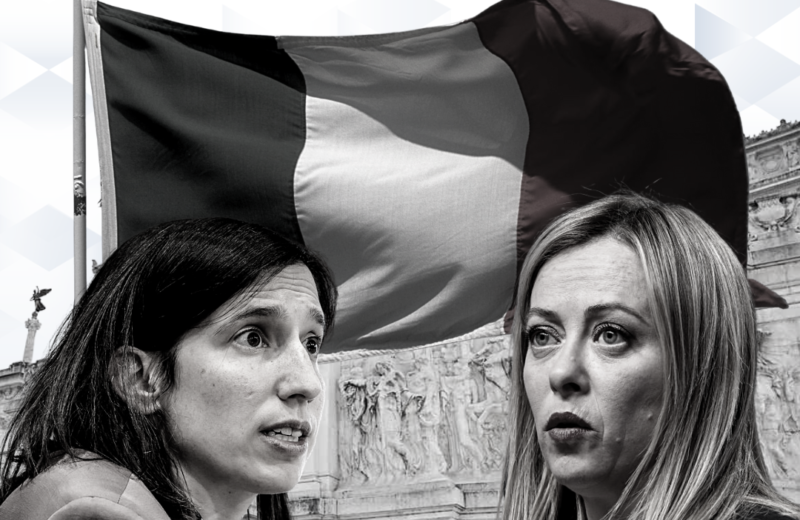
This evolving political landscape also makes the debate over institutional reform particularly sensitive. The government has reopened discussions on electoral reform with the stated aim of ensuring greater stability for future governments, but the issue inevitably carries broader political implications. Redesigning the electoral system means reshaping the balance among political parties and influencing the strategies they will adopt ahead of the next general election. It is no coincidence that this debate is unfolding at a moment when the governing majority itself appears to be changing, while Meloni is seeking to consolidate her position both domestically and internationally.
Taken individually, these developments may seem to belong to different political arenas. Viewed together, however, they point to the beginning of a second phase of the legislature. In this new stage, the prime minister is no longer focused solely on consolidating the consensus she has built so far, but on navigating a far more complex environment: a less straightforward relationship with the United States, an Italy seeking a more influential role within Europe, a center-right coalition whose internal dynamics are shifting, and an institutional reform agenda that could reshape the country’s political system. More than the individual events of the week, this is the political message that emerges most clearly: the period of consolidation is giving way to one of strategic choices, decisions that are likely to shape not only the future of the government but also Italy’s political trajectory in the years ahead.