Meloni after 1,000 days in Office: between image leadership and new uncertainties
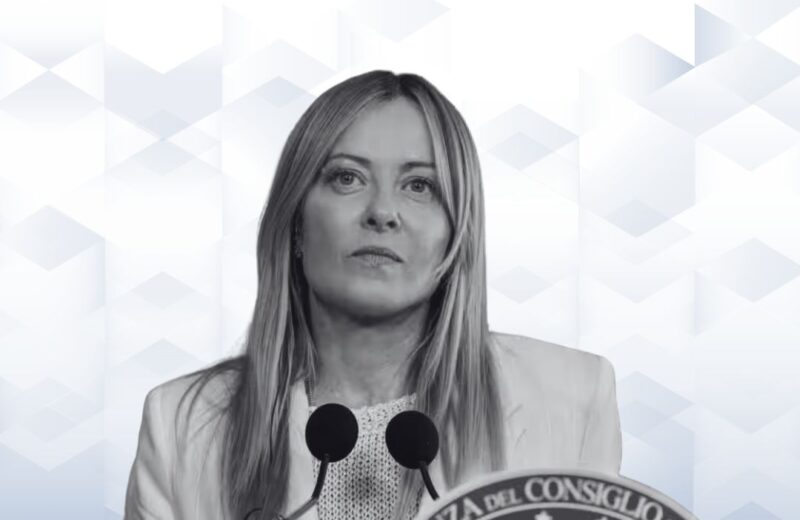
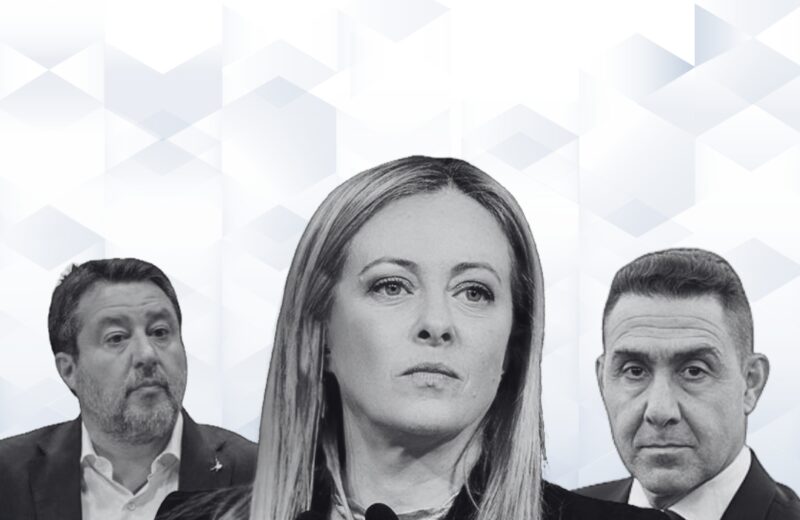
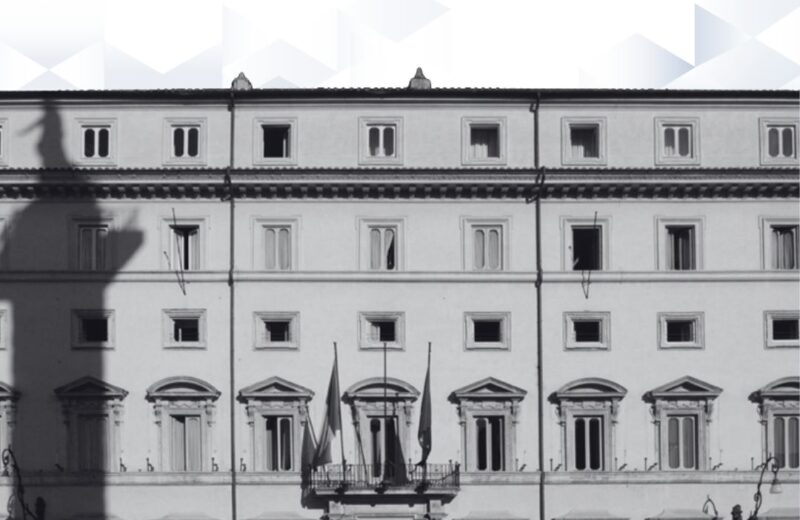
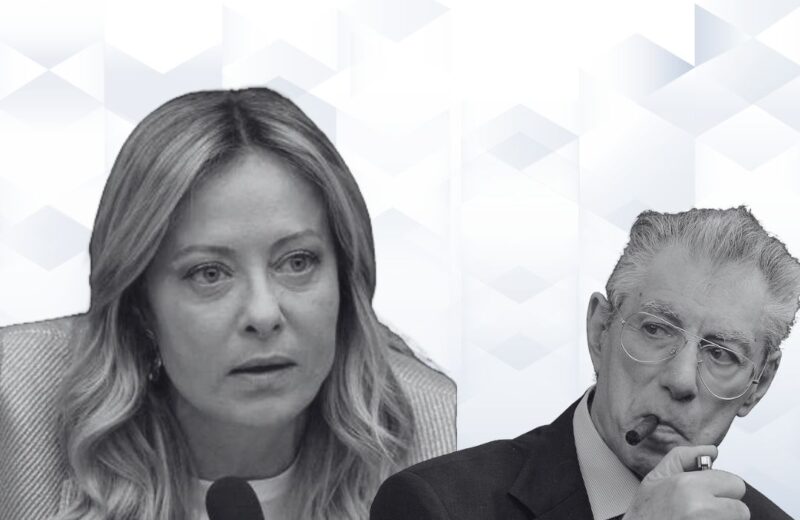
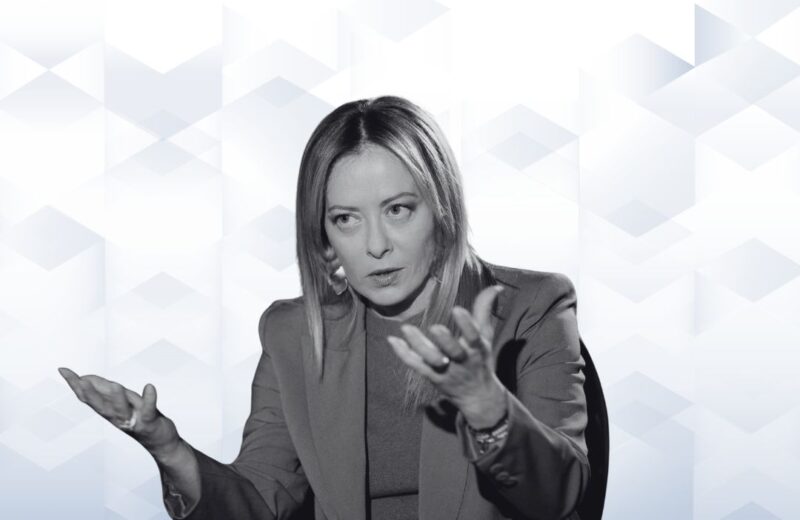
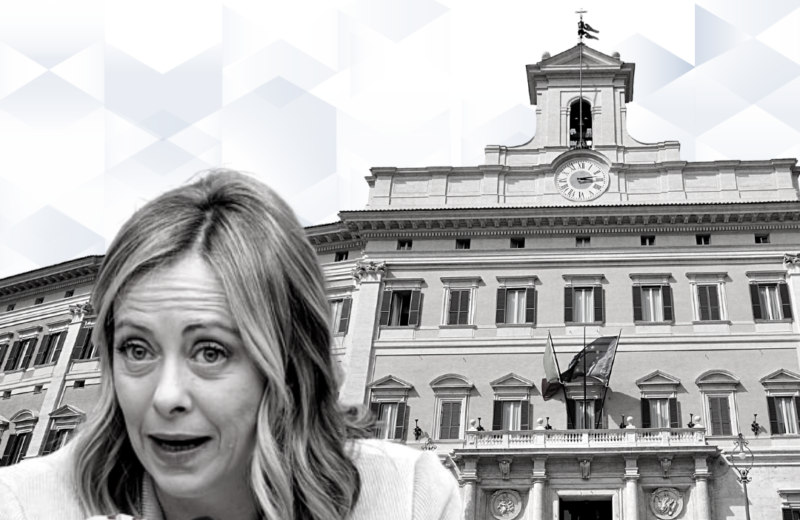
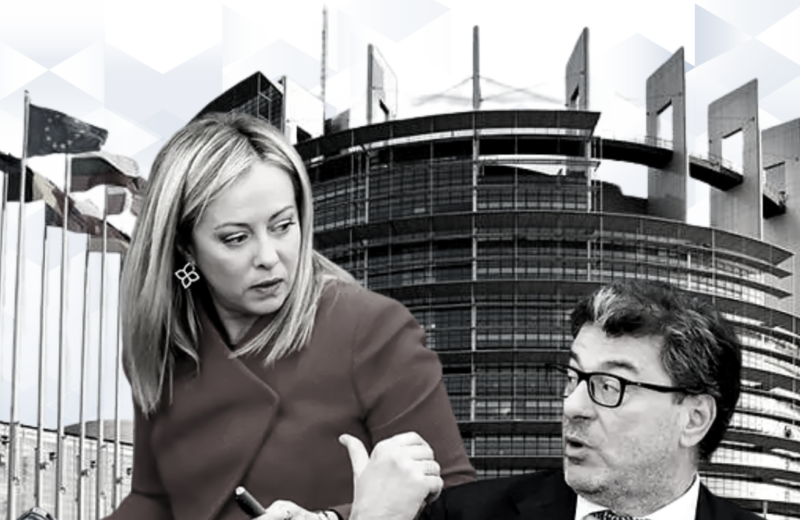
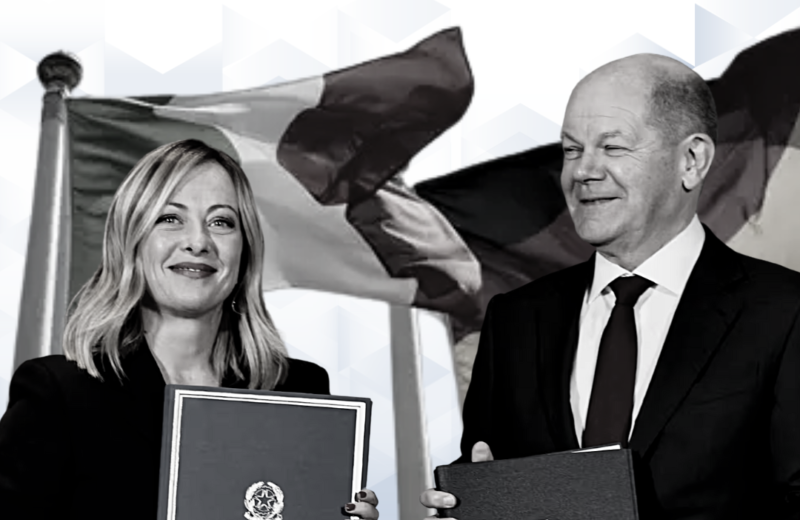
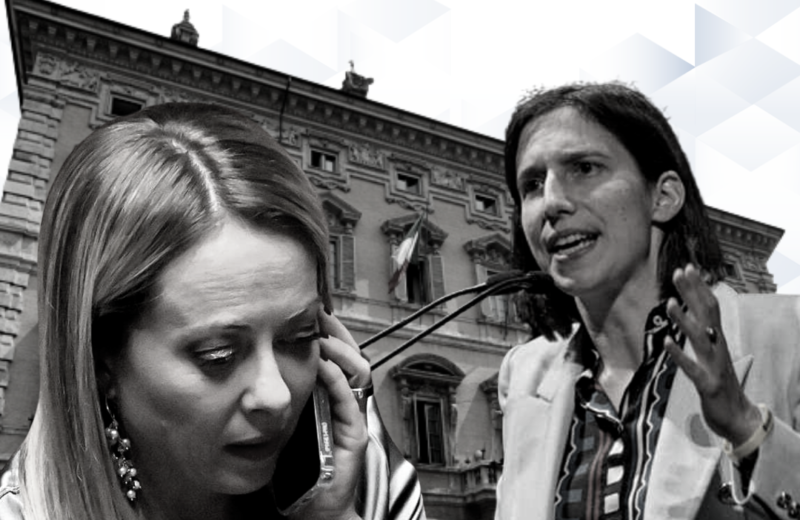
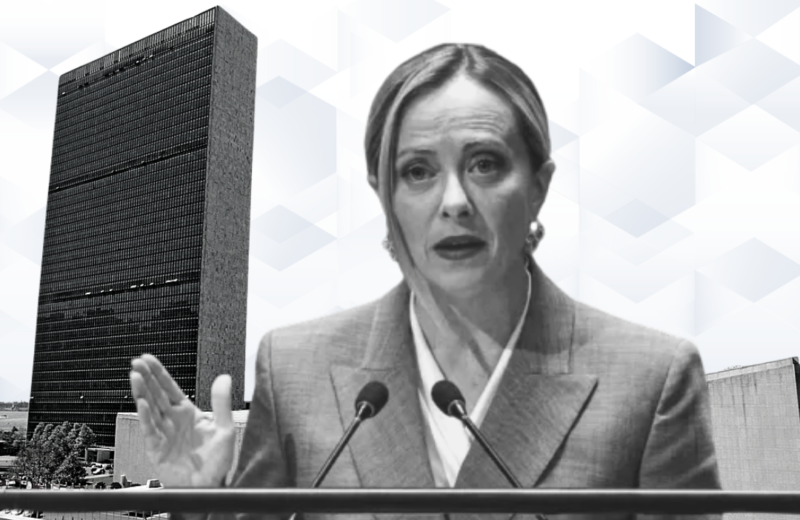
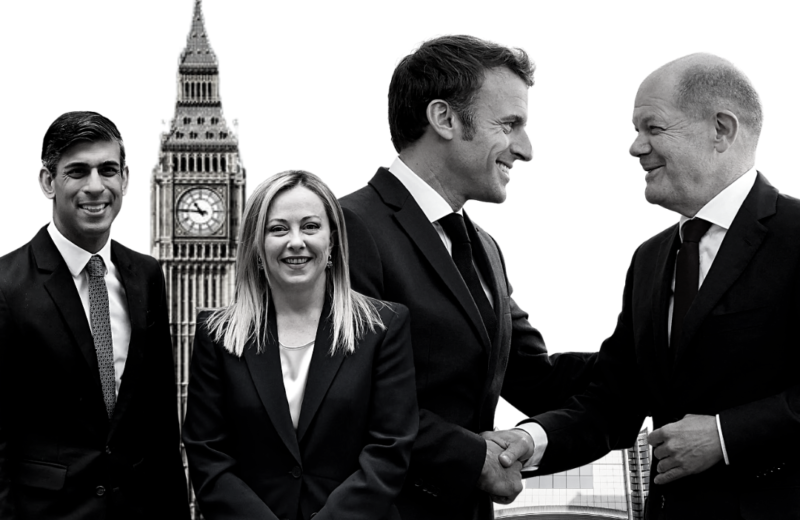
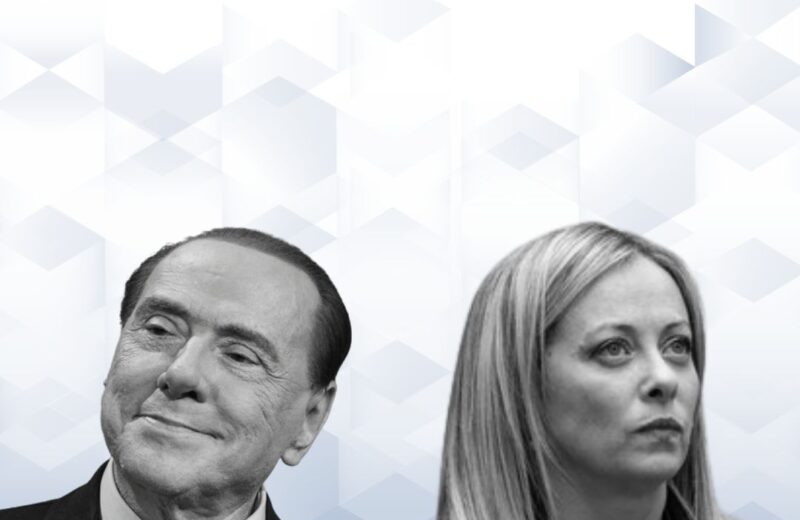
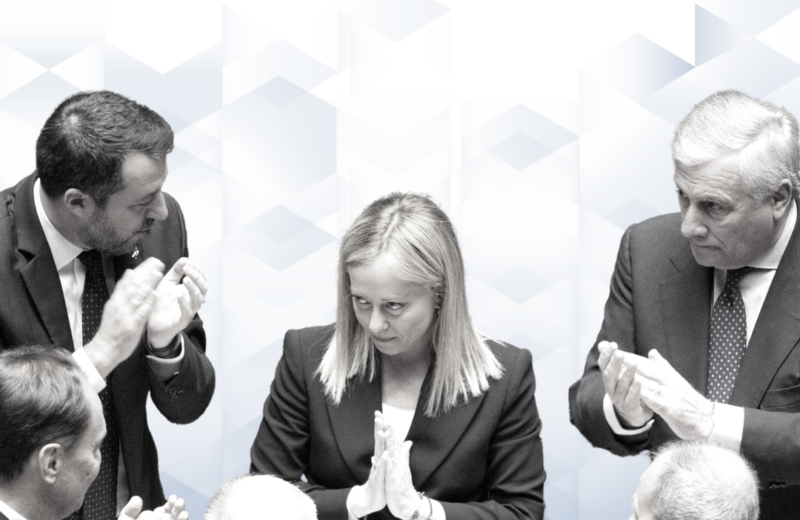
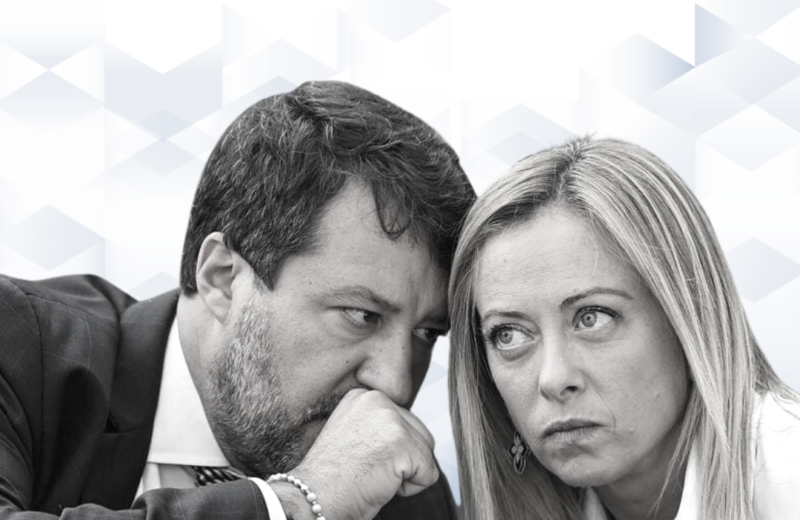
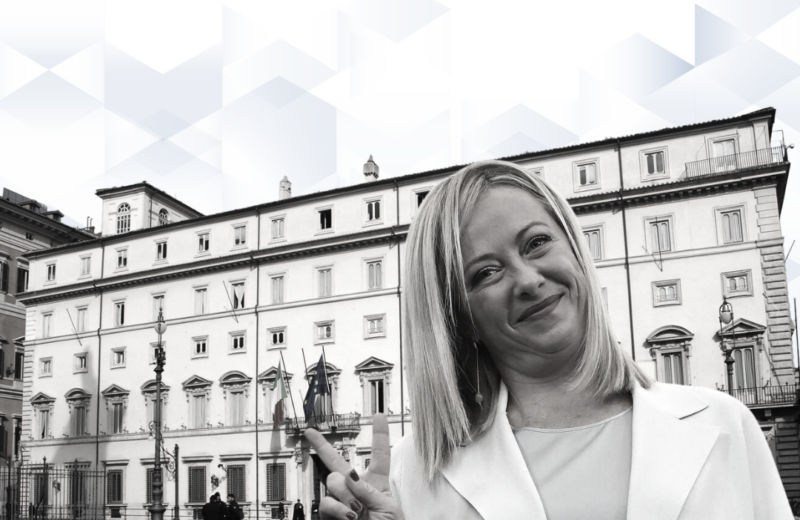
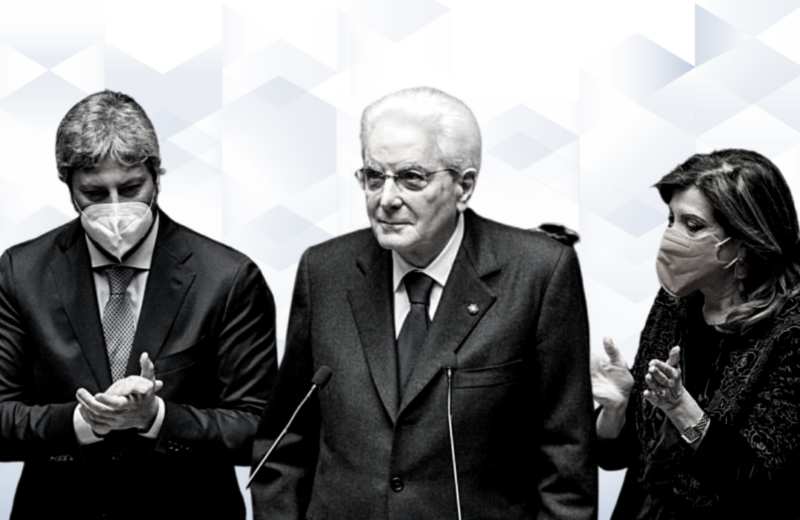
A thousand days have passed since Giorgia Meloni took office at Palazzo Chigi, and this symbolic milestone crystallizes a paradox: a government that endures not so much for what it does, but for what it represents. The Prime Minister has not asserted herself through the traditional metrics of policy outcomes, but rather by embodying a new paradigm of leadership, in which identity, messaging, and symbolic consistency matter as much as – if not more than – substance. As Luigi Di Gregorio wrote in Il Giornale on Friday, it’s not so much the government that is solid, but “the image of the Premier” that “works,” channeling consensus and masking internal fractures.
This new political grammar is based on crafting a figure perceived as authentic, consistent, and recognizable. Meloni is not merely at the helm of power: she is the brand that legitimizes the entire political system around her. Unsurprisingly, every institutional act, reform, or public appearance is framed as a piece of her personal narrative. It is Giorgia, not a party, not a coalition, who guarantees the political direction of the government. This communication model has helped cement an aura of “strong normalcy” around the Premier, making her seemingly immune to shocks that would have undermined previous administrations.
But this all holds up only as long as the image does. And in recent months, signs of wear have become increasingly visible. According to the latest polls, support is declining – slightly, but steadily. Fatigue is setting in, especially among those waiting for concrete results on economic and social issues. Even the triumphalist tone about having created “over one million jobs,” reiterated by Meloni at the recent CISL congress, clashes with a more complex reality – one marked by precarious employment, low wages, and fiscal uncertainty.
The same goes for the proposed “responsibility pact” between the government and social partners, launched before a union audience, which reflects a desire to position herself as the architect of a new productive and institutional order. But here, the limits of a strategy focused heavily on the medium-to-long term begin to show: rather than immediate measures, the government keeps outlining future structures, ongoing reforms, and trajectories still being shaped. The risk, though not yet critical, is that this forward-looking narrative might struggle to maintain its grip on today’s concrete expectations.
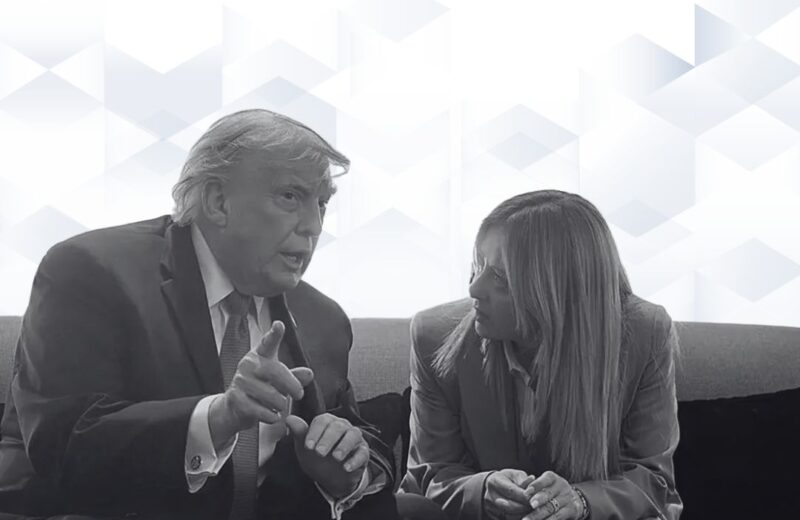
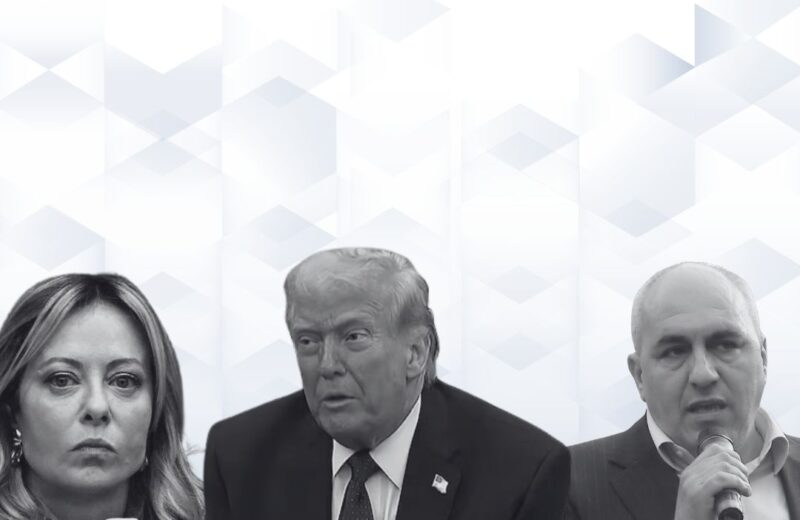
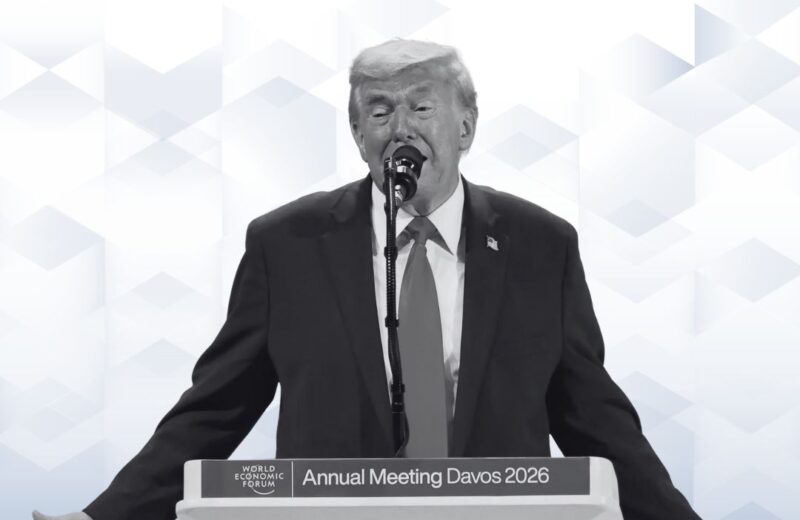
And it’s in this context that a new external variable emerges: the return of Donald Trump and his protectionist posture, which has already taken tangible shape with the announcement of a 30% tariff on all European goods starting August 1st. A move that risks triggering a cycle of retaliatory measures, which the European Union is already preparing to counter with €20 billion in sanctions. Italy now finds itself in a delicate position: on one hand, Meloni’s political affinity with Trump is well known; on the other, the economic impact of a trade war on Italian exports could be devastating. Rome is watching, biding its time – but the room for ambiguity is shrinking. When national economic interests are at stake, neutrality is no longer a viable posture.