Iran crisis, rising oil prices and alarm for the European economy
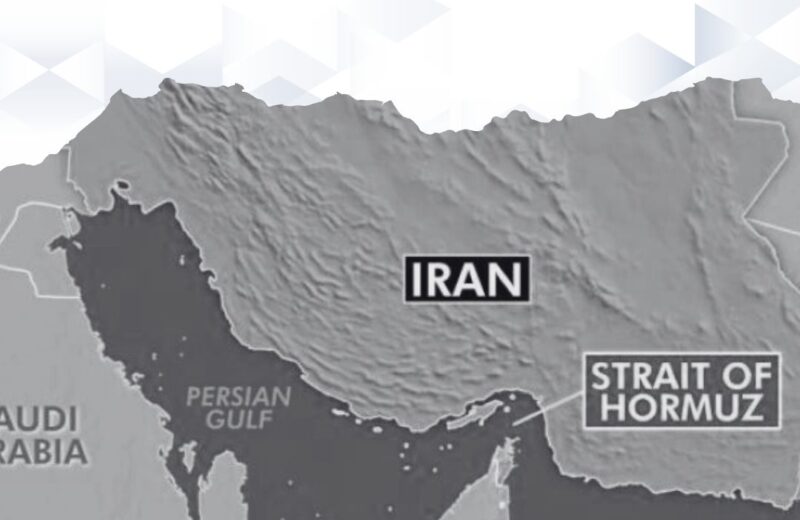
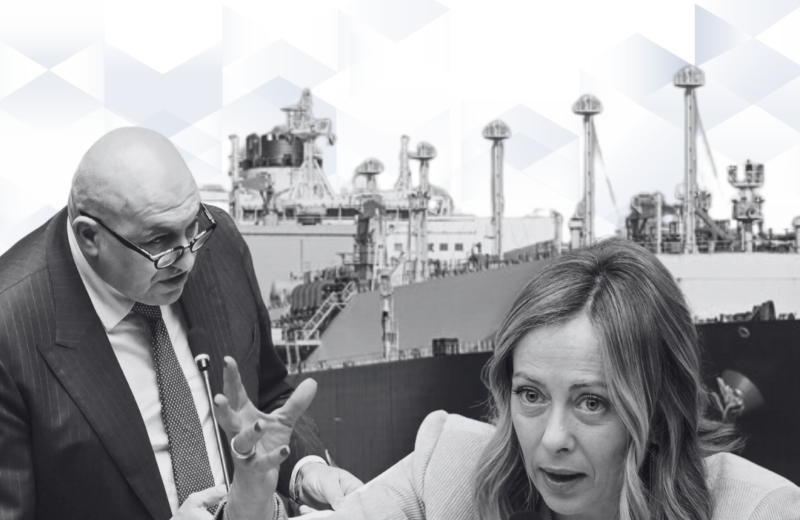
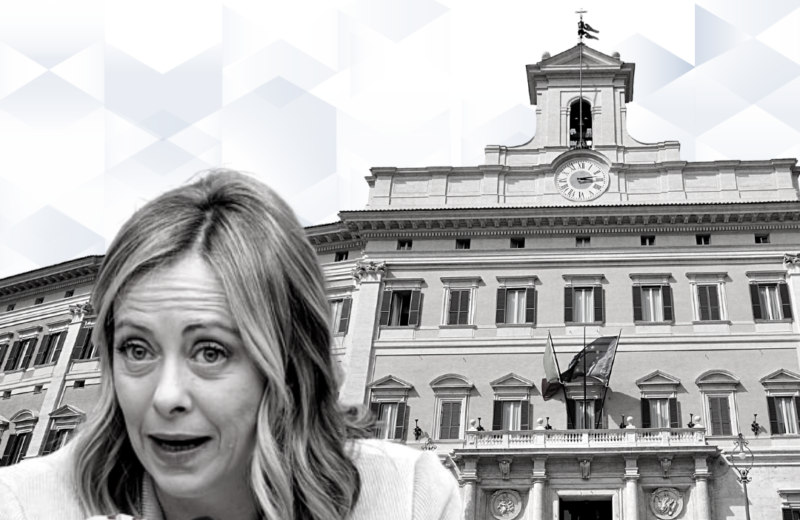
The week closed with a new acceleration of tensions in the Middle East, where the crisis linked to Iran has taken on increasingly systemic contours, intertwining military, diplomatic and economic dimensions. The latest developments have involved a series of military operations and counter-operations that have indirectly engaged several regional and international actors, fuelling fears that the confrontation could evolve into a broader conflict capable of destabilising the entire Persian Gulf area. The most significant element, beyond the strategic dimension of the crisis, concerns the economic consequences that are already emerging in global energy markets. Oil prices recorded an immediate surge in the hours following the latest developments, reflecting the risk perceived by financial operators regarding possible disruptions to energy routes and the security of the region’s oil infrastructure. The Gulf remains a crucial hub for the global energy system and any increase in tensions around the Strait of Hormuz – through which a significant share of global crude exports passes – is immediately incorporated into market expectations. The effects of this dynamic have also been felt in Europe, where governments and businesses are closely monitoring the evolution of the crisis. In Italy the issue quickly moved to the centre of political debate with the briefing delivered to the Chamber of Deputies by Defence Minister Guido Crosetto, who outlined the government’s position and the regional security framework. In his address the minister stressed that Italy is carefully monitoring the evolution of the conflict and maintaining close coordination with NATO allies and European partners, while also highlighting the need to avoid a spiral of military escalation that could have destabilising consequences not only from a geopolitical perspective but also from an economic one. The government’s attention is particularly focused on the security of Italian missions and contingents present in the region and on the protection of commercial and energy routes connecting the Mediterranean to the Gulf. Alongside the strategic dimension, however, an equally delicate economic front is already emerging. The rise in oil prices represents the first tangible signal of how the Iranian crisis could reverberate across Western economies. In recent years Europe has tried to reduce its energy vulnerability through greater diversification of sources and suppliers, a process accelerated after Russia’s invasion of Ukraine. Nevertheless, the European industrial system – and the Italian one in particular – remains exposed to fluctuations in the prices of energy commodities. The possible consolidation of a cycle of rising crude prices could quickly translate into higher production costs for numerous manufacturing sectors, starting with chemicals, steel and transport. It is precisely from the industrial world that the first reactions of concern about the volatility of energy markets have emerged in recent hours. Business associations and several representatives of the productive system have stressed that the increase in energy prices risks further eroding the margins of European companies, already under pressure in recent years due to energy inflation and international competition. In particular, there are fears that a prolonged phase of geopolitical instability could push energy costs back to levels incompatible with the competitiveness of some energy-intensive sectors, reopening a debate that seemed to have partially eased after the market stabilisation that followed the 2022 crisis. The critical point, from an economic perspective, is not only the absolute level of oil prices but above all the uncertainty generated by a potentially open geopolitical crisis. Energy markets react not only to events that have already occurred but also to the probability of future scenarios, and in this sense the risk of a widening confrontation involving Iran introduces an element of volatility that may influence investment decisions, industrial strategies and energy policies. For Europe and for Italy the challenge therefore becomes twofold: on the one hand managing the immediate impact of international instability on energy prices, and on the other accelerating the transition towards a more resilient and diversified energy system. In this context the Iranian crisis represents yet another demonstration of how geopolitics and economics remain deeply interconnected in the global energy market. Even when tensions originate thousands of kilometres away, their effects quickly spread through supply chains and corporate balance sheets, turning a regional crisis into a macroeconomic variable capable of influencing inflation, competitiveness and growth. It is precisely this economic dimension, alongside the military and diplomatic one, that makes the current phase of instability in the Middle East an issue likely to remain at the centre of the European political and economic agenda in the coming weeks.