Europe this week: a continent looking to grow
It’s been a dense week for Europe, swinging between the solemn tones of celebration and the anxious murmur of diplomacy. It all began, as expected, last May 9th with Europe Day — a moment to remind ourselves, amid “Ode to Joy” renditions and institutional hashtags, that the Union is still standing: more or less intact, more or less heard. But while the day itself had the symbolic flavor of a family birthday, the days that followed surprised those who thought it would stop there. Instead of filing the occasion away with the usual speeches, Europe quickly moved into action, with summits and meetings that — for better or worse — brought the Union back to the center of the stage.
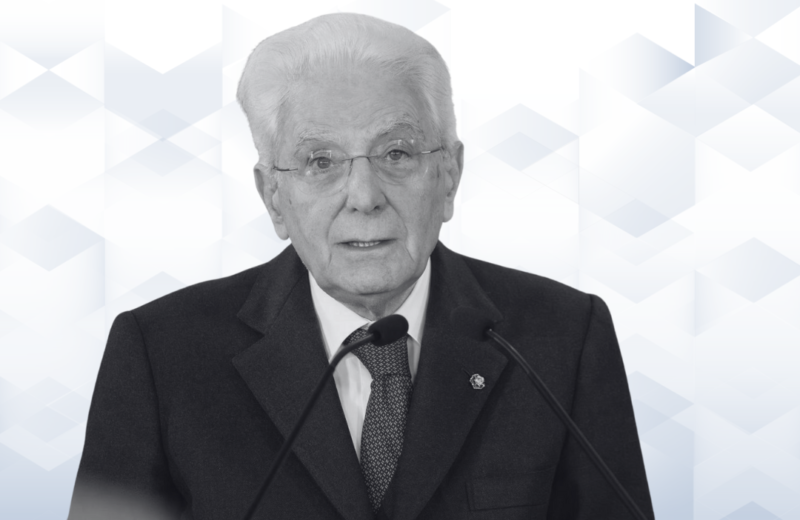
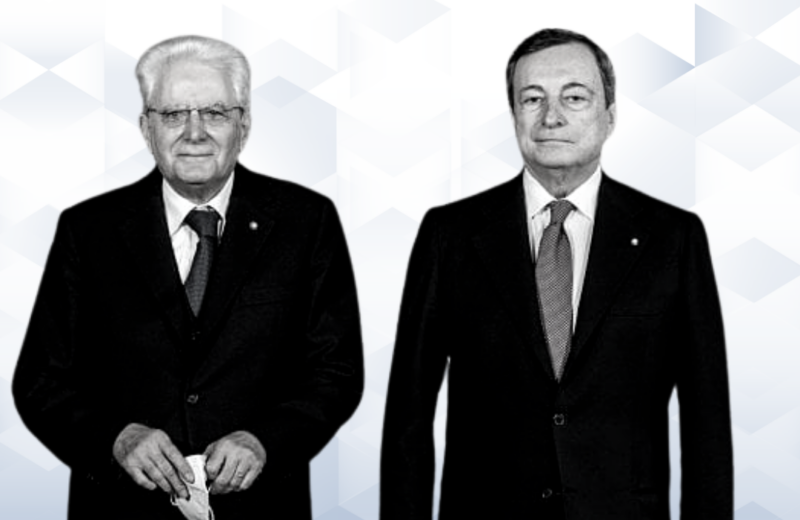
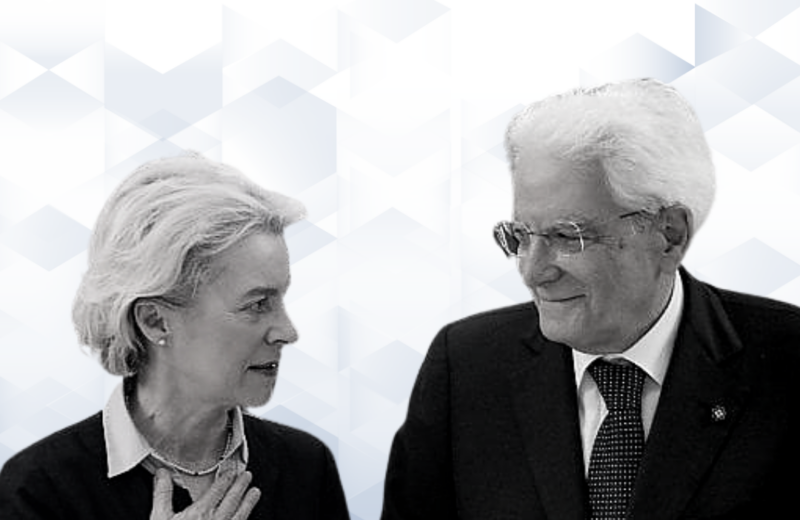
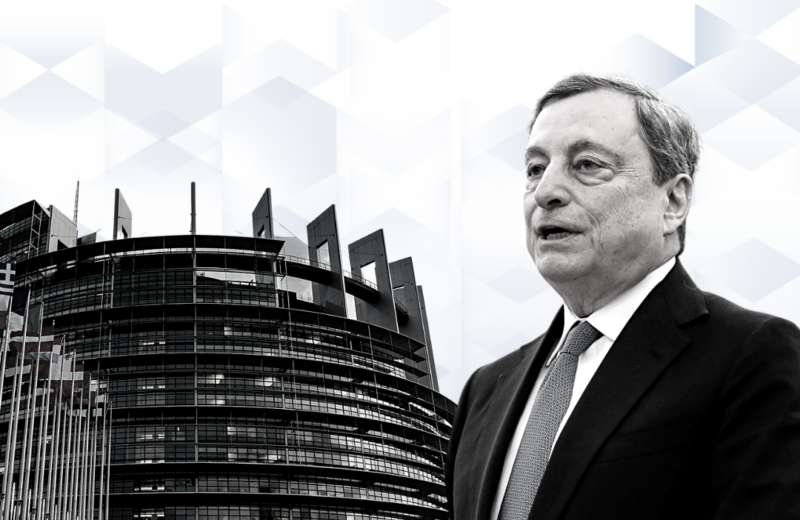
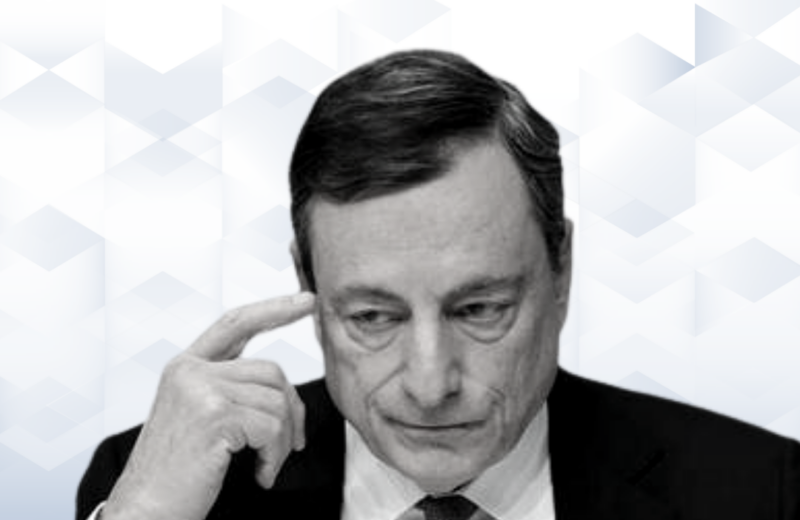
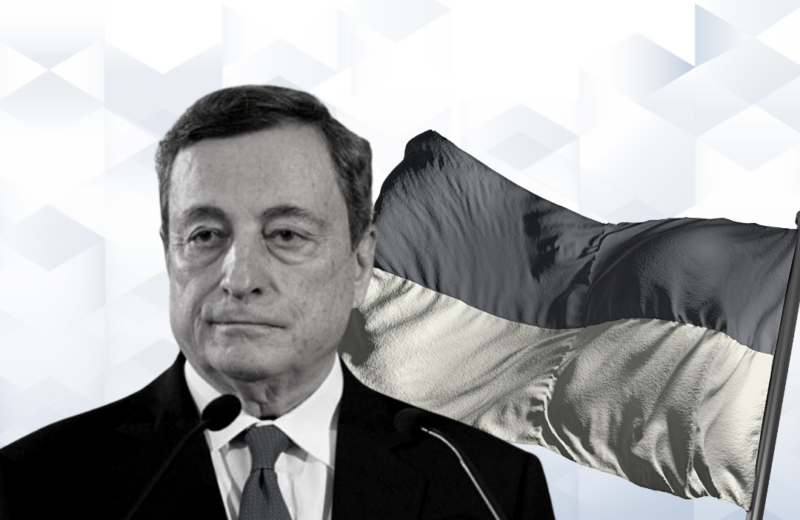
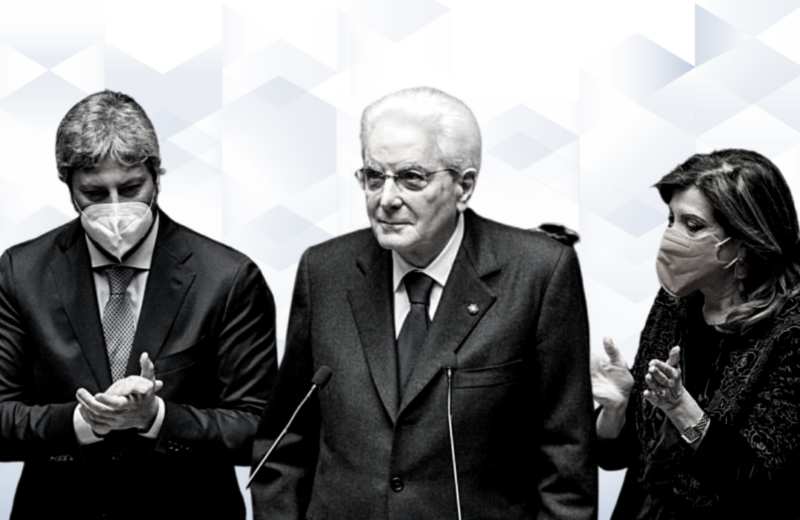
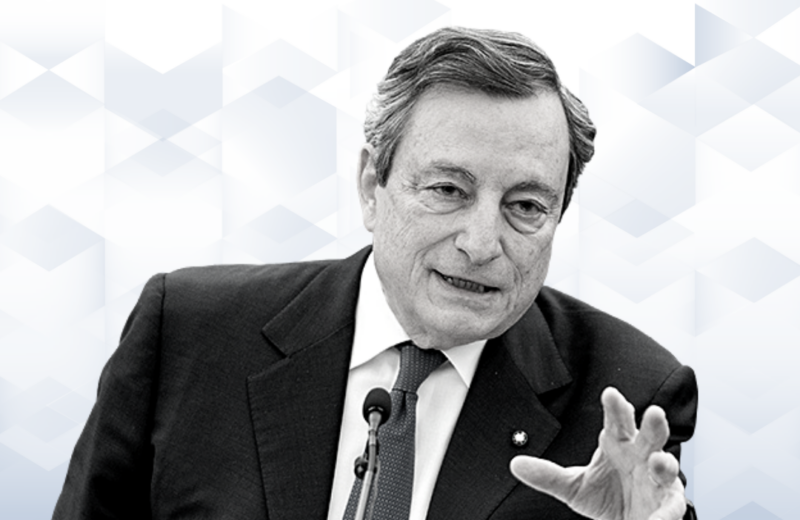
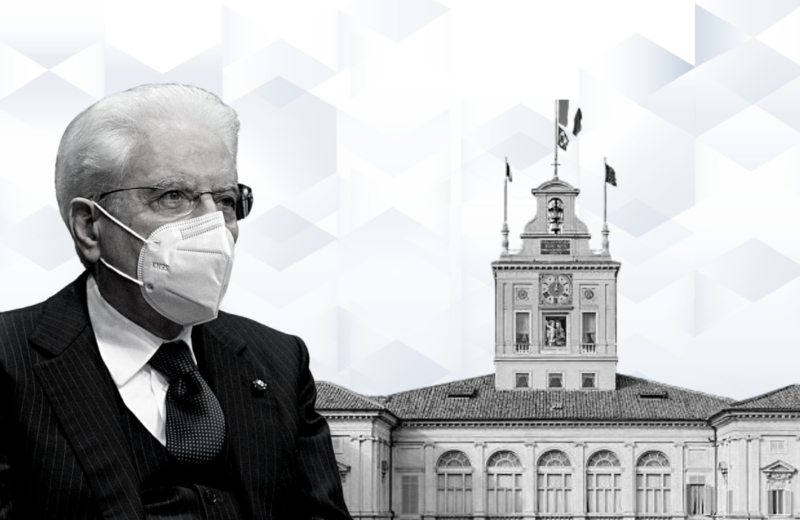
This leads us to Tuesday, when in Coimbra, Portugal, President Sergio Mattarella and former Prime Minister Mario Draghi took part in the 18th Cotec Europe Summit. The theme of the meeting was “A Call to Action” — one that echoes many similar appeals made in recent years, but that now, more than ever, seems to be finding fertile ground to turn into concrete steps. This time, the effort appeared more focused: the meeting of the heads of state of Italy, Spain, and Portugal amplified two wide-ranging policy papers — the Letta and Draghi reports — which now seem to serve as the technocratic reference points of the moment.
Mattarella brought his usual calm authority, invoking Puccini’s “Nessun dorma” as a call for Europe to remain vigilant. A reference that, more than lyrical, was meant as an appeal to clarity and collective action. Draghi, more technical but just as clear, stressed the need for a strategic “European cloud” — a kind of digital sovereign sky to secure data and, metaphorically, strengthen Europe’s geopolitical weight. Because, as the subtext implied, while the United States and China are racing ahead, Europe cannot afford to keep walking at its current pace.
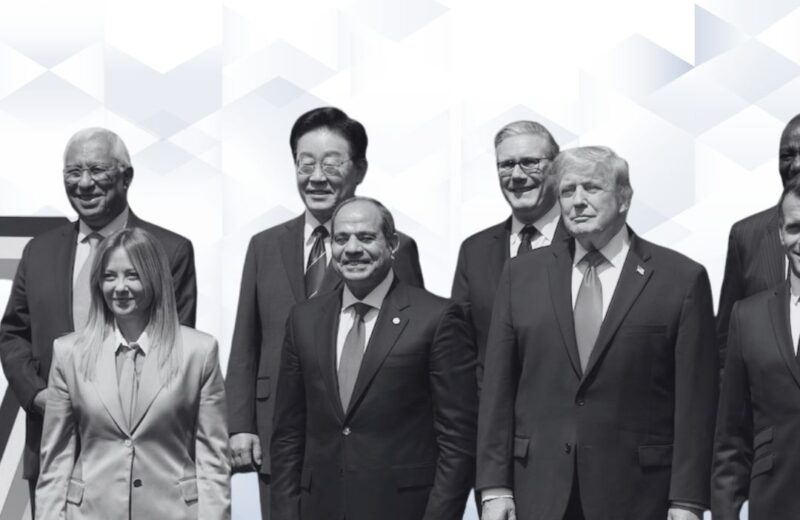
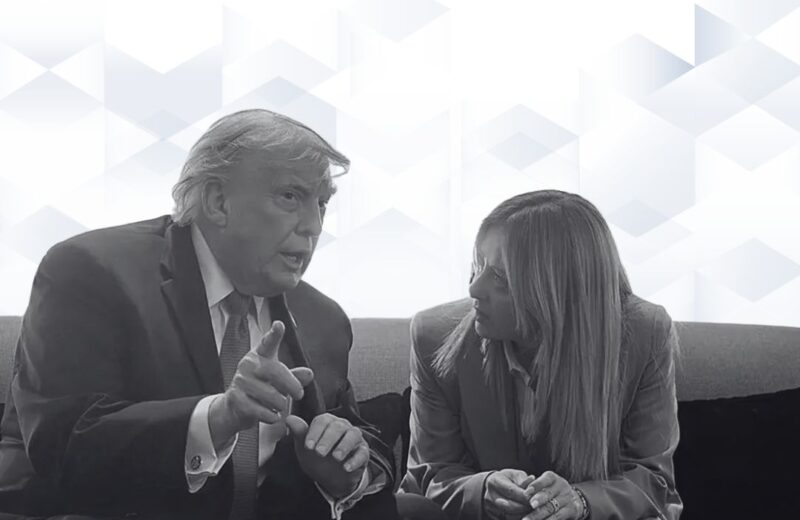
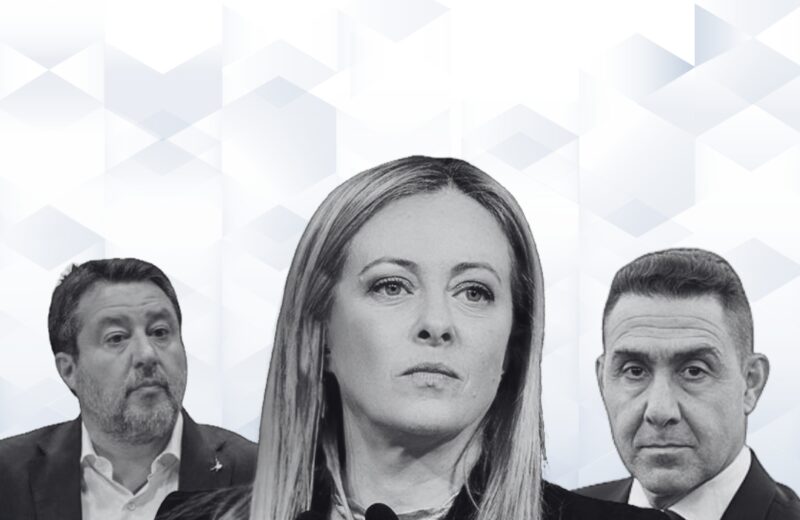
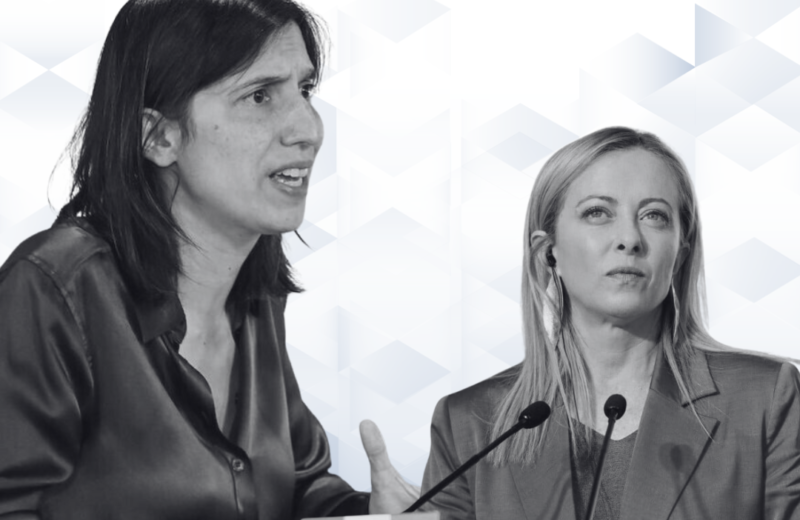
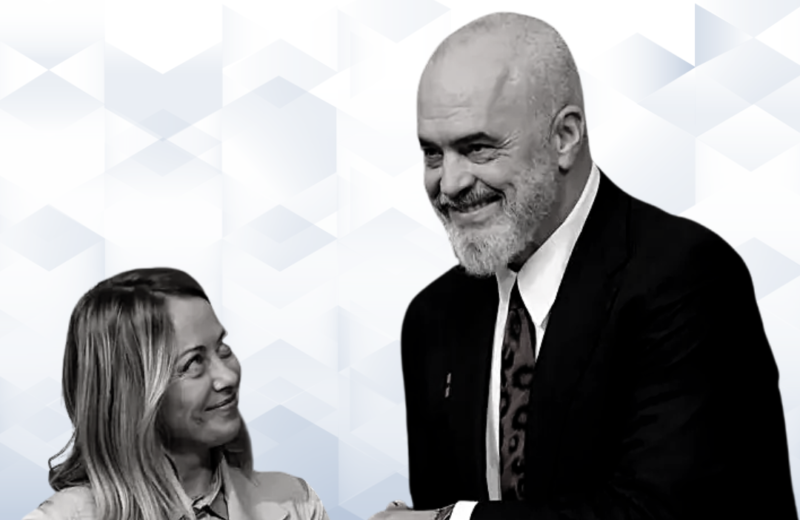
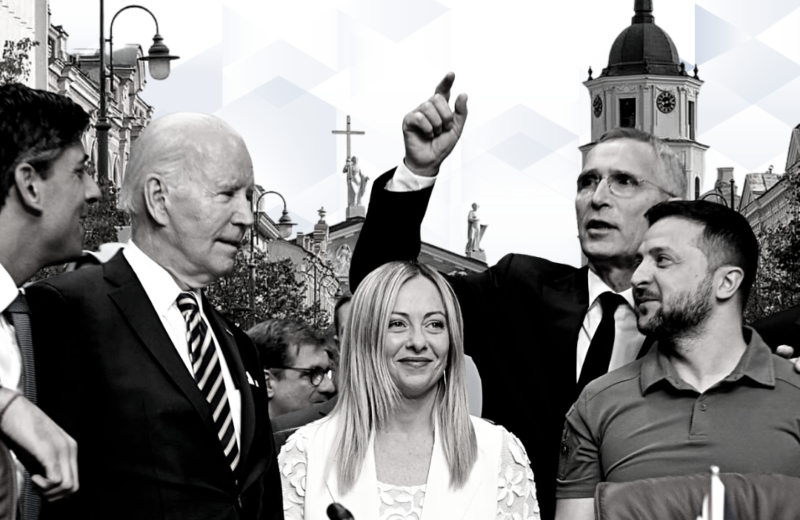
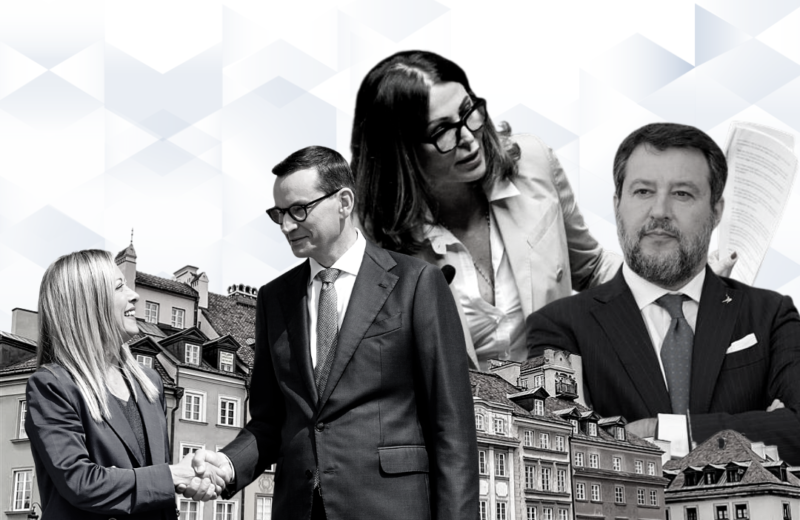
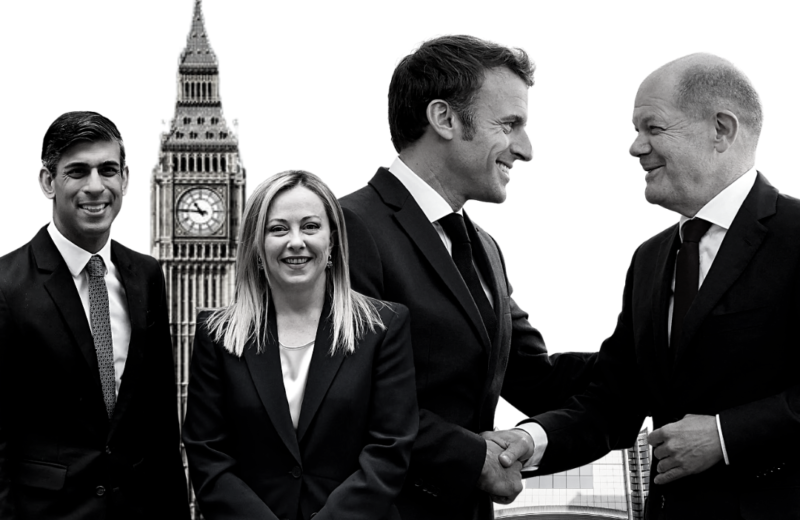
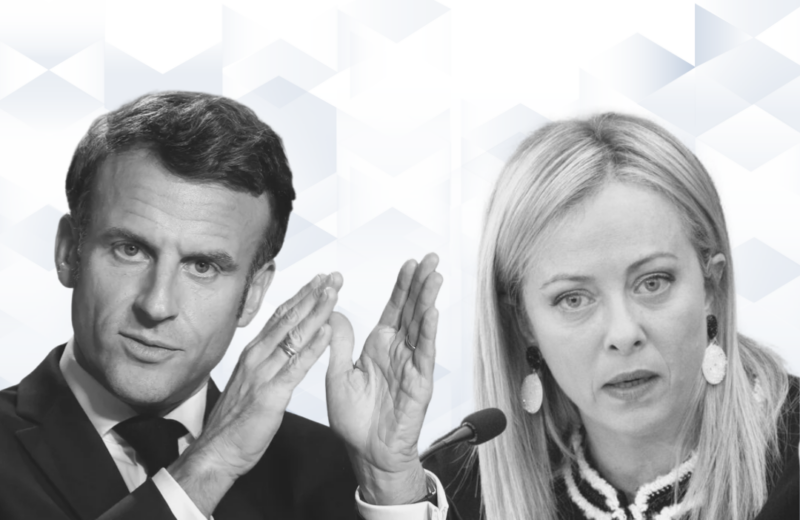
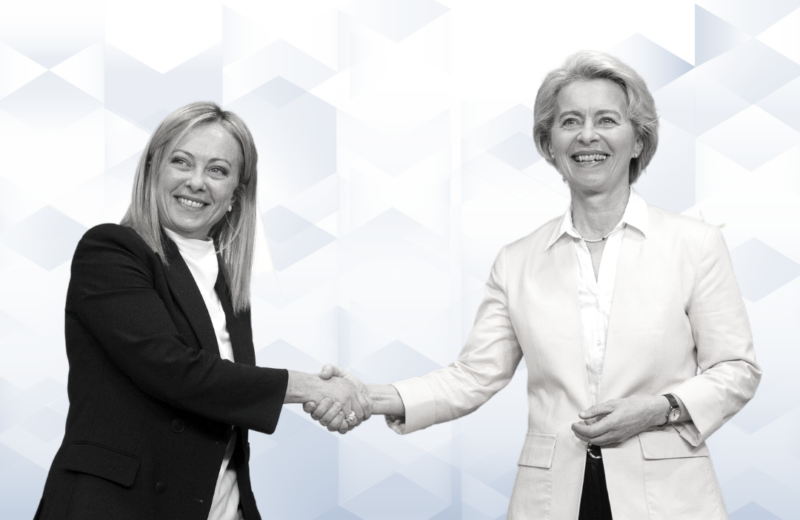
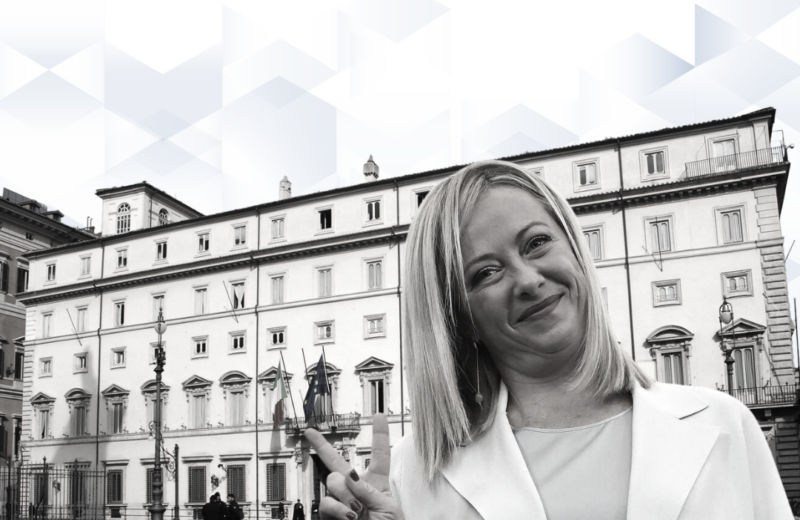
But the real political crossroads came on Friday in Tirana, where the sixth summit of the European Political Community took place. A still relatively young initiative, but one that already gathers 47 leaders from EU members and partner countries beyond the Union’s borders. They meet regularly to discuss the future, fully aware that challenges tend to arrive before solutions. Italian Prime Minister Giorgia Meloni attended with determination, addressing a range of topics from security to migration flows to the war in Ukraine. In particular, she reaffirmed the Italy-Albania migration protocol, which foresees the creation of reception centers on Albanian territory for migrants intercepted at sea. The plan has already sparked debate, but in the Balkan context it was presented as a model of pragmatic cooperation. Her bilateral meeting with Albanian Prime Minister Edi Rama had the tone of formal cordiality, though the underlying message was that of an Italian strategy seeking room to maneuver outside traditional EU channels — where Europe itself often hesitates.
Meanwhile, as Europe speaks with and about itself, other events are unfolding elsewhere. Also on Friday, Istanbul hosted a long-awaited but uncertain event: the first direct talks between Russia and Ukraine since 2022, under the — tireless and self-interested — mediation of Turkey. President Erdoğan once again offered himself as a neutral broker, hoping to eventually host a face-to-face meeting between Zelenskyy and Putin. For now, despite speculation, only delegations showed up: Ukraine sent Defense Minister Rustem Umerov, while Moscow responded with a lower-level team led by Vladimir Medinsky — the familiar face of negotiations that, at least for now, have yielded little. A genuine attempt at dialogue? Perhaps. A tactical move to buy time? More likely.