PNRR and COP30: Italy between European flexibility and new global equilibria
This week in Italian politics unfolded along two trajectories that, while belonging to different spheres, help shape the same strategic horizon: a country navigating an increasingly fluid and unpredictable international environment. On one side came the European Commission’s approval of Italy’s revised National Recovery and Resilience Plan (PNRR); on the other, the COP30 summit in Belém exposed a global landscape in which many of the certainties of recent years appear far less solid.
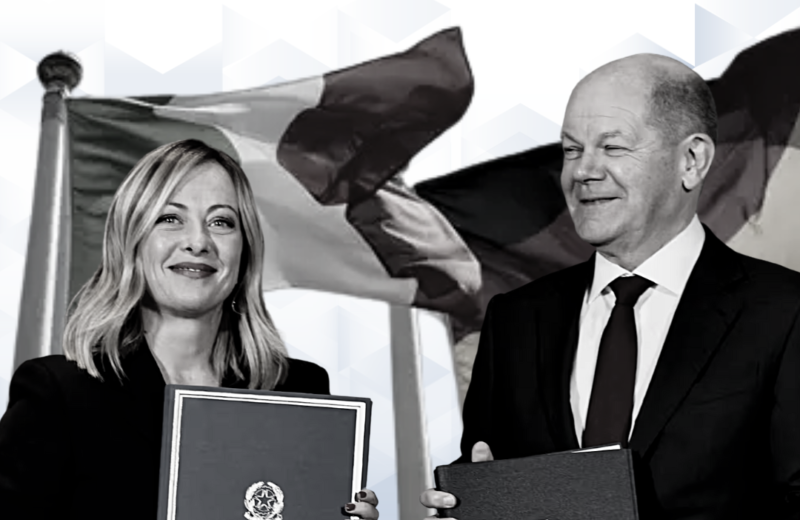
Brussels’ decision to endorse the updated PNRR is a significant achievement for the Italian government. Beyond the technical adjustments, it signals a political acknowledgment that a plan conceived in a different economic and geopolitical phase needed to be recalibrated. Inflation, the energy crisis and geopolitical tensions have reshaped priorities across the EU, and the Italian request for greater flexibility fits into this broader rebalancing. But every extra degree of freedom comes with heightened expectations: with more room to manoeuvre, Italy must demonstrate that European funds will not be diluted through delays or incremental tweaks lacking real impact.
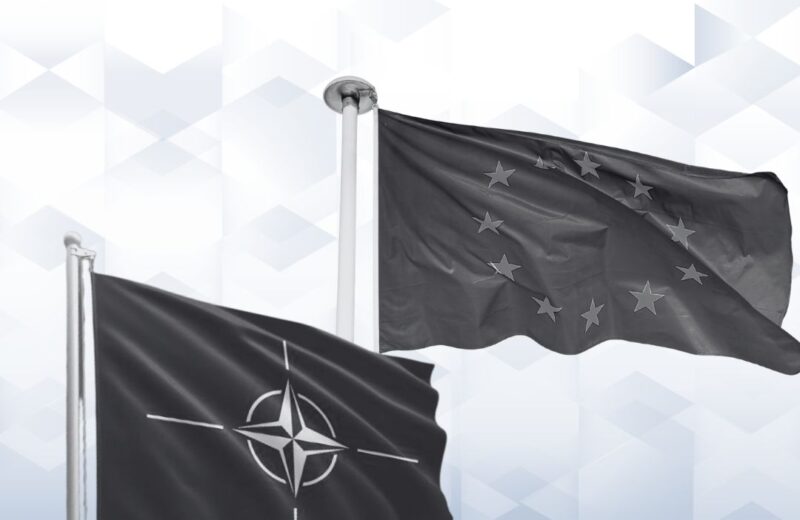
While the government secured breathing space in Europe, the global backdrop offered a more complex picture. At COP30, the EU appeared less cohesive and less of a driving force than in past climate negotiations, constrained by internal pressures and industrial challenges linked to the green transition. As noted by several observers, including The Guardian, this shift suggests a broader strategic retreat. Meanwhile, China used the occasion to present itself as a defender of international climate cooperation — a role that until recently seemed almost synonymous with the European Union.
For Italy, this reconfiguration of global climate politics is far from abstract. The debates unfolding in Belém touch directly on the same sectors influenced by the revised PNRR and the domestic budget: energy infrastructure, industrial transition, public investment and future competitiveness. The international context therefore becomes both a source of pressure and an opportunity. It pushes Italy to deploy its newly obtained flexibility in a more strategic way, while also offering potential space to redefine its position at a time when no actor — not even Brussels — appears immovable.
What emerges from these dynamics is not a single narrative, nor a straightforward conclusion. Instead, it reveals a country operating within a more open system, where shifting equilibria mean that negotiating successes, such as the revised PNRR, coexist with global challenges requiring continuity, vision and adaptability.
At the centre lies a decisive question: how can Italy transform these European and international openings into concrete results for its economy and society?
The answer will depend not only on what happens in Brussels or Belém, but on Italy’s ability to connect these two dimensions without merely reacting to them—using both the flexibility gained at the European level and the evolving global landscape as levers for action rather than as constraints.