Italy Tested by the New International Balances
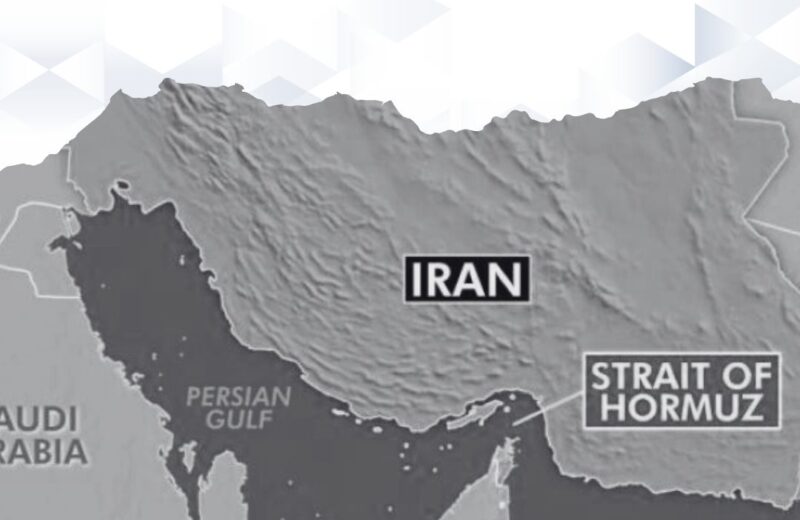
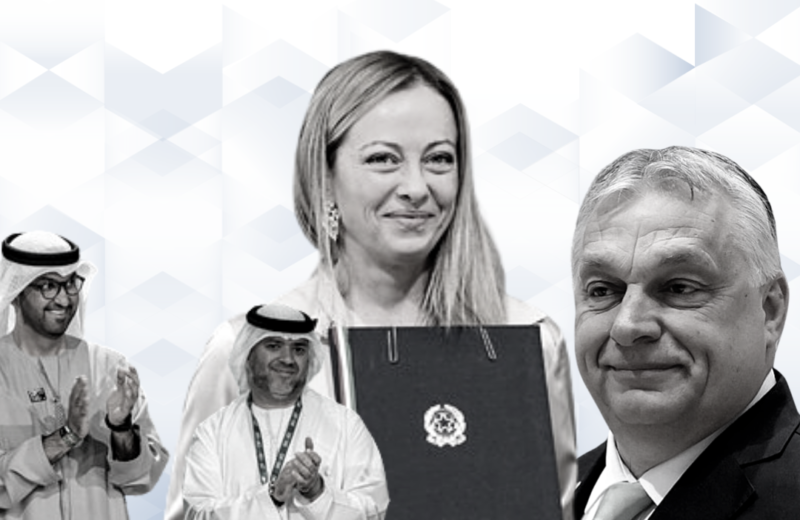
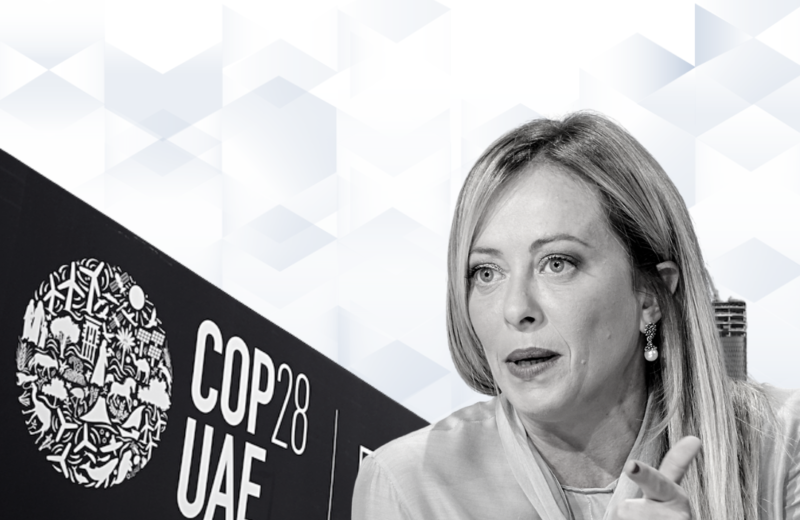
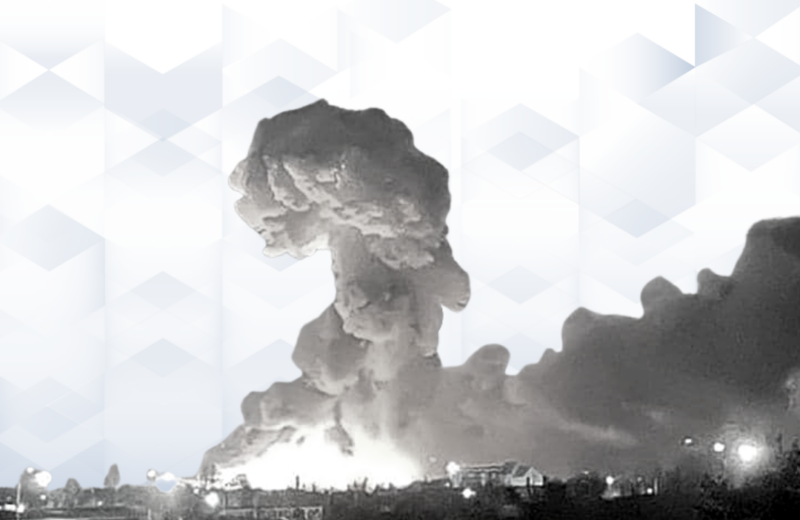
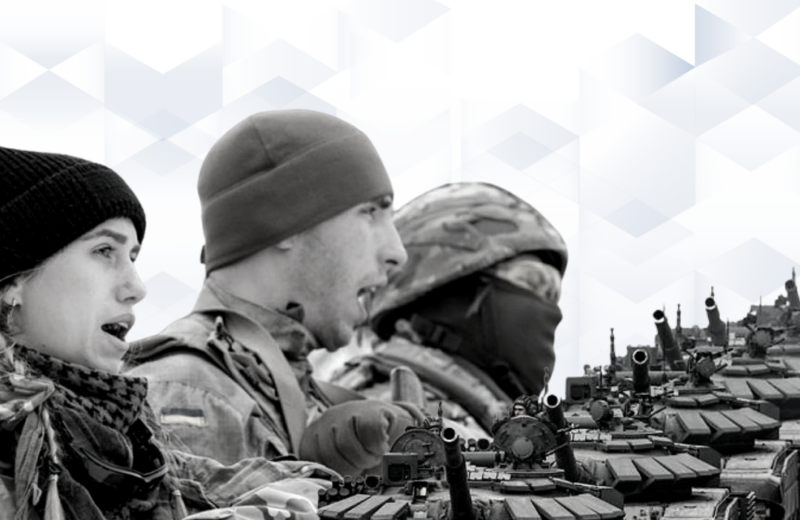
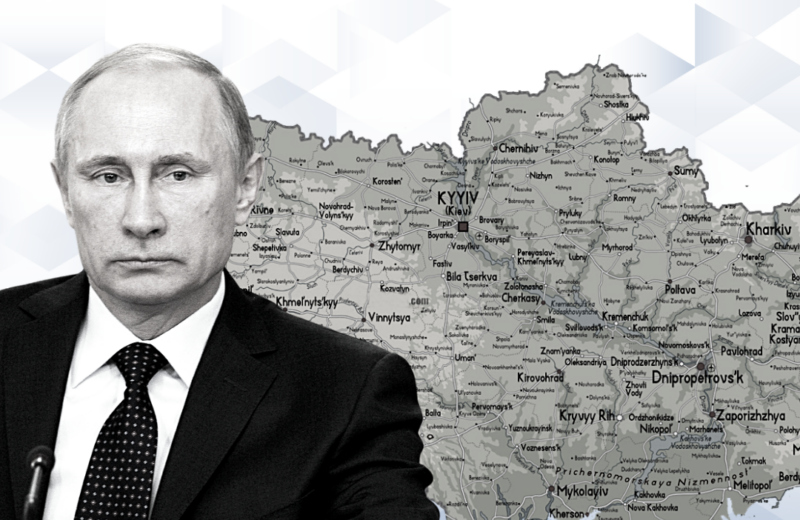
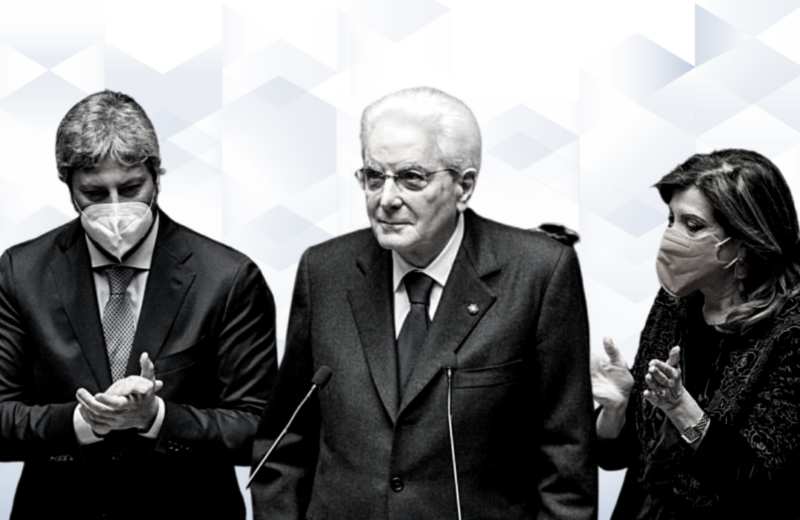
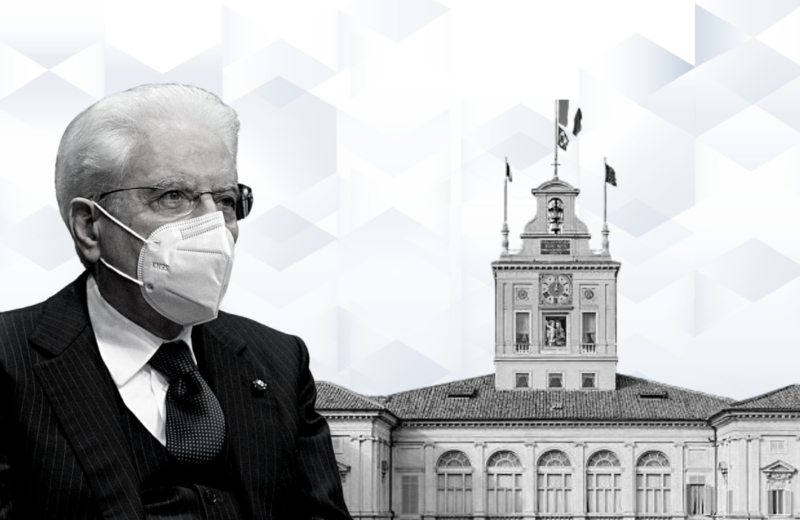
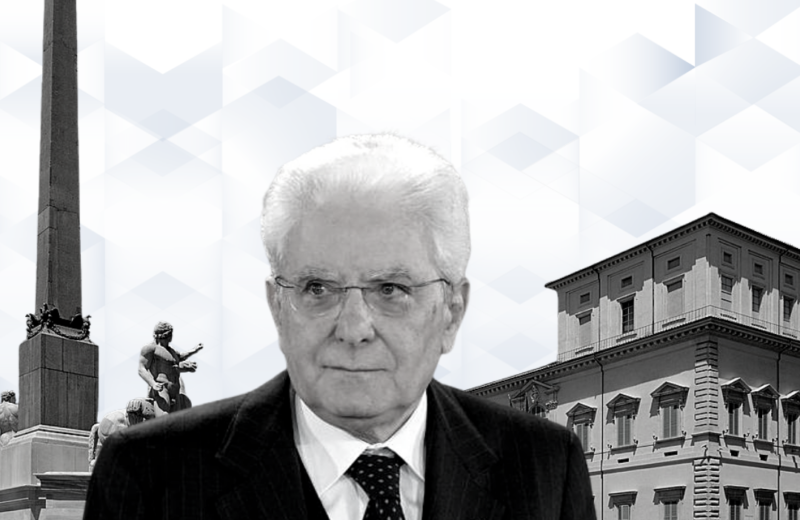
The Italian political and economic landscape of recent days presents the image of a country required to confront an increasingly unstable international context, in which foreign policy choices, economic resilience and the value dimension have become inseparable. In this sense, the President of the Republic’s visit to the United Arab Emirates represented far more than a routine institutional mission: it signaled a strategy that looks to the wider Mediterranean and the Gulf as central hubs for energy, investment and stability, at a time when Europe is being called upon to diversify its relationships and supply chains. The strengthening of dialogue with Abu Dhabi fits into a phase of geopolitical transition in which Italy seeks to carve out a bridging role, leveraging institutional credibility and economic diplomacy, while global competition increasingly undermines the illusion of linear and secure value chains. In the background, the international situation continues to generate long waves that reach as far as Rome. In the United States, social tensions flaring up again in Minneapolis reopen a never-healed fracture, showing how American domestic instability remains a systemic risk factor even for its allies, especially in an election year that promises polarization and uncertainty. At the same time, the conflict in Ukraine remains a war of attrition that weighs on European economies more heavily than is often acknowledged, through energy costs, rising defense spending and the redefinition of industrial priorities, while the Iranian dossier continues to represent a potential regional detonator, capable of influencing commodity prices, trade routes and global security. Within this framework, Italy moves with a cautious yet aware posture, forced to read security, economy and foreign policy together, without any remaining separation between spheres. The Day of Remembrance, marked during these same days, added a further level of reflection, reminding us that history is not a ritual exercise but a key to interpreting the present. The call to collective responsibility, to the fragility of democracies and to the need to defend values and institutions takes on particular significance in a phase marked by the return of conflicts, the normalization of violence and the temptation of identity-based simplifications. Holding together memory and current affairs means recognizing that today’s choices, from international alliances to economic policies, have long-term consequences and that stability is never guaranteed. The week thus draws to a close with a common thread linking diplomacy, global crises and historical awareness: Italy is called upon to navigate a more unstable international system, relying on institutional credibility, mediation capacity and awareness of its role, at a time when the boundary between domestic politics and the global order has become increasingly thin.