Between Washington and Brussels, the New Phase of the Transatlantic Relationship
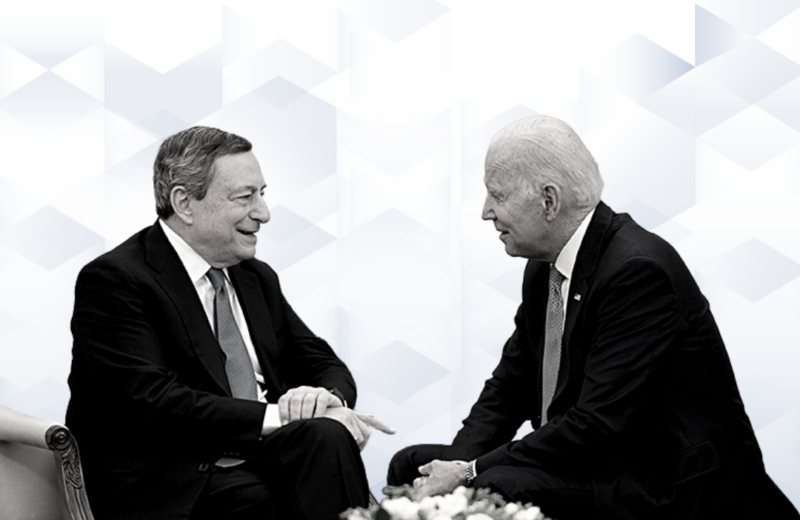
The week ahead offers a clear picture of the direction the relationship between Europe and the United States is taking. On one side, the entry into force of the Turnberry trade agreements; on the other, the NATO Summit in Ankara on July 7–8. Although they concern different areas, these two developments reflect the same broader shift: the transatlantic partnership is entering a new phase in which trade, security and industrial policy are increasingly becoming part of a single strategic framework.
The Turnberry agreements are an attempt to bring months of trade tensions between Washington and Brussels back within a structured negotiating framework. Sensitive issues remain unresolved, from digital taxation and the automotive sector to steel and strategic technologies, but the political message is clear: economic competition is no longer replacing cooperation—it is reshaping it. The United States and Europe continue to share fundamental interests, while becoming increasingly determined to protect their respective industrial and economic priorities.
The same dynamic is emerging in the field of security. The NATO Summit will not focus solely on higher defence spending, but also on Europe’s ability to strengthen its defence industrial base, strategic supply chains and technological innovation. Russia’s war against Ukraine, instability in the Middle East and strategic competition with China have made it increasingly evident that economic resilience and security can no longer be treated as separate issues.
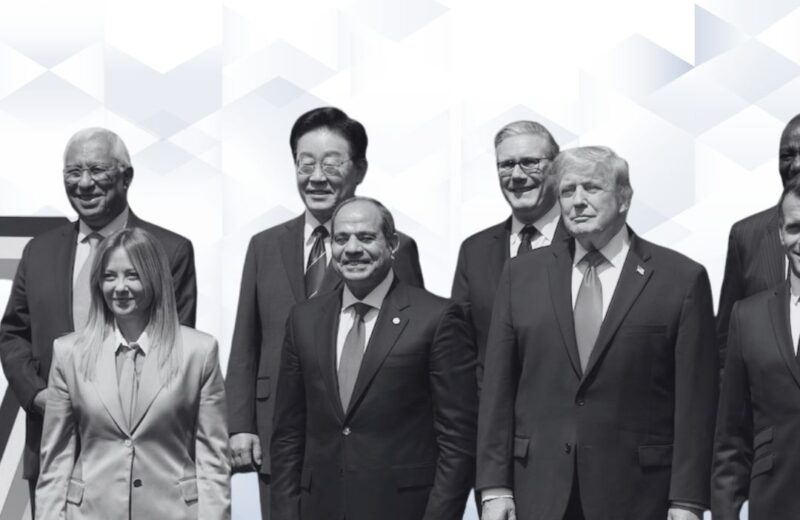
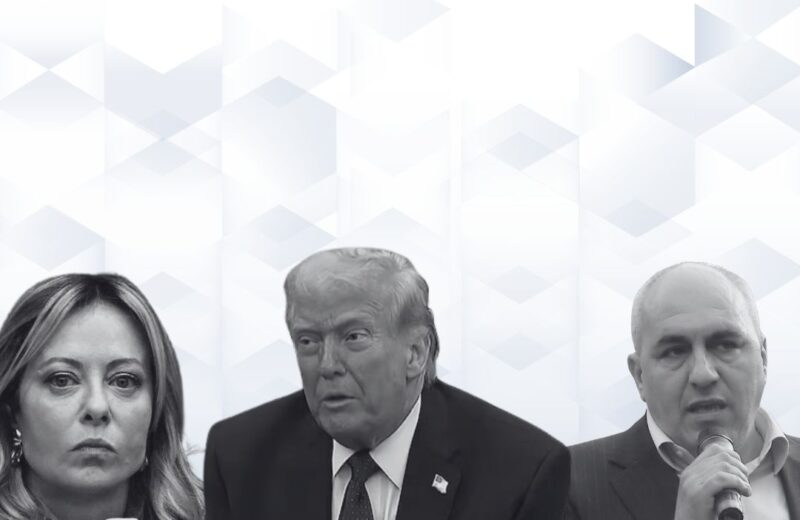
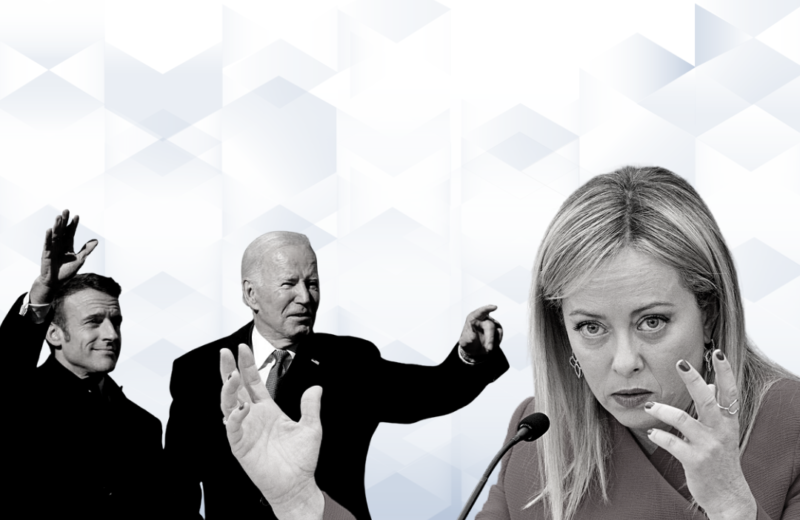
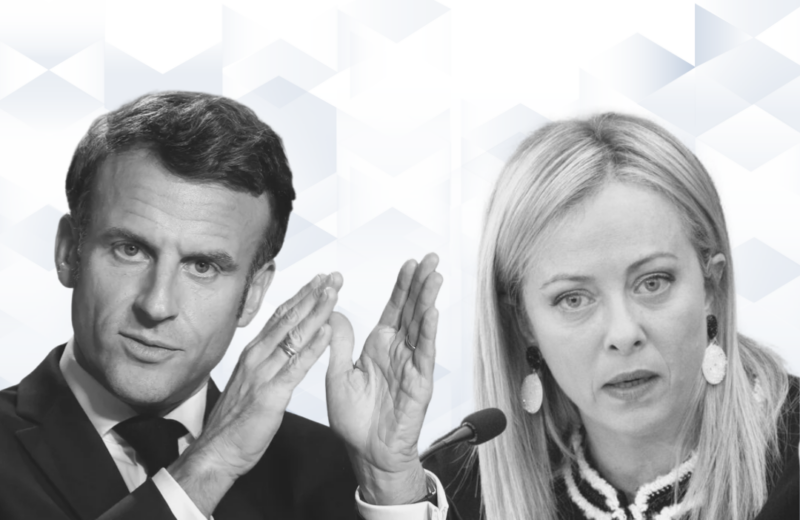
It is within this context that Italy’s position is also evolving. During the first years of her government, Prime Minister Giorgia Meloni built much of her foreign policy around a privileged relationship with Donald Trump, seeking to position Italy as a bridge between Washington and Brussels. Today, however, that landscape appears far more complex. Recent tensions between the White House and Palazzo Chigi have shown that personal diplomacy alone is no longer sufficient to manage a relationship increasingly shaped by economic, commercial and strategic interests.
As a result, the Italian government appears to have entered a second phase of its foreign policy, one in which strengthening Italy’s influence increasingly depends on its role within the European Union. Defence, industrial competitiveness, trade and security are now decisions shaped primarily in Brussels, and Rome is seeking to increase its negotiating weight there while preserving its longstanding strategic partnership with the United States.
The Turnberry agreements and the Ankara Summit therefore tell the same story. The transatlantic alliance is not being questioned, but it is evolving. Washington expects a more autonomous and more responsible Europe, while Brussels seeks to strengthen its strategic influence without weakening its partnership with the United States. For Italy, too, the challenge has changed. Rather than simply acting as a bridge across the Atlantic, it must now help shape the new balance of the transatlantic relationship.