Trump and Gaza: Ceasefire Achieved, but It’s Too Early for Euphoria
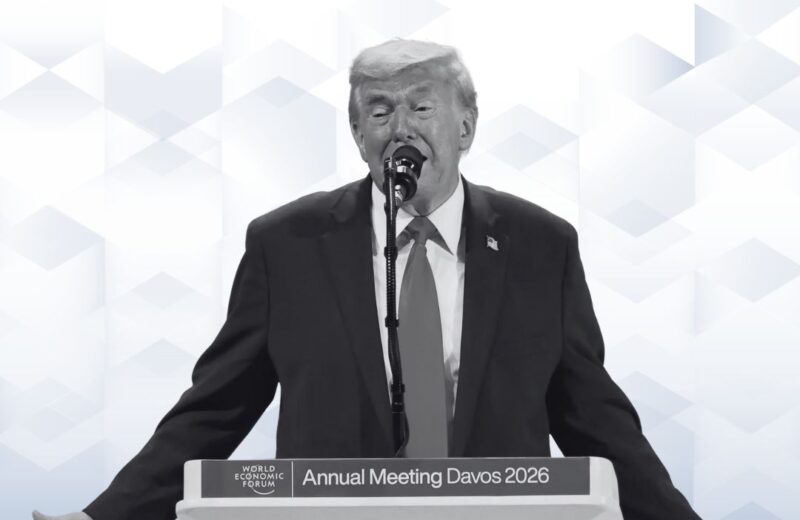
The ceasefire reached between Israel and Hamas is the result of weeks of maneuvers coordinated by Donald Trump and a small group of American and Arab negotiators. Rather than classical diplomacy, a strategy typical of the real estate sector was applied: get a “yes” in principle, and deal with the details later. This method allowed them to overcome historical resistances, forcing Benjamin Netanyahu and the Hamas leadership to sign a text neither of them likely wanted to endorse so soon.
At the end of September, on the sidelines of the UN General Assembly, Trump met with representatives from Arab countries, Turkey, Pakistan, and Indonesia. From there, a 20-point plan, already discussed in the past but never formalized, circulated: the exchange of hostages and prisoners, a gradual withdrawal of the Israeli army, and the end of Hamas’ governance in Gaza. The difference wasn’t in the content, but in the determination with which the United States and regional partners pushed it forward, presenting the deal as a done deal and making it politically too costly to refuse.
Behind this operation was not only the president. Jared Kushner, Trump’s son-in-law and former architect of the Abraham Accords, returned to the center of the scene, along with Steve Witkoff, a trusted negotiator and New York real estate mogul. It was their “real estate” approach that shaped the process: aiming for broad consensus, postponing the details, and projecting optimism to make refusal politically unsustainable. Arab countries and Turkey contributed decisively with the idea of an “International Peace Council” headed by Trump for Gaza’s reconstruction.
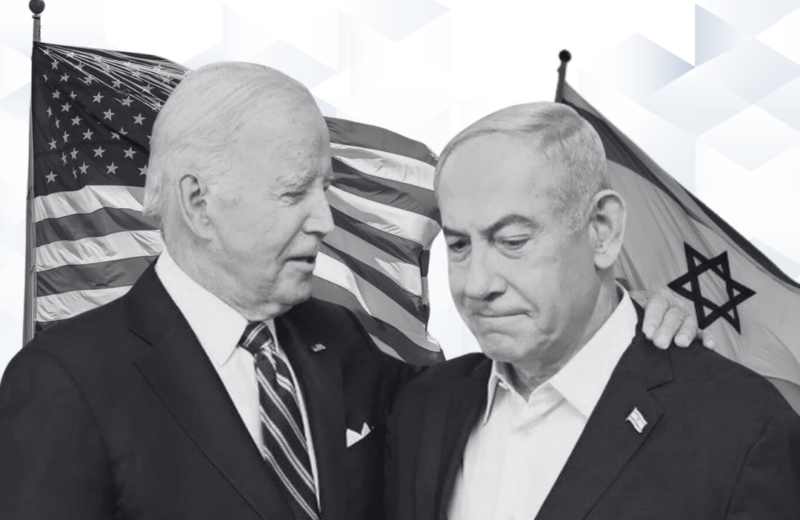
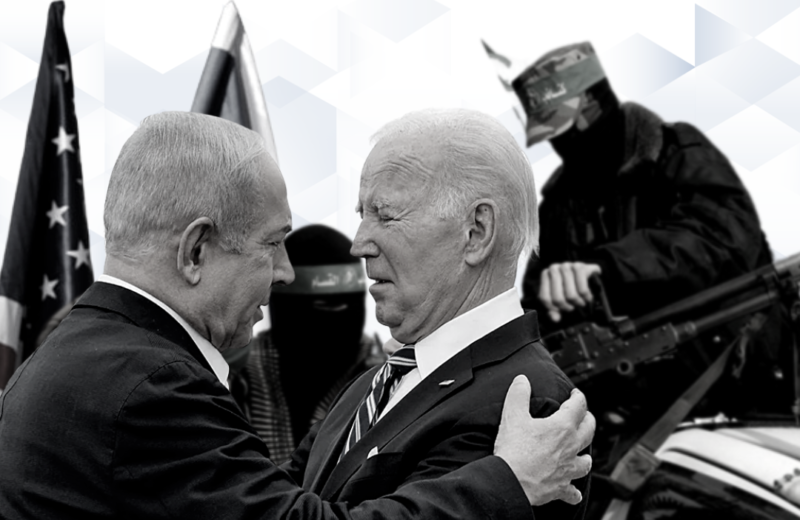
On the political front, the balance seems contradictory. Trump can claim a symbolic triumph that strengthens his international image and even his aspirations for the Nobel Peace Prize. Netanyahu, meanwhile, comes out somewhat weakened, stuck with an agreement he likely wouldn’t have signed without American persuasion. Hamas, while still under observation, achieves a significant result: the release of thousands of prisoners and the ability to survive politically in the aftermath of the conflict.
However, one thing must be made clear: the war seems to be on pause, and this is, at a higher level, a victory on all fronts. How we got to this point matters less at this moment.
Yet, more discerning observers warn against euphoria. The agreement concerns only “phase one”: ceasefire, prisoner exchange, partial withdrawal. Critical issues remain open, including Hamas’ disarmament, Gaza’s reconstruction, and the future governance structure. The risk is that the deal could prove to be a fleeting success, destined to collapse as the real issues take center stage again.
The precedent from January, when a ceasefire negotiated by Trump collapsed within weeks, remains a cautionary tale. If “phase two” fails, the plan risks being remembered as a political spectacle rather than a real step towards peace. The agreement certainly represents a starting point, but not a definitive achievement. It is a long and complex process, with outcomes that remain highly uncertain. In this phase, caution is key, but it is now clear that after October 7, without a durable political solution to the Palestinian issue based on the two-state solution, peace and stability in the Middle East will remain a distant goal.