Between European Ambitions and New Internal Equilibriums: Phase Two of Italian Politics
Political phases rarely change overnight. More often, they evolve gradually, until a series of seemingly unrelated signals begin to tell a different story. That is what appears to be happening in Italy today. While the government continues to benefit from a level of stability that has become a positive anomaly in the Italian political landscape, new dynamics are emerging that suggest the country is entering a new phase. One in which the challenge is no longer simply to preserve political support, but to transform that support into influence, both internationally and within the governing coalition itself.
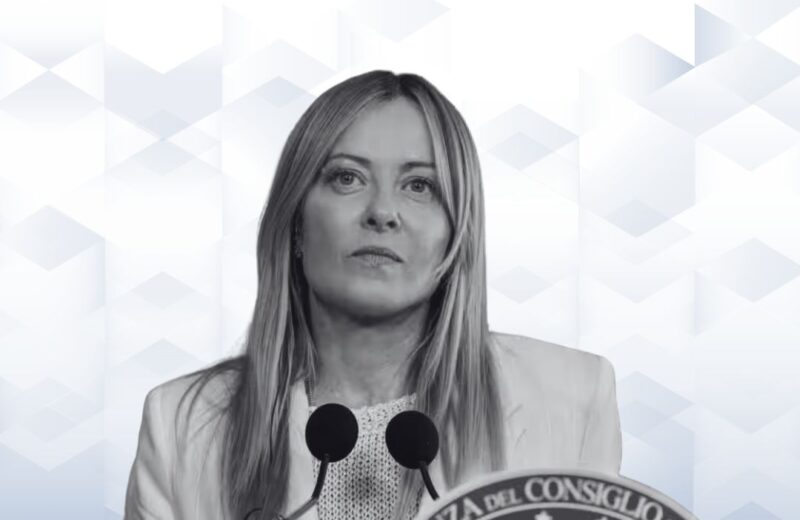
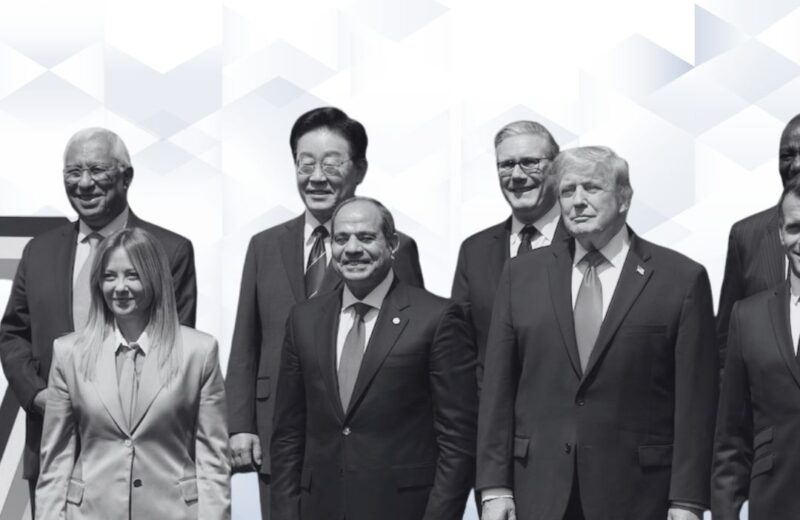
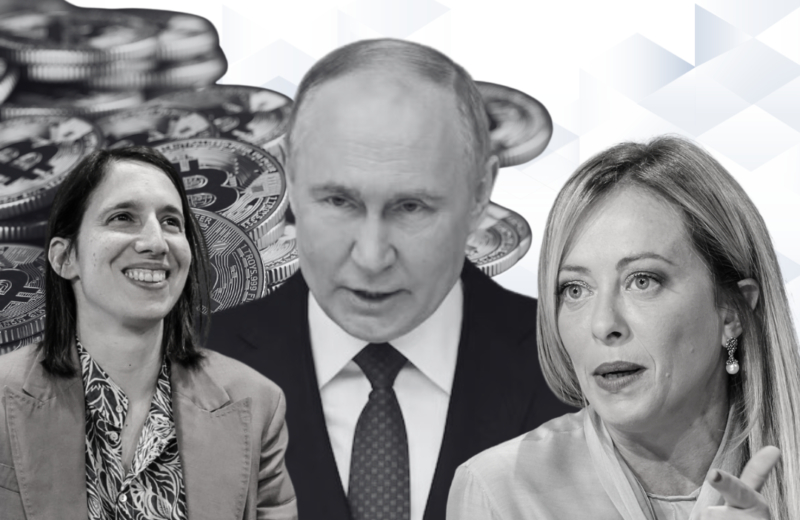
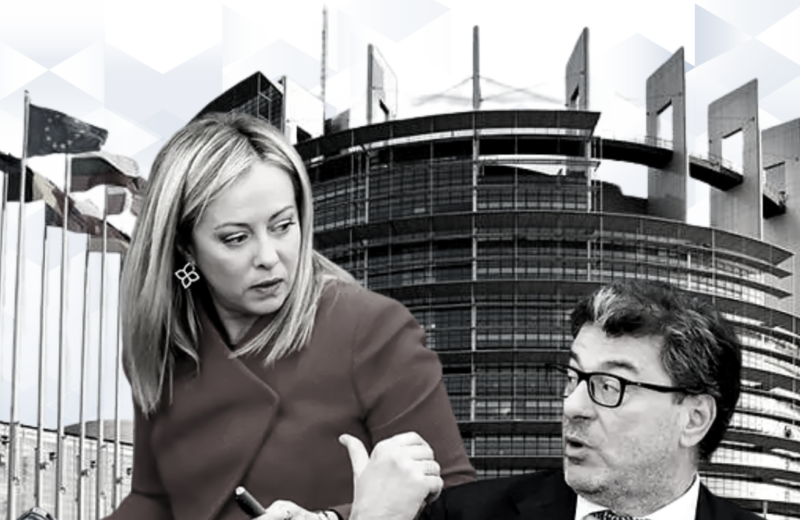
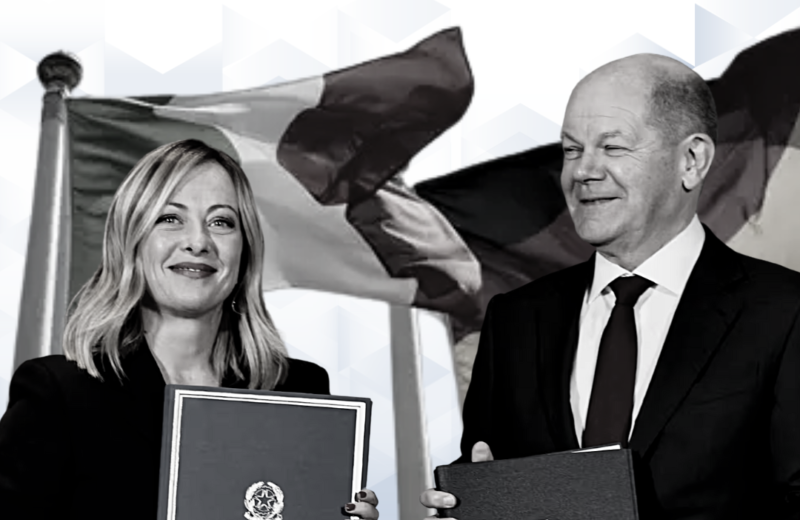
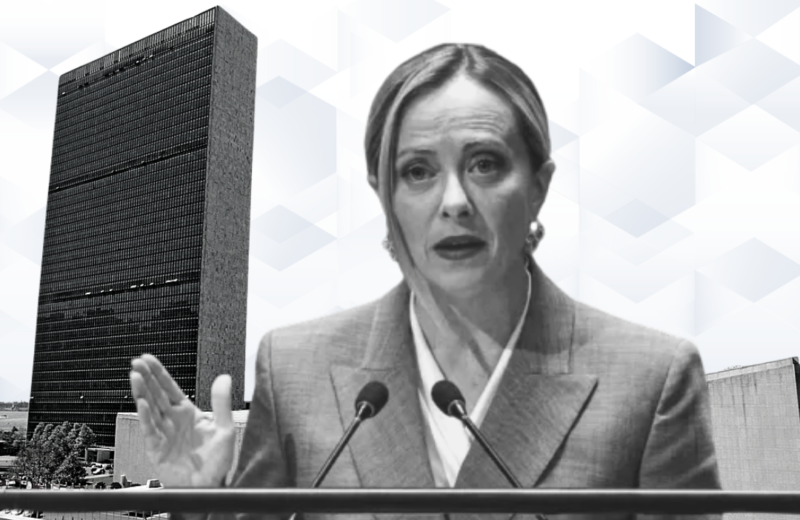
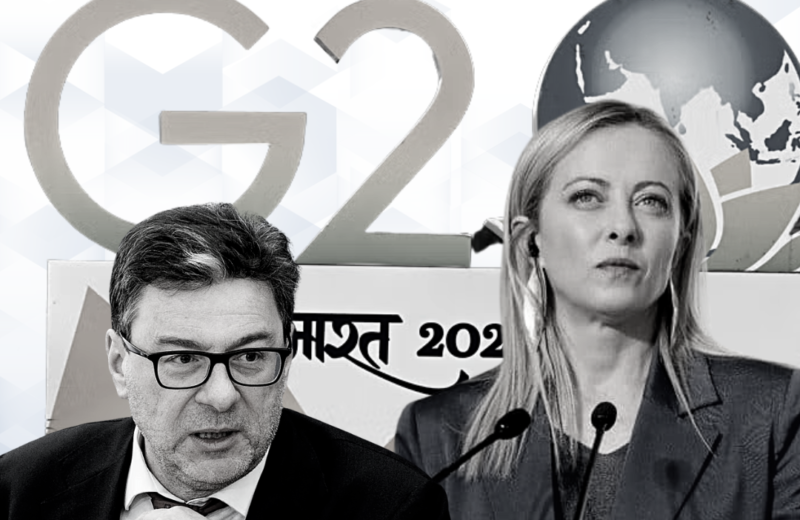
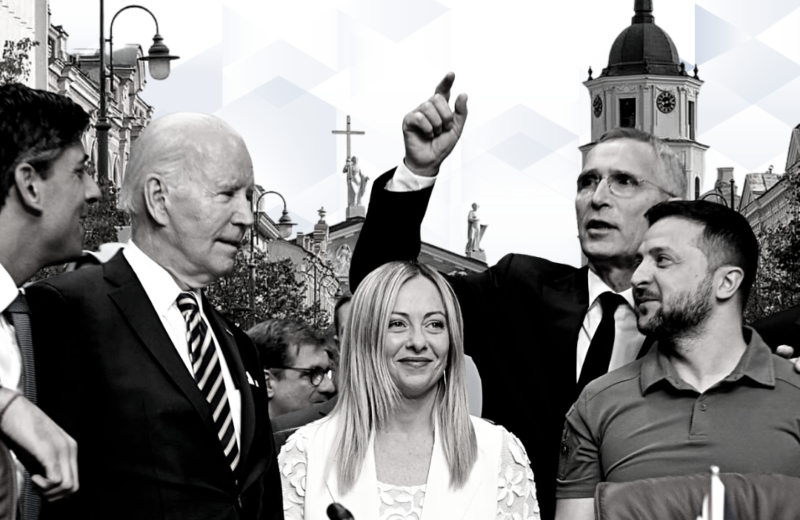
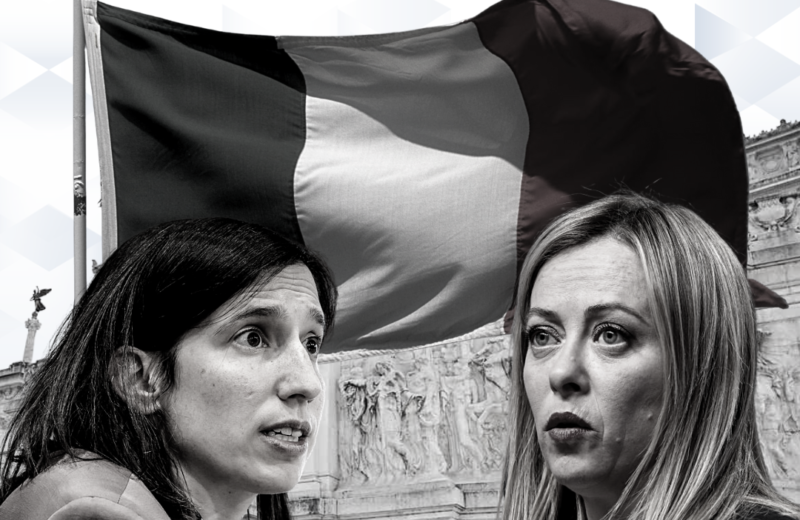
Giorgia Meloni’s recent positions on Europe’s role in major international affairs should be viewed within this broader context. Her call for the European Union to speak with a single voice in negotiations over the war in Ukraine and other major geopolitical crises is not merely a diplomatic issue. Behind the debate over negotiation formats and Italy’s participation in restricted decision-making groups lies a more ambitious objective: increasing Italy’s political weight at a time when security, defense, energy, and international relations are once again at the center of the European agenda.
The issue extends far beyond foreign policy. In a context shaped by international uncertainty, the ongoing war in Ukraine, tensions in the Middle East, and the redefinition of relations between Europe and the United States, the ability to influence decision-making processes also becomes an economic asset. Major decisions regarding energy, industrial investment, common defense, and European competitiveness will be closely tied to emerging geopolitical balances. For this reason, the game Rome is playing is not simply about representation, but about relevance.
This marks a significant shift from the approach that characterized much of Italian politics in recent years. During the government’s initial phase, the primary objective was to consolidate international credibility and reassure allies and markets. Today, however, a different strategy seems to be taking shape: moving from being a reliable partner to becoming a recognized protagonist. It is a transition that inevitably brings greater responsibilities, but also greater expectations.
At the same time, developments are unfolding on the domestic front. After nearly four years in office, the center-right coalition is entering a dynamic that has accompanied many European governments that have remained in power for extended periods. Once the immediate pressure of electoral alternation fades, competition tends to shift progressively within the governing coalition itself. Tensions are no longer focused exclusively on the opposition but increasingly on the redistribution of political space among the coalition’s various factions.
In this respect, the growing visibility of Roberto Vannacci represents an interesting signal. Beyond electoral numbers and future prospects, his emergence highlights the existence of a political space seeking to position itself to the right of Brothers of Italy on issues such as national identity, immigration, relations with Brussels, and sovereignty. More than an immediate challenge, it serves as an indicator of ongoing transformations within the conservative electorate.
This is where the international and domestic dimensions begin to overlap. The more Meloni strengthens her institutional profile and her role within Western political structures, the greater the possibility that a portion of the more radical electorate will seek alternative points of reference. This dynamic has been observed in several European countries: governments naturally tend to moderate their positions when confronted with the constraints of governing, while new political actors attempt to occupy the spaces left behind.
The real issue this week, therefore, is not simply Italy’s role in Europe or the rise of new figures within the conservative camp. Rather, it is the fact that Italian politics appears to be entering a different phase from the one experienced in recent years. A phase in which stability is no longer the objective to be achieved, but the starting point from which to build greater international influence while managing new forms of internal competition.
The government now faces a more complex challenge than the one it has confronted so far. On the one hand, it must demonstrate that Italy can aspire to a more central role in major European decisions. On the other, it must maintain cohesion within a governing coalition that is inevitably beginning to experience the tensions generated by a prolonged period in power. It is within this dual tension—between external ambition and internal balance—that a significant part of Italy’s next political season will be shaped.