Flotilla for Gaza: the reflection of a global crisis that Europe struggles to manage
The story of the “Flotilla for Gaza” has sparked widespread international debate, highlighting the difficulties the global community faces in finding a definitive solution to one of the longest-standing crises in contemporary geopolitics. The action of activists from various countries, who attempted to break the naval blockade imposed by Israel on the Gaza Strip, fits into a complex context where political dynamics, security, and international law intersect.
Over 450 activists, including 46 Italians, were arrested by Israeli authorities, who justified their intervention as a necessary measure to safeguard national security, preventing the entry of materials that could end up in the hands of Hamas. For the activists, on the other hand, the mission had a primarily humanitarian significance, aiming to draw international attention to the dire situation in Gaza and break the isolation that condemns approximately two million Palestinians.
From a geopolitical perspective, Israel maintained a firm stance, reiterating that no attempt to breach the naval blockade would be tolerated, as it was considered a threat to its national security. Israel’s strategy is based on the belief that, without strict control, weapons and sensitive materials could end up in the hands of Hamas, putting the country’s stability at risk. This approach, while ensuring consistency in Israeli defense policy, also contributes to consolidating Israel’s image as a state that refuses any form of international compromise, despite the pressures and requests from Western public opinion.
Reactions across Europe have been equally divided. Countries like Spain and Ireland expressed strong solidarity with the activists and the Palestinian cause. Ireland, in particular, has historically supported Palestinian rights and has seen active participation from both its institutions and civil society in favor of greater human rights involvement in Gaza. On the other hand, France and Germany took a more balanced position, emphasizing the importance of supporting Israel’s security while raising concerns about the humanitarian situation in Gaza and the need for a negotiated political solution. These countries, while not directly condemning Israel, have called for more attention to human rights issues. Meanwhile, countries like Poland and Hungary, traditionally closer to Israel, have strongly supported the legitimacy of Israel’s defense actions, avoiding any criticism of the blockade or its implementation.
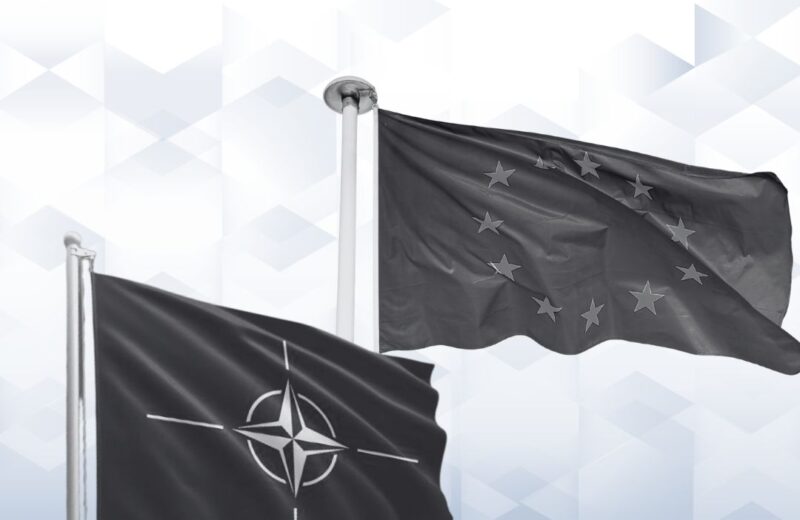
Within the European Union, it became evident that a unified stance was difficult to reach. While the European Council reiterated the importance of dialogue and diplomacy, the inability to take concrete and unified action exposed the internal divisions among member states. The European Union, despite protests and street demonstrations in its main capitals, remained paralyzed by the lack of a common foreign policy on Palestine and Israeli security.
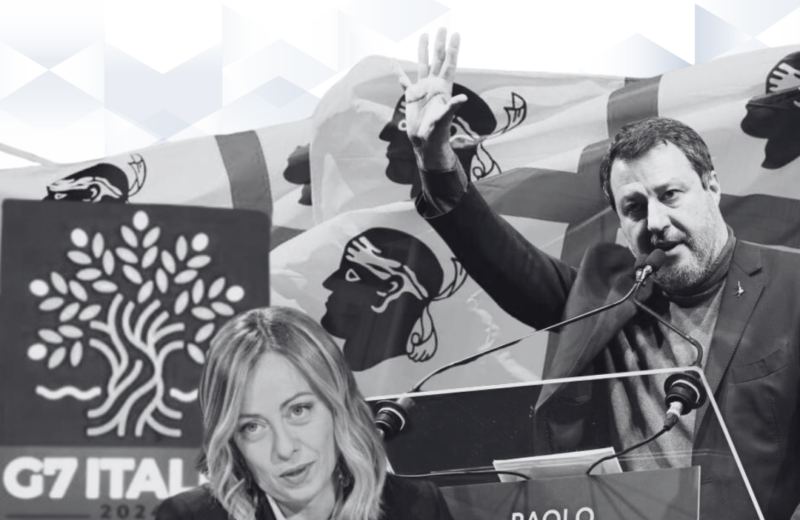
In Italy, the issue sparked a lively political debate. The government reaffirmed its support for Israel and its legitimate defense actions. However, opposition parties criticized this position, accusing the government of not taking a stronger stance on human rights and being too inclined to support Tel Aviv’s policies. The solidarity demonstrations that took place across Italy, while failing to translate into significant changes in national policy, nonetheless highlighted a growing civic awareness of the Palestinian issue.
In general, the Flotilla incident highlights the ongoing gap in international policies regarding Palestine and Gaza. Initiatives like the activists’ mission underscore the frustration of those who see no adequate responses from official diplomacy. Despite diplomatic mediation efforts by actors like the United States, the European Union, and other international players, the conflict remains unresolved, perpetuated by a constant cycle of political tension and violence. The recurrence of symbolic missions like this one shows how the Gaza situation is not only a geopolitical issue but also a matter of human rights that urgently needs to be addressed.
The Flotilla crisis, unfortunately, does not seem to signal the end of international division on the Palestinian issue. While Israel continues to defend its position, the international community is called to reflect on how to overcome political difficulties and find solutions that can lead to a more stable and peaceful future for the region. Without a credible political solution for the Palestinians and without more effective international intervention, the conflict will continue to represent one of the most challenging geopolitical issues of our time.