Work in Progress on New Balances
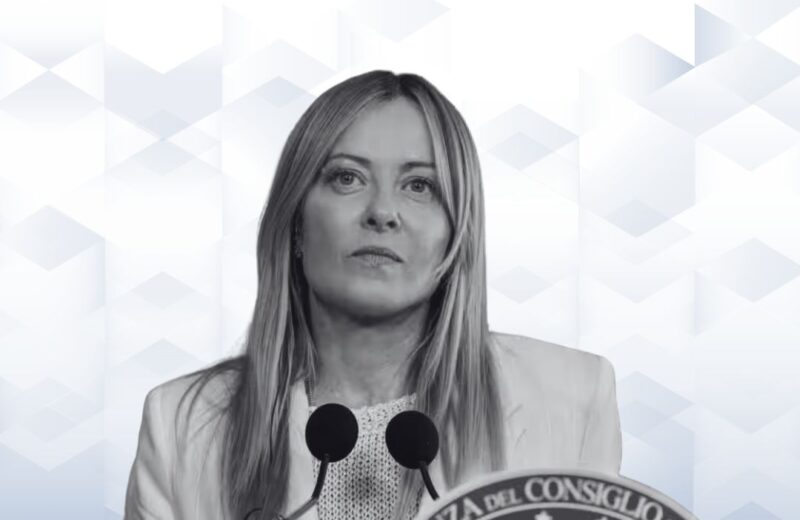
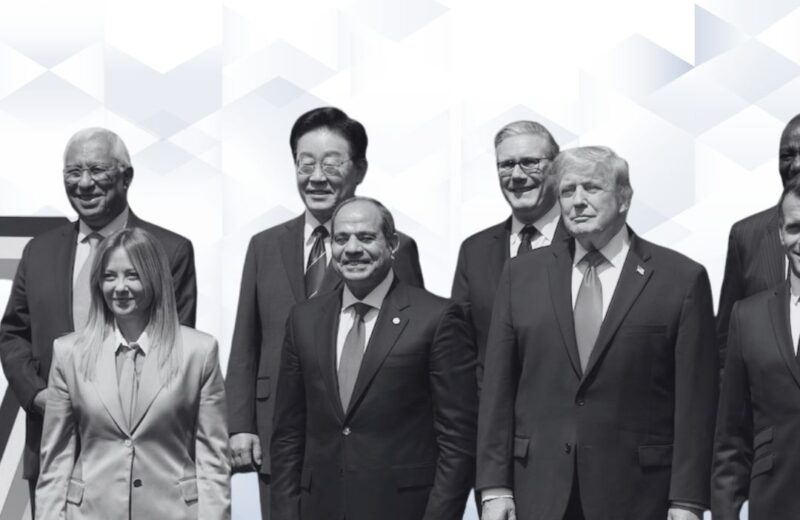
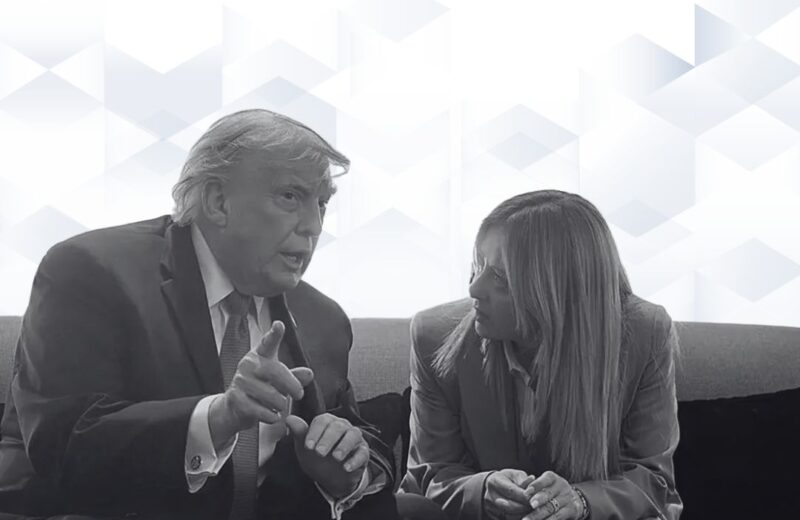
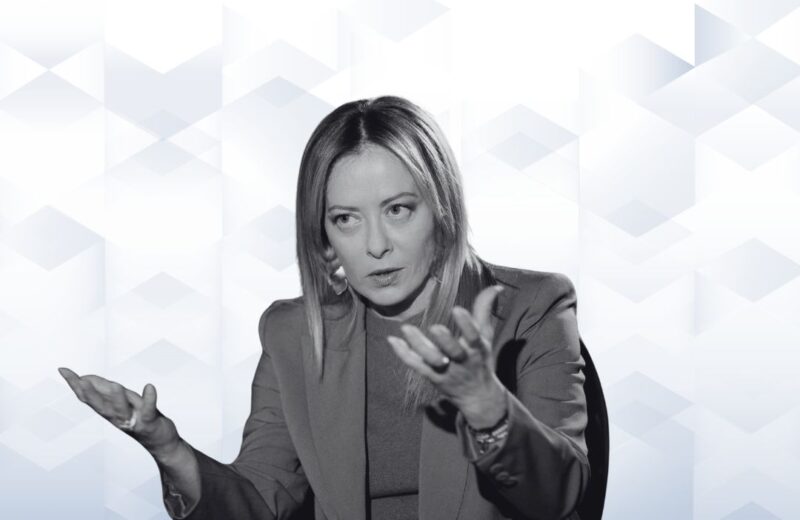
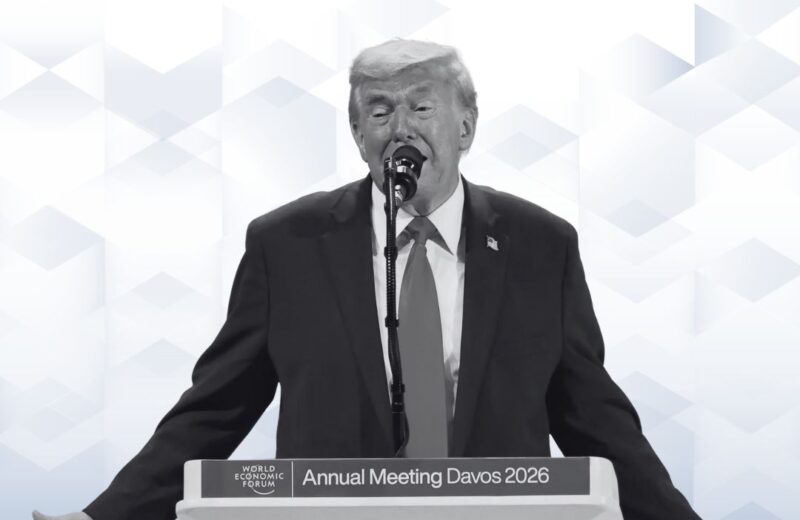
On October 13, 2025, Sharm el-Sheikh hosted the “Summit for Peace – Agreement to End the War in Gaza,” co-chaired by Donald Trump and Abdel Fattah al-Sisi, with participation from over twenty heads of state and government. The declared objective was to consolidate the ceasefire, guide the Gaza Strip towards a transitional governance, and launch a large-scale reconstruction program. The summit took place against the backdrop of the Israeli–Palestinian conflict, which has already caused thousands of casualties and massive infrastructure destruction, and came at a time when the truce allowed for the release of Israeli hostages and Palestinian detainees. However, despite optimistic declarations, the notable absentees — Israel and Hamas — underscore how deep the tensions remain on key issues such as disarmament, the responsibility for future governance, and the role of the international community. For Italy, participation in the summit had both a diplomatic and symbolic significance. Prime Minister Giorgia Meloni described the day as “historic”, interpreting the agreement as the result of “the determination of international diplomacy” and “the first phase of the American peace plan”, explicitly stating: “Peace is built through actions, not words”. In a bilateral meeting with al-Sisi, Italy reiterated its commitment to stabilization, reconstruction, and Mediterranean cooperation, also leveraging the so-called Mattei Plan as a tool for energy and infrastructure collaboration in the Eastern Mediterranean.
During the summit, Rome put forward concrete proposals: the deployment of a multilateral stabilization force under international auspices, the involvement of Italian companies in the reconstruction efforts, and participation in the “Food for Gaza” initiative alongside Coldiretti and Italian agricultural operators. Some sources also reported the possible deployment of Carabinieri at the Rafah border crossing, as part of the ongoing EU mission. While Rome was attempting to play a “partial protagonist role” in the regional peace process, back home the Government was grappling with the numbers in the national budget law and the allocation of resources for 2026–2028. At the heart of the debate lies the balance between fiscal stimulus and consolidation, with a particular eye on EU deficit commitments. The draft economic plan outlines significant measures: a structural contribution of about €11 billion from banks and insurance companies between 2026 and 2028, a reduction of the deficit to 2.8% of GDP by 2026, cuts of €8 billion in ministerial spending, and an average expansionary maneuver of €18 billion per year over the three-year period.
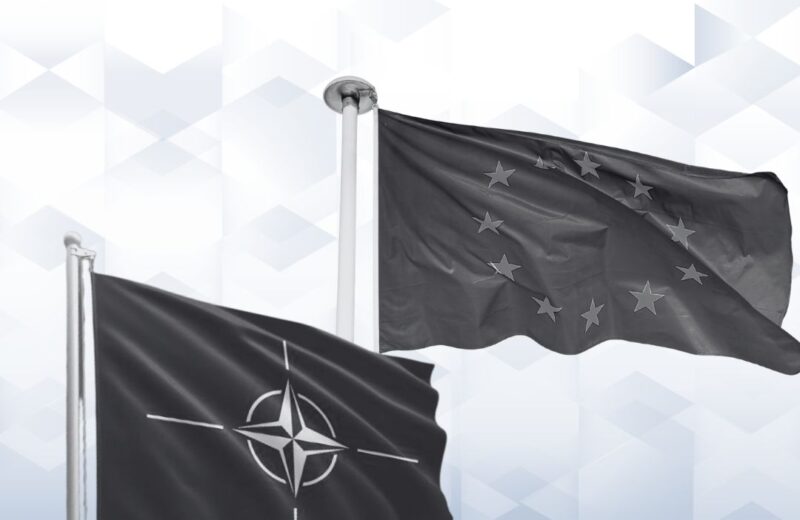
At the same time, the Government plans to reduce the IRPEF rate for the second income bracket from 35% to 33%, postpone the raising of the retirement age for workers in physically demanding jobs, and increase military spending by 0.5% of GDP to meet NATO commitments.
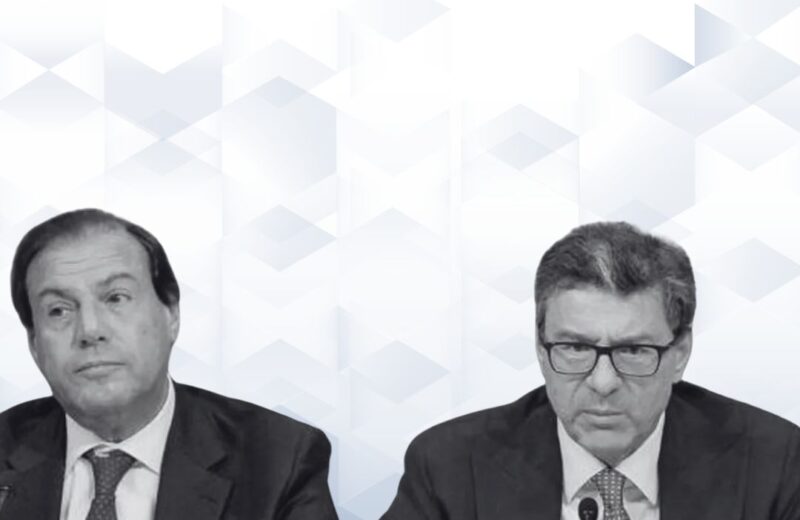
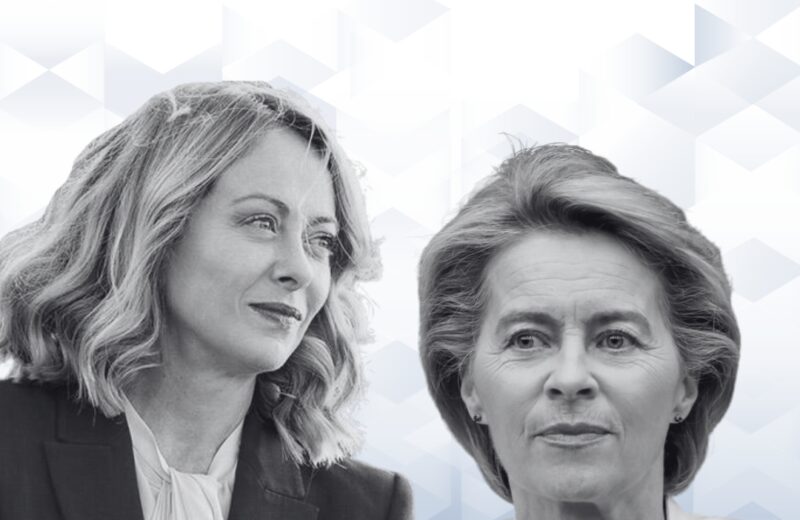
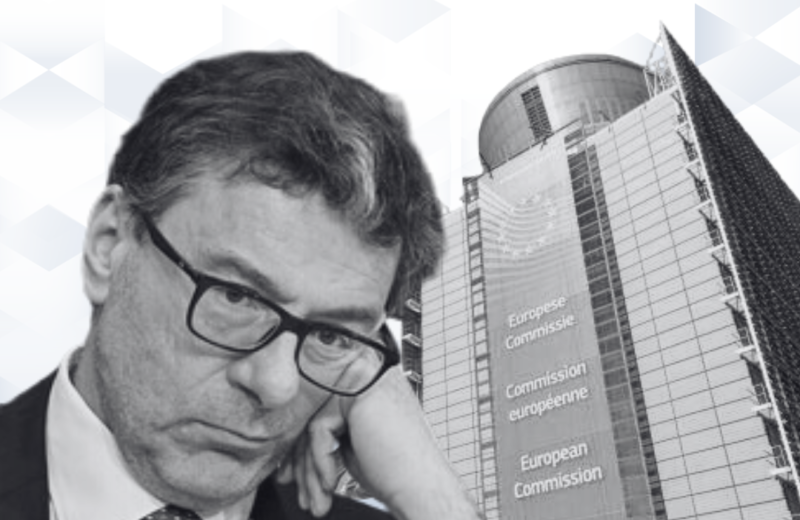
The measure targeting banks, in particular, has provoked strong reactions from the financial sector and calls for political dialogue, while negotiations with Brussels and the European Commission remain sensitive. Equally critical is the domestic balancing act: how can expansionary measures be funded after years of tight budgetary constraints? And to what extent can purchasing power be revived, supporting consumption and investment, while maintaining fiscal credibility?
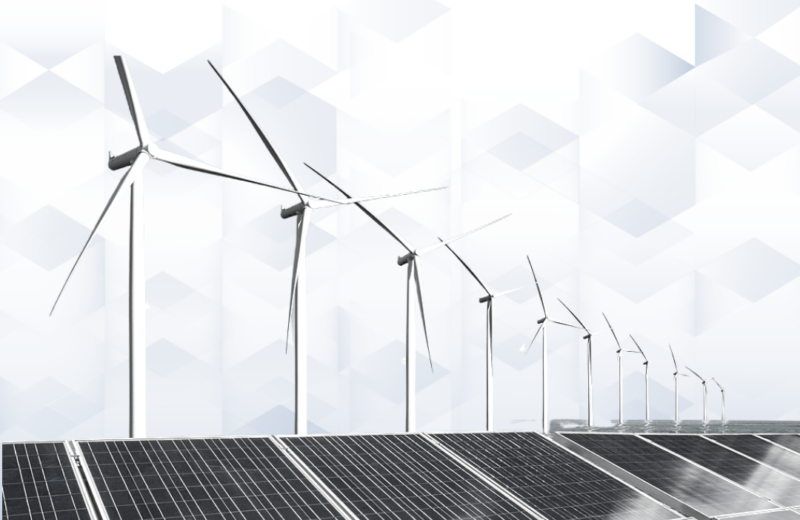
Behind the scenes, the budget law choices will also reflect Italy’s Mediterranean strategy: if the country aims to be a reference player in Mediterranean dossiers — from reconstruction to energy transition and infrastructure projects — it must allocate credible resources to international cooperation, diplomacy, and public-private partnerships.