Meloni and Macron face the Quirinale Test
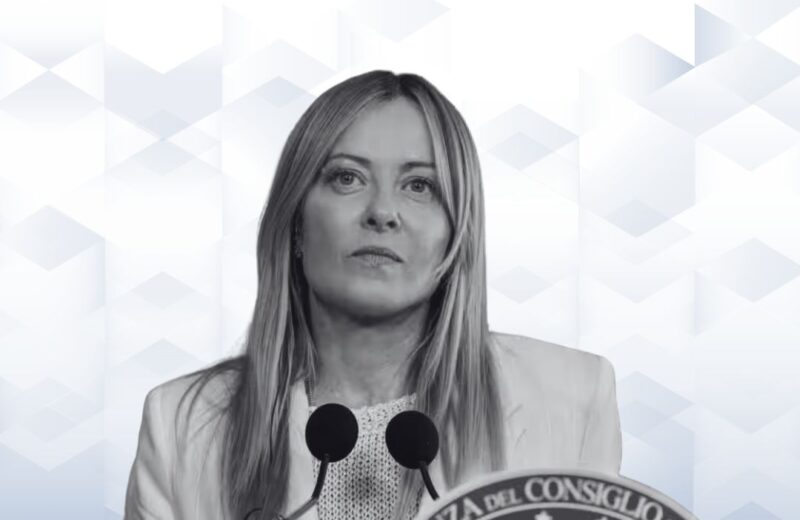
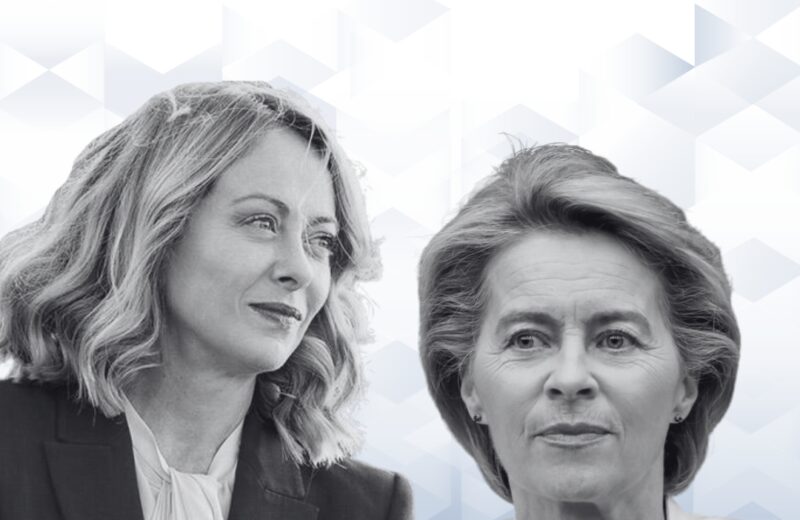
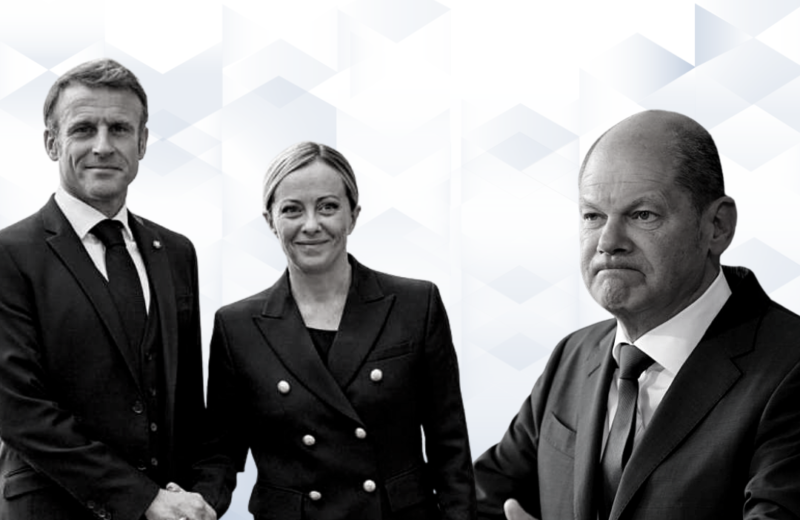
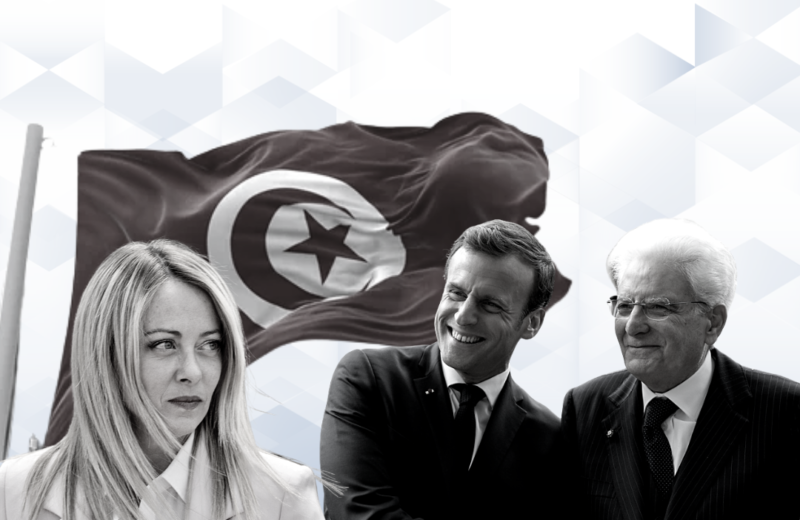
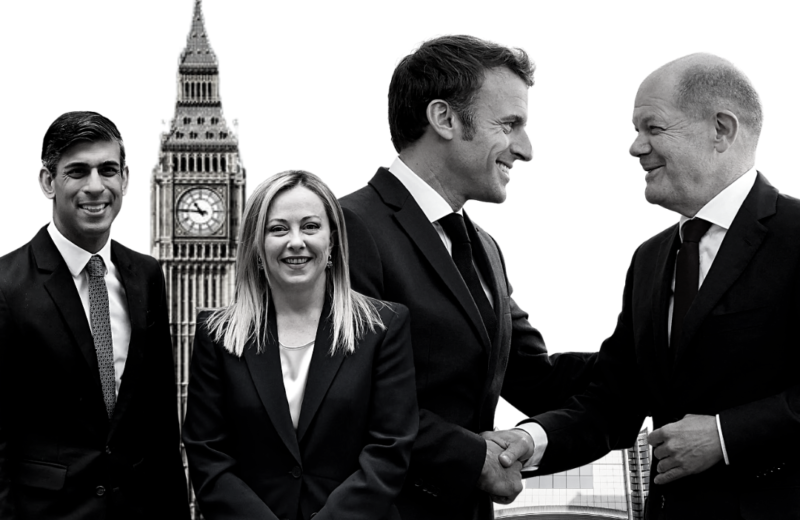
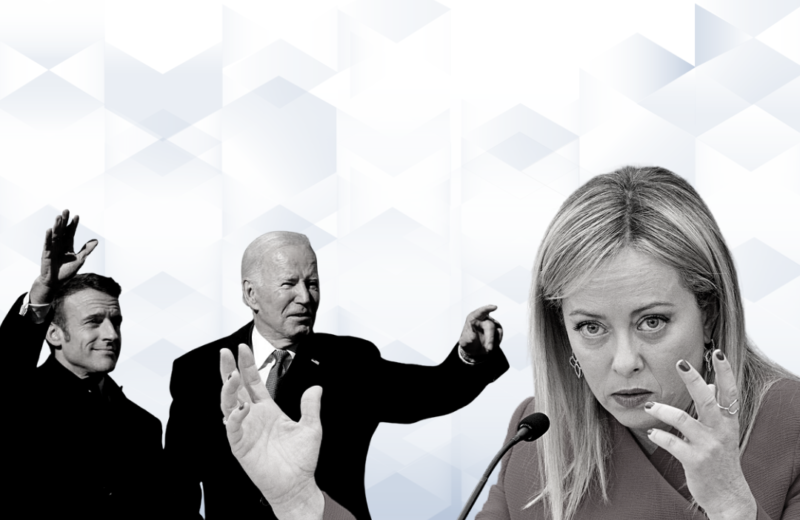
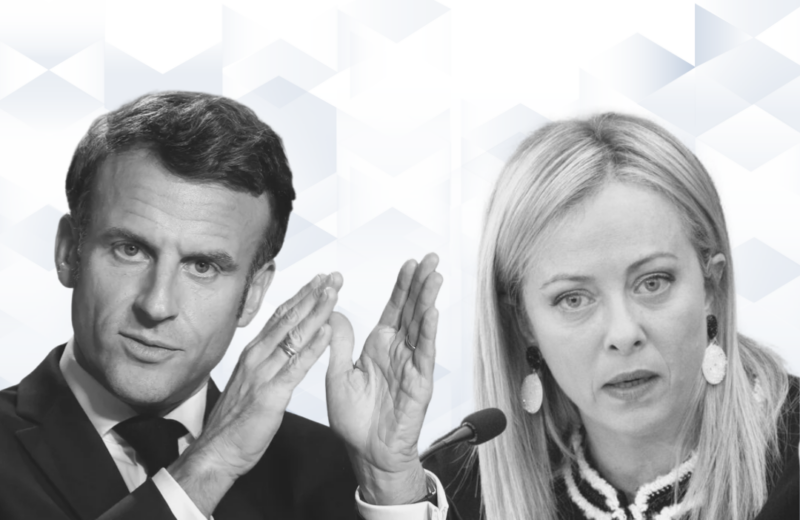
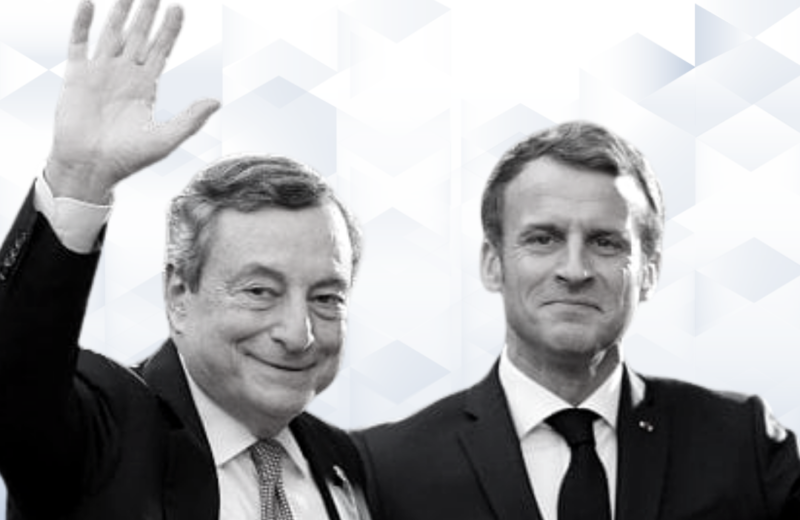
In a week dominated by debates on institutional reforms and new security measures in Italy, it was paradoxically a phone call from Paris that broadened the national perspective. Emmanuel Macron called Giorgia Meloni, not to scold or criticize, but to request a clarifying, almost conciliatory meeting: “Giorgia, let’s make peace”. The tone, if not entirely new, certainly marked a departure from the previous months, which had been filled with jabs, misunderstandings, and diplomatic chill. The meeting is scheduled for Tuesday, June 3 in Rome, and it won’t just be a symbolic gesture. The stakes are high for both countries.
Some have already dubbed it the “maturity summit.” Political maturity, first and foremost, to overcome tensions and misunderstandings, but also to face the new responsibilities imposed by the European context. The call from the Élysée was not an impulsive act; it came at a strategic moment—just before the G7 in Canada and less than a month before the European Council at the end of June. In between lie unresolved issues regarding energy, security, trade, and industrial policy. This is not just about words—it’s about a packed agenda with transformative potential.
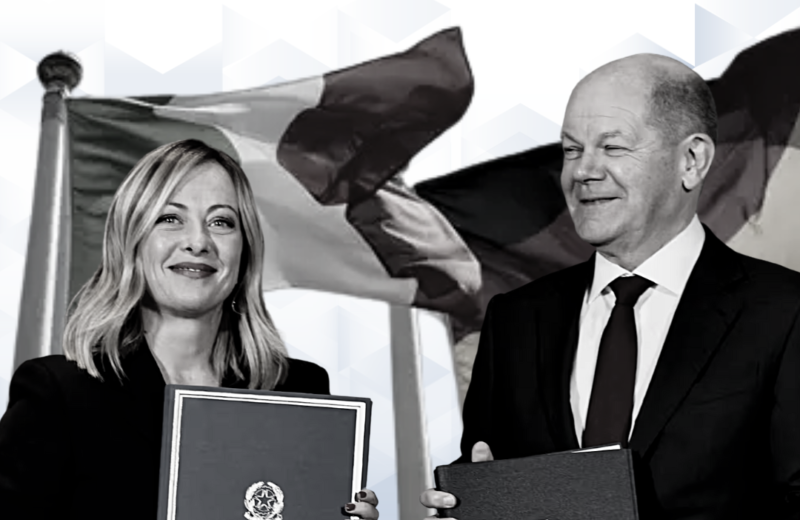
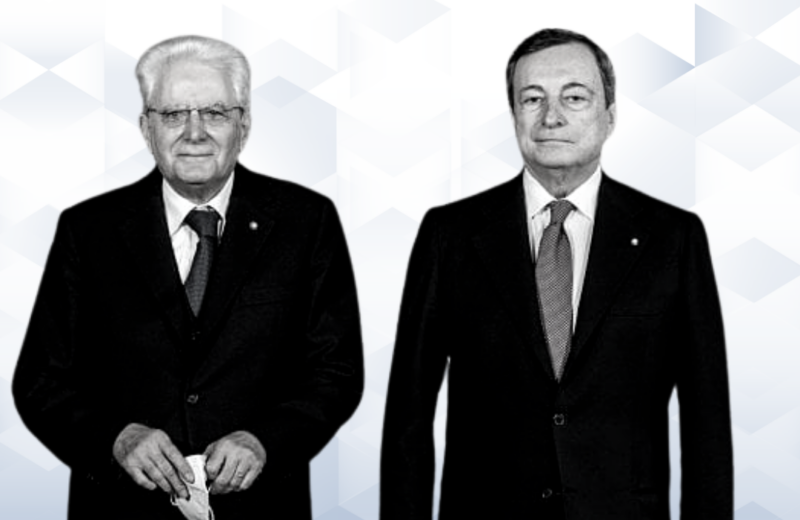
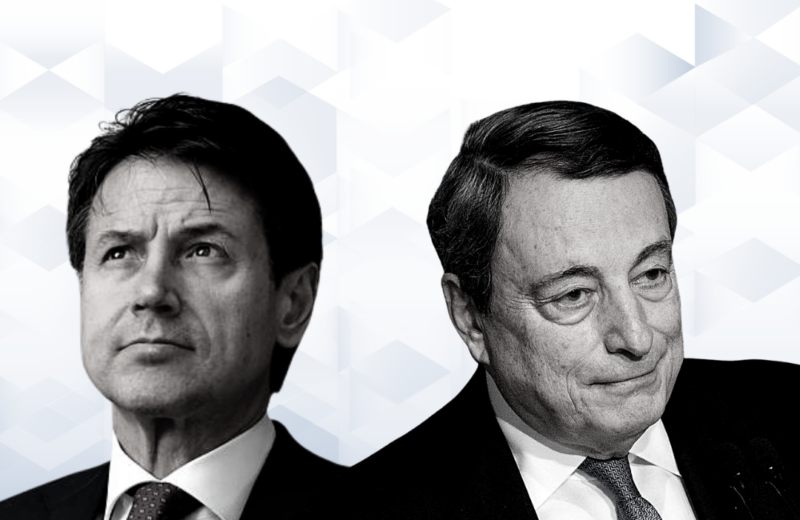
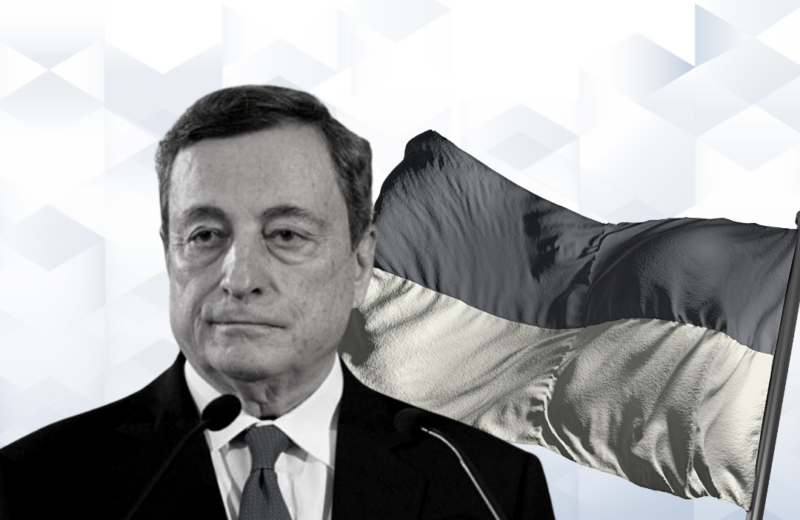
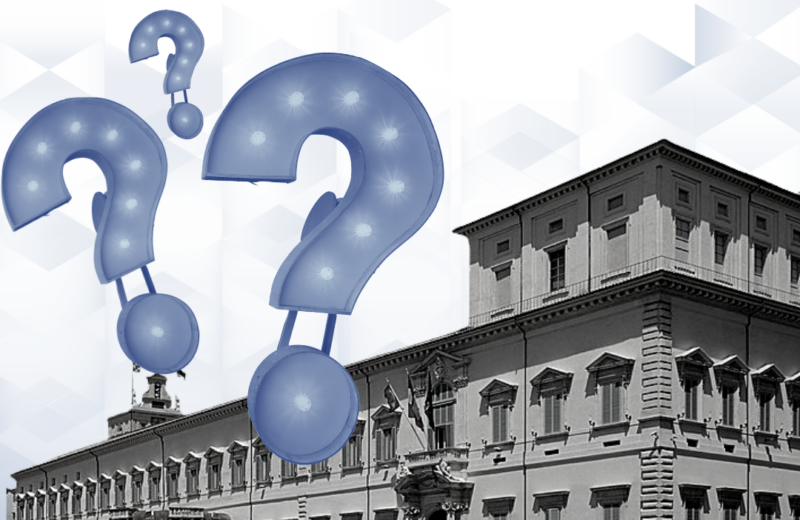
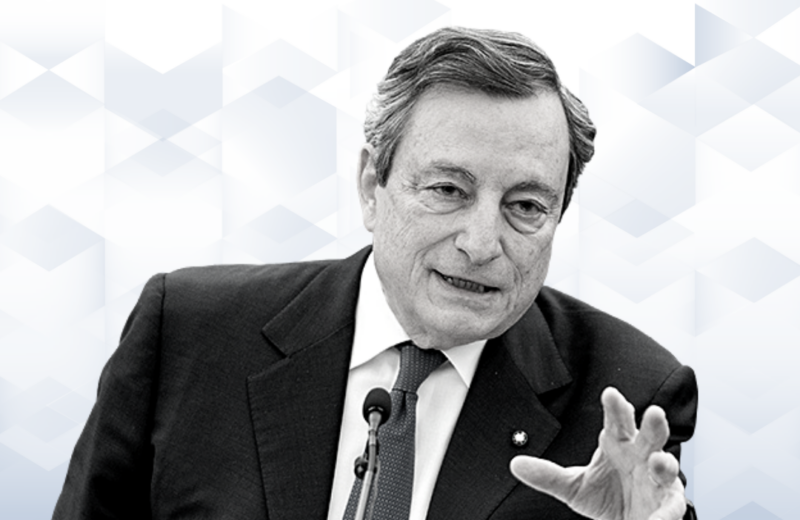
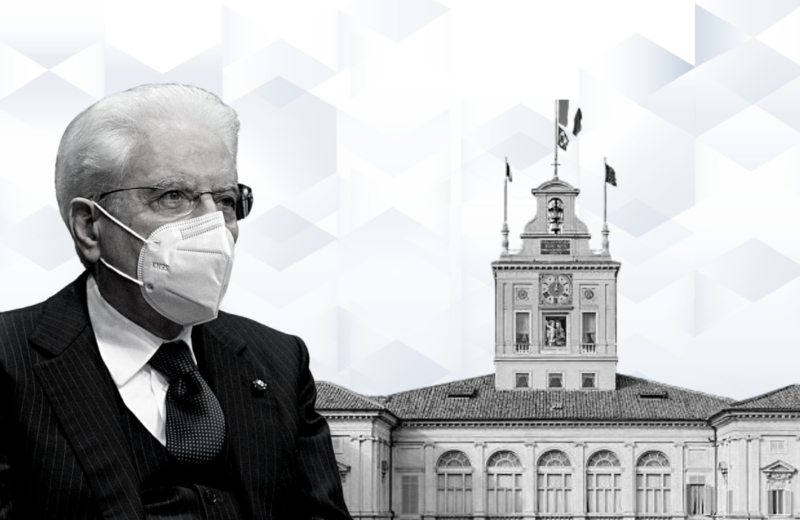
At the center of the meeting is the much-talked-about – but so far under-implemented – Quirinale Treaty, signed in 2021 between Mario Draghi and Macron. For France, the treaty has remained in the shadows, intentionally kept on the sidelines so as not to upset the Franco-German balance. In Italy, it had been welcomed as a turning point—a recognition of Italy’s role in Europe’s decision-making processes. Today, that treaty might finally shift from theory to practice. According to sources from the Élysée, the goal is clear: to make the Quirinale Treaty not just a symbol, but a platform for permanent cooperation.
Among the most urgent issues is the energy question. Italy is increasingly interested in nuclear energy, and France is a natural partner, with its experience and robust industrial sector. A potential agreement in this field would go far beyond the bilateral relationship – it would send a strong signal to the entire European Union, which is still searching for ways to ensure competitiveness and sustainability in the energy transition. Trade is another critical front. The tariffs reimposed by a U.S. federal appeals court are affecting both economies, and coordination between Rome and Paris could help bolster Europe’s position in future international trade negotiations.
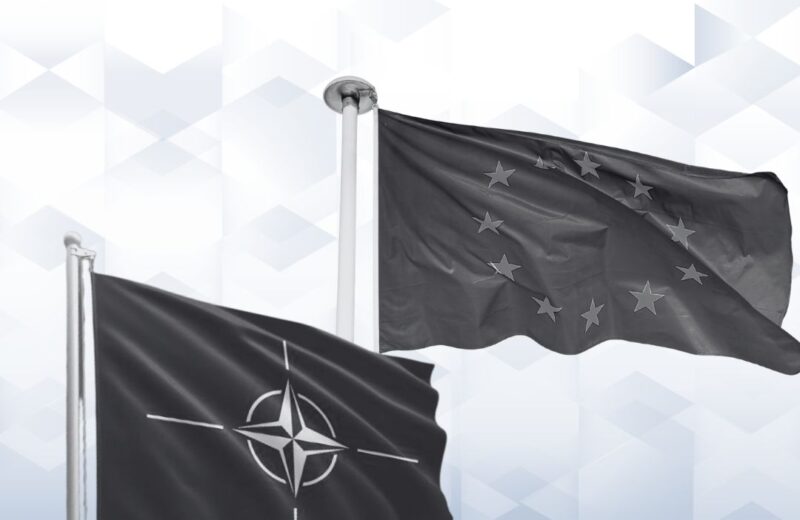
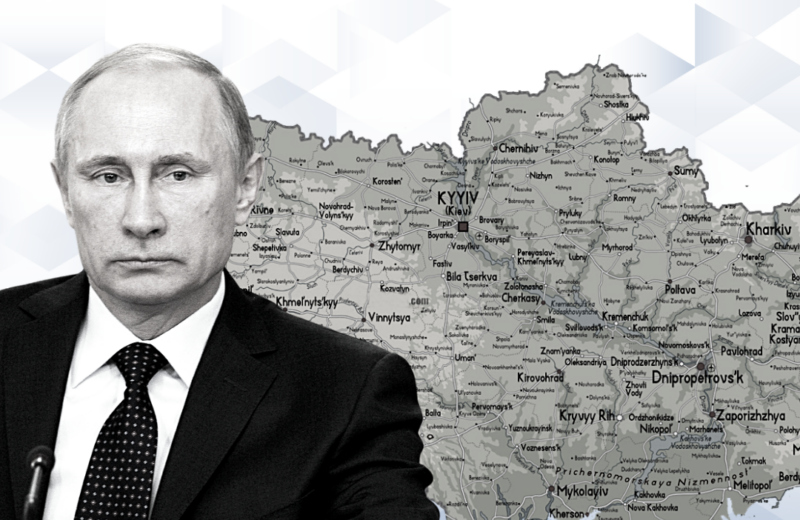
However, the bilateral relationship is not just about figures and markets. There’s also the delicate issue of Europe’s geopolitical posture. With ongoing wars in Ukraine and Gaza, and increasing calls for strategic autonomy from NATO, Meloni and Macron must consider how to strengthen a common European defense and develop a more cohesive foreign policy. The room for maneuver is narrow: Rome seeks a balance between Atlanticism and continental interests, while Paris has long advocated for a “European sovereignty” that is still largely aspirational. Yet the dialogue between the two leaders, so different in style and vision, could lead to a new synthesis.
For Macron, who is slipping in the polls and facing an increasingly aggressive domestic opposition, this is an opportunity to relaunch France as the cornerstone of a new Mediterranean alliance. In this light, the June 3 summit is far more than a diplomatic appointment: it is a litmus test of Italy’s and France’s ambitions in Europe.