Stability claimed, balances yet to be built
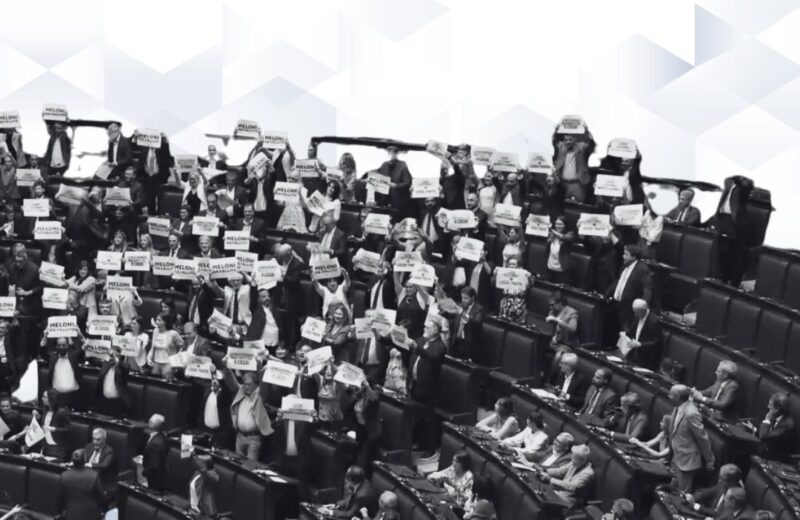
From 12 January to today, the full resumption of parliamentary activity has brought the issue of the legislative method back to centre stage. The opening of the examination of the Milleproroghe decree in the Chamber of Deputies has confirmed a familiar script, marked by compressed timelines, limited room for debate and a reliance on emergency lawmaking that continues to raise questions about the balance between the Government and Parliament, while in the background – increasingly central – lies the timetable of the next economic measures, from the management of the PNRR to corrective interventions on public finances, at a time when the executive claims stability but must keep together a majority facing diverging priorities. Within this framework comes the final approval of the Transizione 5.0 decree, one of the most significant steps of the week, strengthening the government’s industrial policy through incentives for digitalisation, innovation and energy efficiency, with the aim of supporting the modernisation of the productive system and the competitiveness of firms without weakening the safeguard over budget balances, and confirming an active role for the State in steering economic transformation amid scarce resources and tight European constraints. On the international front, still in the background but with growing strategic weight, Italy has presented its new national plan for the Arctic, marking a shift in Rome’s posture on a theatre set to increasingly influence geopolitical and economic balances in the coming decade. During the presentation, the government stressed the need to move beyond an episodic approach towards a structured vision combining security, scientific cooperation, environmental protection and new economic routes, in the awareness that the Arctic is no longer a remote frontier but a space where strategic interests, NATO dynamics and an intensifying global competition over infrastructure and resources intersect. Completing the international picture is the dossier on the agreement between the European Union and Mercosur, which in the coming hours is expected to take another institutional step in the European Parliament and has for months been one of the most divisive issues in EU trade policy. The agreement aims to create one of the world’s largest free trade areas, promising a gradual reduction of tariffs and broader access to South American markets, with potential benefits for European manufacturing exports in sectors such as mechanics, automotive, chemicals and advanced services. For Italy, the opportunities are significant, particularly in terms of new outlets for exporting companies and a stronger industrial presence in a growing region, but political debate remains heated over possible repercussions for sensitive sectors such as agri-food, amid concerns about competition from South American production, differing environmental and sanitary standards and the risk of downward pressure on prices. At the same time, the agreement is also seen as a strategic move in a global context marked by fragmented value chains and geopolitical tensions, with Europe called upon to diversify its trade partners and reduce critical dependencies, while for Rome the challenge is to reconcile market openness, protection of domestic supply chains and sustainability in a balance that remains politically delicate.