In a Stormy World, Italy Looks Inward
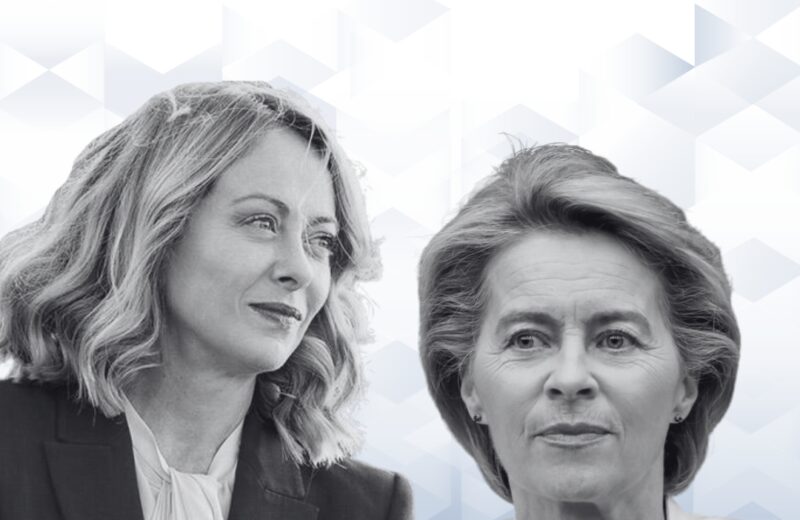
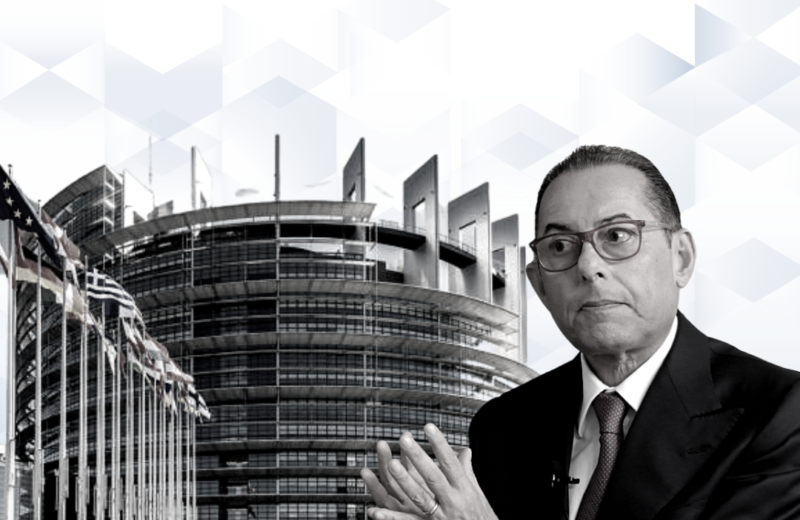
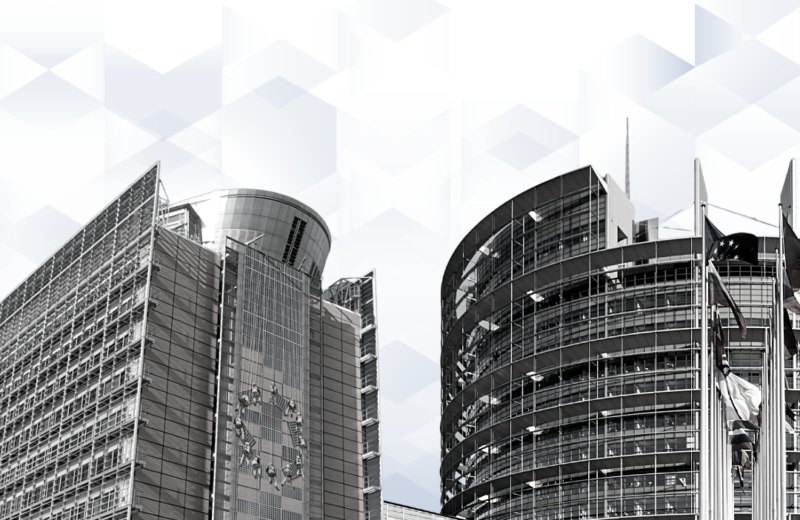
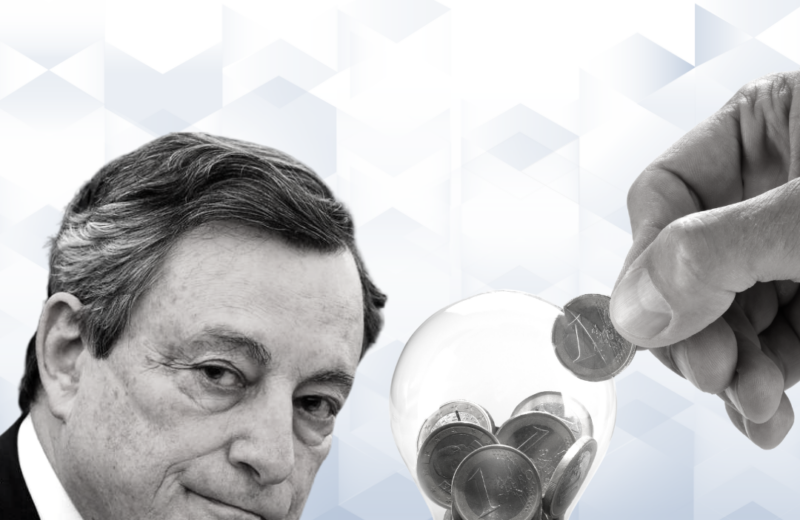
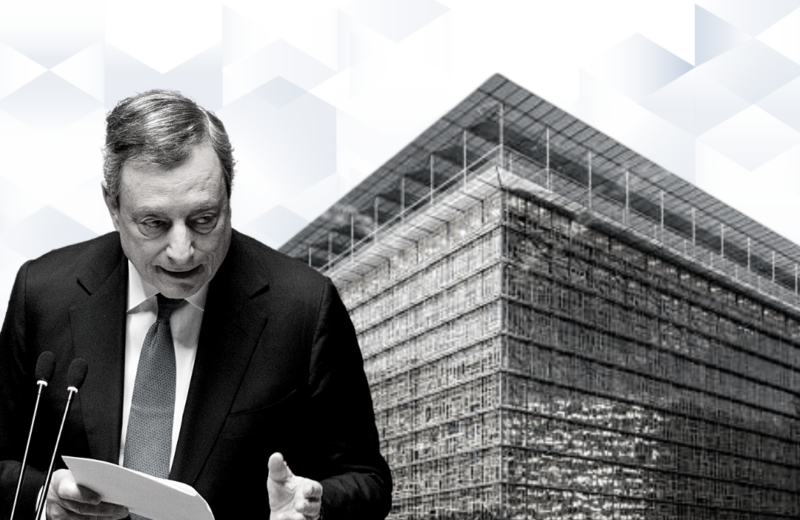
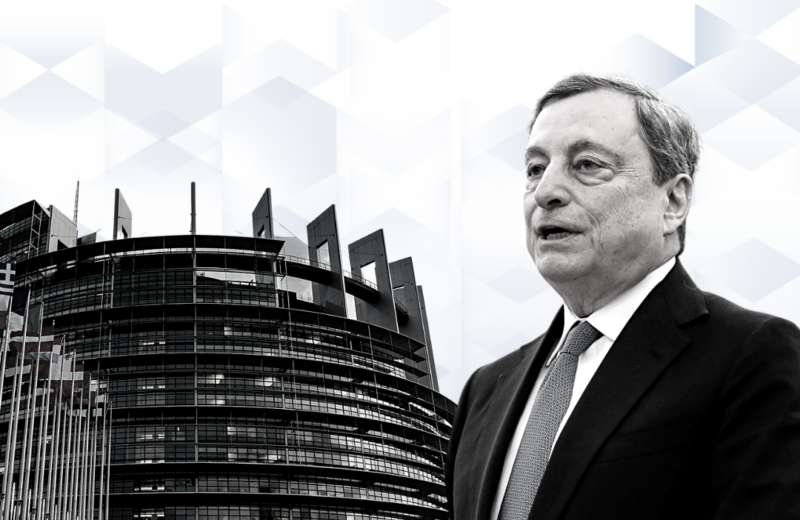
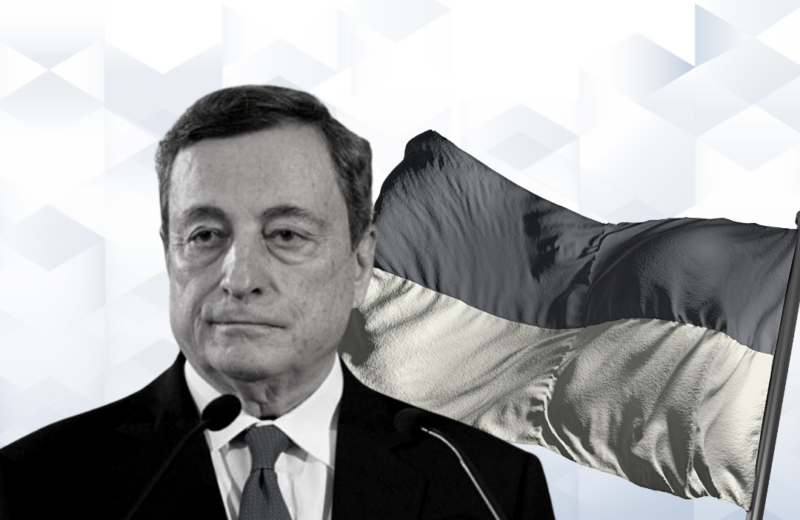
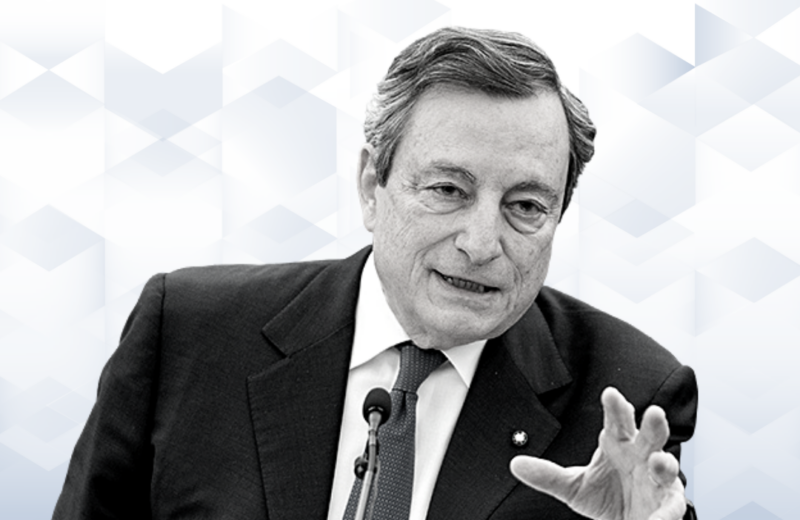
The Old Continent is looking at itself in the mirror, reflecting on its identity and direction, now that even one of the pillars of the European project, France, has been caught in the spiral of public debt. This week, Ursula von der Leyen and Mario Draghi spoke at the Brussels conference, one year after the former Italian prime minister presented his report. What emerged was the need, for the 2025–2031 period, to increase public investment by up to €1.2 trillion, to continue seeking a solution to the energy issue—not only through diversification but also via policies capable of reducing costs, such as collective purchasing.
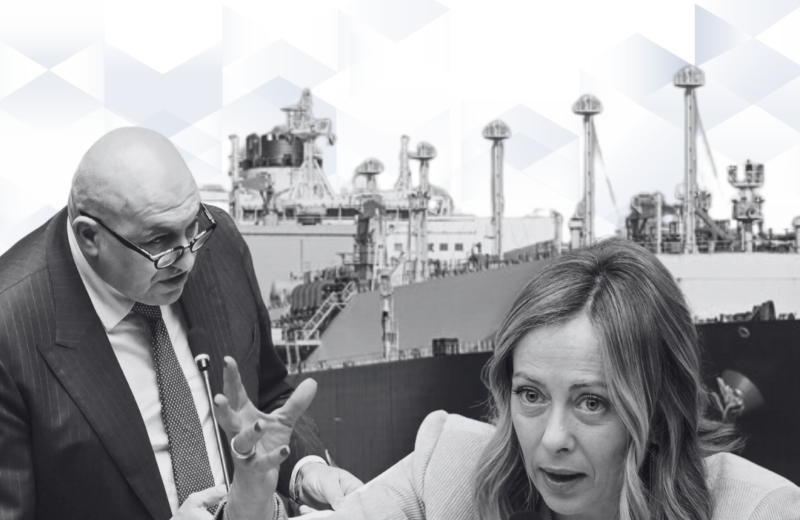
Draghi emphasized the issue of gas, which, although it does not represent the majority of energy imports, heavily influences electricity prices, as it is used to generate power. These issues expose the EU to budgetary problems, with public debt expected to rise by 10 percentage points over the next decade, reaching 93% of GDP, as noted by the ECB. Is this sustainable? To understand, we must look beyond the raw numbers and consider the historical context. No parameter is inherently discouraging if a country remains competitive and capable of supporting productive transformation.
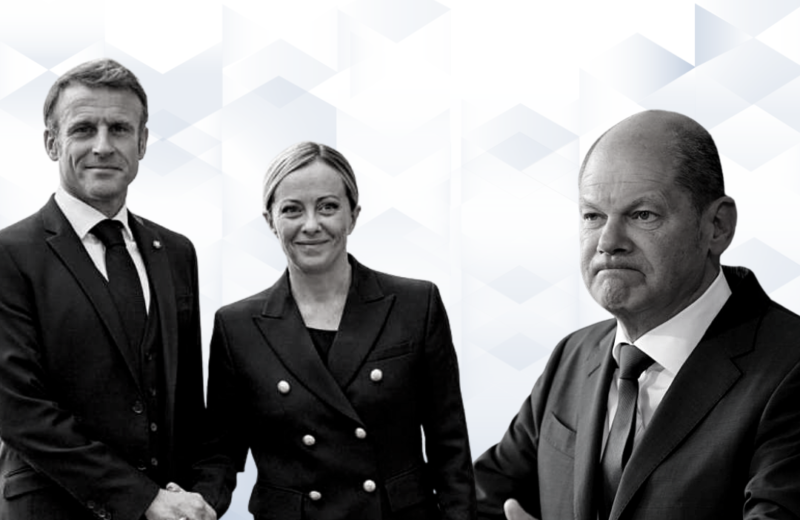
This is a crucial point, because today there is an America that wants to turn inward (reshaping trade relations is no easy task), and an international landscape marked by instability and the need for direct engagement. That’s why Europe cannot afford to be a place where development stalls. For this reason, Draghi, in his speech, advised suspending the AI Act with respect to areas that are indeed risky for security but whose consequences would not be unacceptable—such as healthcare and infrastructure. The principle would be a more American-style one: regulate only after fully understanding the implications and outcomes.
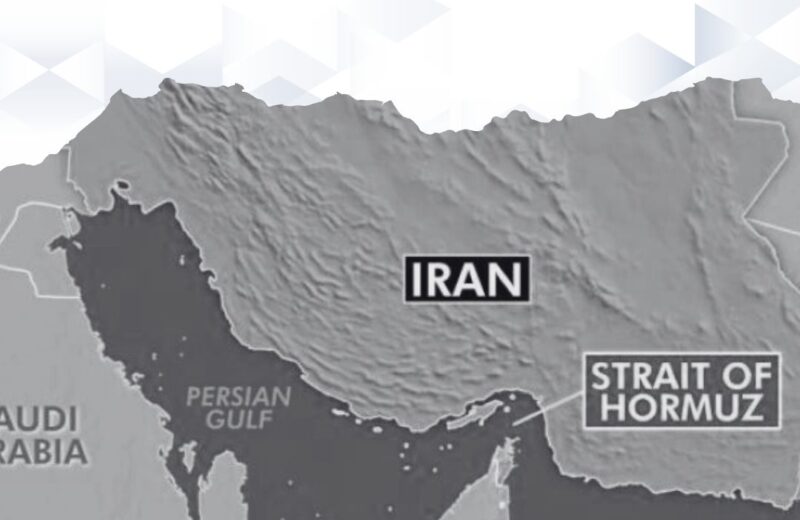
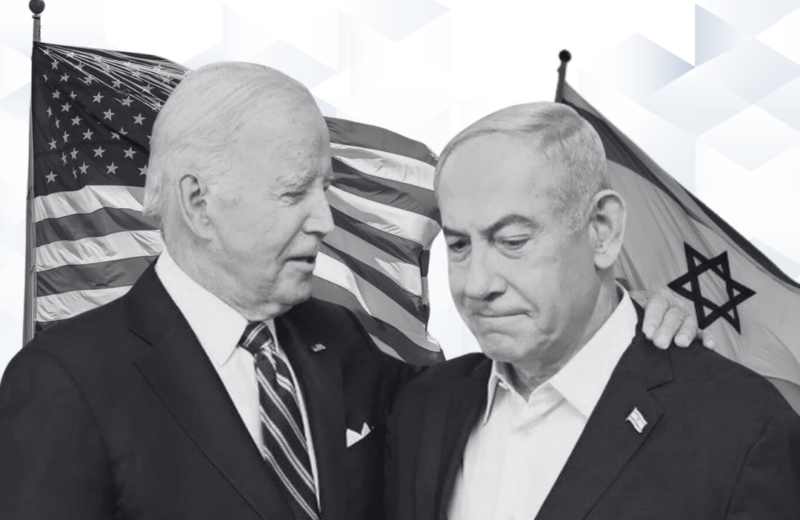
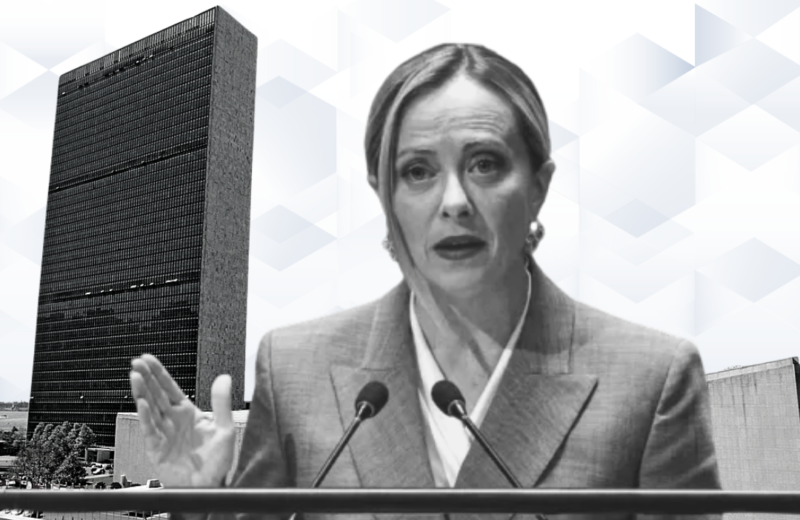
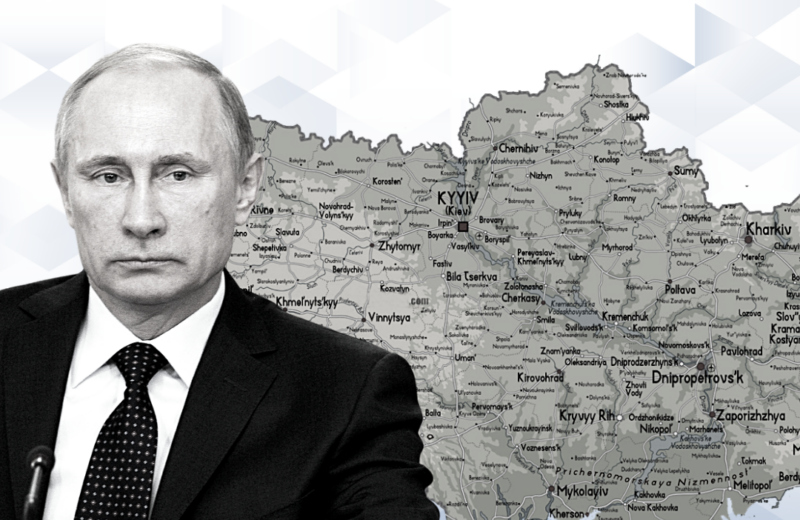
Global tensions may further fuel crisis scenarios—not only in Eastern Europe and in the relationship with Russia, but also in a Middle East that is growing increasingly volatile. Around the Israeli-Palestinian conflict, significant geopolitical shifts are taking place. Still, the full security and economic repercussions remain to be seen. The price of oil has not spiked because OPEC has decided not to cut production.
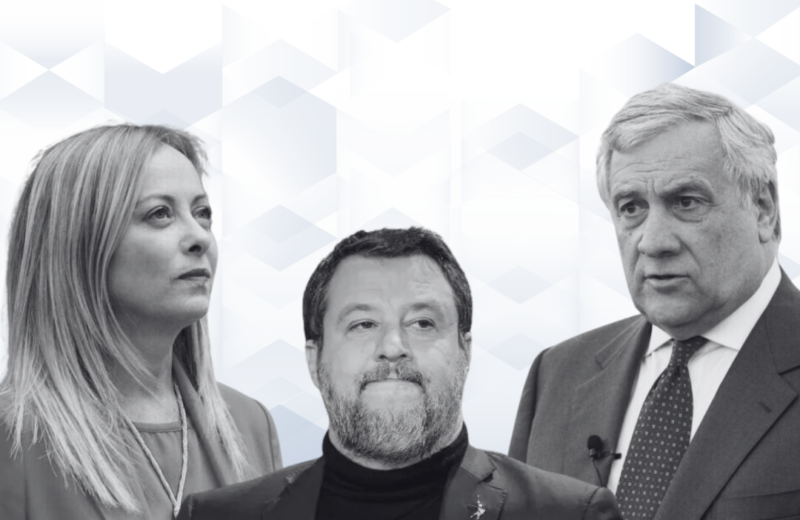
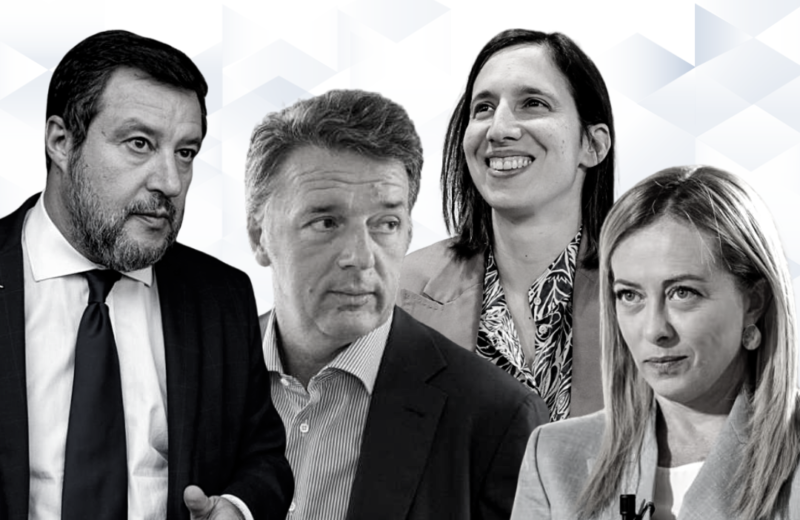
Ironically, these are the very elements that do not make Italy appear unstable. On the contrary, the country’s financial situation is under control, and exports continue to drive the economy. If anything, current doubts lie within the domestic sphere. How solid is the political alliance of the right, especially in light of foreign policy challenges? Do the political forces truly share a compatible vision for the country?
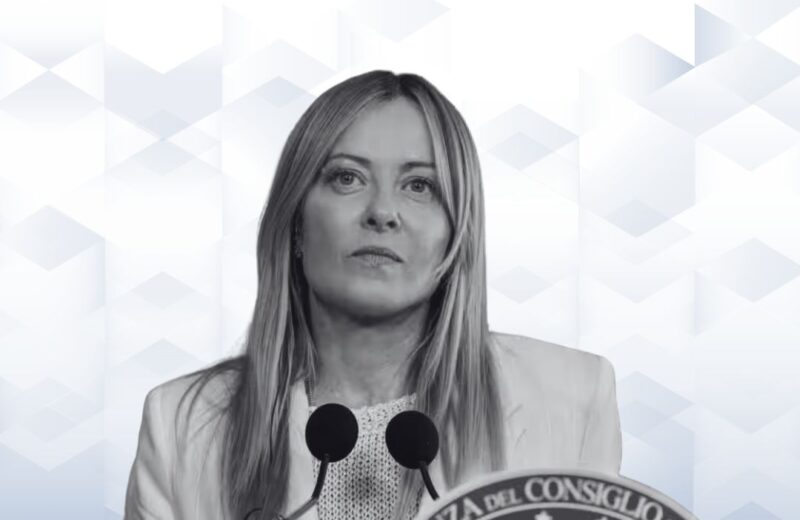
The upcoming regional elections do not appear to pose major challenges. Perhaps the key issues lie in structural reforms, such as the justice system and differentiated regional autonomy. Giorgia Meloni is keeping her word and forging ahead, while the core of the political debate is shifting toward matters of conscience—on the heels of the killing of Charlie Kirk. Could this climate of violence really spread to Italy, as the left fears? It does not appear that civil rights are currently a major battleground in Italy, as they once were. Social rights are more at stake.
Already, we can see a civil society preparing to fight over how resources will be distributed in the upcoming Budget Law, which—based on early reports—will need to address the concerns of both employees and the self-employed. This week, the Budget Committees of the Chamber of Deputies and the Senate approved the resolution on the upcoming economic planning document, expected in the coming days.