The Government Tested on Justice and the Economy
In recent days, the Italian political debate has reignited around two central issues for the country’s institutional and economic balance: the justice reform and the growing weight of taxation. Two apparently distinct questions that, in reality, intertwine within a political framework marked on one side by polarization and on the other by renewed attention to European constraints and international challenges.
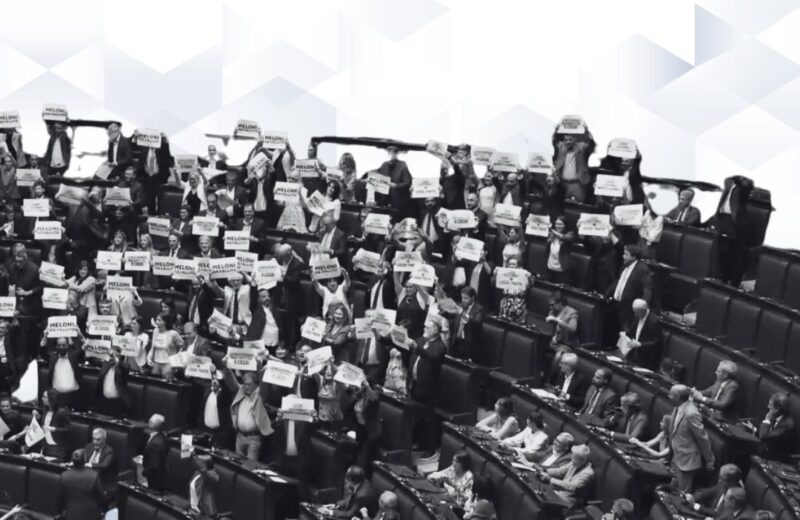
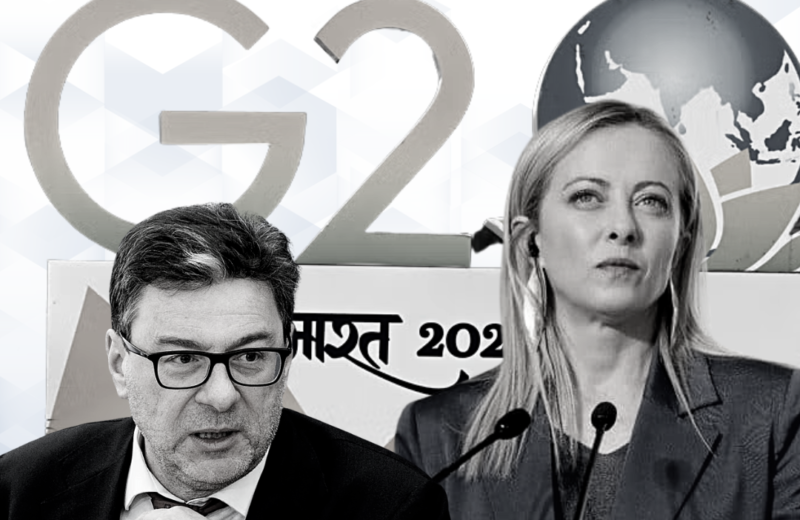
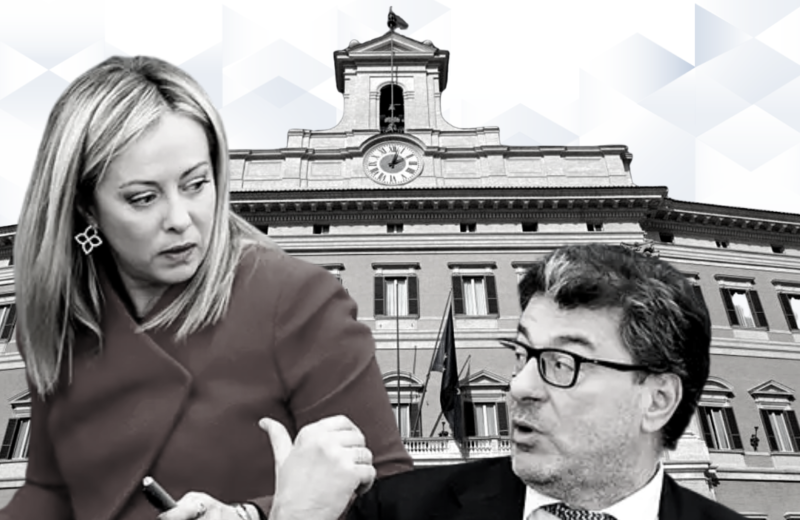
The justice reform, definitively approved by the Senate on October 30, represents one of the most significant milestones for Giorgia Meloni’s government since the start of the legislature. The measure introduces the separation of careers between prosecuting and judging magistrates — a long-standing issue that has divided Italian politics for decades and touches the very heart of the balance among the powers of the State. The government has described the reform as a “historic achievement,” emphasizing its intent to modernize the system and make it more transparent, reducing — at least in the executive’s view — the risk of overlaps between the roles of prosecutor and judge. The opposition, by contrast, has warned of a threat to judicial independence, accusing the government of seeking to weaken a constitutional pillar and steer the country toward a politicized justice system. It is within this highly polarized debate that the announcement of a confirmatory referendum is set to open a new phase of campaigning and public confrontation, likely to shape Italy’s political landscape through 2026.
On the economic front, data released by Eurostat offer another key to interpreting the current moment: Italy has risen from seventh to sixth place among EU countries for its level of tax pressure, and from fifth to fourth within the euro area. This climb is hardly cause for celebration, as it highlights how heavily taxation continues to weigh on businesses and citizens alike. The figures bring back to the center of the debate a long-standing and unresolved issue: the balance between fiscal sustainability and economic competitiveness. High tax pressure risks fueling social tensions and becoming a political battleground — with the government defending its line of fiscal discipline, while the opposition calls for easing the burden on workers and families. In the coming months, it is likely that the government’s economic policy — already shaped by the National Recovery and Resilience Plan and EU budgetary rules — will have to contend with growing demands for fiscal relief and redistribution.
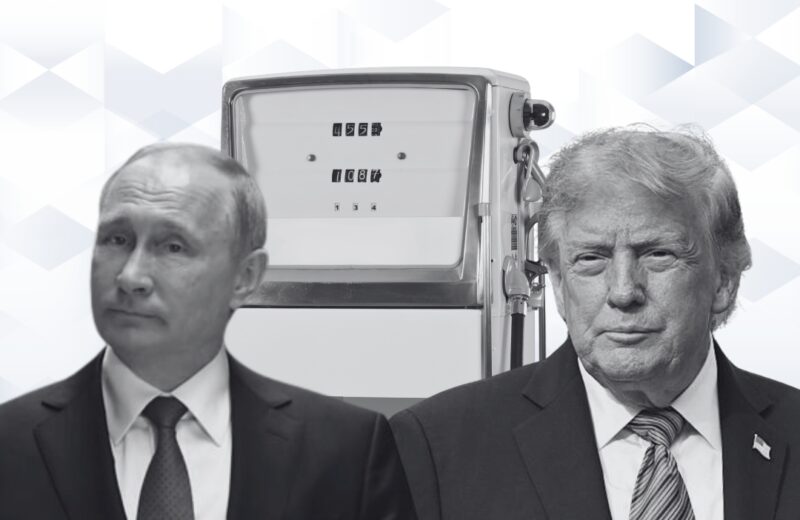
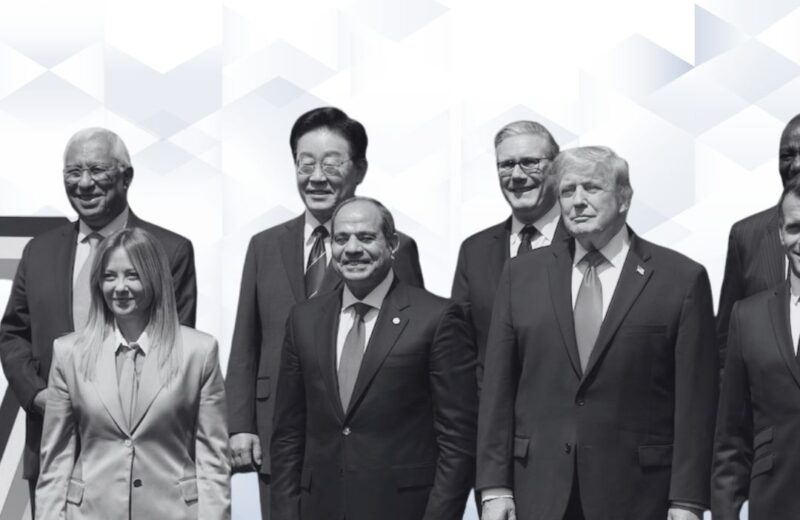
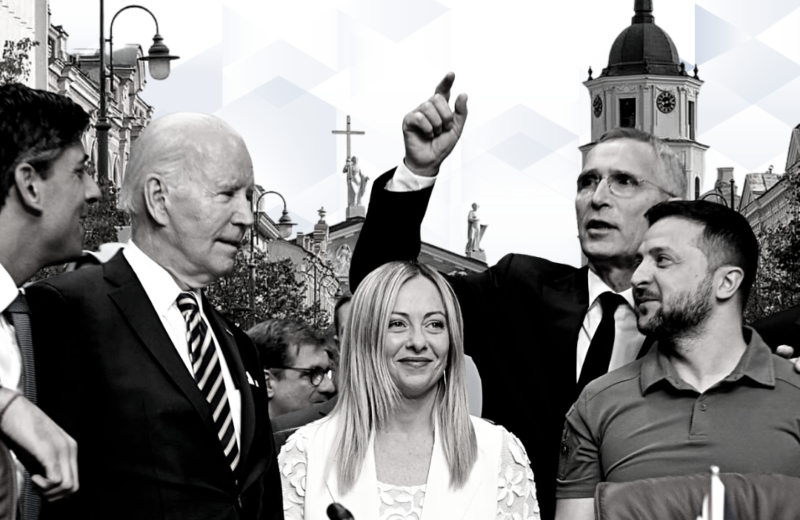
In this domestic scenario, the international context also helps to define the overall political picture. The front pages of Europe’s main newspapers on October 31 portrayed a continent gripped by uncertainty: growth remains sluggish in both Italy and Germany, while the EU’s prospects look fragile, squeezed between global geopolitical tensions and the need to maintain economic and institutional cohesion. On the global stage, the rivalry between the United States and China over the trade in rare earths and semiconductors has become a new strategic battleground, with direct repercussions for European economies and, by extension, for Italy’s ability to shape its own industrial and technological policy.
Italy thus finds itself caught between reformist ambition and economic reality: the former fuels the narrative of a government determined to leave its mark; the latter demands caution and compromise, as every step forward risks clashing with European constraints, rigid public finances, and sluggish growth. In between lies a public opinion that watches closely both the grand institutional reforms and the promises of tax relief.
In this delicate balance, the challenge for the executive is no longer merely political but one of credibility. The ability to translate parliamentary victories into tangible results will determine not only the government’s stability but also the quality of democratic debate in the months ahead. Because the real contest — beyond referendums and statistics — remains between trust and disillusionment: the extent to which politics can prove that change is not just a front-page headline, but a genuine and shared process of transformation.