External pressure and the search for balance
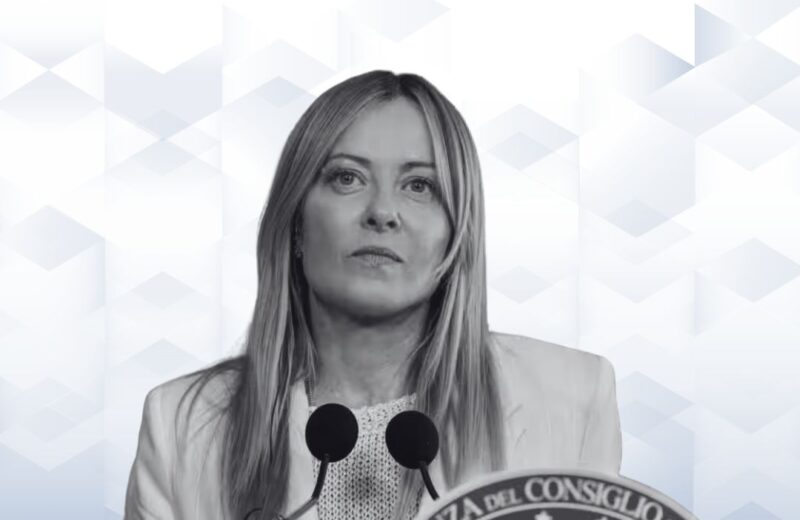
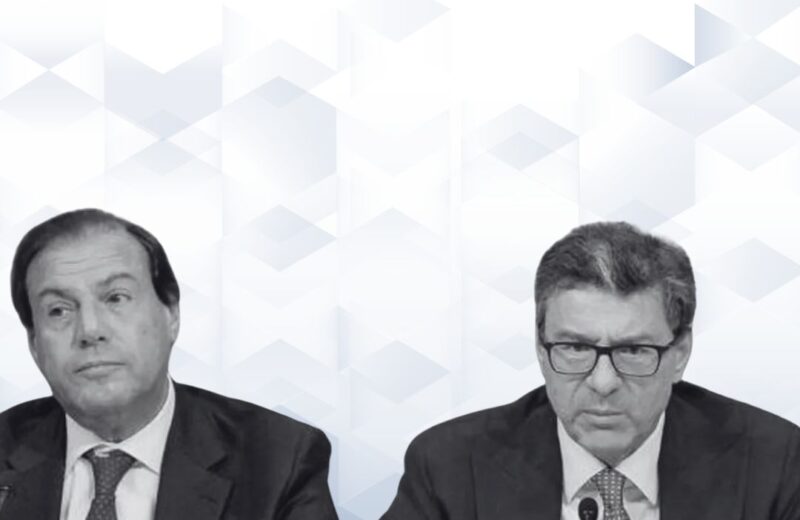
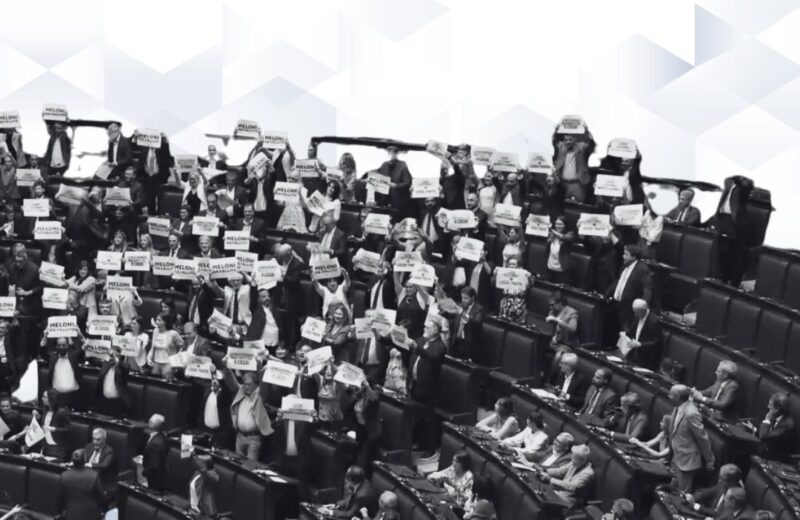
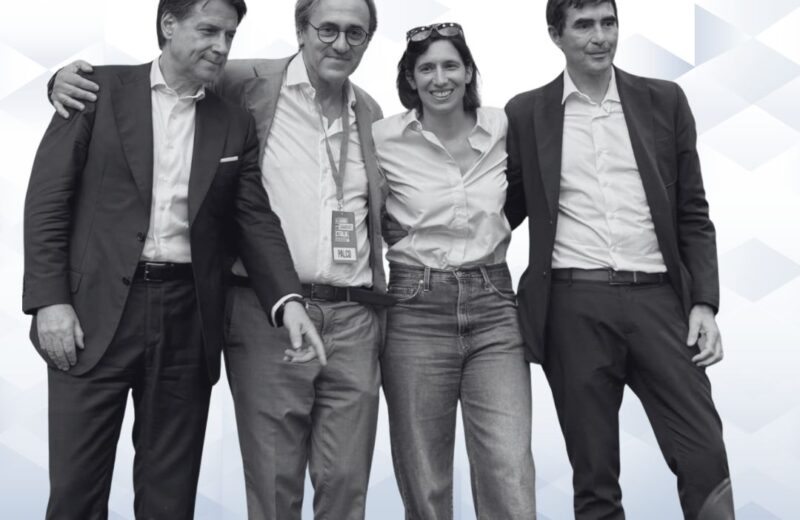
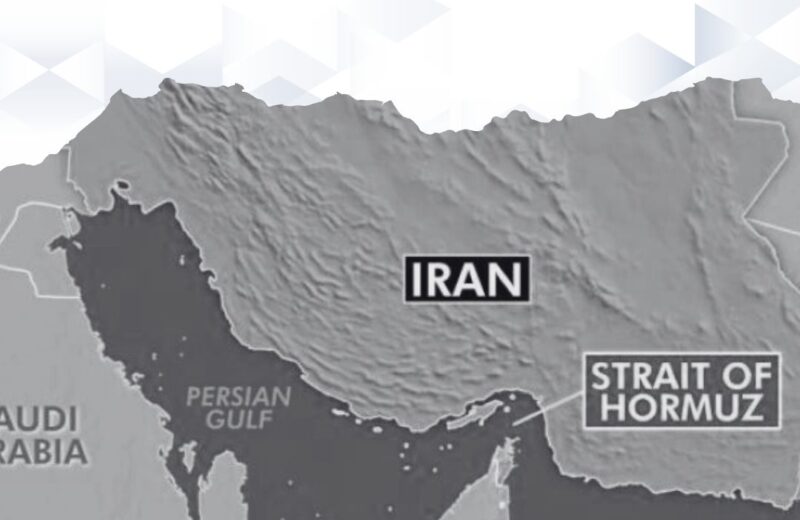
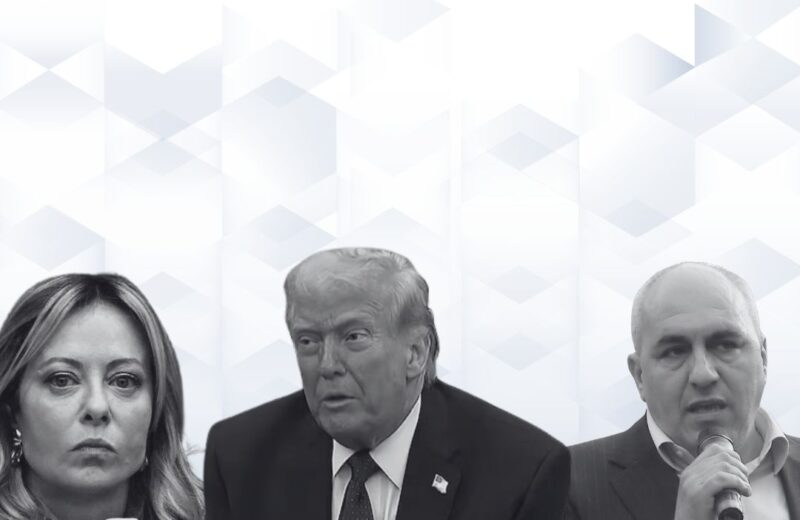
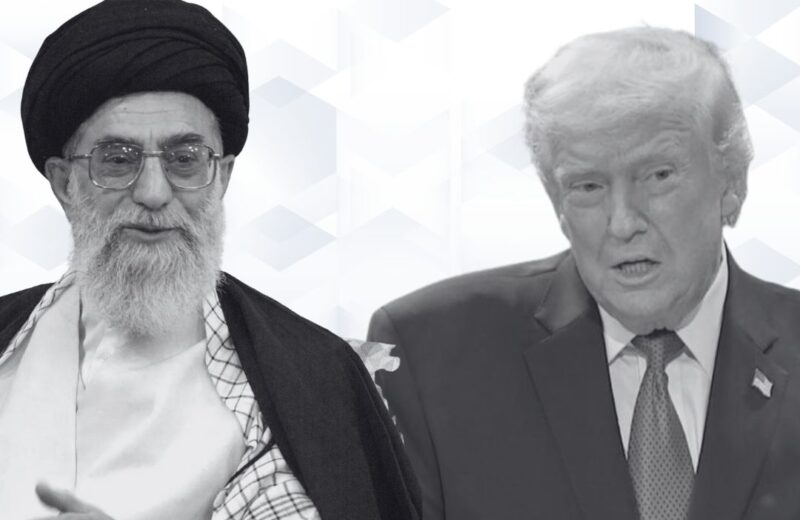
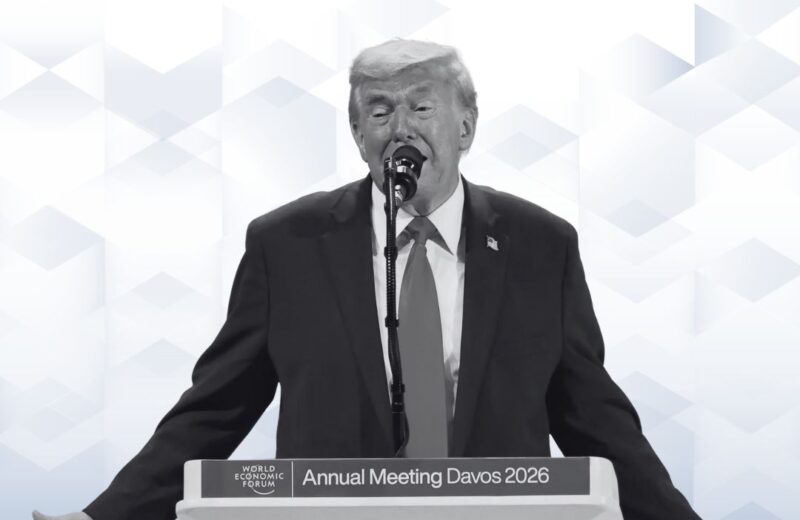
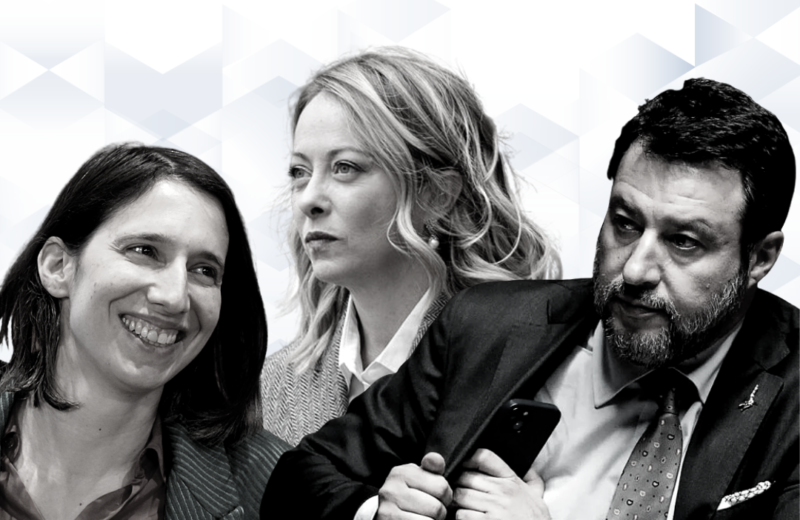
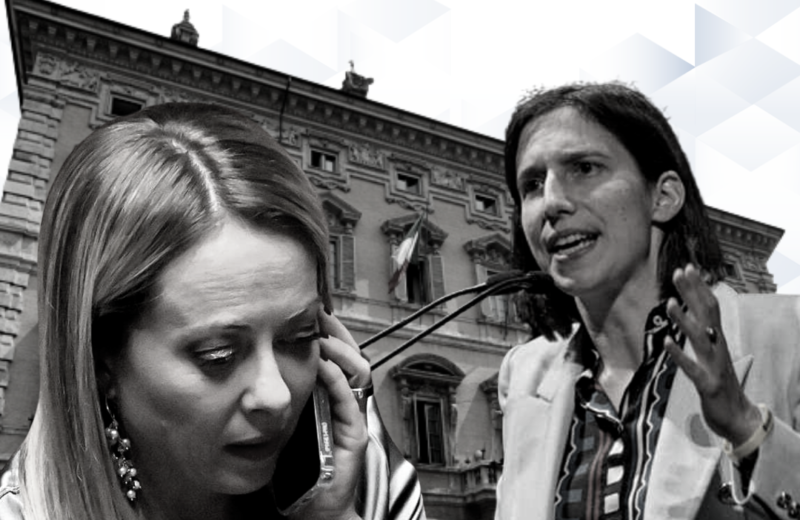
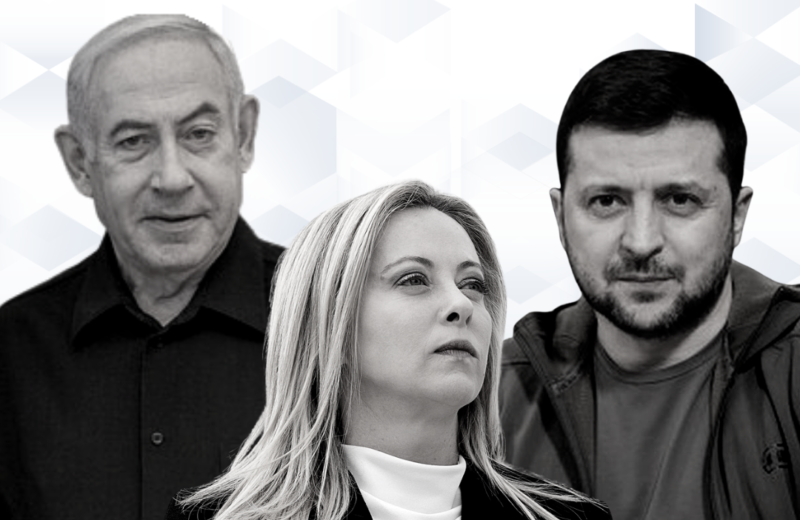
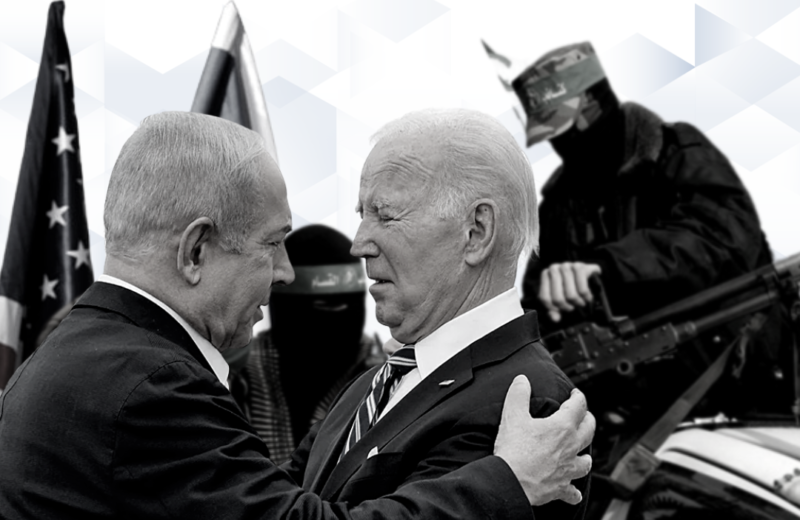
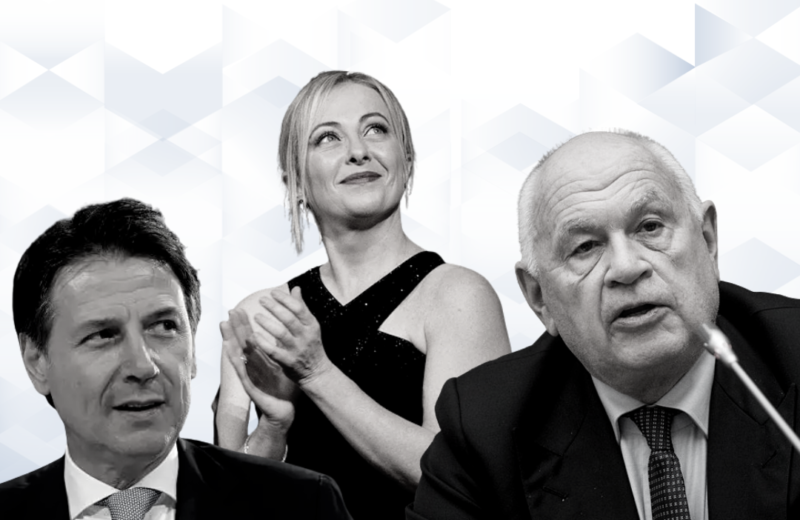
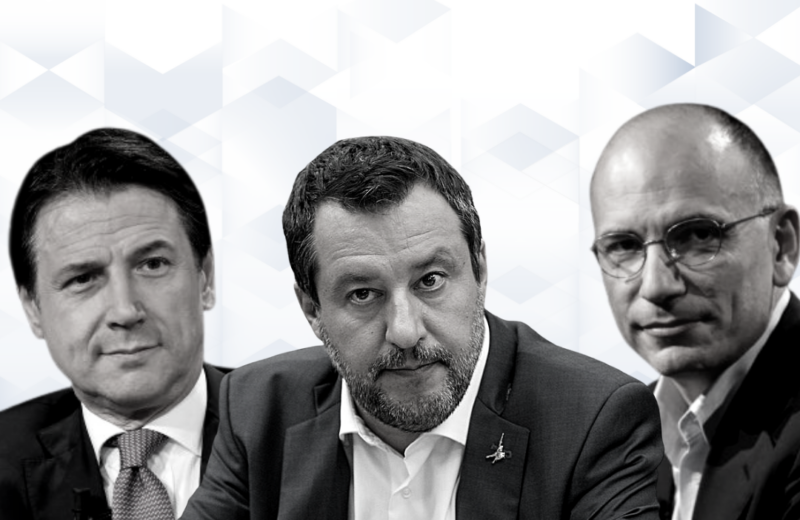
If we were to capture a key lens through which to read the political week, it would be balance—more precisely, a search for balance both internationally and domestically. The defeat of the referendum has “shaken” the government, which is now attempting to recalibrate its posture—Atlantic, European, political, and industrial. This is the framework through which to interpret recent developments. The new escalation in the Middle East, with Iran’s involvement and the attacks between Israel and Lebanon, is not merely a matter of foreign policy but a variable that directly affects European economic and security choices. The statements by Donald Trump regarding the possible duration of the conflict, regardless of their reliability, contribute to shaping a climate of uncertainty that reverberates across markets and political decision-making. In this context, Italy appears exposed and, to some extent, more reactive than proactive. The case of the Sigonella base becomes emblematic: not only because of its strategic role in NATO operations, but also because it brings back to the forefront a structural tension between national sovereignty and alliance commitments, which inevitably resurfaces in times of crisis. At the same time, on the economic front, the agreement between the Ministero delle Imprese e del Made in Italy and Confindustria signals the government’s attempt to build a domestic response to global volatility by strengthening industrial competitiveness and safeguarding strategic supply chains. Yet a limitation emerges here as well: without stronger European coordination, national initiatives risk having only a limited impact. It is on the political level, however, that this phase reveals its most interesting features. The attempt by the Movimento 5 Stelle, led by Giuseppe Conte, to position itself as the unifying force of the centre-left is not merely a tactical move ahead of the next elections, but a sign of a system seeking new balances after years of fragmentation. Conte is trying to occupy a partially vacant political space—that of a leadership capable of holding together diverse demands—but the success of this effort will depend on the ability to build a shared platform rather than a mere electoral convergence. At the same time, the appointment of Gianmarco Mazzi as Minister of Tourism represents an adjustment within the governing majority, which is seeking to consolidate its action in a key sector for the Italian economy. Overall, what emerges is a political system moving along a narrow ridge: on one side, the need to respond to increasingly pervasive international pressures; on the other, the necessity to redefine internal balances ahead of upcoming electoral challenges. The real issue, therefore, is not only what happens, but how it is interpreted and managed: because at this stage, the difference between adapting to events and governing them risks becoming the line that separates stability from vulnerability.