Rome – Washington: the political heat is on
This week’s political spotlight was split between two epicenters: Rome and Washington.
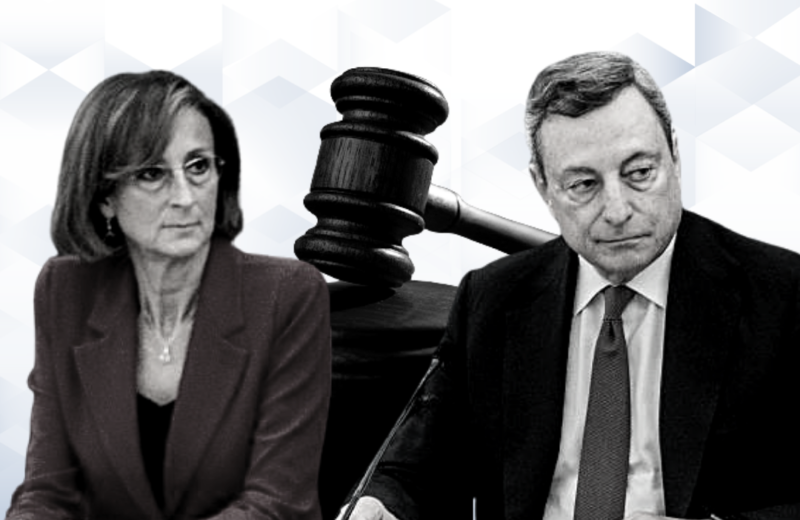
In Italy, Parliament approved the highly debated security decree, a measure that sparked widespread political and social discussion. The bill introduces new regulations on immigration control, management of migration flows, and reinforcement of law enforcement. The legislative process has drawn a sharp divide between supporters, who see it as a necessary response to complex global challenges, and opponents, who consider it a step backward in terms of human rights and inclusivity. The ongoing debate reflects tensions between the need for security and the protection of fundamental societal values. This tension could either escalate or diminish after the June 8th referendum, particularly regarding the question on citizenship (proposing to lower the requirement from 10 to 5 years before applying, editor’s note).
Tensions in Rome, tensions across the ocean: the relationship between Donald Trump and Elon Musk, once a strategic alliance, has now unexpectedly fractured. What began as mutual support has turned into a very public conflict. Musk, initially a Trump supporter, strongly criticized the “One Big Beautiful Bill Act,” accusing it of increasing national debt without effectively addressing underlying economic issues. In response, Trump threatened to revoke tax incentives for electric vehicles, putting the future of Musk’s companies at risk. This clash also had market repercussions, with Tesla’s stock value taking a significant hit.
While Tesla’s stock falls, so do interest rates in Frankfurt. After months of anticipation, the European Central Bank has decided to cut interest rates again, bringing them down to 2%, the lowest level since December 2022. This move, the seventh consecutive cut, reflects the ECB’s intention to stimulate Europe’s still-fragile economy after years of challenges. Forecasts indicate inflation nearing the 2% target and moderate economic growth, with GDP projections of 0.9% for 2025. However, the ECB warned that future moves will depend on evolving economic data and market conditions.
In summary, this week highlighted how political and economic decisions are deeply interconnected and how they can significantly influence the future course of modern societies. While Italy wrestles with internal issues of security and rights, the U.S. faces political turbulence, and Europe seeks to balance economic stimulus with global uncertainties. In this context, closely tracking developments and the responses of institutions and citizens is crucial, as today’s choices will shape the political and economic landscape of the coming years.