Between pressured leaderships, shifting parties, and local elections as a political test
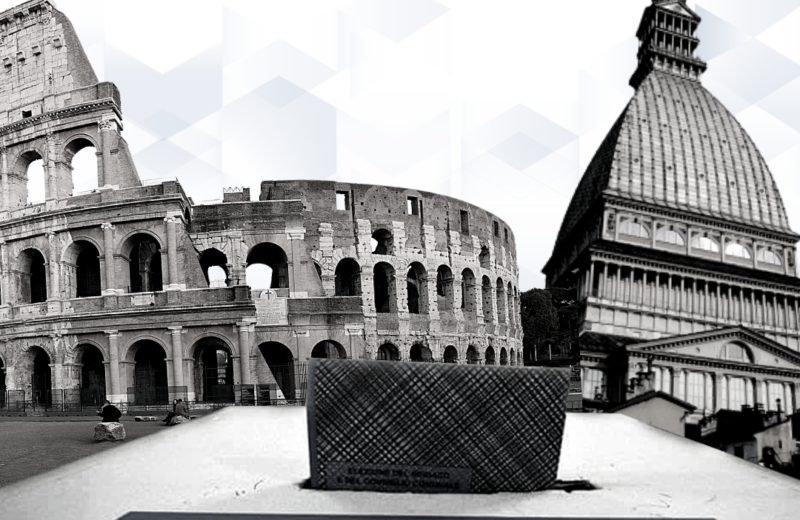
Italian politics appears to be moving through one of those phases in which the most significant developments take place beneath the surface. We are not facing a government crisis in the formal sense of the term, but neither are we witnessing a period of static equilibrium. The tensions running through political parties, the dynamics surrounding leadership figures, and the broader reflections emerging around the main actors on the political stage instead point to a system that continues to evolve as the local election season enters its decisive phase. Local elections undoubtedly represent an immediate test, but the impression that emerges is that the contest extends beyond territorial consensus alone. In the background, a broader issue begins to take shape: the redefinition of political balances and party identities within a phase that appears less static than it may initially seem.
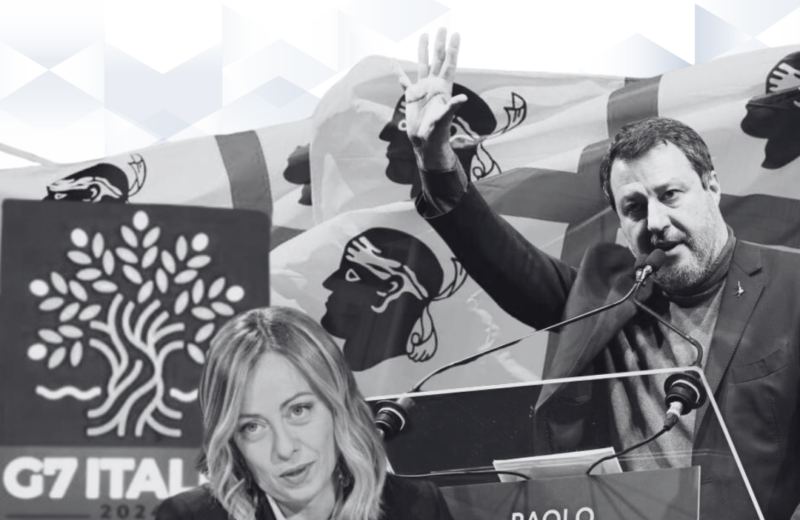
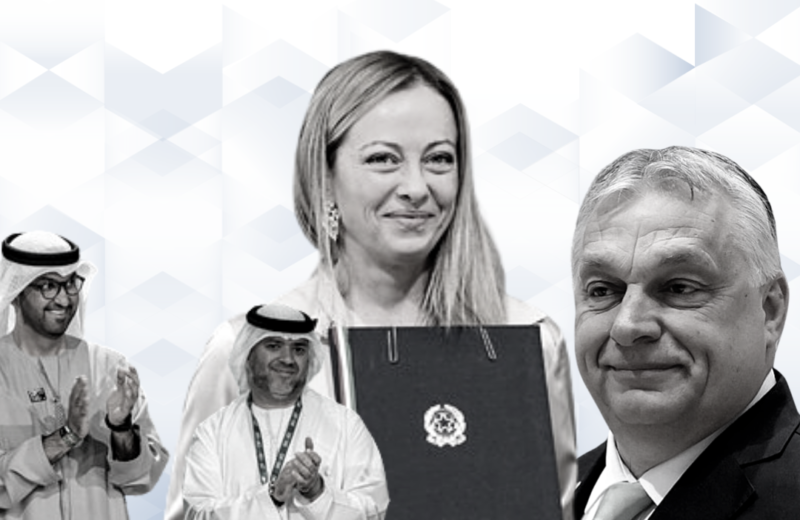
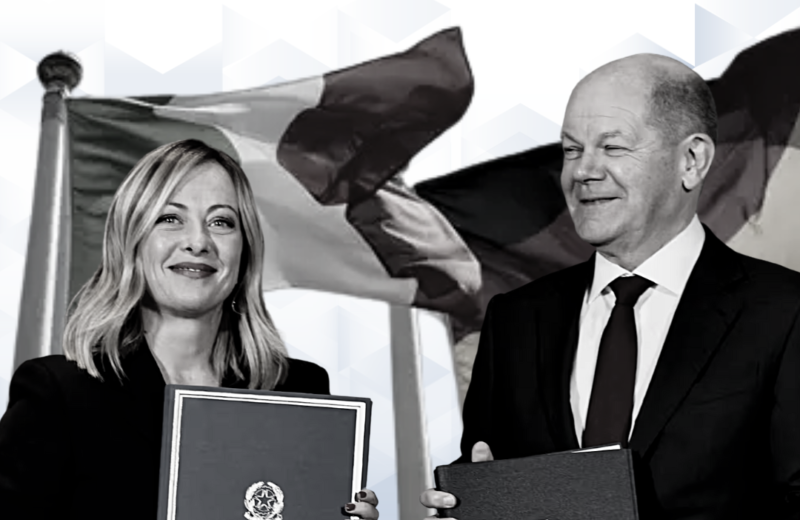
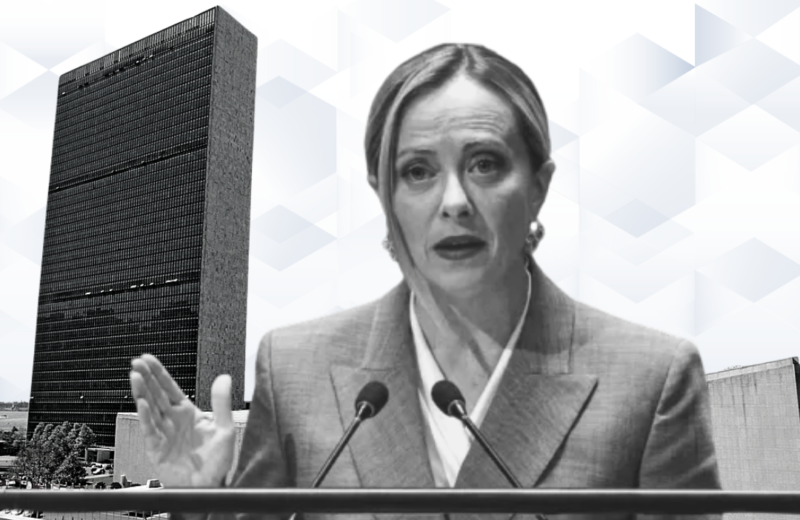
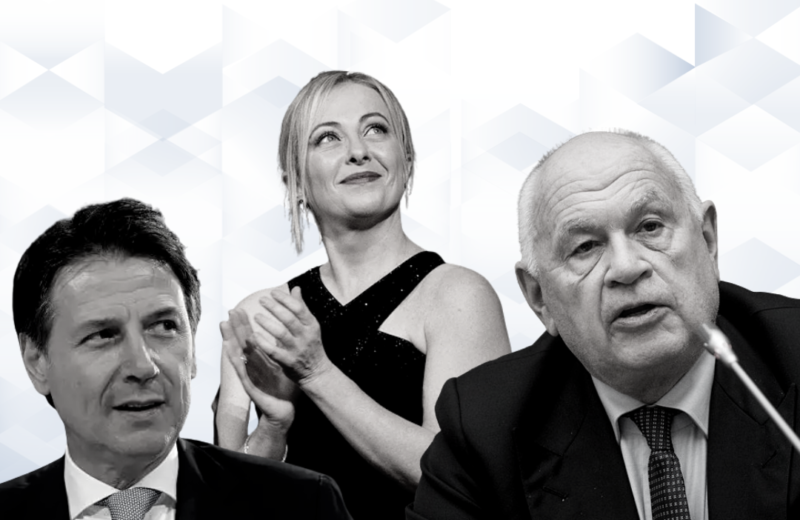
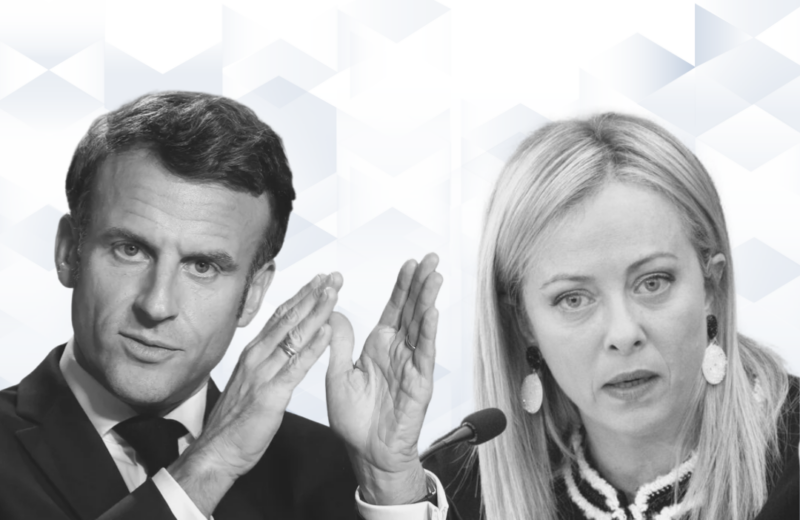
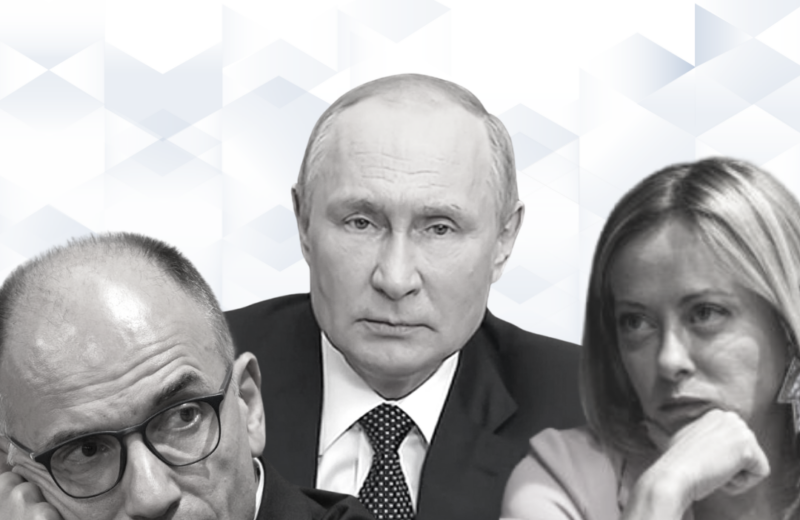
Within the centre-right coalition, the central issue continues to revolve around Giorgia Meloni. More than a matter of polling numbers or approval ratings, the debate seems to concern the relationship between the strength of her leadership and the overall cohesion of the coalition itself. In recent years, the Prime Minister has progressively built a political position capable of combining internal stability, international visibility, and a central role in shaping the national agenda. Yet the growth of this centrality inevitably reshapes the balance within the majority. In politics, strong leadership does not simply consolidate authority; it also alters the positioning and behaviour of allies.
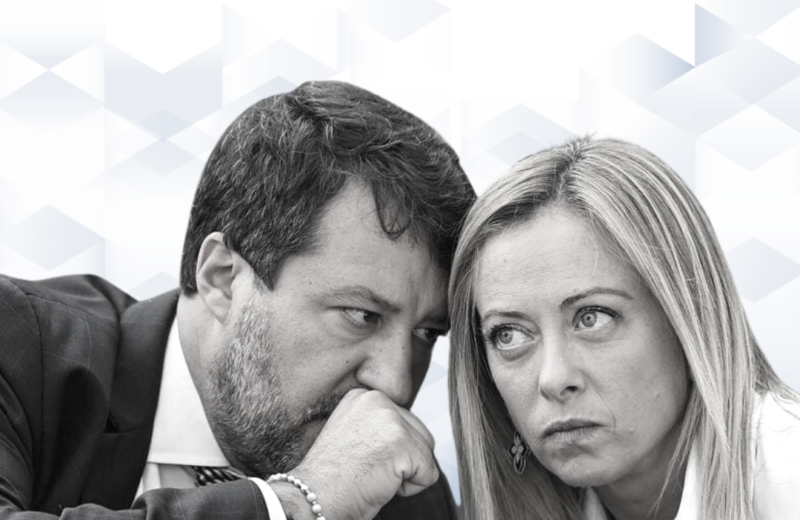
This is where the issue of the League enters the picture. The discussions surrounding Matteo Salvini and the increasing political relevance attributed to Roberto Vannacci appear to reflect something beyond ordinary internal dynamics. The question seems less about individuals and more about the party’s future direction and its search for a renewed political identity. Over the years, the League has undergone profound transformations, moving from its strong territorial roots to broader national ambitions and eventually into a governing role. Today the challenge appears to be redefining its political space without losing recognisability.
For FdI, however, the issue is somewhat different. The challenge is not primarily electoral growth itself, but the management of an increasingly evident political centrality. Governing over an extended period requires a different transformation from that experienced in opposition: it means preserving mobilisation capacity and political identity while institutional responsibilities continue to grow.
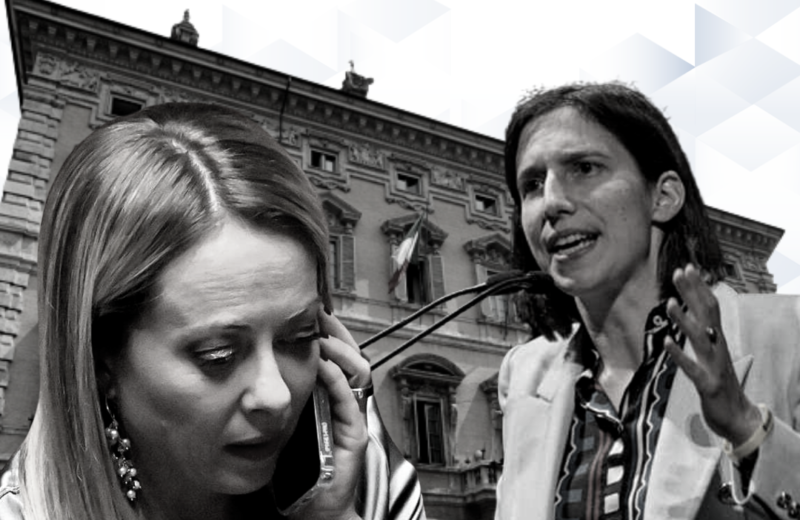
If the dominant issue within the centre-right seems to concern internal balances and the distribution of political weight, the opposition camp appears increasingly focused on a deeper question surrounding identity. The discussions emerging this week once again bring to the forefront a question that has long accompanied the centre-left: whether building consensus through opposition to political rivals is enough, or whether a more autonomous and recognisable political project is required, capable of bringing together growth, labour, security, competitiveness, and broader economic transformation.
Beyond individual dynamics and political figures, what emerges is the image of a political system still engaged in a gradual process of internal redefinition. Local elections will certainly measure political strength and territorial roots, but the more important challenge now taking shape concerns something else: the ability of political forces to clarify what they intend to represent before explaining what they intend to do.