Protections, Conflicts and Consensus: The Western System Tested by Global Equilibria
The week closed with global symbols and national political shifts woven tightly together. The International Day for the Elimination of Violence Against Women brought back into focus one of the structural vulnerabilities of contemporary societies: the ability of states to safeguard fundamental rights in a world marked by instability and unresolved crises. European institutions renewed their call for stronger prevention and protection mechanisms, framing gender-based violence within a broader reflection on the democratic resilience of the Union. At the same time, international tensions continue to compress the political space devoted to rights, as geopolitical polarisation – from great-power rivalry to the erosion of multilateralism – indirectly undermines governments’ capacity to guarantee security, welfare and social cohesion.
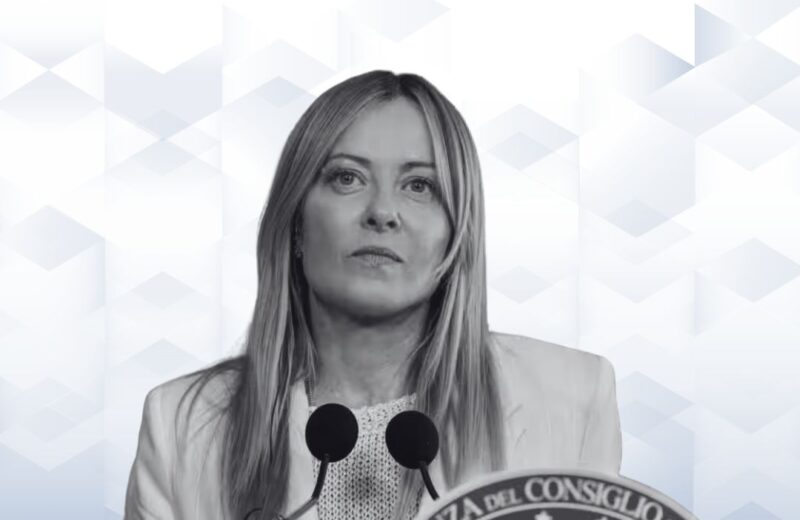
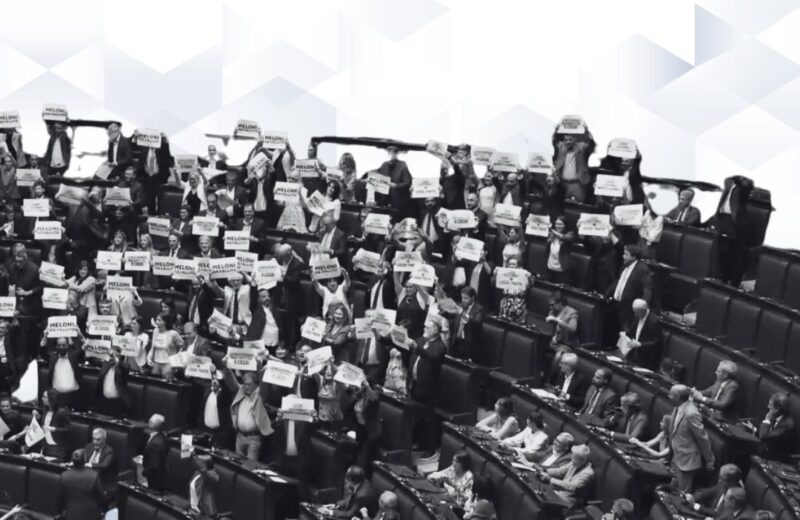
While Brussels urges member states to take a qualitative leap in protection policies, Italy has navigated a politically intense week. On one side, social pressure linked to the budget law, the national strike and the slowdown in dialogue between government and unions; on the other, an institutional signal that breaks with recent patterns: the unanimous approval in the Chamber of Deputies of the provision establishing femicide as an autonomous crime punishable with life imprisonment. The decision carries not only legal weight but also political and cultural significance, translating into law a need widely felt in society and aligning the national framework with the principles of the Istanbul Convention and ongoing EU initiatives. The cross-party convergence in Parliament shows how, on certain issues, the political system recognises the systemic impact of gender-based violence and attempts to intervene where the social fabric is most exposed.
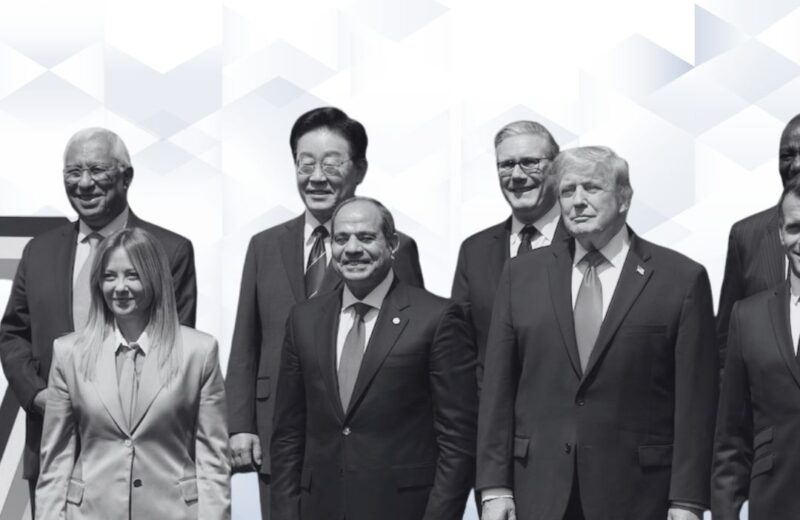
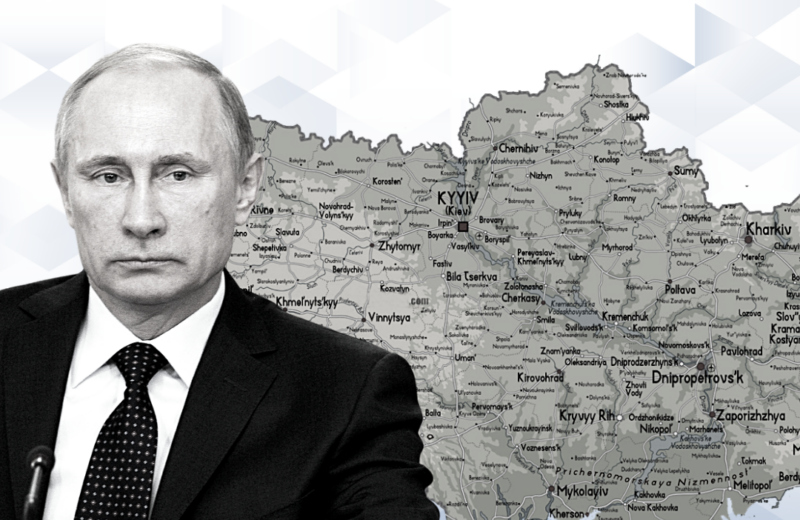
Internationally, the landscape remains dominated by the war in Ukraine, where the past few days have seen tentative efforts to revive diplomacy. An embryonic negotiation outline is circulating: Kyiv may have softened some early demands while maintaining its principles of sovereignty and territorial integrity, as European capitals and Washington watch cautiously, aware that any compromise risks igniting domestic divisions and further tensions along the West’s eastern flank. In this context, the connection between rights, security and governance becomes starkly visible: the vulnerability of women in peacetime reflects the fragility of societies under strain, while in wartime their rights are among the first to be violated, instrumentalised or erased.
This is precisely where the week’s developments converge. The insistence of European institutions on women’s rights, Italy’s decision to formally codify femicide as a standalone crime, and the search for a diplomatic opening in the conflict closest to the EU’s borders all speak to the same underlying question: the ability of democratic states to protect the most vulnerable in an increasingly unstable world. Safeguarding rights is not a marginal chapter of geopolitics; it is a core dimension of global security. And the past week made this point with unusual clarity: whether in international crises or within democratic societies, those left without protections provide the most immediate indicator of the system’s overall health.