Across budgets, global crises and new frictions
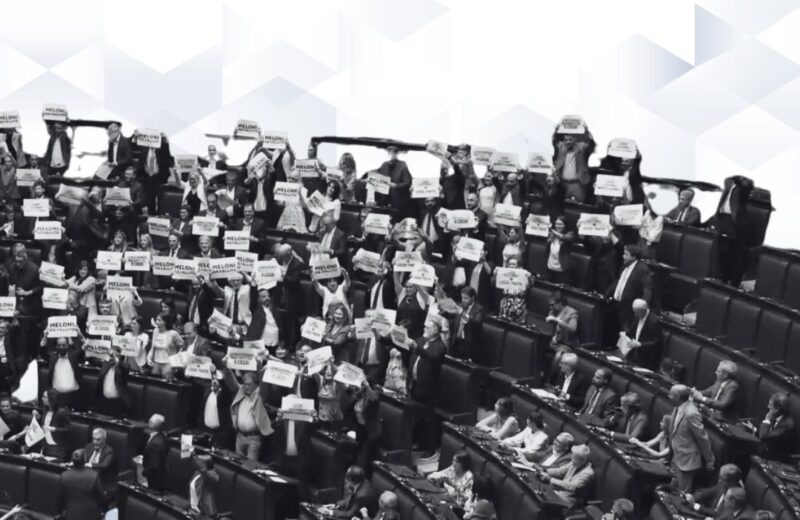
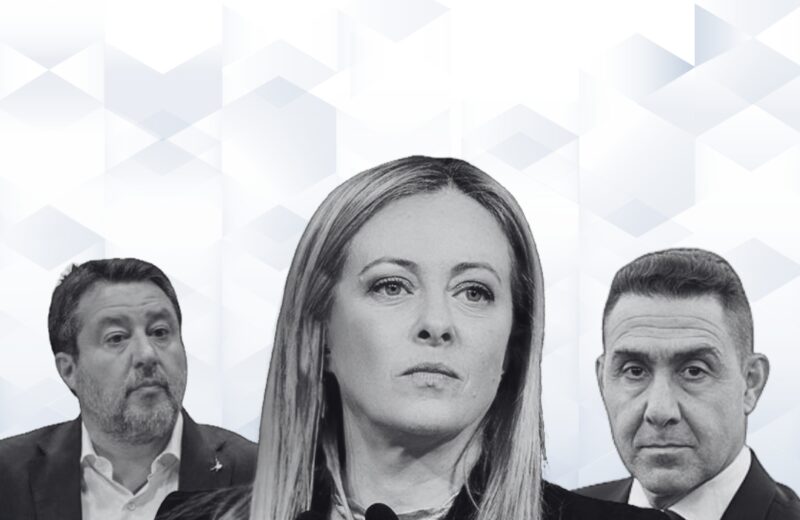
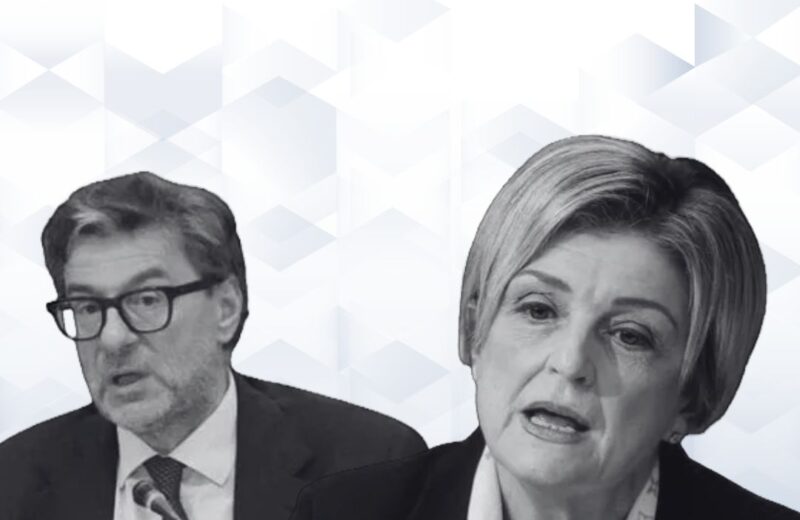
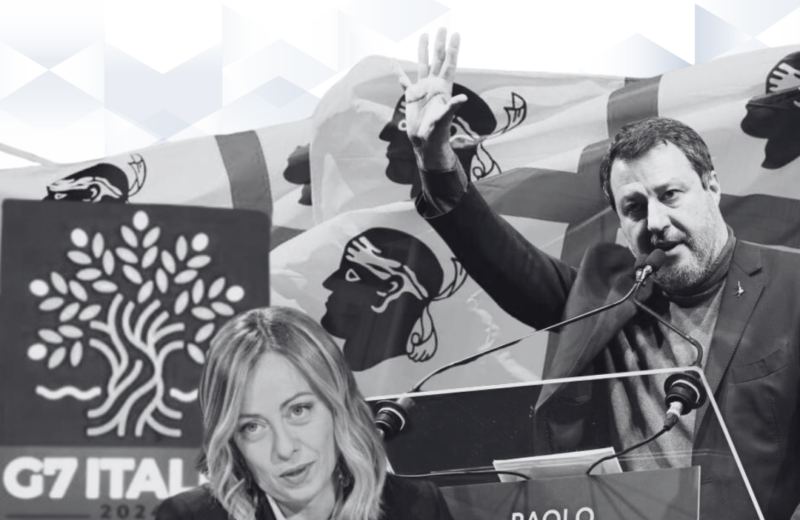
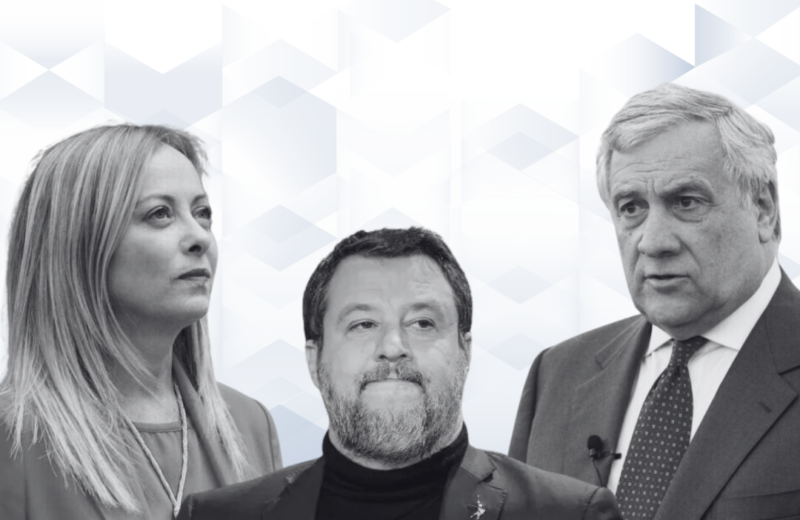
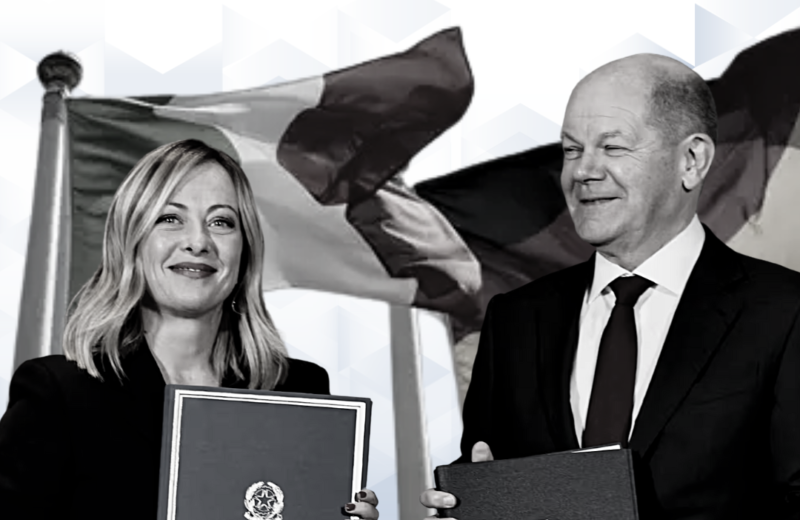
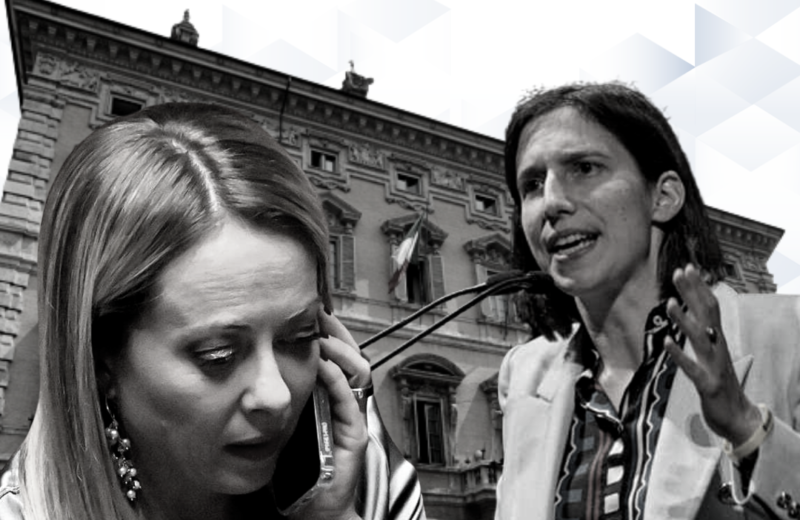
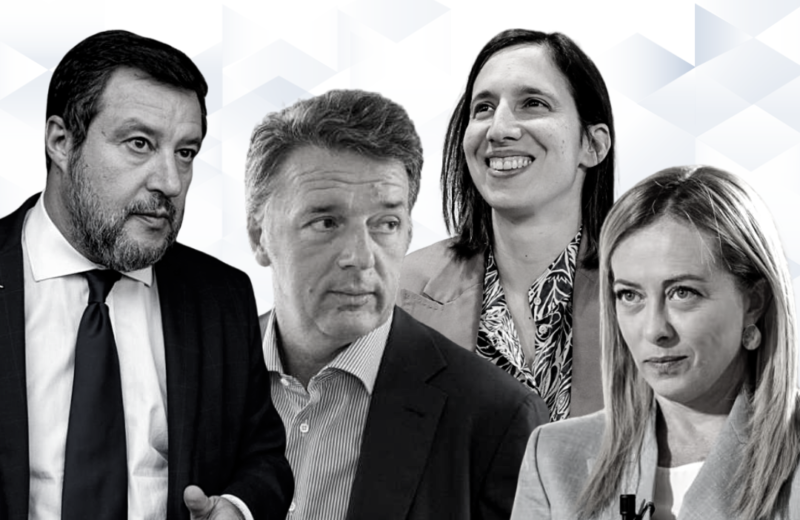
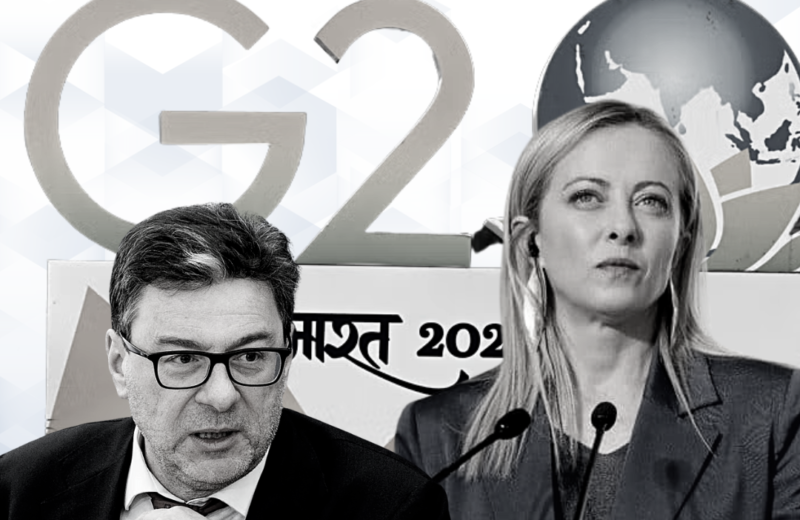
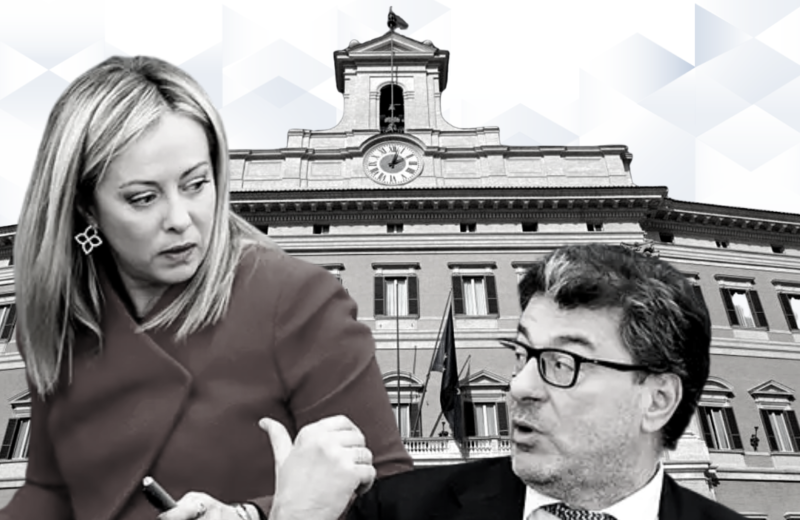
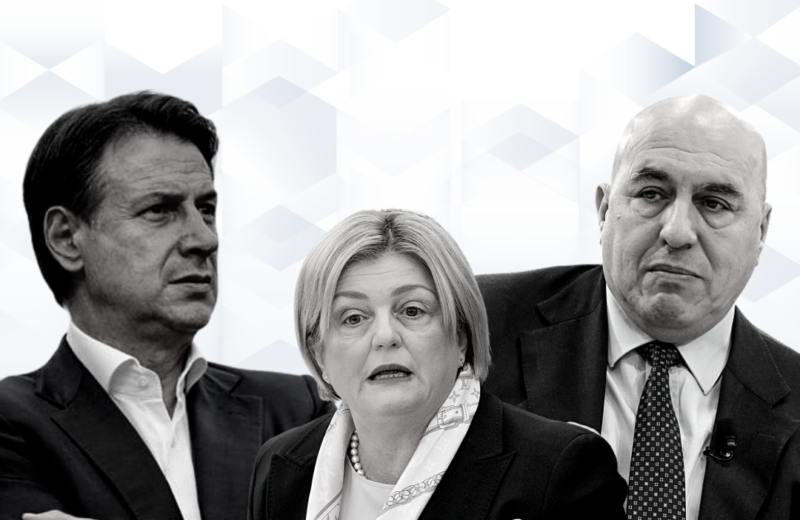
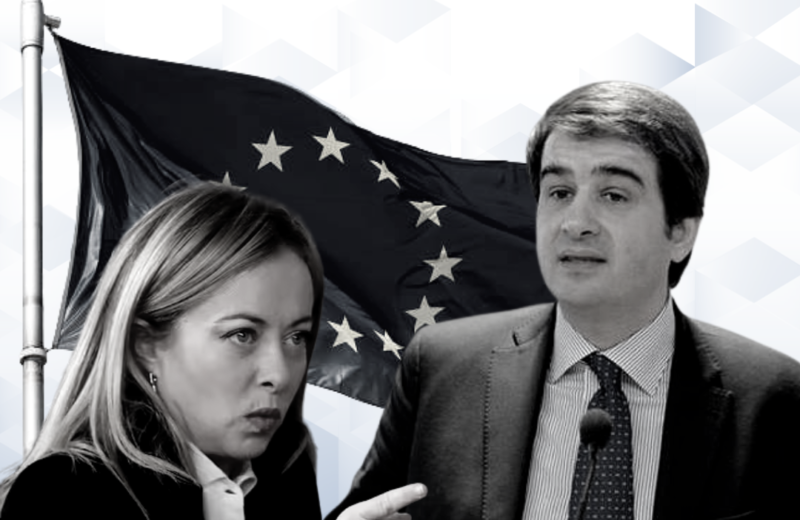
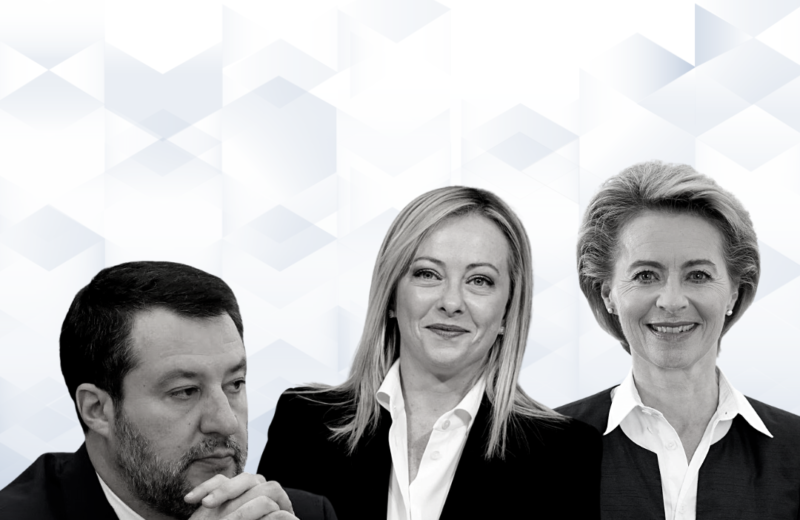
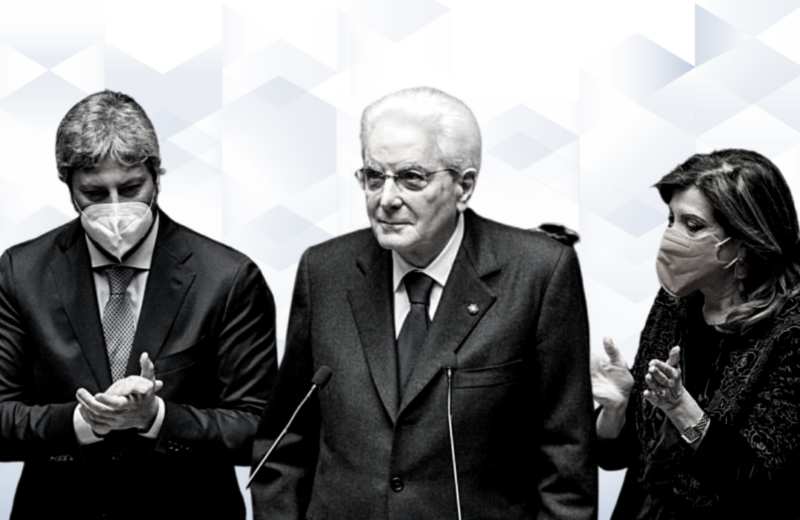
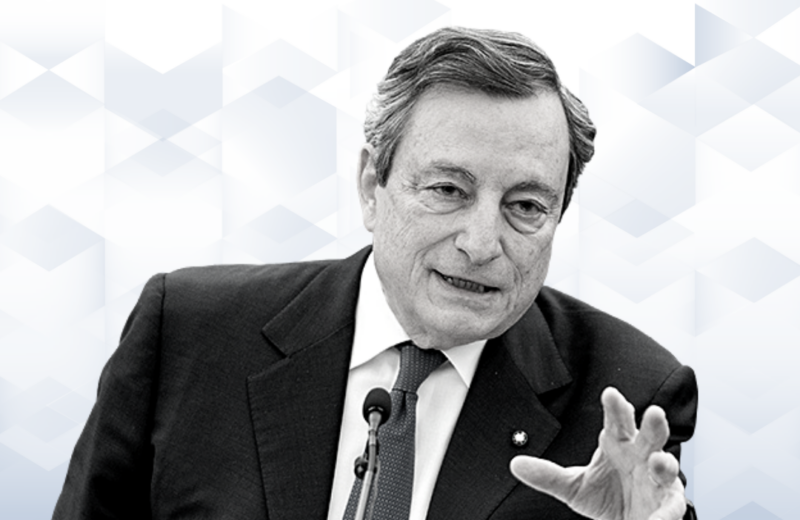
The sense, more than in previous weeks, is that both Italy and Europe are moving simultaneously on multiple fronts, forced to keep together public finances, geopolitics and judicial matters touching the core of their institutions. In Italy, debate on the Budget Law is proceeding uphill: a text that maintains the cut to labour taxes, redesigns personal income brackets and tries to distribute resources across defence, cyber-security, infrastructure and energy, yet operates within extremely narrow margins and a weakening European economy. The opposition calls for a shift on wages, healthcare and education, while the governing majority works to avoid internal fractures in a phase that already anticipates the climate of the European elections. Exactly as the budget enters its decisive stage, Atreju opens in Rome — the political gathering that each year becomes a barometer of the Italian right’s internal balance. The dominant theme remains Italy’s international positioning, with a strong emphasis on security, technological sovereignty and attracting investment: ambitious goals that collide with fiscal constraints and a global environment moving faster than politics.
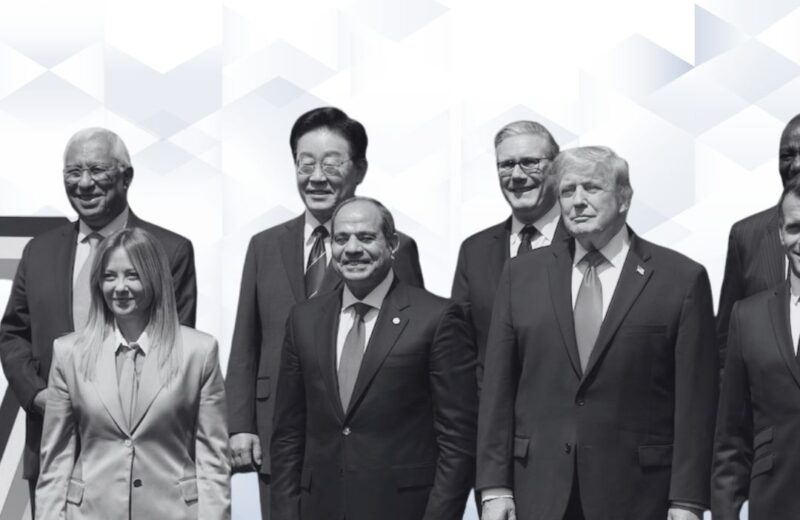
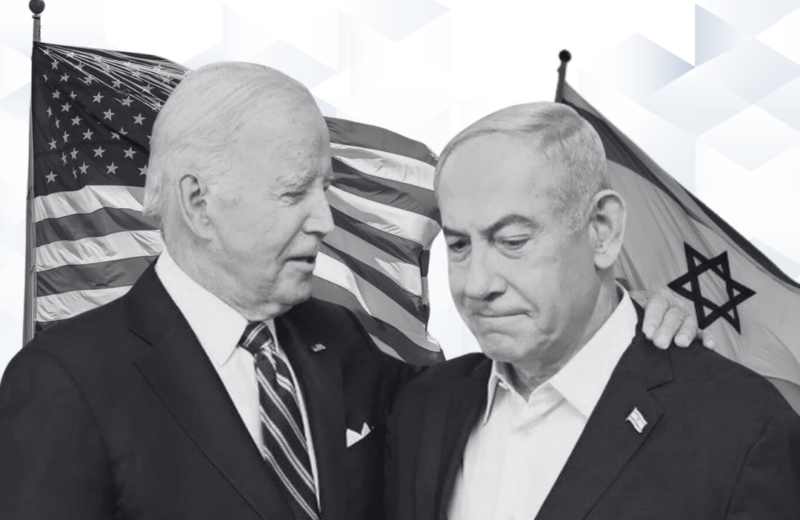
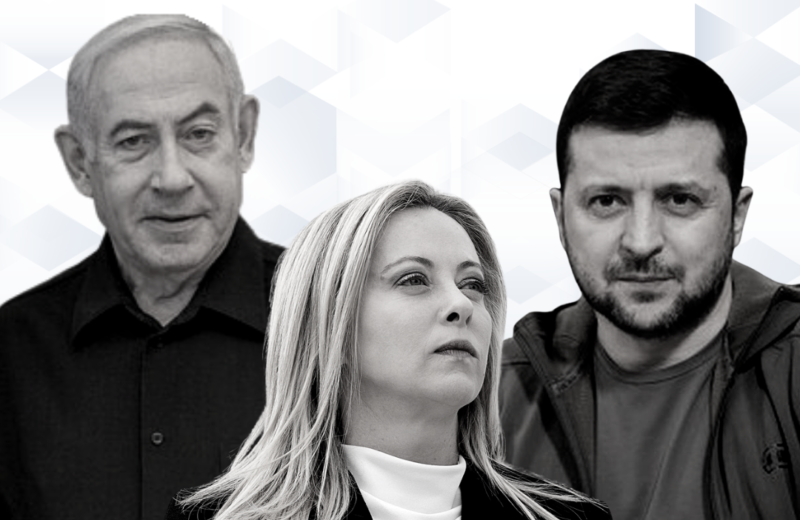
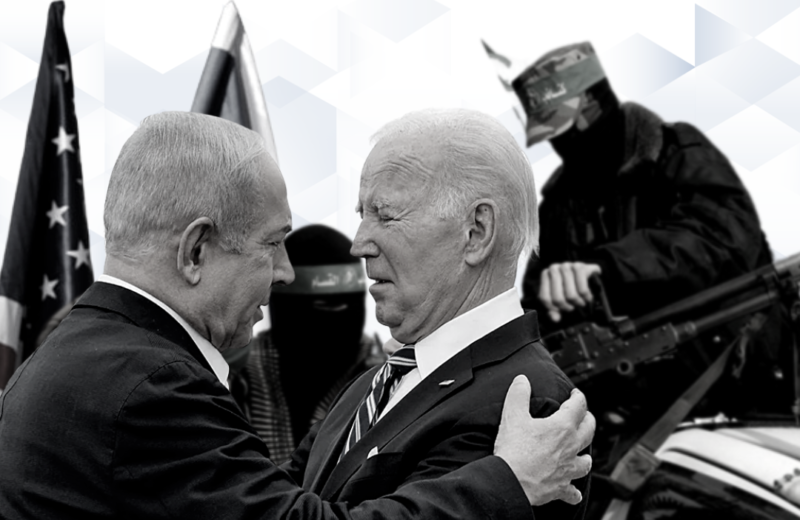
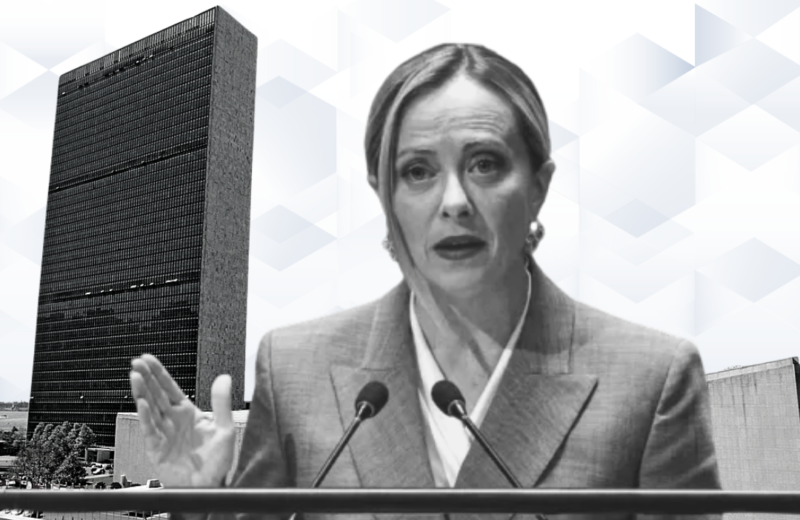
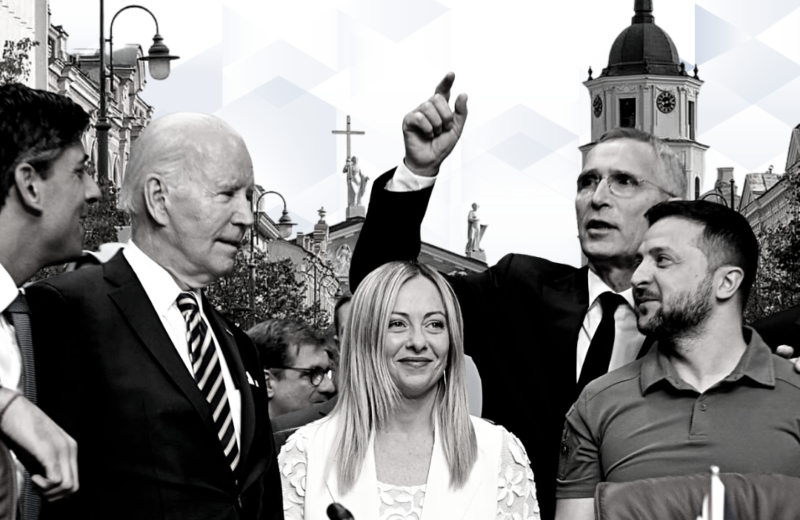
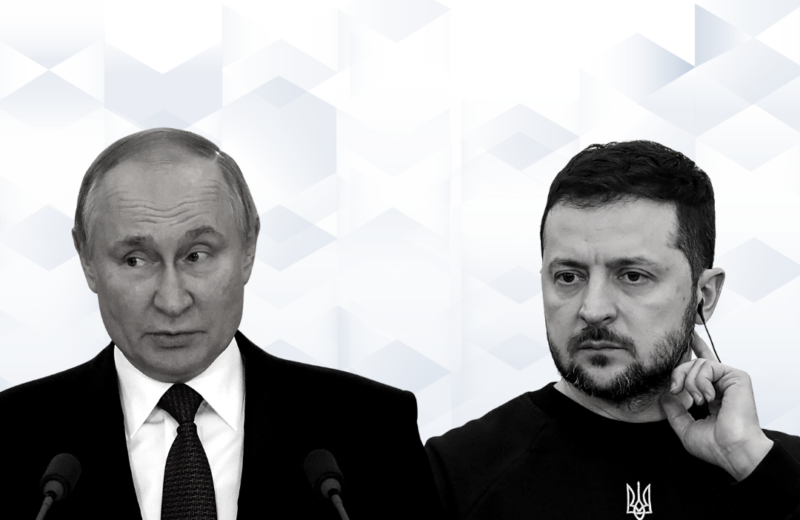
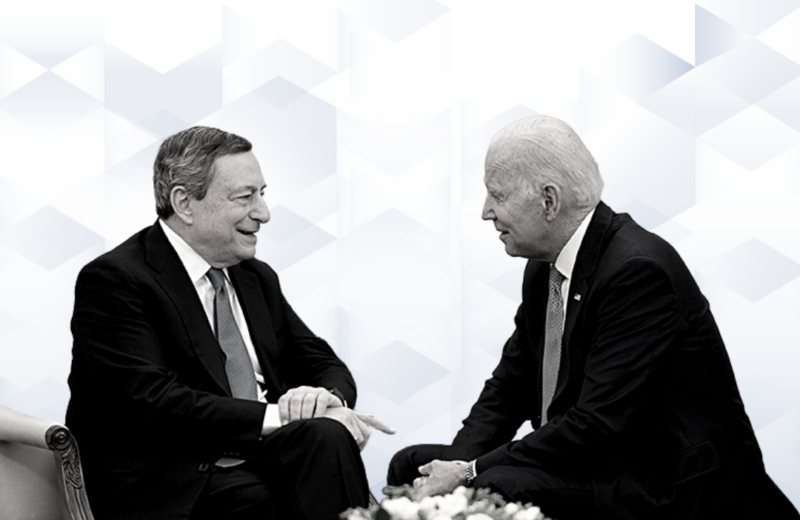
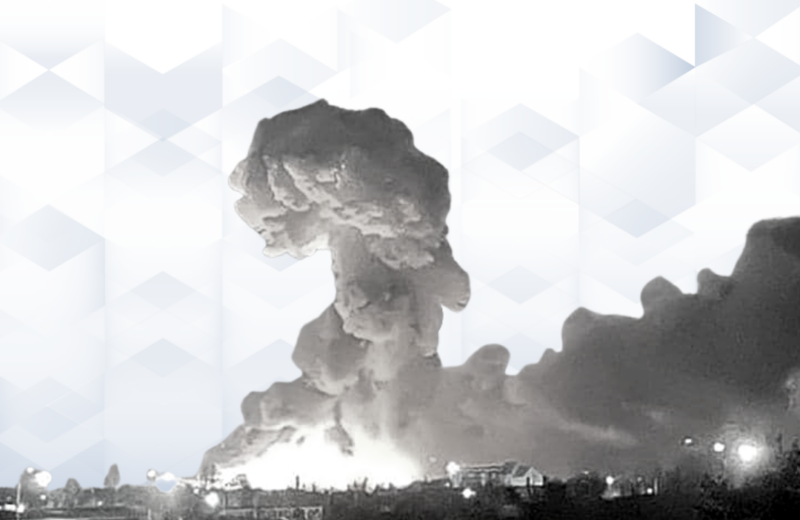
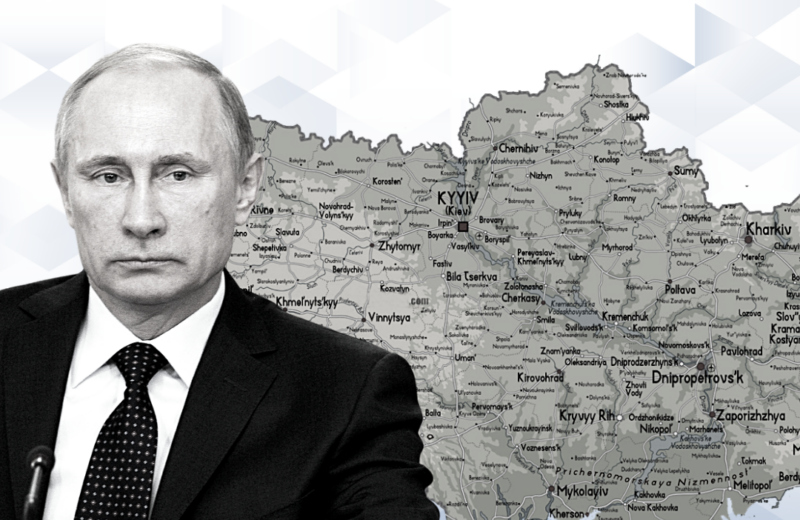
On the external front, diplomacy is stirring again: between Kyiv and Moscow contacts are multiplying in an attempt to define at least a technical ceasefire. It remains a fragile negotiation, with Kyiv seeking military relief without territorial concessions and Moscow aiming to freeze the balance of power on the ground. Europe watches cautiously, while the new US administration reshapes the transatlantic agenda, influencing both the management of military aid and the stability of the negotiating table.
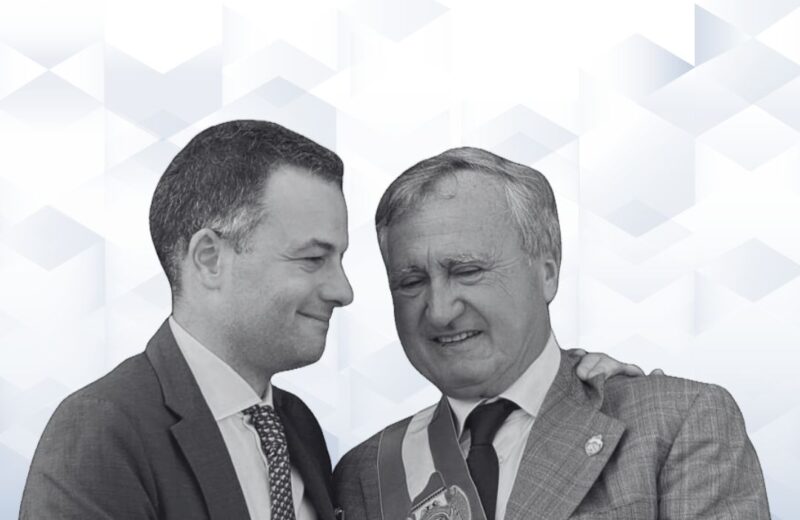
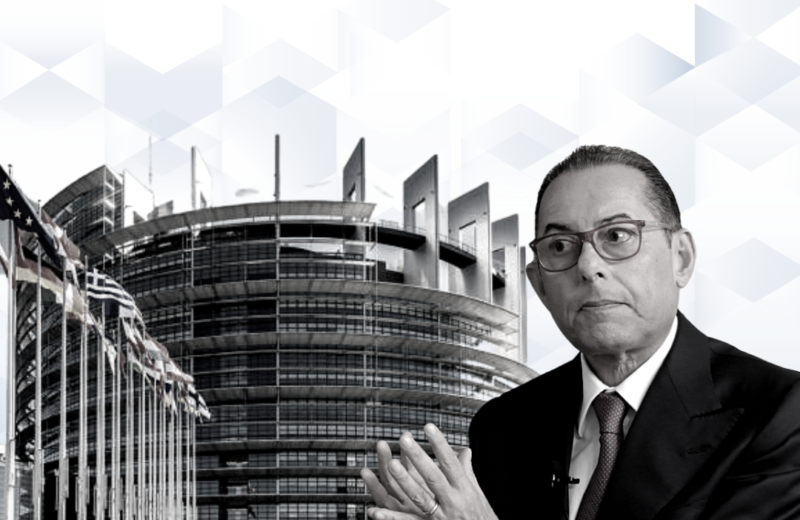
Completing the picture is the judicial affair involving Federica Mogherini and Stefano Sannino, an investigation that touches the uppermost networks of European diplomacy and training institutions. Though still at a preliminary stage, the case immediately polarised the debate, reopening the question of accountability in public roles and the vulnerabilities of the grey zones between institutional relations, consultancy work and the governance of EU structures. Overall, it emerges as a week in which domestic and international dimensions run on the same plane: the budget reflects global uncertainty, Atreju measures the majority’s ambitions, the Ukrainian negotiation highlights the continent’s fragility, and the investigation into Italian officials in Europe underscores the need for greater transparency. An interwoven scenario that confirms how difficult it has become to separate economics, politics and diplomacy in a world evolving faster than governments and institutions can adapt.