Trump and the tariff war: between political calculations and global tensions
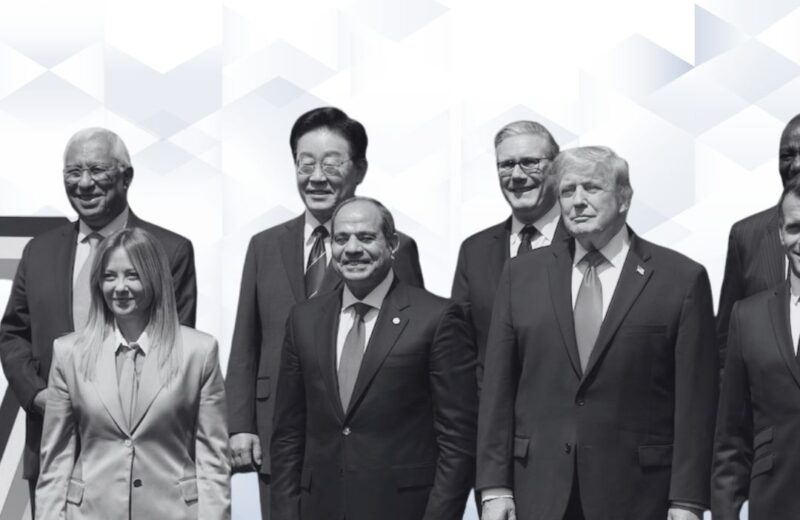
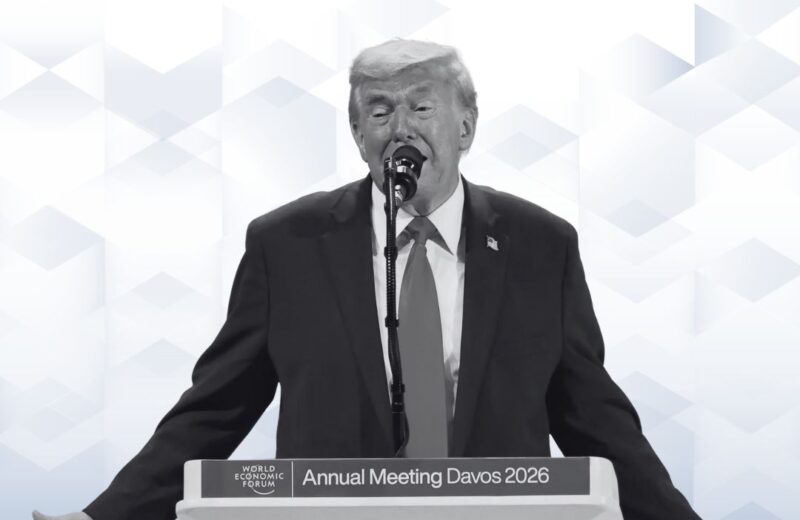
Donald Trump has once again reopened the global trade front with his characteristic determination. Two executive orders, signed in the dead of night, have imposed new tariffs on roughly seventy countries: a move fully in line with the logic of his second term and one that reaffirms his intention to use trade not only as an economic tool but also as a political lever. The new tariffs are set to take effect on August 7, barring any last-minute deals. The one exception: Canada, a long-time partner, which has already been hit with an immediate increase from 25 to 35 percent.
This decision is part of a well-established pattern: raising pressure, creating urgency, and forcing negotiating partners to move quickly on Washington’s terms. It’s an approach that in recent months has already led several countries to sign bilateral deals—some more favorable to the United States than others—often simply to avoid worse outcomes. Europe, once again, has been drawn to the table in a defensive posture: Brussels managed to contain tariffs to 15 percent, but only by accepting commitments on U.S. purchases and investments that amount to a compromise far from painless.
Trump presents these deals as proof of his success, framing them as evidence of his ability to “make the world negotiate.” Yet behind these triumphalist declarations, growing questions remain: how sustainable is this constant pressure game, both for the international system and for the U.S. economy itself? At home, American exporters and the agricultural sector are feeling the strain of trade frictions, while inflation remains a tangible concern for many citizens.
China, the main target of this policy, continues to hold its ground without making substantial concessions, turning the tariff dispute into a long-term standoff that risks reshaping global alignments. Europe, for its part, looks divided and under pressure, forced to accept compromises that, at best, help contain the damage.
The one-week delay in implementing the new tariffs shows that the White House still sees room for negotiation, but it also underscores how U.S. trade policy now operates on rolling deadlines and sudden announcements. It’s a strategy that keeps the world’s attention focused, but also feeds a constant sense of uncertainty—challenging for governments, businesses, and markets alike.
Within this landscape, Trump moves with confidence, alternating pressure and openings, convinced that this tense and controversial approach will ultimately benefit the United States. Yet it remains to be seen whether this “tariff diplomacy” can truly deliver lasting and concrete results—or whether it will leave behind a more fragile, fragmented, and difficult-to-manage international order.