Italy under pressure: Meloni, Palestine, and the Revolting Streets
It has been an intense week for Italian politics, one of those moments where events seem to intertwine on multiple levels: foreign, domestic, symbolic. There have been strong words, delicate decisions, protests in the streets, and even acts of clemency. Each of these events tells something about the moment Italy is going through.
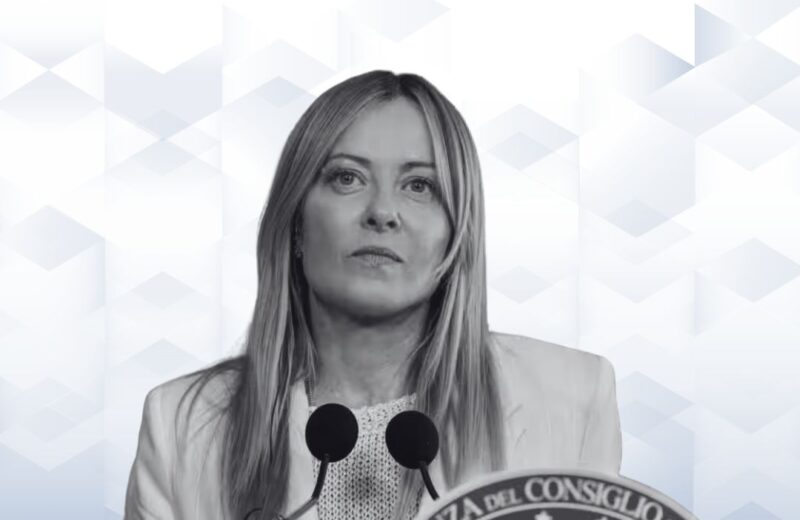
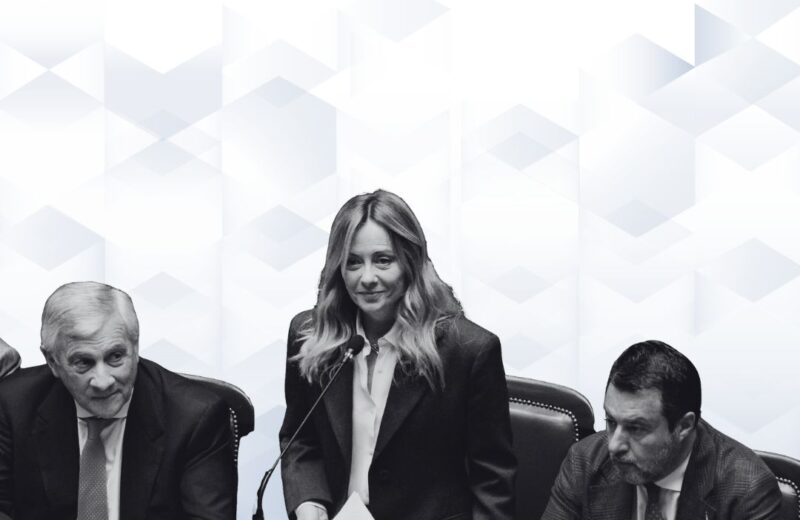
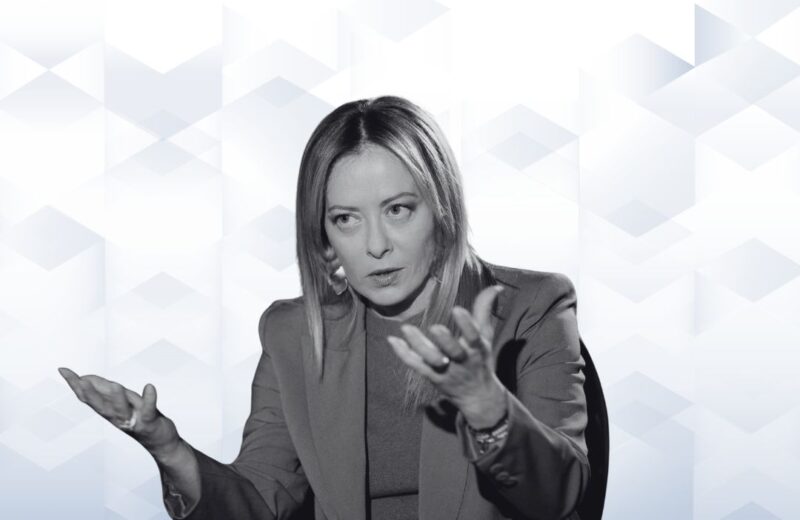
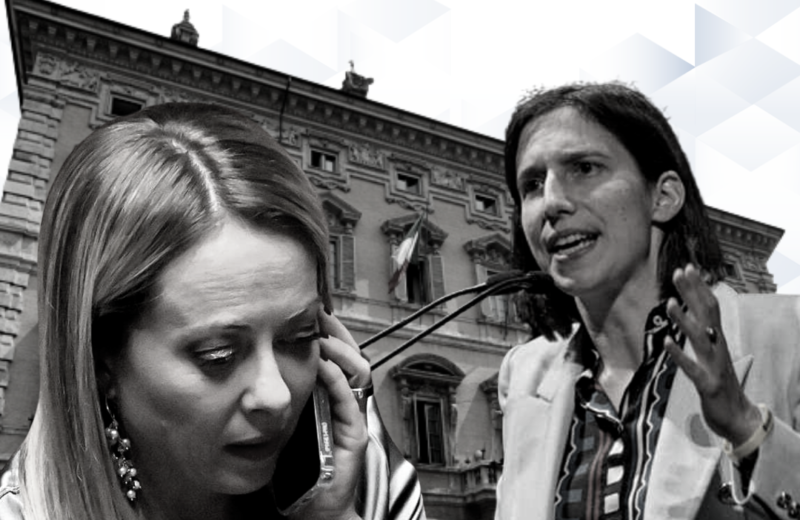
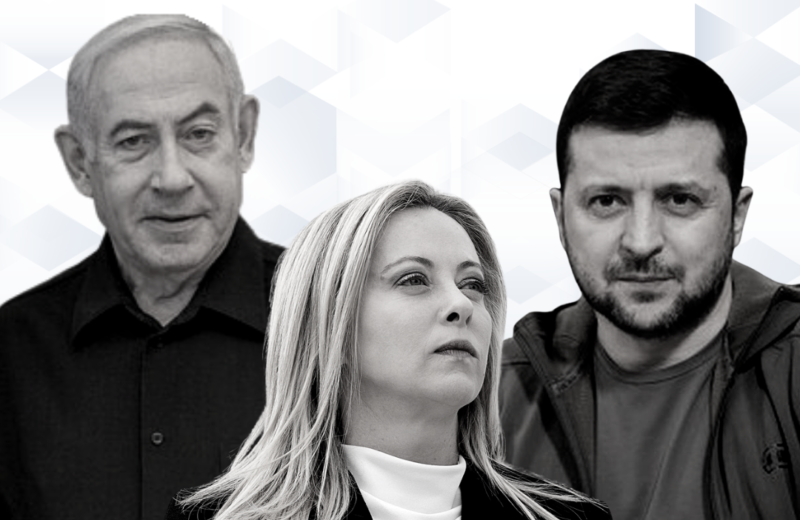
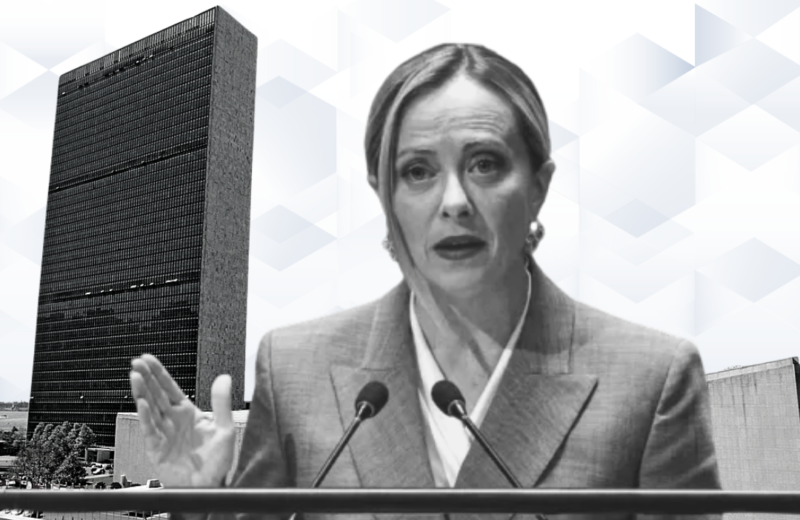
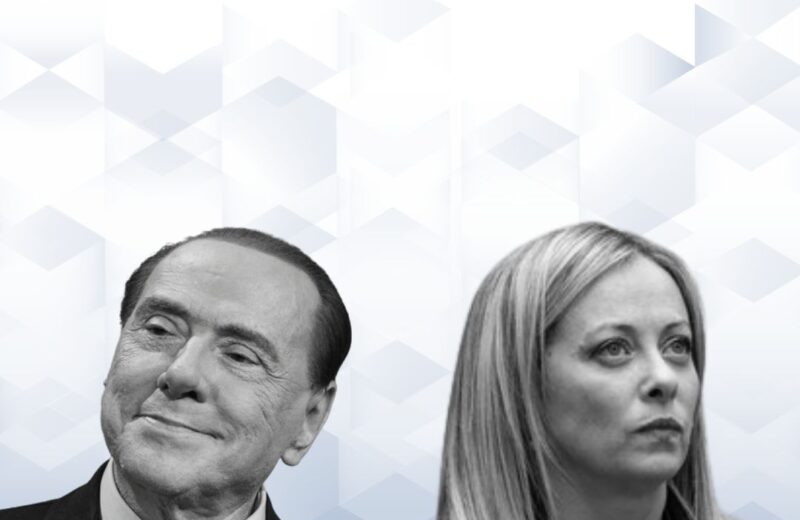
Let’s start with Giorgia Meloni and the most heated issue: the war in Gaza and the possible recognition of the State of Palestine. The Prime Minister, speaking at the United Nations General Assembly, opened a window, saying that Italy is ready to recognize Palestine, but with two conditions: that Hamas release all Israeli hostages and that it be excluded from the future Palestinian government.
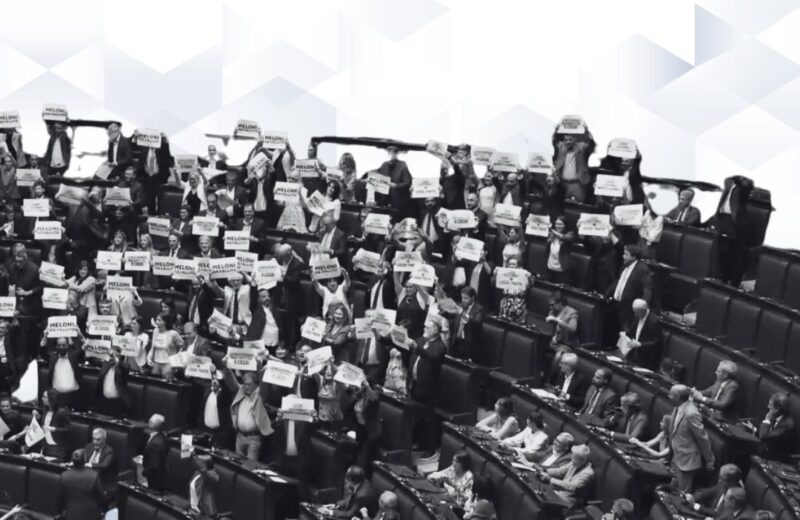
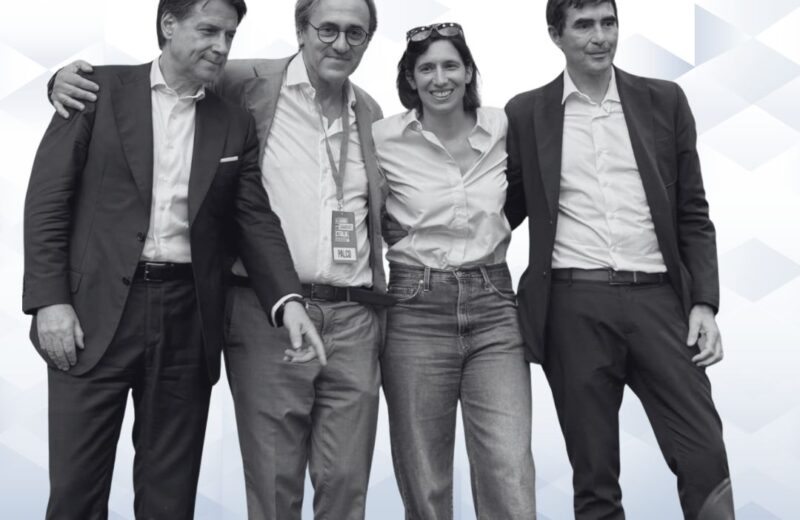
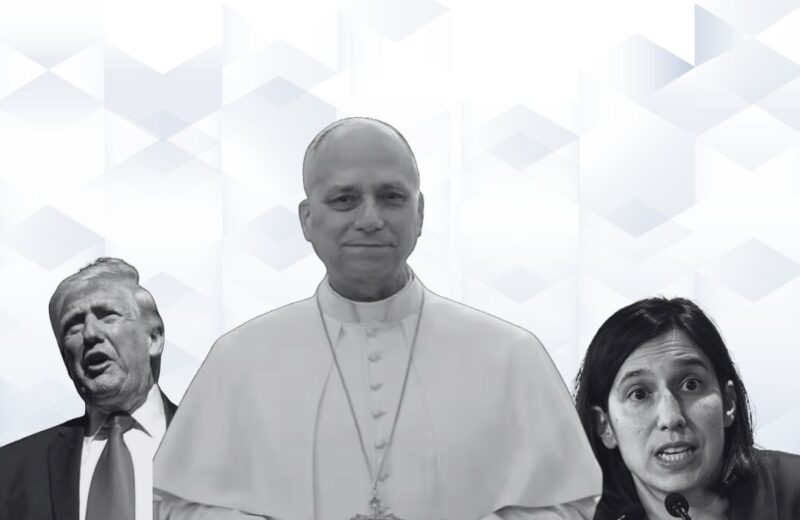
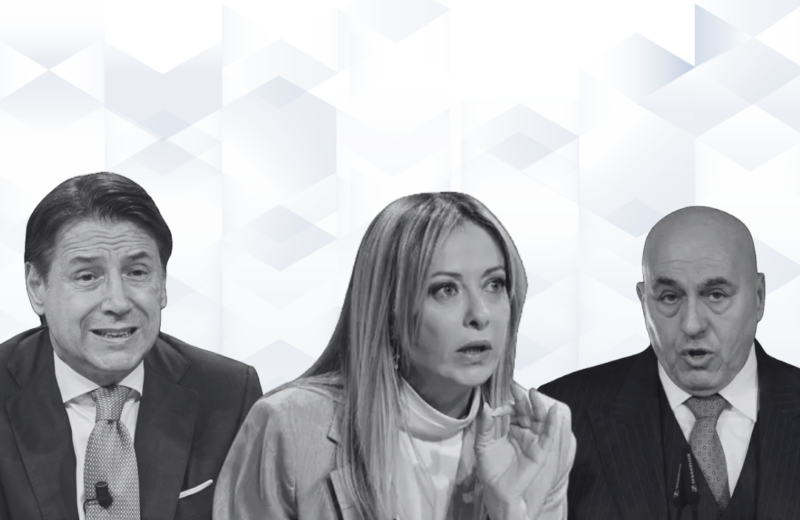
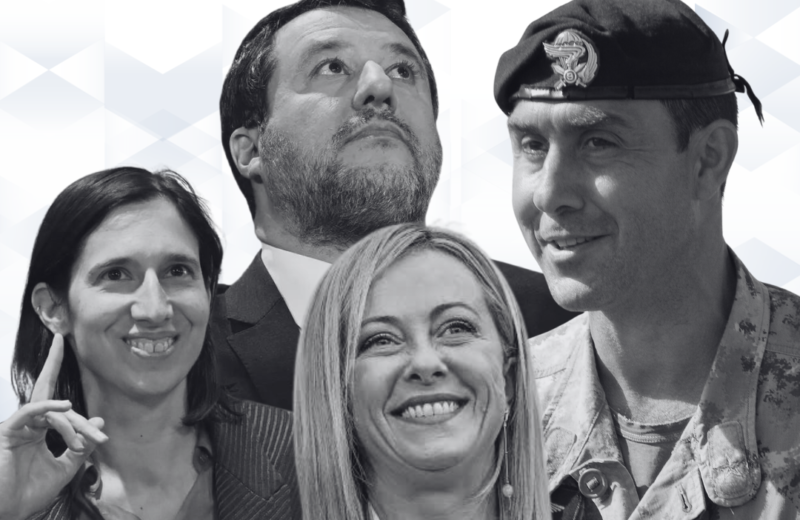
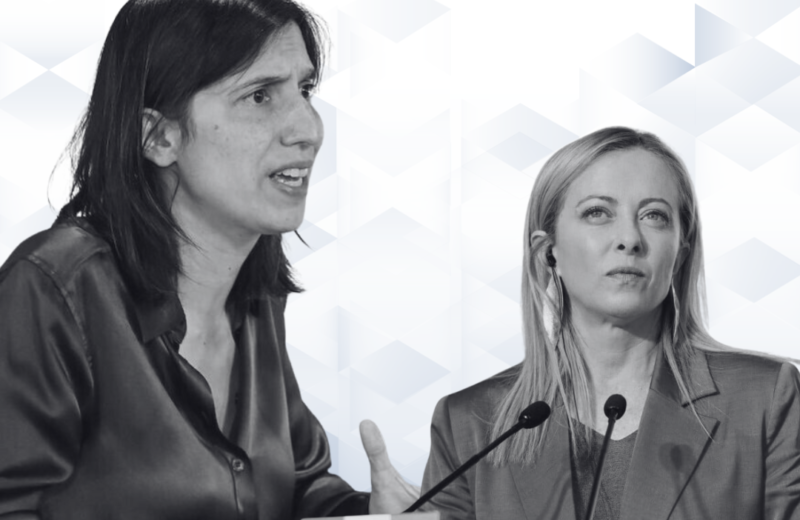
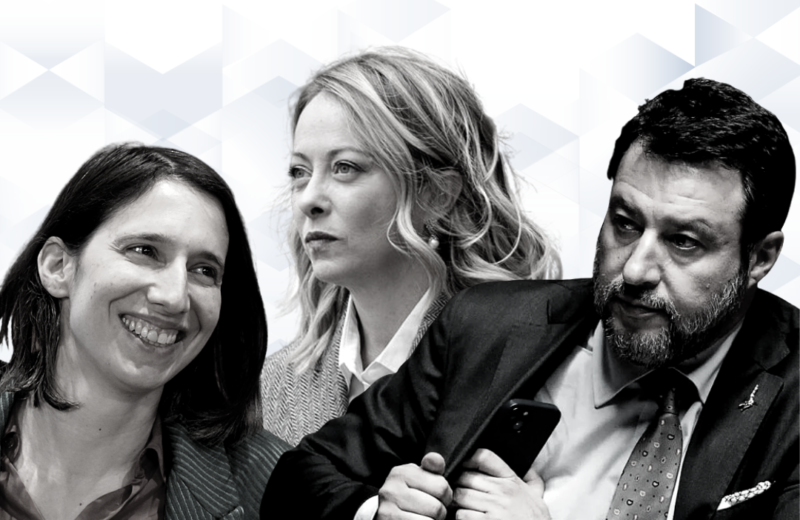
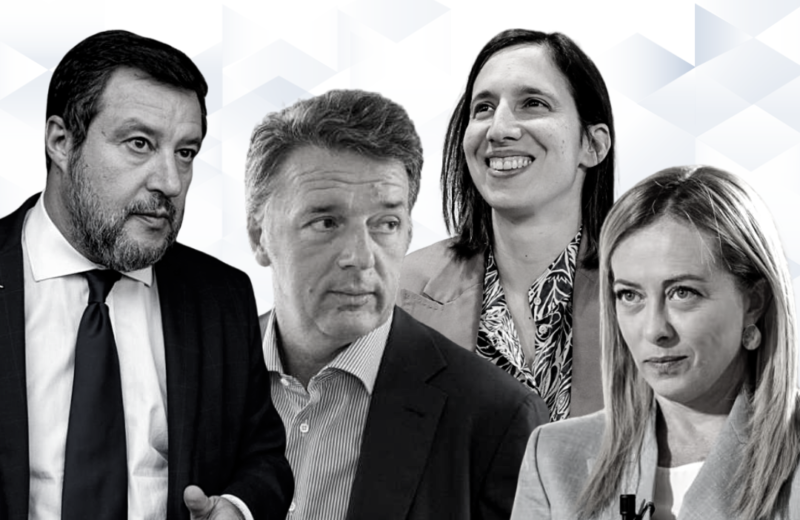
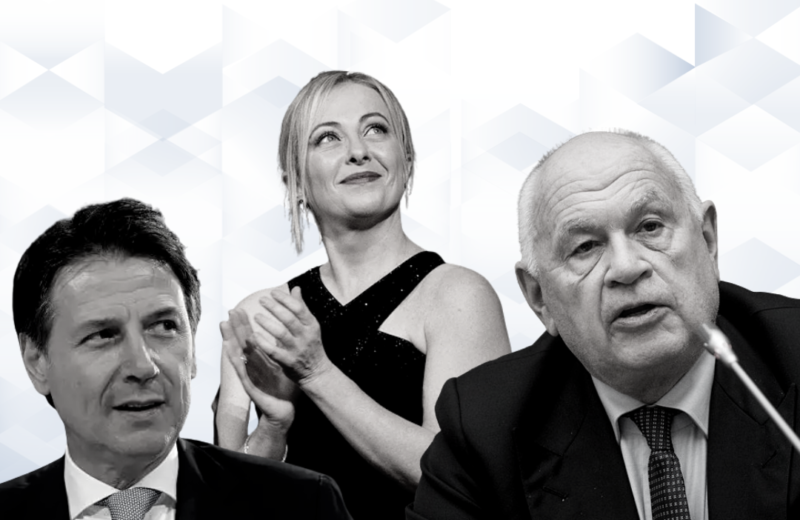
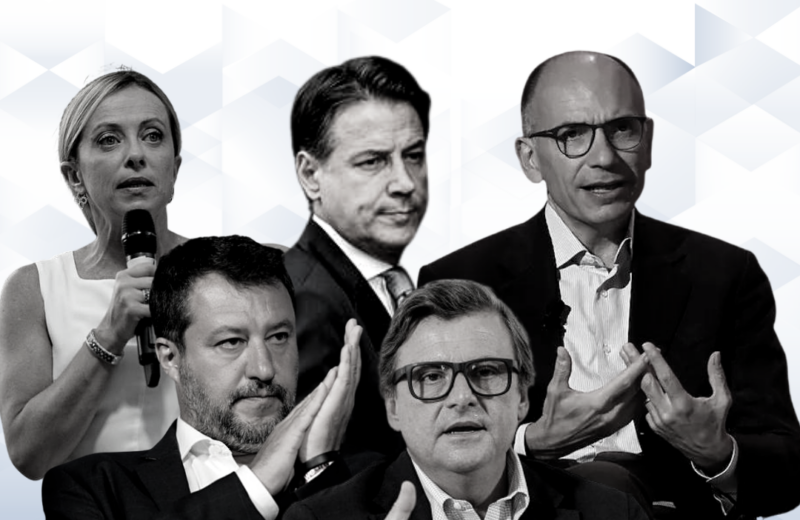
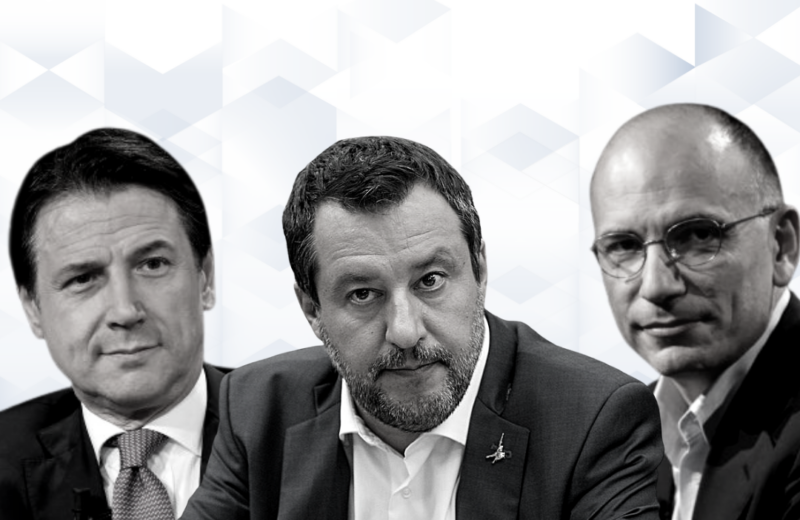
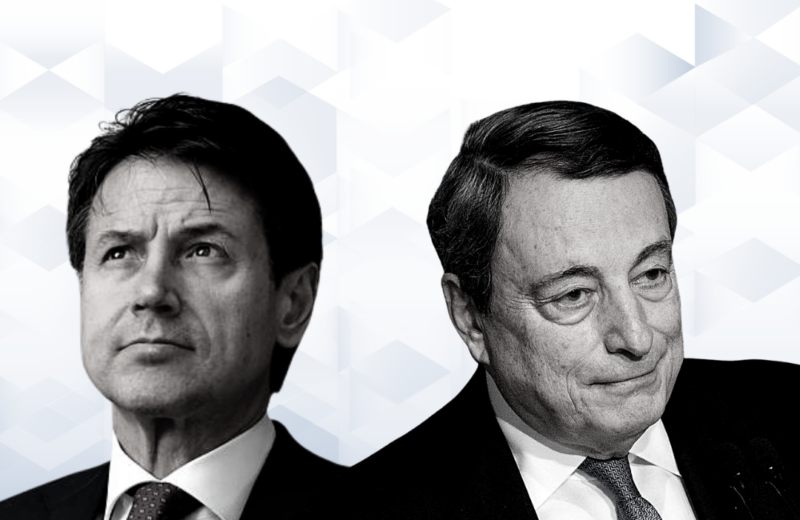
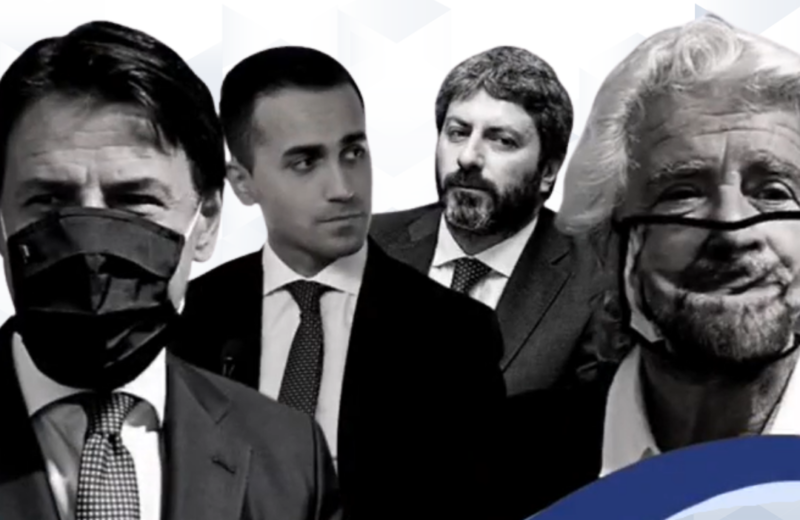
This position sounds like a middle ground, a sort of “yes, but with conditions.” And indeed, there has been criticism. The opposition has called it a late and cowardly move. Elly Schlein, Giuseppe Conte, and other leaders have called for a clear, unambiguous gesture. Meanwhile, protests erupted in Italian cities: strikes, marches, and transportation blockades. Many people have taken to the streets demanding peace and the end of support for a conflict that, in the eyes of many, is becoming increasingly difficult to justify.
What’s striking is how the issue of Palestine has shifted the focus of public debate. It’s no longer just a foreign matter: it has become something that touches consciences, divides public opinion, and calls into question the government’s stance. The sense is that Meloni, with her “conditional” proposal, is trying to balance maintaining international credibility while not losing too much ground at home.
But there has also been more than just foreign policy. On the polling front, everything seems rather stable. Fratelli d’Italia remains in first place, with support around 30%. The PD is in second place, above 20%, while the Movimento 5 Stelle has lost a few points. There has been no major shift, but also no signals of great enthusiasm. It feels as though the country is in a phase of waiting, perhaps fatigue.
It’s been a week that has highlighted all the contradictions of Italian politics: on one hand, the search for balance in an increasingly complex international scenario, and on the other, the growing pressure from civil society that no longer wants to stand by. Between diplomacy, protest, and symbolic acts, today’s Italy seems to be walking a thin line, trying to figure out which side to take.