Atreju and the Normalisation of Power
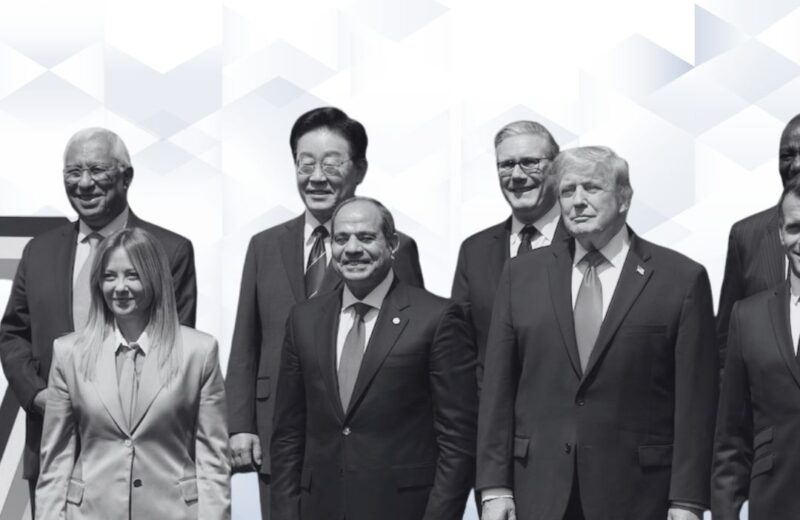
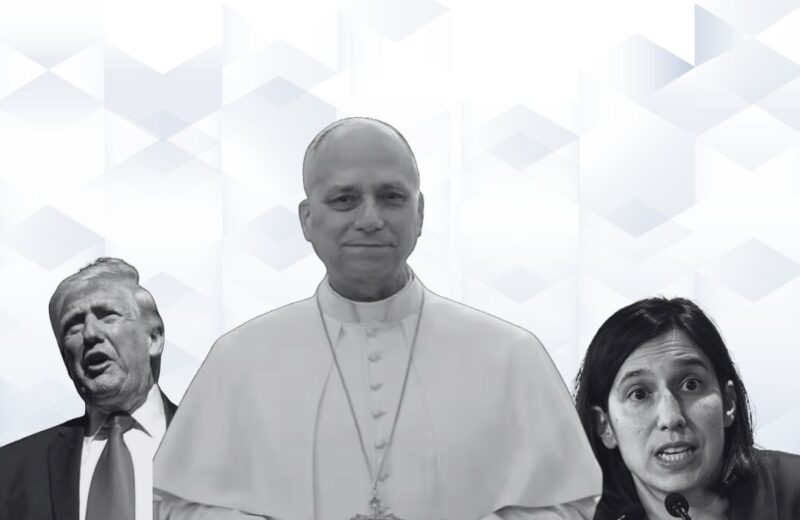
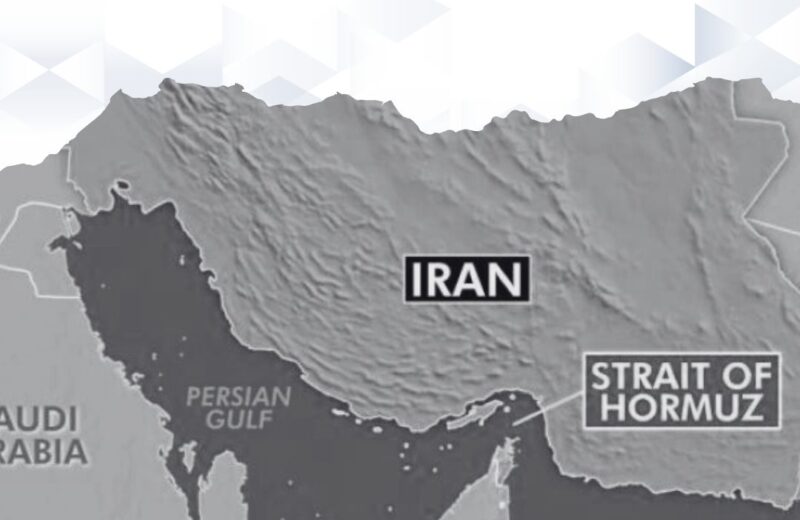
Atreju 2025 conveys the image of a governing majority that has definitively moved beyond the phase of identity-based mobilisation and entered the more complex and less visible terrain of ordinary power management, doing so while inserting a number of targeted political signals that help to read the current phase. Giorgia Meloni’s speech, focused on Italy’s international role, its Atlantic alignment and the need for «seriousness» in public finances, functioned as the overarching frame of the event, reaffirming that the government’s priority remains stability, even at the cost of cooling expectations and promises. Not by chance, alongside the prime minister, there were interventions that reinforced the message of external reliability, with explicit references to Ukraine, the Middle East crisis and the need for a more pragmatic Europe, less ideological and more focused on security and competitiveness. On the domestic front, remarks by several economic ministers openly recalled the constraints of the budget law, speaking of «unavoidable» choices and limited margins, a vocabulary that marks a clear distance from the expansive rhetoric of electoral campaigns. This is where Atreju reveals its true political meaning: not so much a celebration as an exercise in the pedagogy of power aimed at its own electorate. The centrality of the prime minister’s leadership emerges as the organising element of the entire event, further reinforced by the comparison with allies relegated to a supporting rather than agenda-setting role, confirming a coalition increasingly unbalanced in favour of the largest party. The historical identity of the right remains present as a symbolic reference, but it is subordinated to a narrative of responsibility designed to reassure markets, European partners and international allies, while the most sensitive social issues, from healthcare to wages, remain in the background or are addressed only in generic terms. In this sense, Atreju uses foreign policy and security as levers to compensate for the lack of immediate answers on the redistributive front, shifting the centre of gravity of consensus towards a dimension of prestige and international credibility. The overall message also speaks to the opposition, portraying a majority that occupies the space of institutional responsibility while the progressive camp still appears in search of a credible alternative governing project. This year’s Atreju thus marks the entry of the right into a phase of defensive consolidation, in which the challenge is no longer to win but to endure, managing the wear and tear that inevitably accompanies the exercise of power in such a constrained economic and geopolitical context.