Energy shock and geopolitical chaos for a faction-ridden Italy
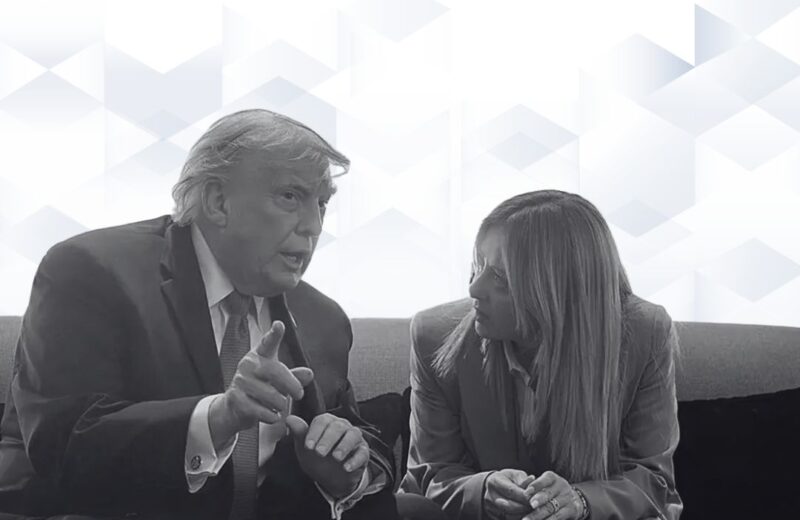
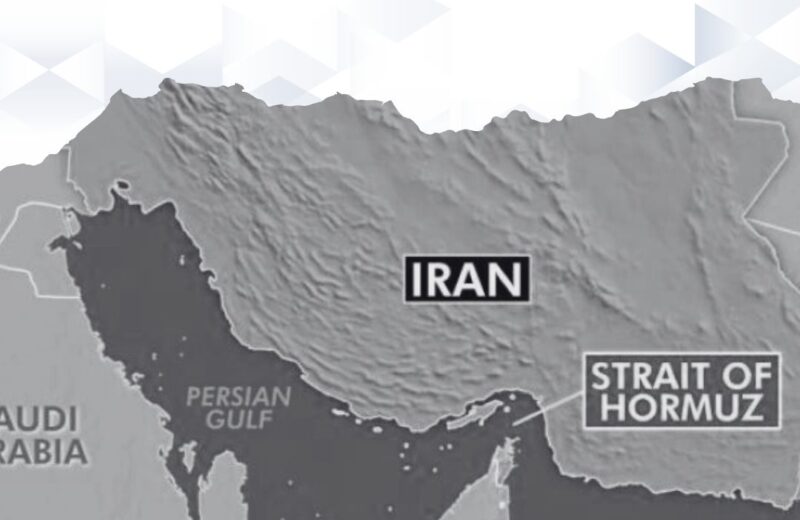
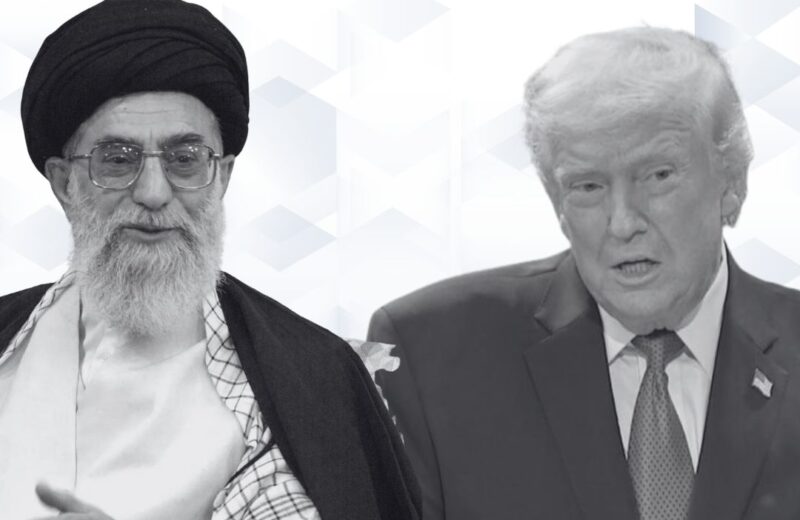
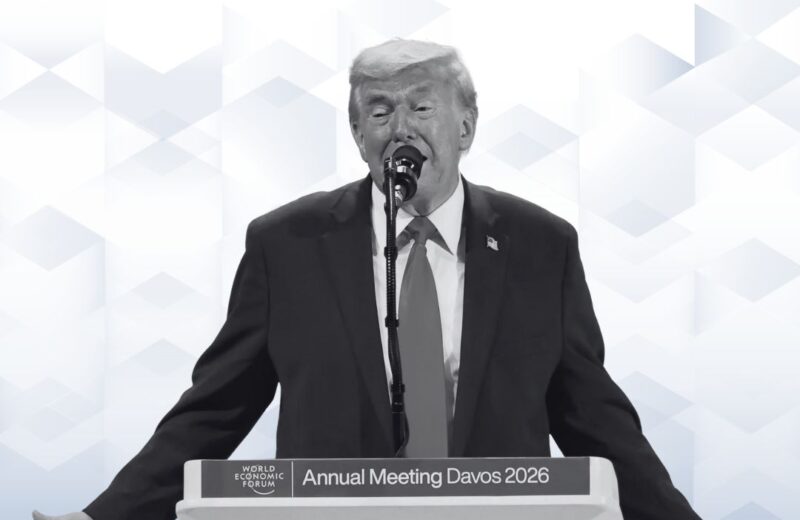
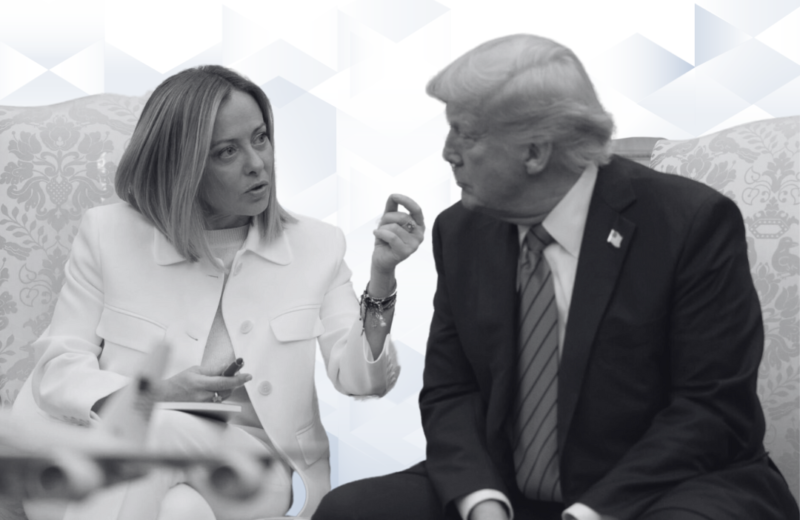
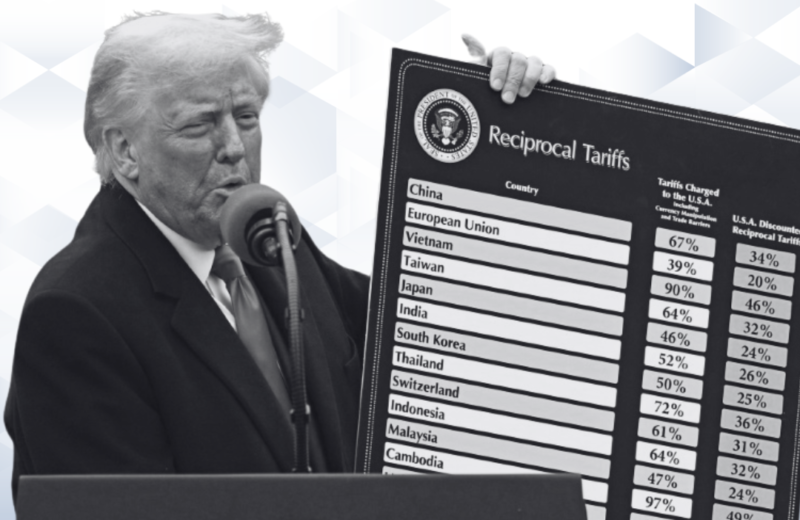
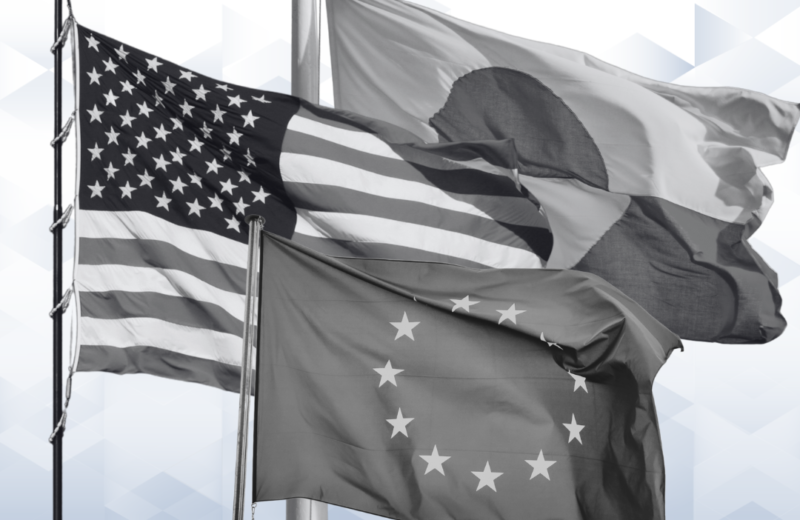
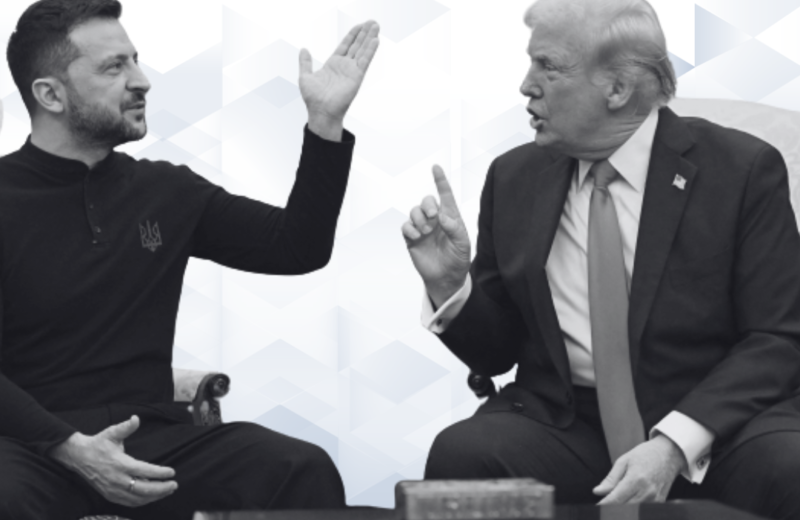
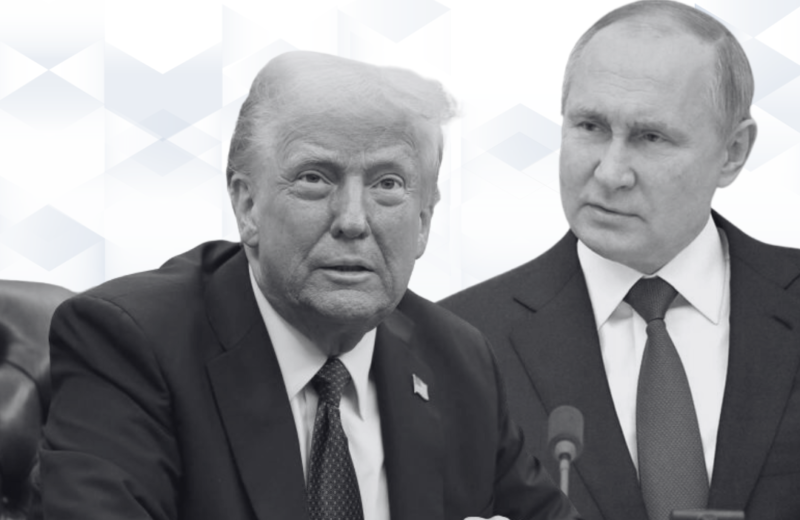
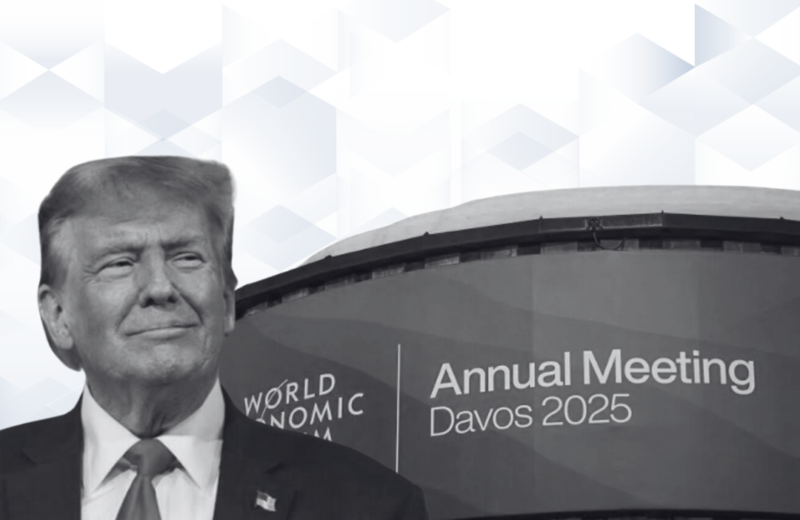
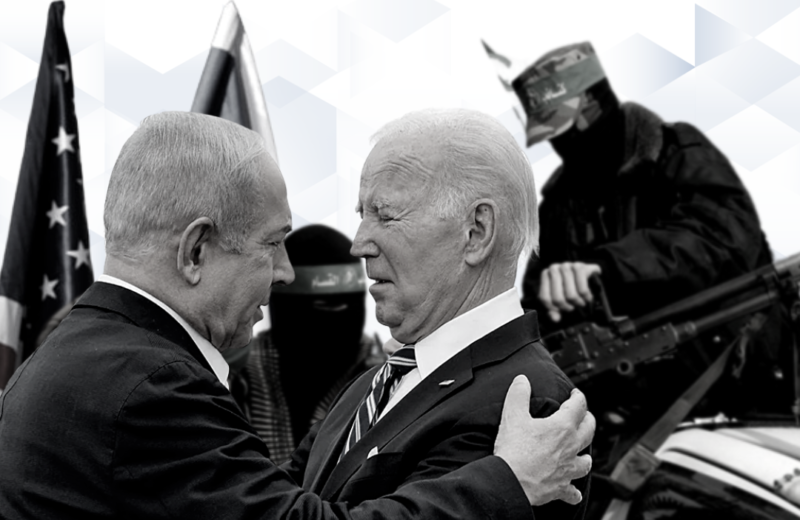
“Trump wants Putin to end the war. But to make that happen, he may first offer Russia business deals.” That was the New York Times’ lead headline this week, subsequently picked up by the Russian news agency TASS. This happens very rarely, and it clearly captures an international landscape that is as unusual as it is fragmented. There is an American president who does not hesitate to talk tough in the Middle East, yet seems to do so reluctantly. Meanwhile, he keeps his eyes on China, which he has no intention of allowing to overtake the United States, and tries to cool down at least one front, Eastern Europe, by treating Putin like a friend who is making mistakes. At the same time, he is indifferent to the distress his actions have caused his real friends, those in NATO-aligned Europe. What is also surprising — though admittedly somewhat less so to us Italians, who had a businessman as our political leader for many years — is the idea that business can resolve everything, reflecting a purely economic view of the world, impervious to anthropological factors and cultural identity. As though everyone wanted nothing more than to trade, with anyone. One wonders, then, why the Iranians never decided to get by with a few franchise deals — which New England CEO would have refused to share their know-how? — Instead of living under decades of sanctions. Continental Europe has never viewed everything through a purely economic lens, but it is now beginning to feel the full force of the energy crisis, whose harshest effects apparently have yet to unfold. The real test will come in winter, if oil remains at around $100 a barrel or higher, when the cold and the demands of production will have to be reckoned with. How will businesses and other economic actors respond? How will individual consumers behave?
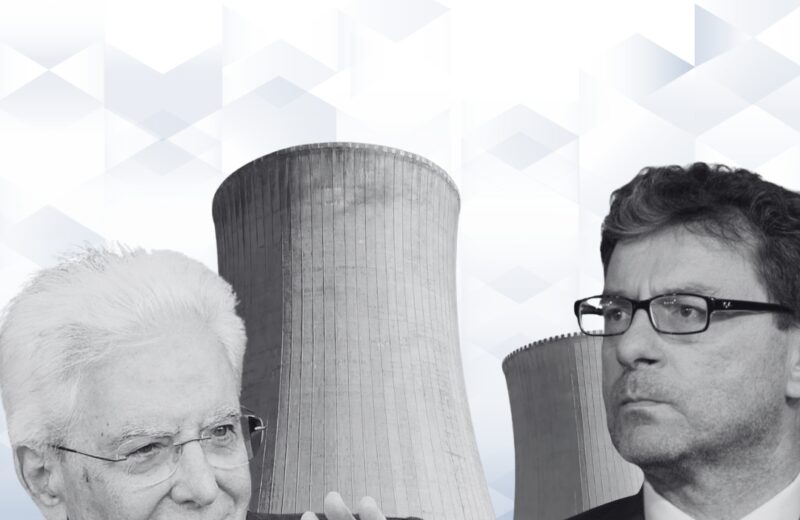
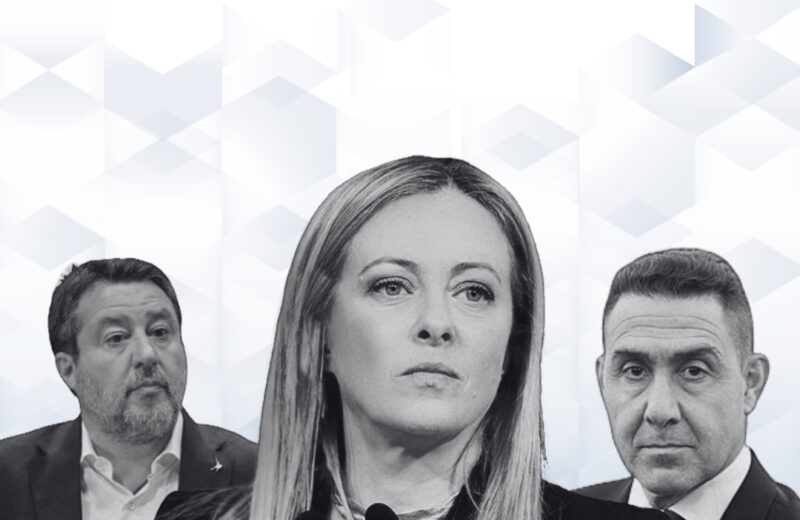
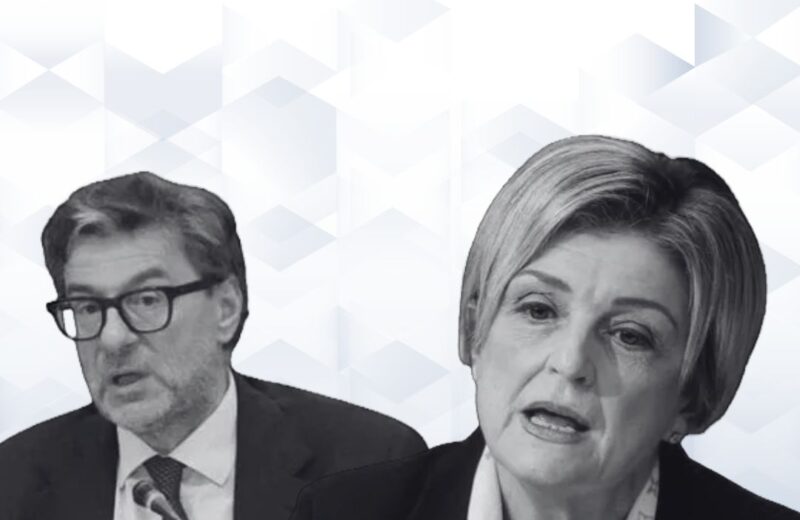
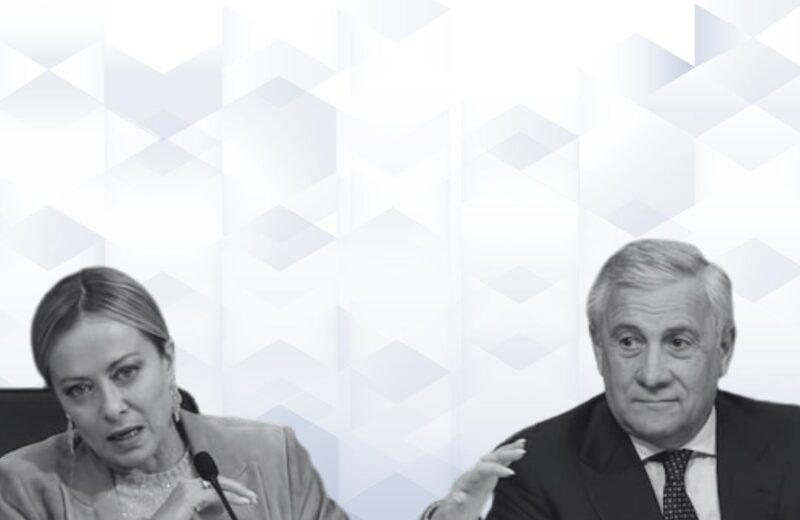
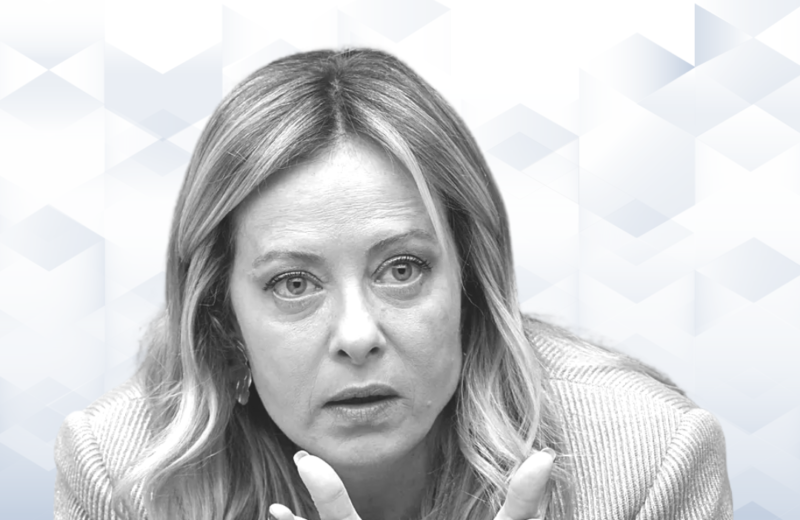
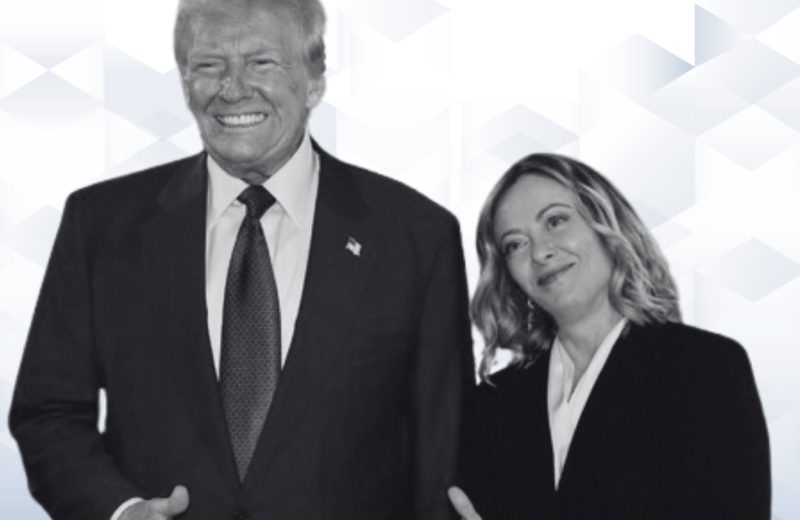
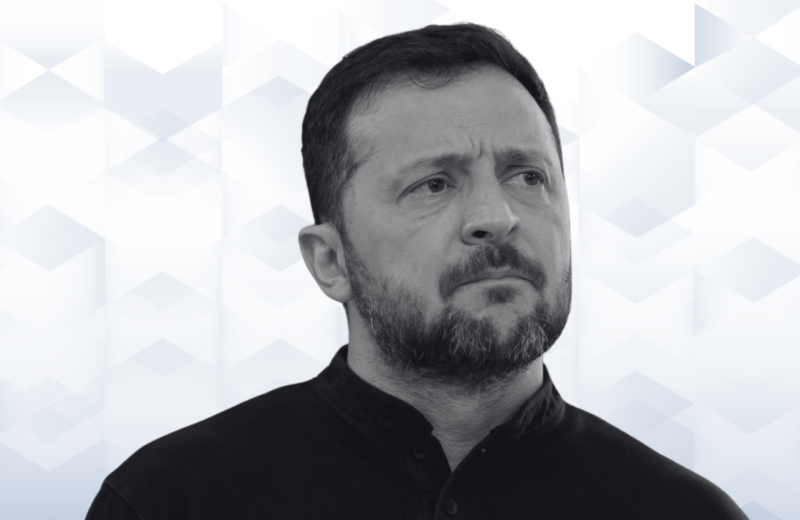
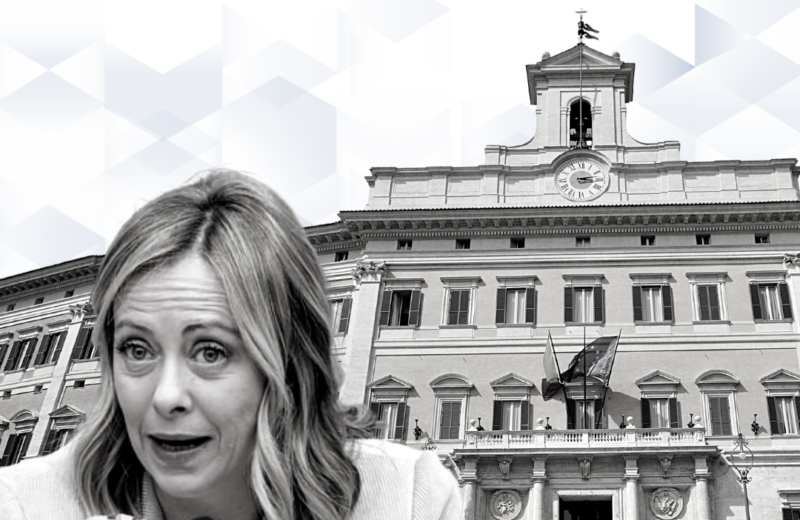
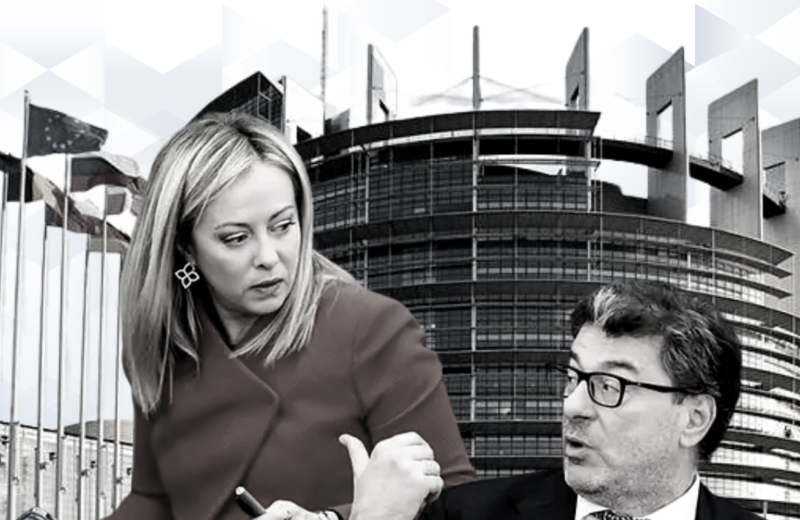
In Italy, the blanket is once again too short, and not just metaphorically, as the government enters the final year of its parliamentary term with few effective tools at its disposal. Energy has been the country’s Achilles’ heel for years, given its historically limited energy independence. The situation is now further complicated by the break with Putin, investments in the energy mix that have yet to make a decisive difference, and a nuclear power programme that exists only in legislative texts. Meanwhile, Meloni has made a move by suspending the annual vehicle tax for 14.5 million citizens. Yet, as funding from the National Recovery and Resilience Plan dries up, policies to strengthen resilience, particularly in energy, will depend on other frameworks. The ECB must, of course, play its part, but it appears, as usual, obsessed with inflation, raising interest rates even when surging prices are driven by a textbook external shock rather than buoyant economic activity. The government is therefore once again calling on the creative flair of Giancarlo Giorgetti, who aims to find room within the constraints to give the self-employed some breathing space and boost employees’ pay. It is now clear that, unless its lower-middle-income groups become more financially secure, Europe will lose its footing and be forced to grin and bear it. What is being asked of this giant with feet of clay, by contrast, is to choose which game it wants to play.