Italy’s Electoral Reform Reshapes Political Alliances as Budget Negotiations Intensify
Italian politics is entering a decisive phase of the autumn, marked by a new electoral law, growing competition between political alliances and a challenging budget negotiation. The final approval of the electoral reform represents the government’s most significant political achievement of the week, but it also introduces new uncertainties ahead of the 2027 general election. Meanwhile, Prime Minister Giorgia Meloni’s administration must identify the resources needed to finance its promised tax measures, against a backdrop of limited fiscal room and mounting pressure on public finances.
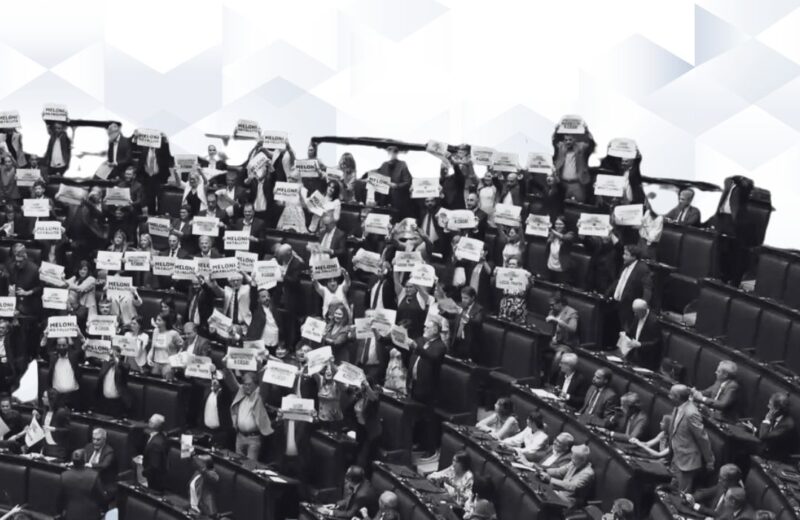
On Thursday, 8 October, the Chamber of Deputies gave final approval to the electoral reform, with 227 votes in favour and 164 against. The governing majority remained united despite the secret ballot. The new law replaces the previous mixed electoral system with proportional representation and introduces a majority bonus for coalitions securing at least 42% of the vote. It also requires parties and coalitions to designate their candidate for prime minister before the election, reintroduces preference voting alongside blocked lead candidates and changes the requirements for electoral lists.
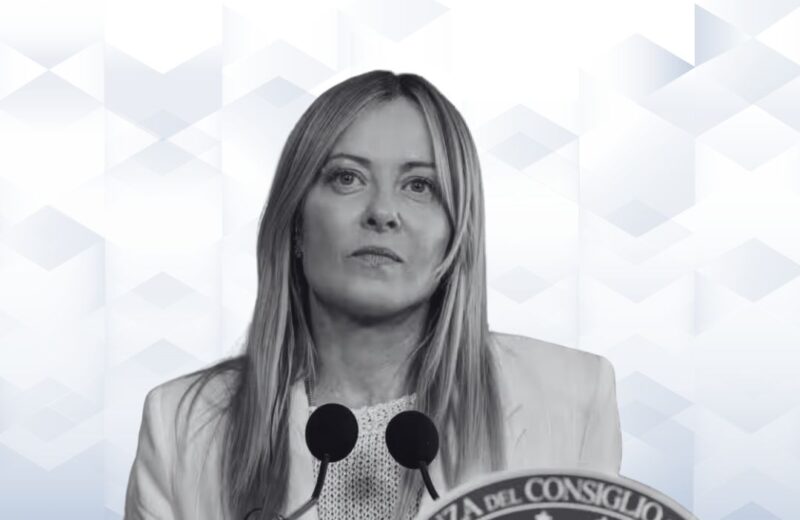
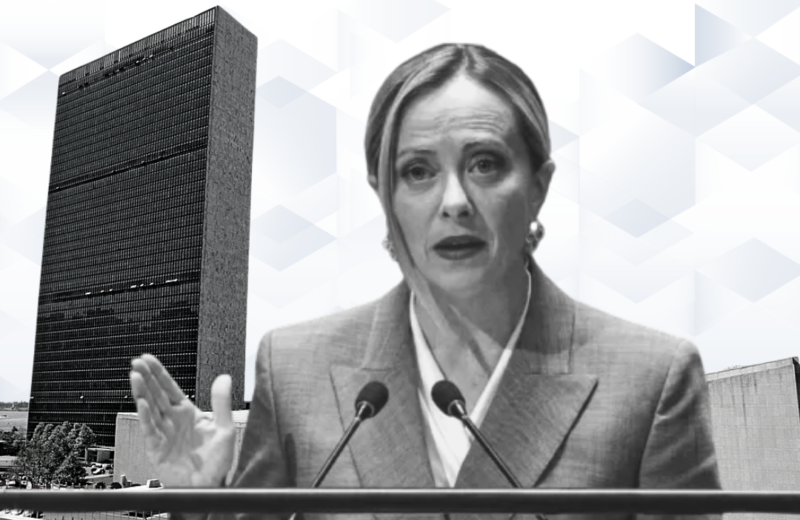
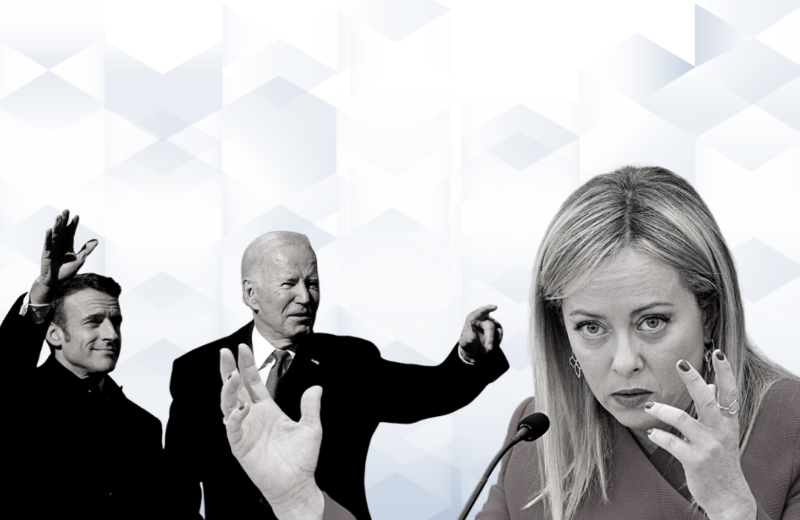
For Meloni, the outcome represents an important parliamentary victory following months of negotiations and disagreements within the centre-right coalition. The Prime Minister presented the result as proof of her government’s unity, while opposition parties accused the majority of changing electoral rules to its own advantage and announced plans to challenge the reform’s constitutionality. Beyond the institutional confrontation, the new system is likely to reshape electoral strategies by increasing the importance of alliances formed before voters go to the polls.
The approval of the reform confirms the parliamentary strength of Meloni’s coalition, but it does not eliminate the political challenges that could emerge during the next election campaign. Brothers of Italy remains the dominant force within the governing alliance, while the League faces growing competition from National Future, the party led by Roberto Vannacci, which is seeking to attract voters on the right. The emergence of a political force outside the current governing coalition introduces an additional variable into the centre-right’s electoral calculations, particularly under a system that rewards alliances capable of reaching the 42% threshold.
The issue therefore extends beyond the distribution of votes among individual parties. The new electoral framework could make the boundaries of political alliances increasingly important, forcing party leaders to consider agreements and compromises that previously appeared less urgent. Meloni’s parliamentary majority remains a considerable political asset, but the configuration of the centre-right ahead of the next election is far from settled.
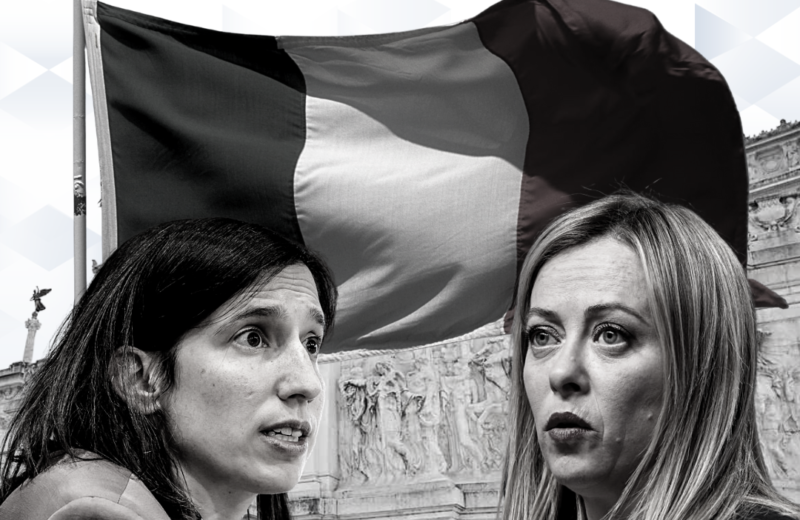
For the opposition, the reform also accelerates decisions that have repeatedly been postponed. The Democratic Party, led by Elly Schlein, and Giuseppe Conte’s Five Star Movement share the objective of building an alternative to the current government, but disagreements remain over leadership and the political conditions for an electoral alliance. Conte has renewed his proposal for a common policy platform followed by primary elections to select the coalition’s candidate for prime minister. Schlein, meanwhile, continues to emphasise the Democratic Party’s position as the largest opposition force.
The requirement to identify a prime ministerial candidate before the election makes these negotiations increasingly urgent. The new electoral system could offer the centre-left an opportunity to challenge the governing coalition, provided that its parties can overcome their differences. Substantial disagreements remain on foreign policy and economic priorities, alongside the competition between their respective leaders. The challenge in the coming months will be to transform a shared opposition to Meloni into a coherent political platform capable of offering voters a credible alternative.
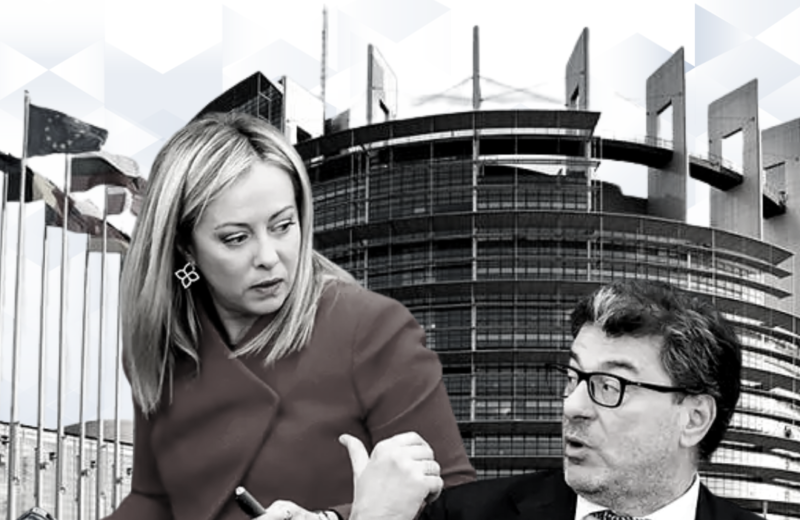
While political attention has focused on the electoral reform, the government is also preparing its 2027 budget. Supporting household incomes, reducing the tax burden and mitigating the impact of higher energy prices remain among its priorities, but finding sufficient financial resources continues to be the central challenge. Economy Minister Giancarlo Giorgetti must reconcile the demands of the governing parties with the need to maintain fiscal discipline, at a time when Italy faces significant public debt pressures and rising borrowing costs.
One of the most sensitive issues concerns the potential contribution of banks and energy companies to the budget. The government is considering possible measures to identify additional revenues, while the governing coalition continues to debate the role financial institutions should play in funding its economic priorities. The debate over windfall profits, already a recurring feature of Italian economic policy discussions, has therefore returned to the political agenda as the government seeks to support households and taxpayers without undermining its fiscal commitments.
Economic policy is likely to become one of the main sources of political tension in the coming weeks. Following her parliamentary success on electoral reform, Meloni must now address financial decisions that may prove more difficult to reconcile with the competing priorities of her coalition partners. The government enters the budget negotiations strengthened by its parliamentary victory, but still faces difficult choices over spending and taxation. Meanwhile, the centre-right is working to consolidate its electoral position, and the opposition must decide how to organise a credible alternative. These parallel developments will help define the political landscape ahead of Italy’s 2027 general election.