Italy’s regions press for budget changes as energy bill relief is delayed again
The first call to amend Italy’s budget bill has come from the regional leaders who will have to balance their healthcare budgets. On Wednesday, the Conference of Regions unanimously concluded that the funding proposed for 2027 falls short. The bill adds around €2.4 billion to National Health Service funding, bringing the total to €146.3 billion, according to the Conference. Regional presidents had asked for an additional €6.5 billion. Massimiliano Fedriga, who chairs the Conference and leads the Friuli Venezia Giulia region for the League, pointed to rising costs from collective bargaining agreements, inflation and energy. He warned that healthcare spending is growing faster than funding, putting even essential services at risk.
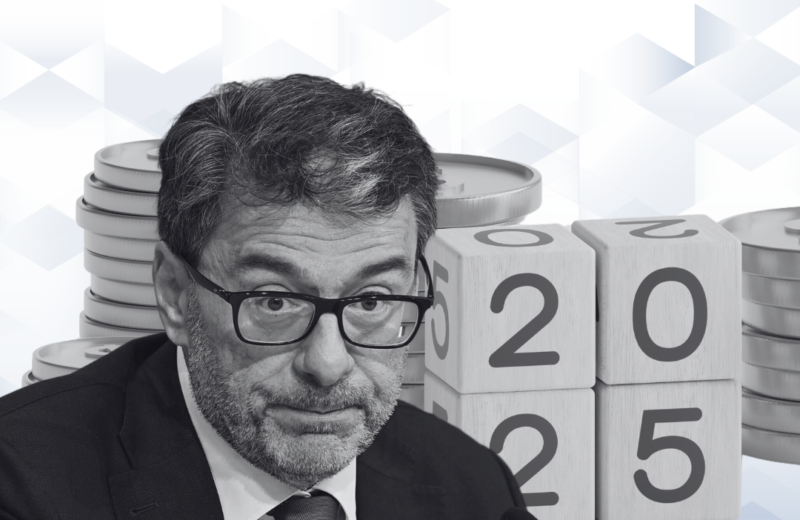
The talks are also about how regions can spend the money. Part of the increase is already earmarked for specific purposes, including updated hospital reimbursement rates and funding for Alzheimer’s care. Regional leaders want more discretion. Emilia-Romagna President Michele de Pascale has proposed redirecting funds from a healthcare voucher for people over 75 to the public health service. Parliamentary hearings begin on Monday, 9 November, with Economy Minister Giancarlo Giorgetti due to appear on Thursday. They will give an early indication of how much room there is for amendments. Some of the pressure on the governing coalition is coming from its own regional leaders, who will have to decide how to absorb rising costs in their budgets.
Meanwhile, the government has delayed its energy bill relief decree for a second time. Environment Minister Gilberto Pichetto Fratin presented the text to the cabinet on Thursday, and his ministry aims to bring it back on Monday. The prime minister’s office said the delay would allow for further talks with Brussels and checks by the Treasury. The decree centres on a cap on the price of gas used by power plants to generate electricity. The idea is to lower the gas cost that feeds into wholesale electricity prices while compensating power producers for the gap between the cap and the market price of gas. The difficult part is paying for that compensation. If some of the cost is passed on through charges on electricity bills, the savings for households and businesses will depend on how those charges are allocated and how much each customer pays.
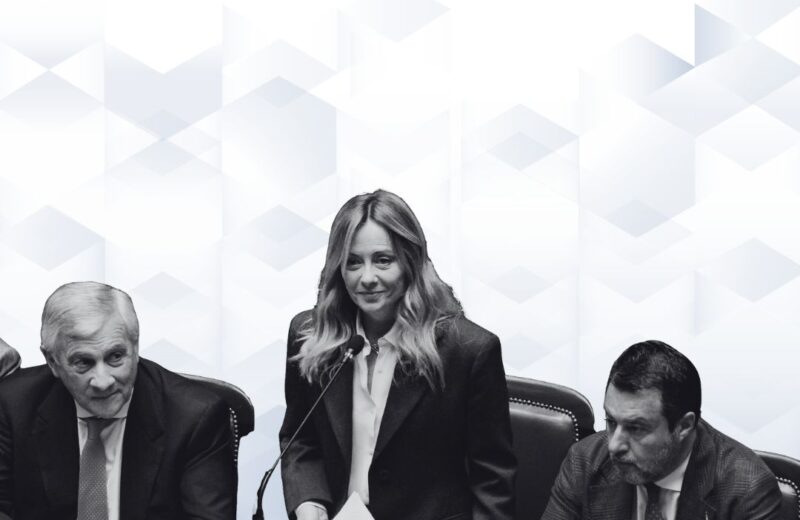
At the same cabinet meeting, the government began the process of appointing two figures to oversight bodies. It put forward former League lawmaker Trifone Altieri to chair the National Anti-Corruption Authority, ANAC, and Giulio Centemero, who leads the League on the Chamber of Deputies’ Finance Committee, to serve as a commissioner at Italy’s securities regulator, Consob. Opposition parties have accused the government of handing out posts along party lines and questioned the role of political affiliation in the selections. The ANAC appointment faces the tougher parliamentary hurdle. It requires approval from two-thirds of the members of the relevant parliamentary committees, so the centre-right will have to seek votes beyond its own majority.
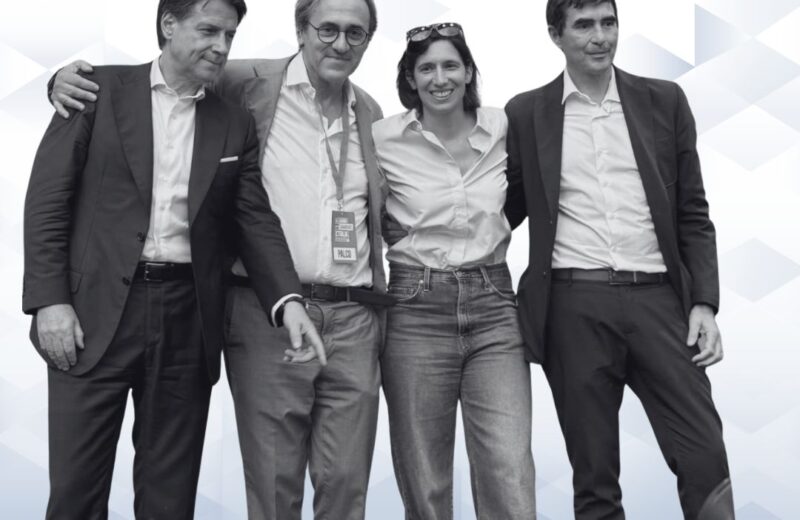
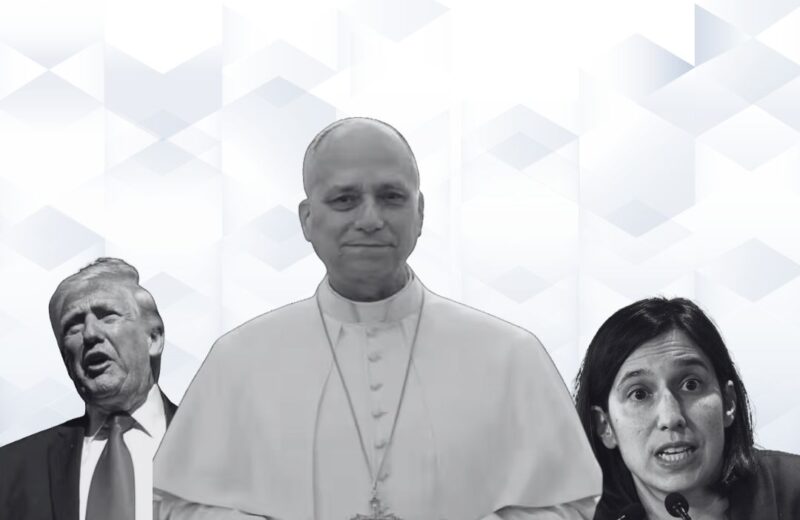
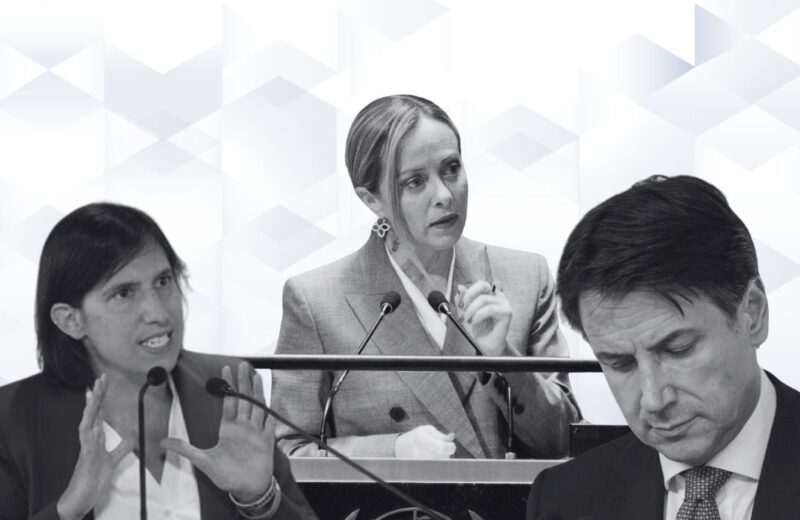
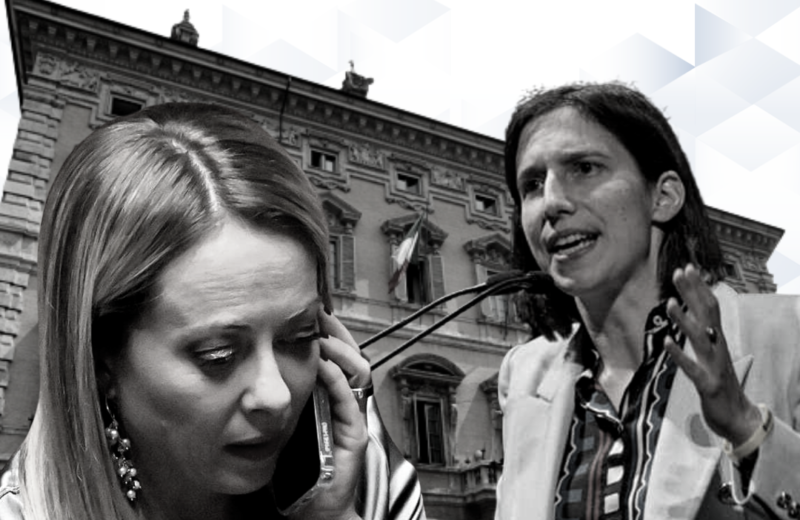
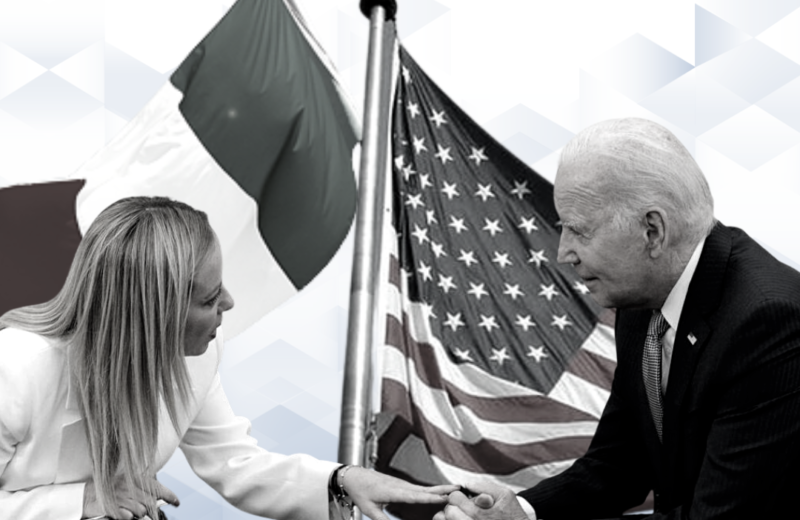
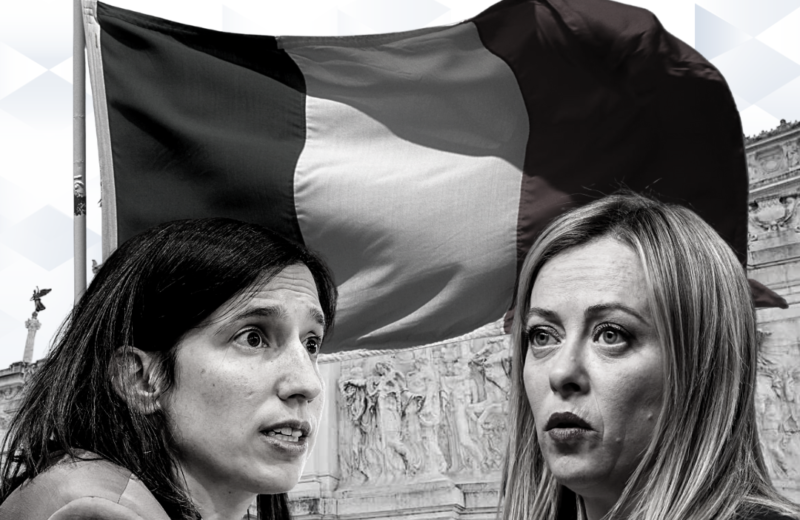
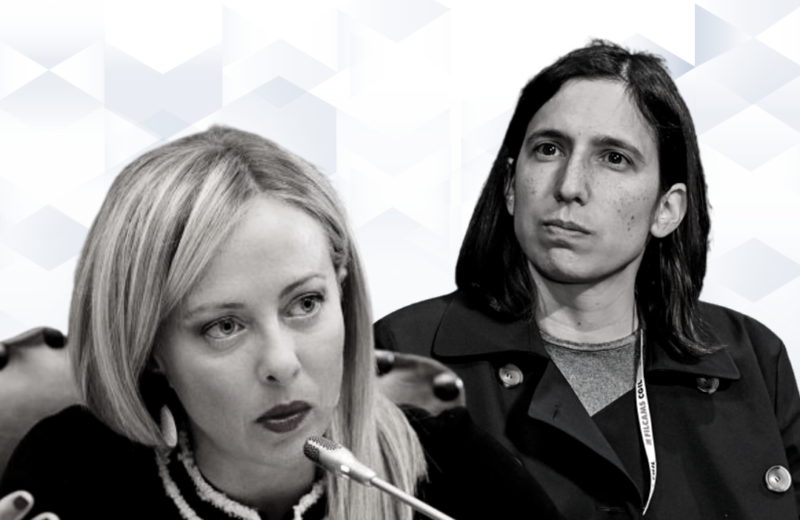
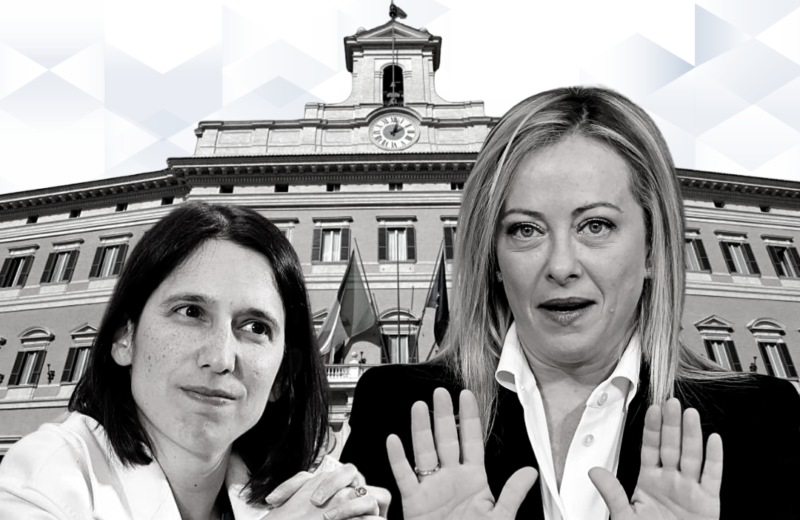
The Democratic victory in both the US House and Senate also had a domestic political reading in Italy. Giorgia Meloni reaffirmed that ties with Washington extend across changes in congressional control. Elly Schlein saw the result as a response to broken promises on the right, while Giuseppe Conte pointed to demand for greater economic security and called for a bolder policy platform. In Rome, the first test is already on the calendar. Talks on a joint platform for the progressive alliance begin on Saturday. At a meeting hosted by the CGIL trade union federation, the parties found common ground on a minimum wage. Schlein also signalled she was open to discussing a tax on large fortunes, while Conte reiterated his opposition. With the budget now in Parliament, the cost of living gives opposition parties an immediate test of whether they can put forward joint proposals.