Between Trump and Europe: Meloni’s most delicate balancing act yet
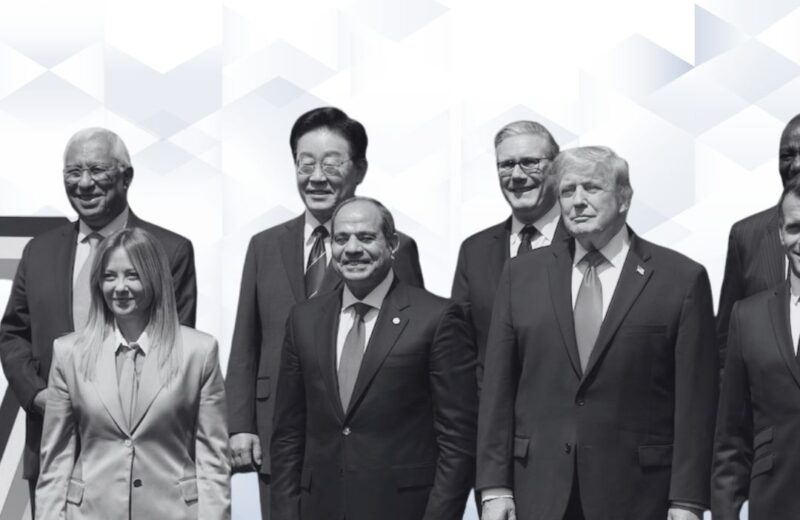
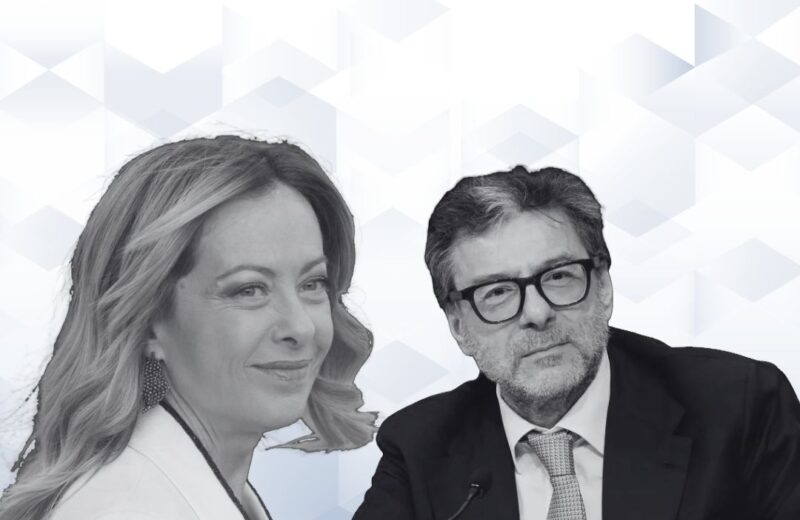
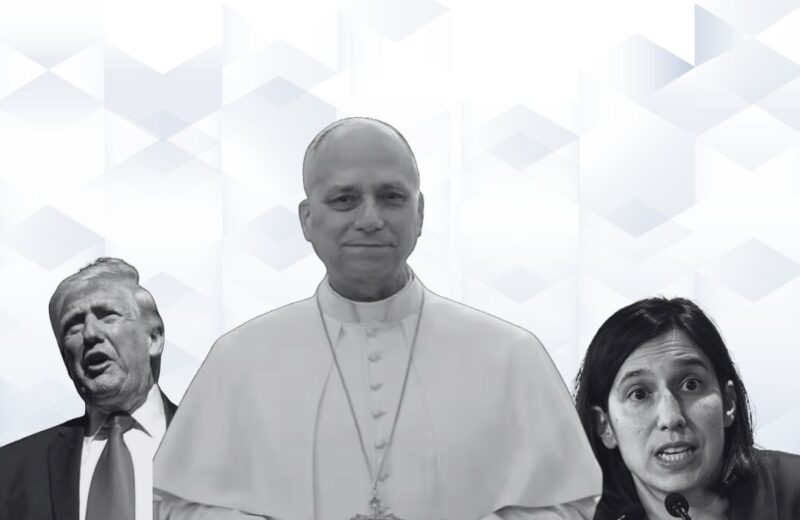
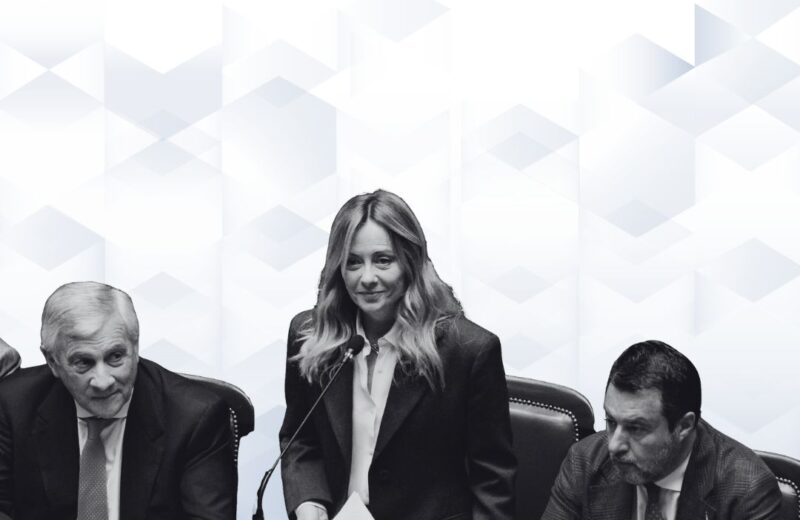
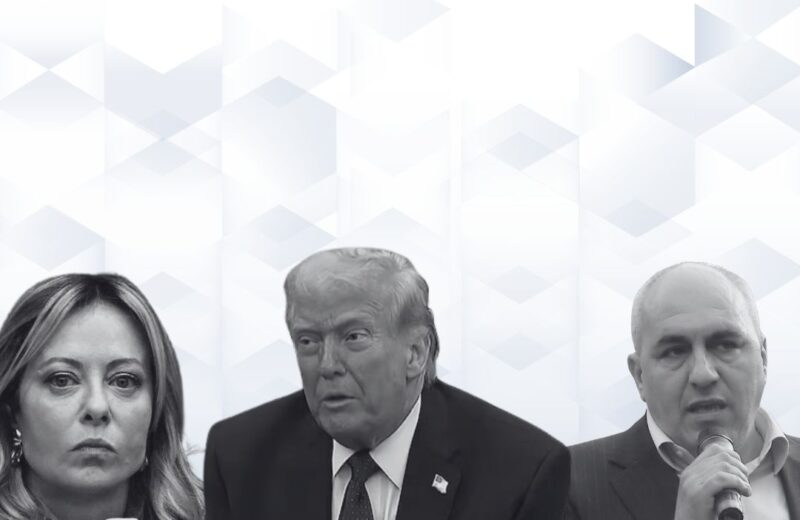
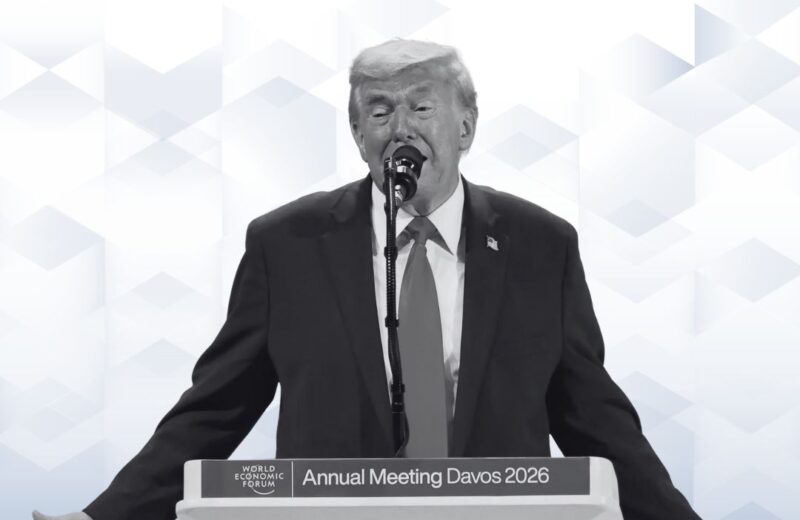
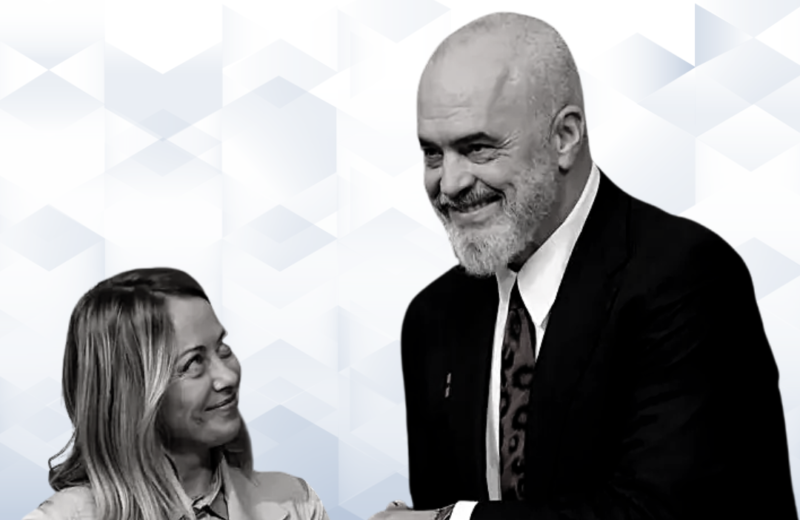
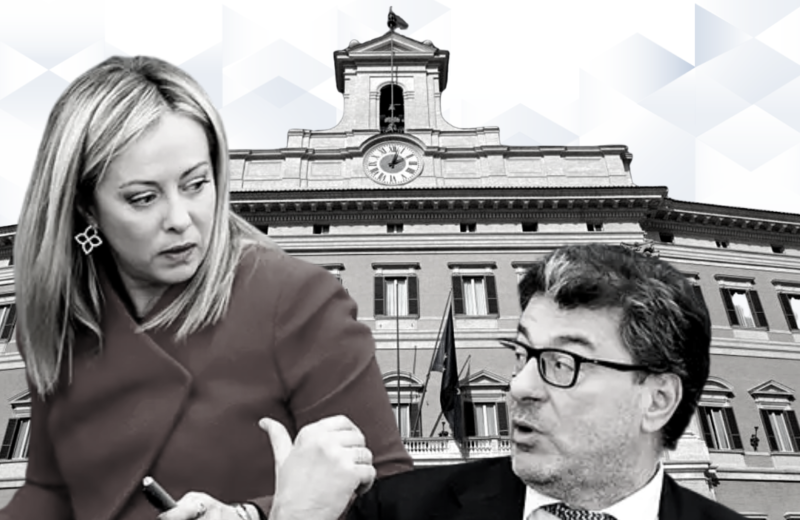
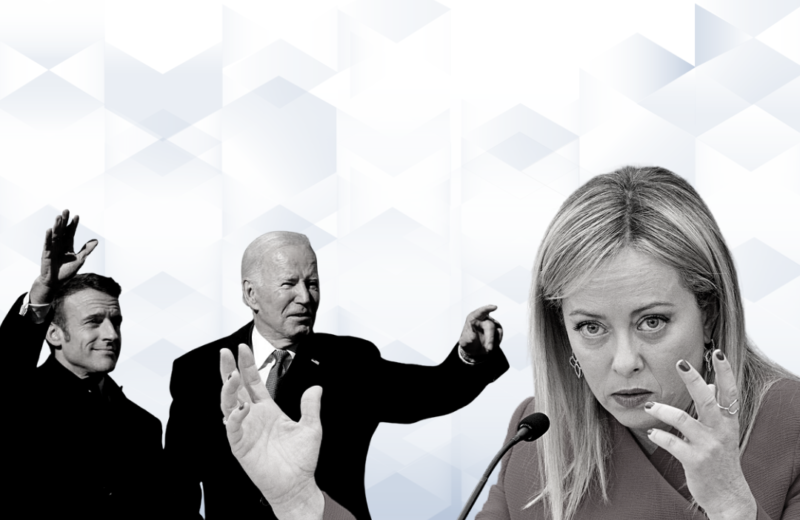
The political week closes with an image very different from the one on which Giorgia Meloni had built a significant part of her international profile. Until a few months ago, the Italian Prime Minister could present herself as the European leader closest to Donald Trump and, precisely for that reason, as a potential channel of communication between Washington and Brussels. After the G7 summit in Évian and the controversy sparked by the US President’s remarks, that narrative appears far more fragile. Trump claimed in an interview with Italian television that Meloni had “begged” him for a photograph during the summit, adding that he agreed only because he felt sorry for her. Meloni responded with an unusually forceful denial, describing the remarks as “completely fabricated” and concluding with a statement that was political as much as personal: “Neither I nor Italy beg anyone.” This is more than a diplomatic incident. It signals that the privileged relationship with Trumpism, which had helped Meloni position herself as a natural interlocutor of the new US administration, may now become a political liability both at home and in Europe. The cancellation of Foreign Minister Antonio Tajani’s planned trip to the United States reinforced that perception. The episode was not treated as a personal slight but as an institutional affront to Italy itself. The deeper issue is that the tension comes after weeks of growing disagreements over Iran, Ukraine, tariffs, Gaza and the broader relationship between the United States and its European allies.
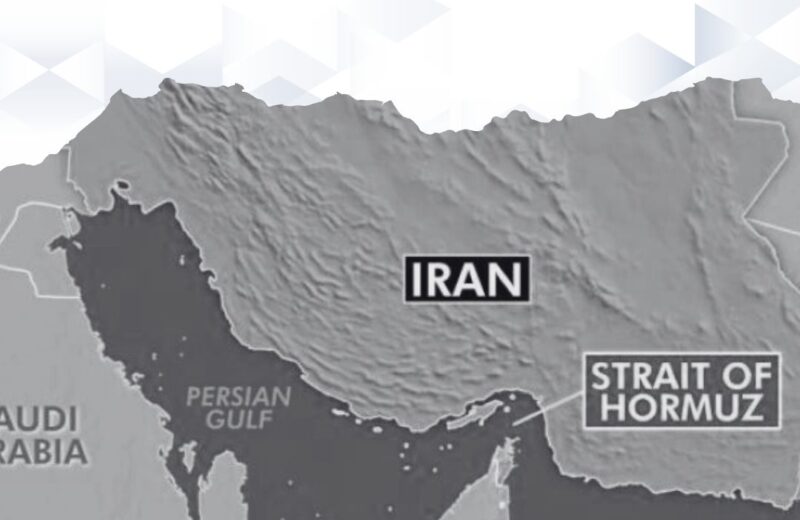
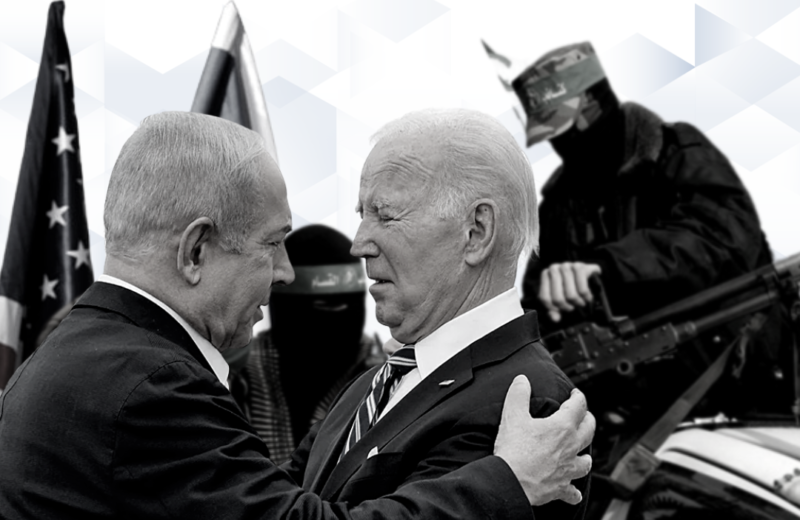
The Middle East crisis highlights the dilemma facing Rome. On one hand, Italy remains firmly anchored within the Western alliance and committed to its strategic partnership with Washington. On the other, it cannot afford to automatically align itself with a US approach perceived as increasingly unilateral, particularly if the confrontation with Iran threatens energy supplies and trade routes through the Strait of Hormuz. This is where foreign policy immediately becomes domestic politics. For a manufacturing economy that remains heavily dependent on imported energy and highly exposed to price volatility, instability in the Middle East is not a distant geopolitical issue but a direct variable affecting inflation, industrial competitiveness, household finances and ultimately political consensus.
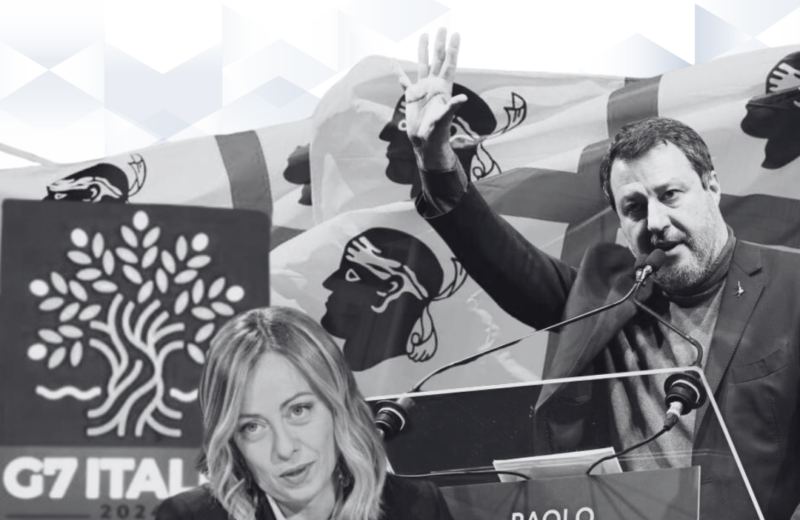
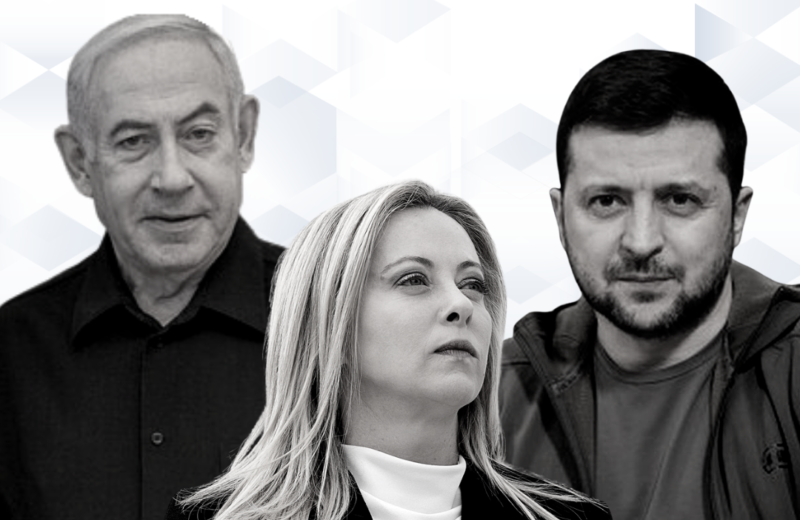
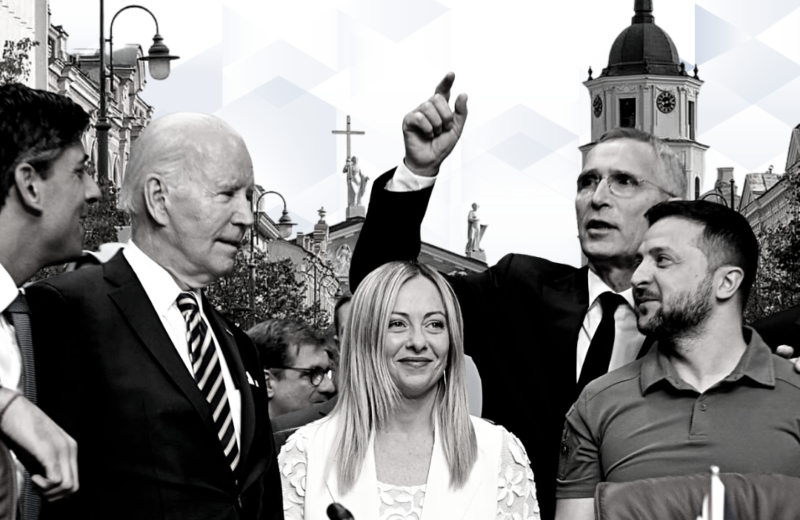
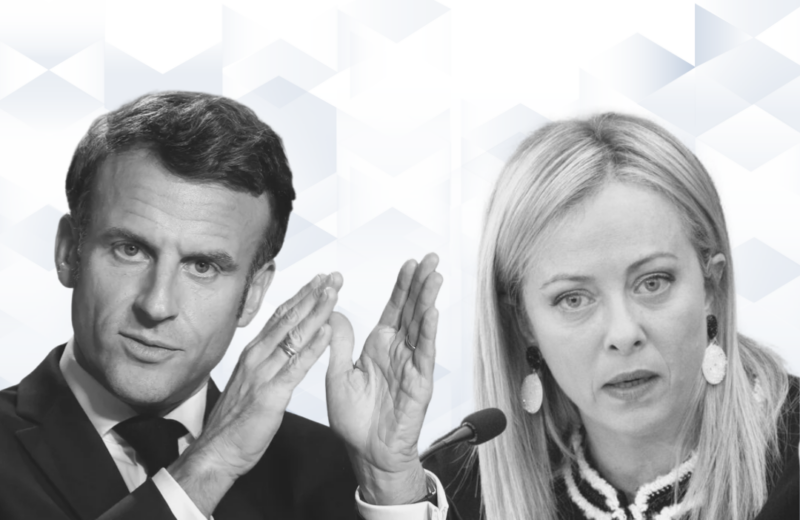
At the G7, Meloni attempted to balance two objectives: preserving Western unity while defending Italy’s national interests. Yet Trump’s behavior effectively forced her to adopt a new posture. Rather than serving solely as a bridge between Europe and the United States, she increasingly finds herself acting as a potential European buffer against a less predictable American partner. The same dynamic is visible in the debate surrounding Ukraine. At the European Council, EU leaders reiterated their determination to play a central role in any future diplomatic settlement and to defend Europe’s interests in eventual peace negotiations. This position is consistent with the line Meloni has advocated in recent weeks: if any agreement between Ukraine and Russia will have direct consequences for European security, sanctions policy, reconstruction efforts and long-term stability, Europe cannot simply watch while negotiations are shaped elsewhere.
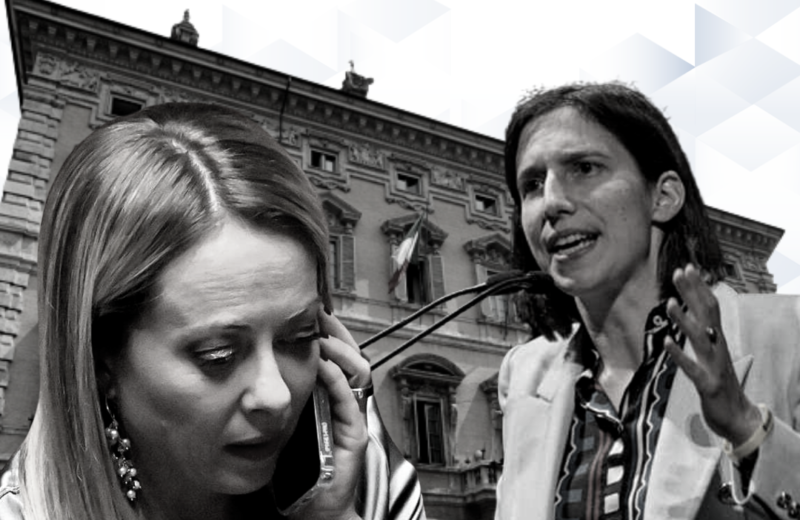
Once again, however, the issue is political before it is diplomatic. Calling for a stronger European voice implicitly acknowledges that the transatlantic relationship alone can no longer serve as an automatic guarantee of stability. It also exposes a potential contradiction. Meloni built much of her international credibility on unwavering Atlanticism, but she must now demonstrate that loyalty to the alliance does not mean political subordination. Her response to Trump serves that purpose domestically as well. By framing the dispute as a matter of national dignity rather than ideological affinity, she shifts the debate onto more favorable ground. It also allows her to temporarily unite a broader segment of the Italian political spectrum, with expressions of solidarity coming not only from government allies but from institutional figures across the political landscape.
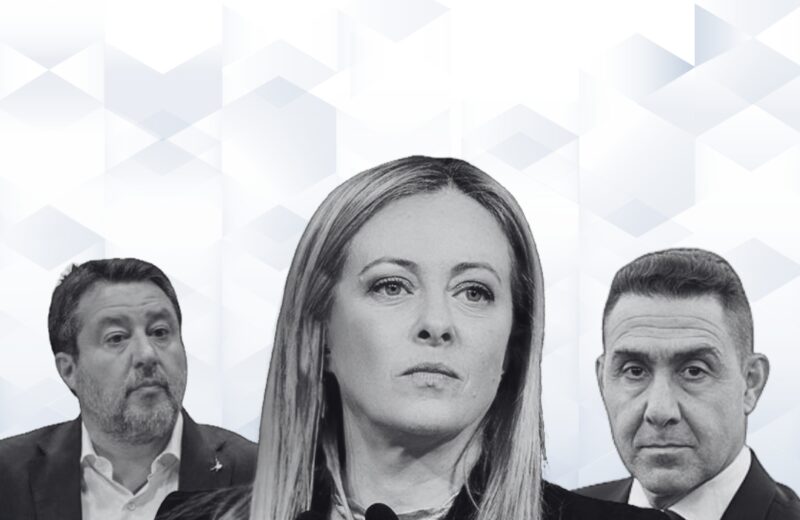
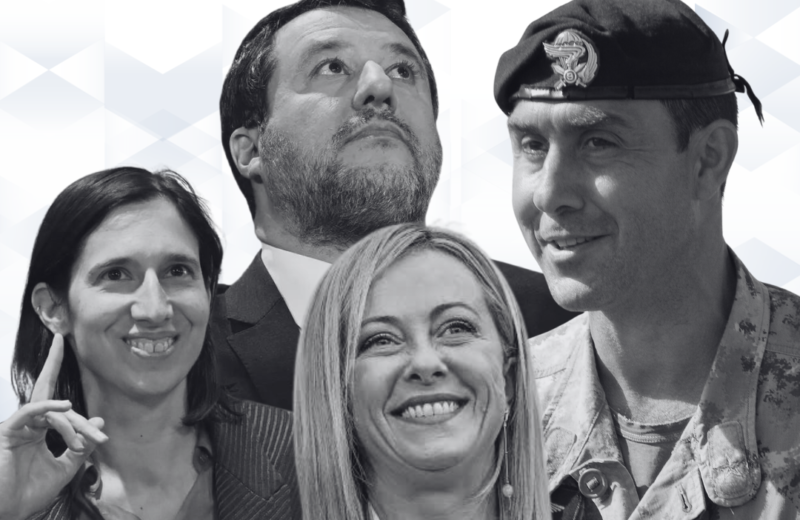
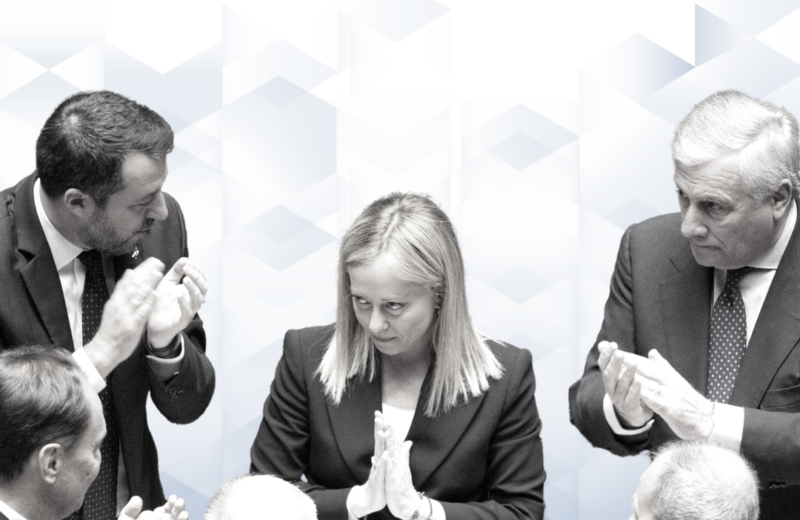
At the same time, the week has shown that the Italian right is no longer politically static. The confrontation with Roberto Vannacci and his newly formed movement, Futuro Nazionale, confirms the emergence of a challenger to the right of both Fratelli d’Italia and the League. Meloni accused Vannacci’s camp of “playing the left’s game” and of failing to represent the “real right,” while Futuro Nazionale responded by openly declaring political war. The significance of this clash lies in its timing. It comes precisely as Meloni is increasingly required to act as an institutional, European and Atlantic leader, operating within a framework of responsibilities that inevitably narrows the space for protest politics. The more she presents herself as a guarantor of Italy’s Western alignment and European credibility, the more room she leaves for forces seeking to appeal to voters through harder positions on sovereignty, immigration, identity and relations with Brussels.
This is the real political message of the week. Foreign policy no longer strengthens Meloni automatically; instead, it forces her to redefine her political balance. With Trump, she can no longer rely on symbolic ideological proximity. With Europe, she must prove that Italy seeks not only a seat at the table but genuine influence over major strategic decisions. And within the domestic right, she must prevent the responsibilities of government from being interpreted as ideological moderation or retreat.
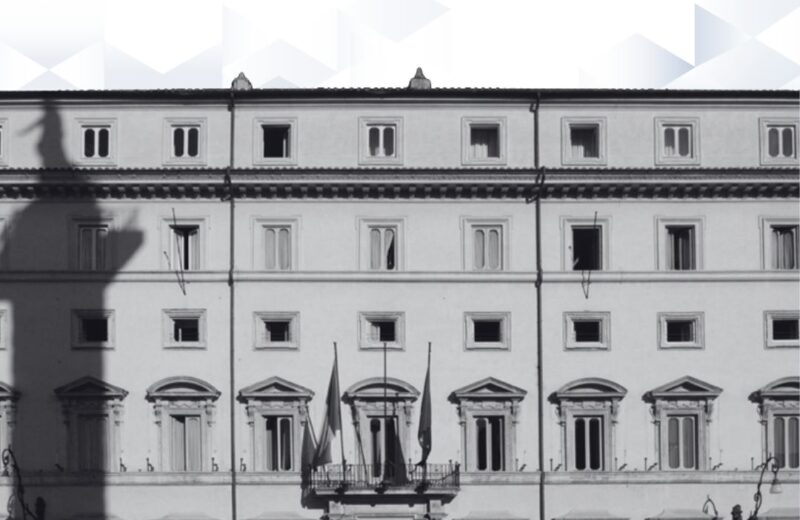
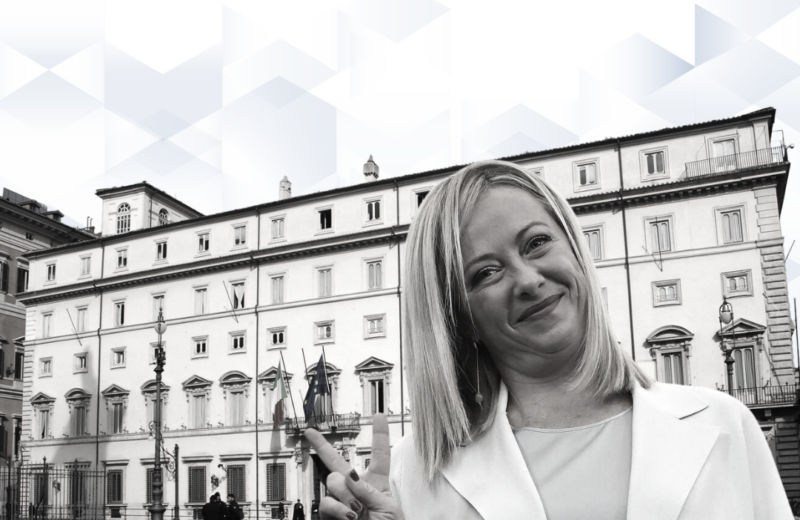
Paradoxically, the dispute with Trump may offer an opportunity. By turning distance from the American president into a demonstration of national autonomy, Meloni could reinforce her standing both in Italy and in Europe. Yet this remains a delicate balancing act. Italy will continue to depend on cooperation with Washington on defense, trade, NATO, energy and security. What this week ultimately reveals is not a definitive rupture but a transition into a new political phase. Meloni can no longer rely on her personal closeness to Trumpism, nor can she simply invoke a greater European role for Italy without confronting the political costs that such ambition entails. The key question now is whether Palazzo Chigi can transform this friction into greater authority or whether it will find itself squeezed between a more assertive United States, a still uncertain Europe and a domestic right increasingly willing to challenge its leadership.