Energy, Defense and Growth: The Challenges of a Europe Under Pressure
Italian and European politics moved this week along a thin line connecting major geopolitical developments to the everyday concerns of citizens. From the crisis in the Middle East to the war in Ukraine, and from the energy and industrial choices made in Rome and Brussels, the common thread remains the same: security, both military and economic.
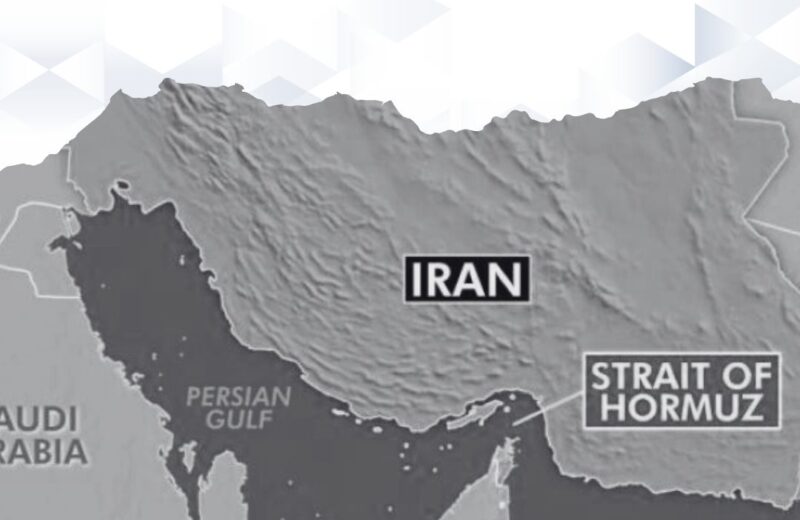
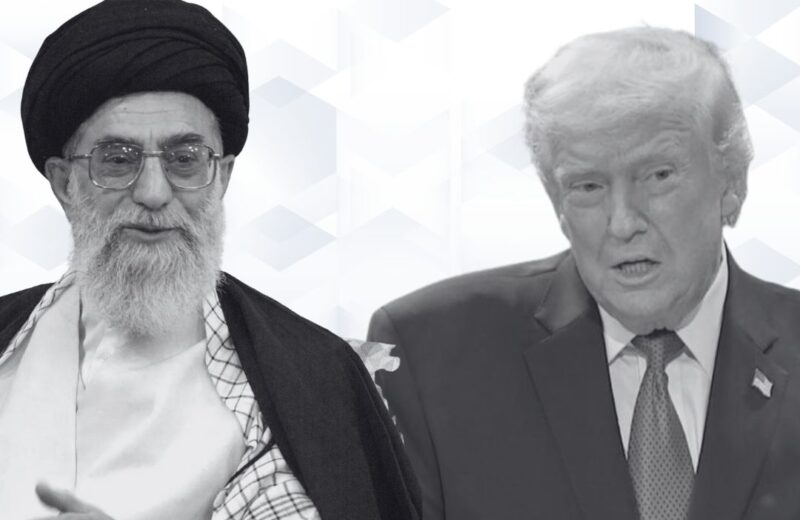
On the international stage, attention remains focused on Iran and the Strait of Hormuz, the strategic maritime passage through which a crucial share of global oil and gas trade flows. After months of tensions and disruptions to navigation, diplomatic efforts appear to have opened a narrow path toward a gradual normalization of maritime traffic, although the situation remains fragile and heavily dependent on the balance of relations between Washington and Tehran. Europe is closely monitoring developments, as the Hormuz crisis has already had direct effects on energy prices, contributing to renewed inflationary pressures and increasing costs for households and businesses. In this context, Italy has maintained a cautious stance, supporting diplomatic initiatives while reaffirming its willingness to contribute to any international security missions only within a multilateral framework and following the necessary parliamentary approval.
At the same time, the war in Ukraine continues to represent the main source of instability on the European continent. While the conflict remains largely deadlocked on the battlefield, there is growing awareness that the challenge is no longer purely military but also economic and industrial. For this reason, Brussels continues to stress the need to strengthen Europe’s productive capacities and make the Union less vulnerable to external shocks, both in terms of energy security and defense.
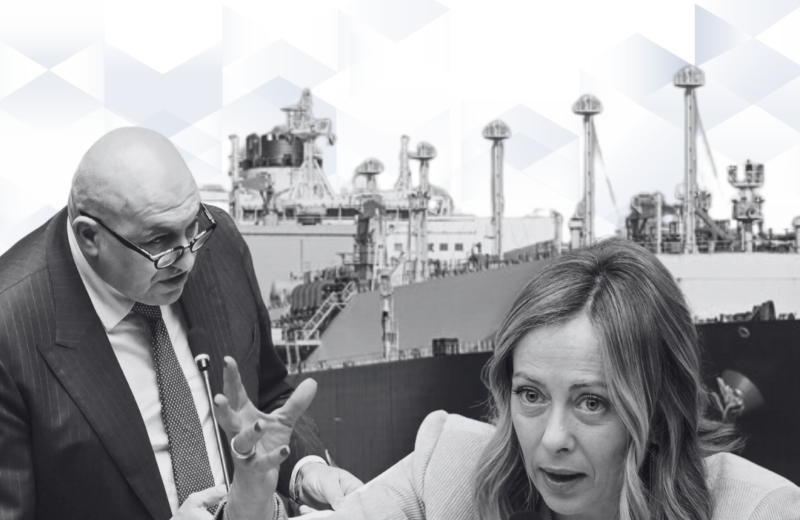
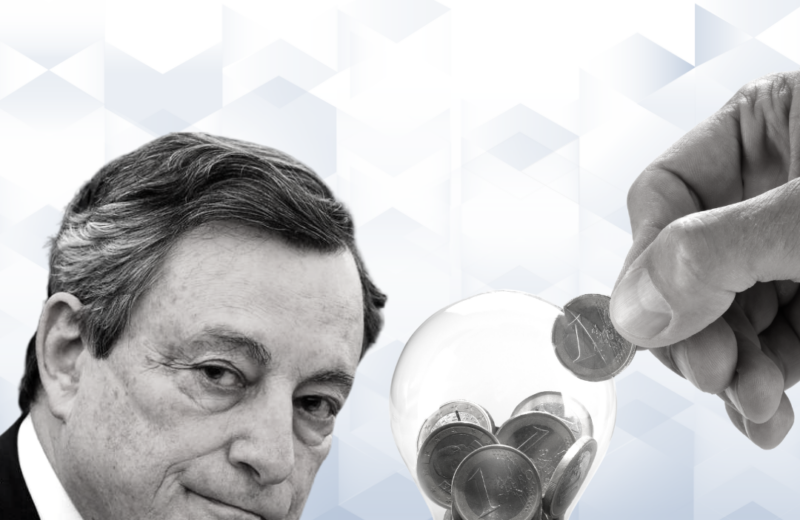
It is precisely from this awareness that one of the week’s most significant political developments has emerged. The European Commission has opened the door to extending the flexibility provisions of the Stability and Growth Pact to investments aimed at addressing high energy costs. This move responds to requests put forward by the Italian government in recent weeks and represents an important political signal: Brussels now recognizes that energy security has become an essential component of Europe’s broader strategic security. The proposed flexibility remains limited and subject to strict conditions, but it could provide member states with additional fiscal room to support investments in energy infrastructure, power grids and technologies capable of reducing dependence on imported fossil fuels.
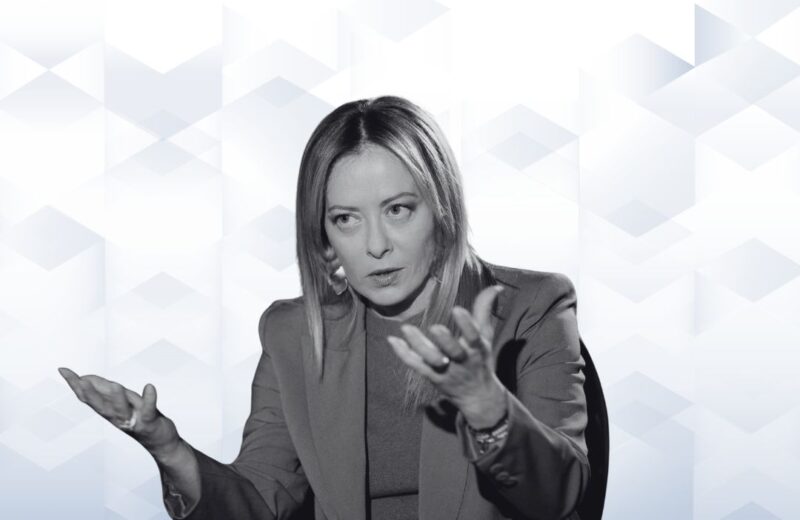
For Prime Minister Giorgia Meloni’s government, this represents a noteworthy political achievement. The Prime Minister can claim to have placed the issue of energy costs at the center of the European agenda at a time when the Middle Eastern crisis is once again highlighting how energy dependence remains a major vulnerability for the continent. Unsurprisingly, the energy debate is closely linked to another decision set to shape political discussions in the years ahead: the approval of the enabling law on nuclear energy.
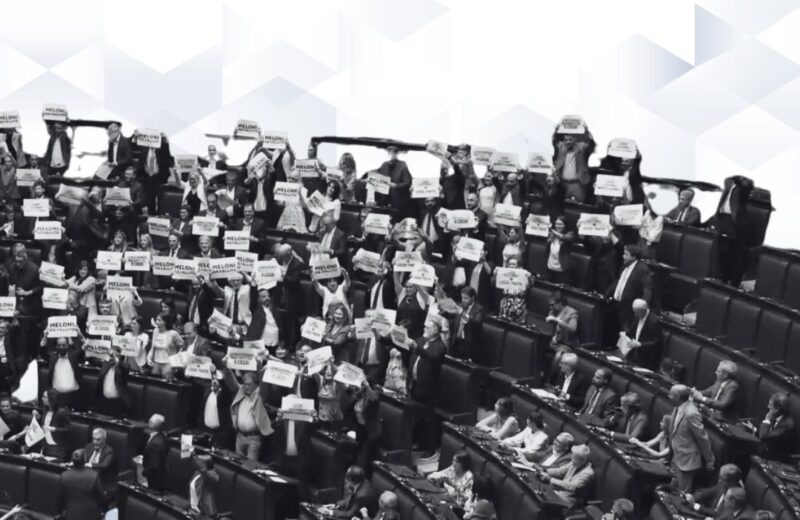
The government’s objective is to establish the regulatory framework necessary for Italy’s return to next-generation nuclear power, with a particular focus on small modular reactors and advanced technologies that would complement renewable energy sources. For the governing majority, this is a strategic choice made even more urgent by the volatility of international energy markets; for the opposition, concerns remain regarding costs, implementation timelines and nuclear waste management. Beyond political divisions, however, the issue marks a significant shift in perspective: after decades of being largely absent from the national debate, nuclear energy is once again being considered as one of the tools capable of guaranteeing energy autonomy and industrial competitiveness.
Against the backdrop of the Ukrainian front, tensions in the Persian Gulf and Europe’s new energy policies, a clear picture emerges of the phase we are currently experiencing.