The new paradigm of Western security: from the G7 to NATO
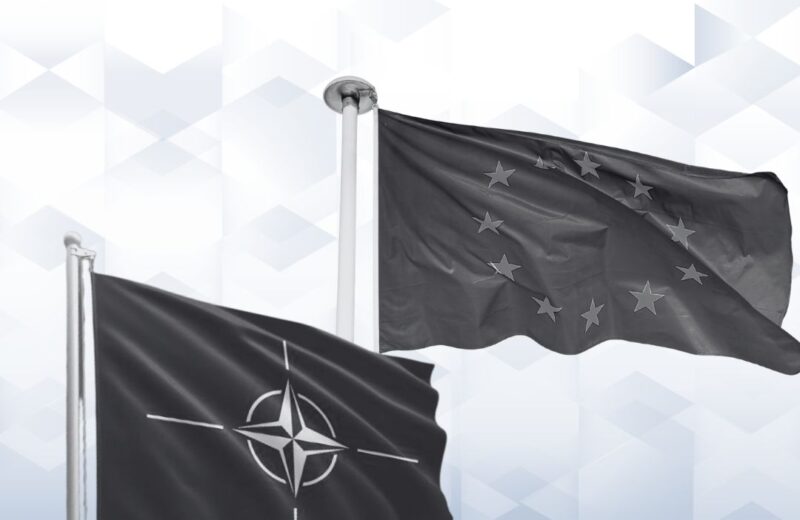
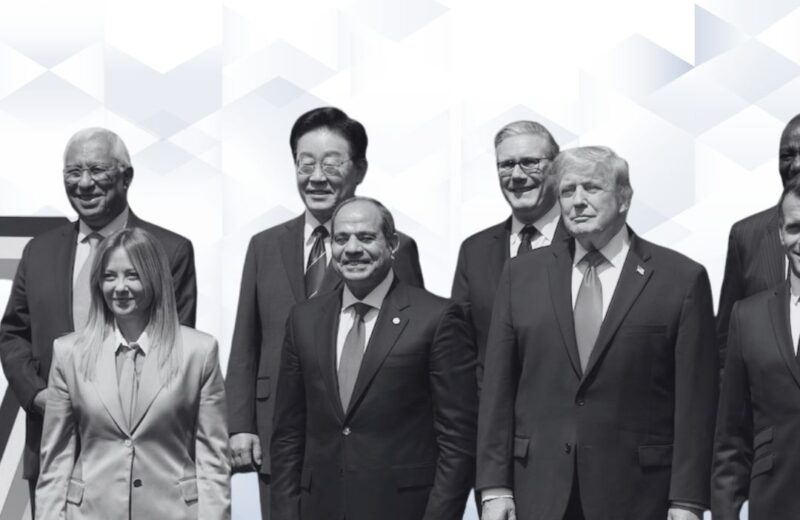
Over the past week, the focus of international politics has been squarely on North America and Europe, where two pivotal events – the G7 summit in Kananaskis (Canada) and the upcoming NATO summit in The Hague – are reshaping the architecture of Western security. This is not a process detached from domestic politics; on the contrary, it reflects and in some cases accelerates internal dynamics of power consolidation, as illustrated by the ongoing debate in Italy over a potential third term for regional presidents.
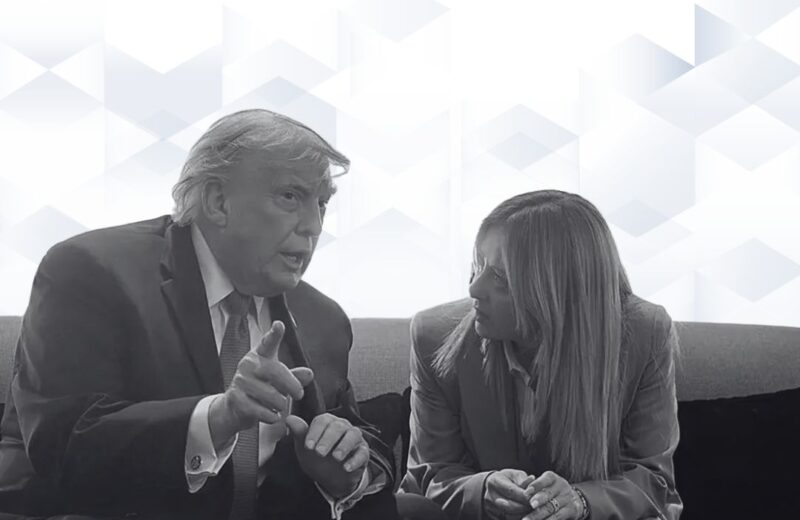
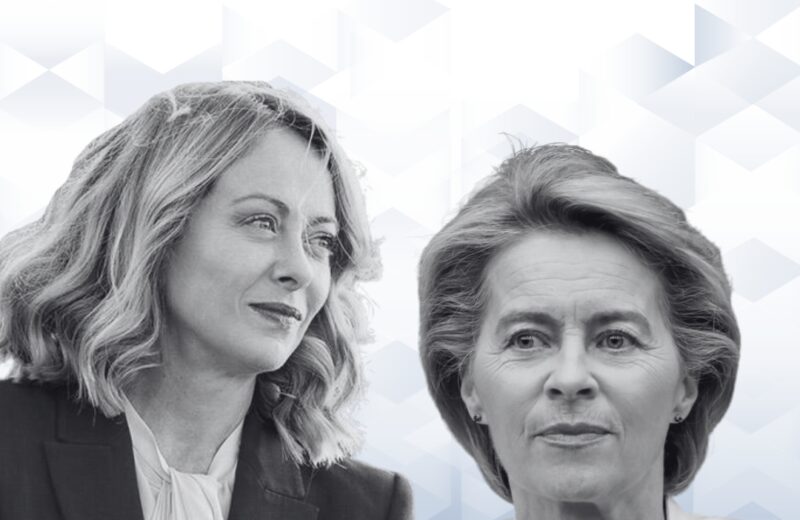
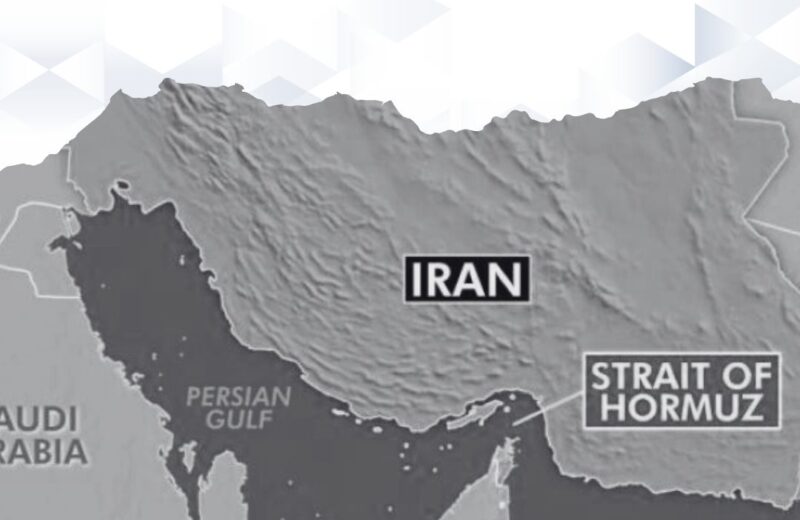
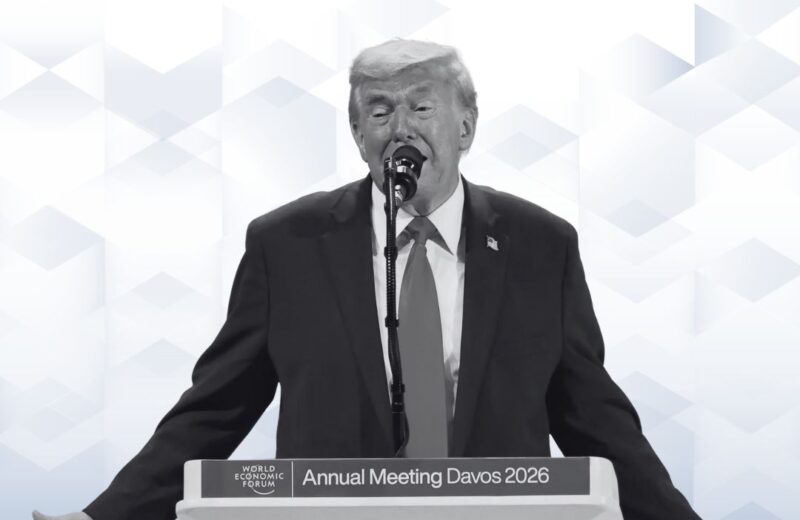
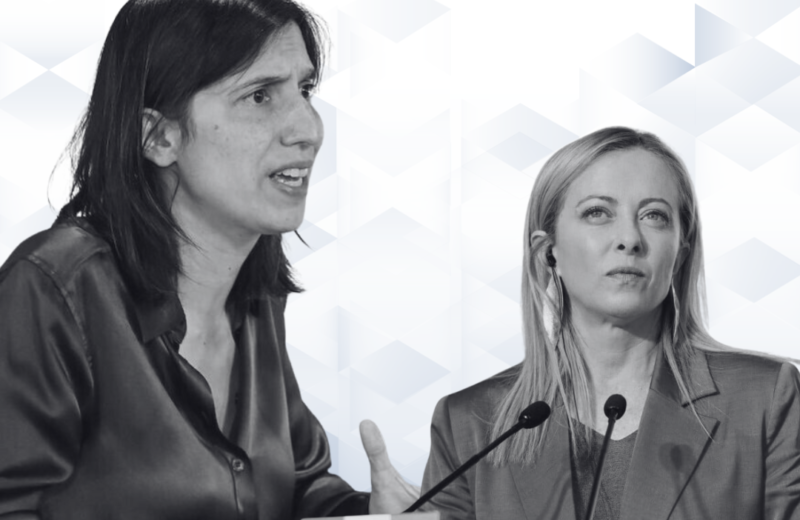
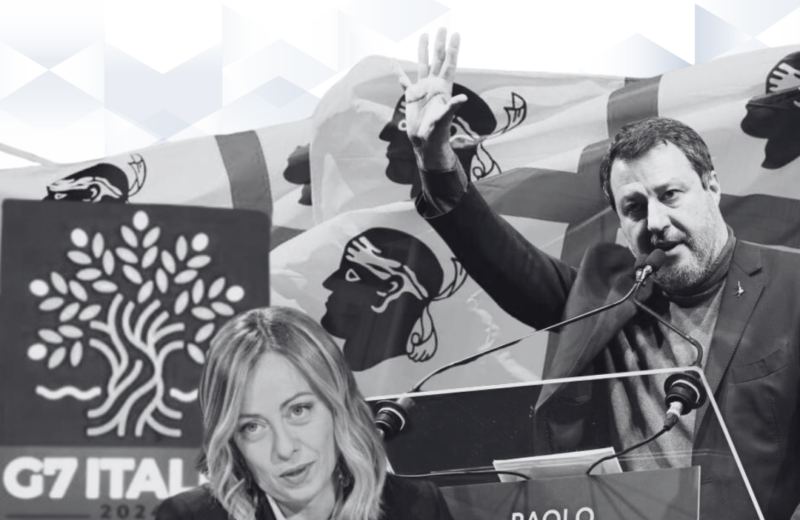
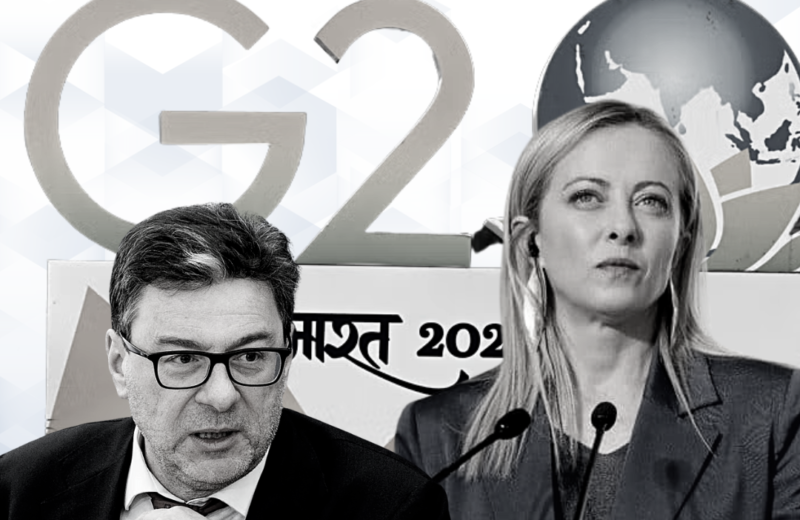
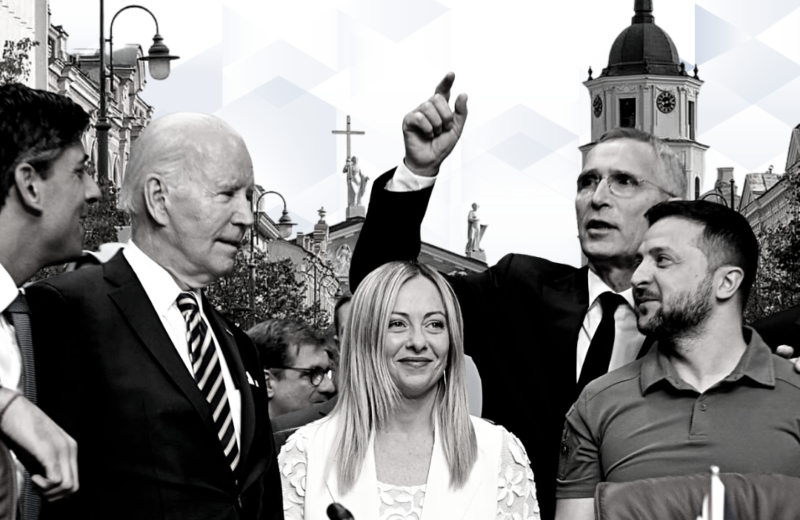
The June 16–17 G7 summit, though originally conceived with an economic mandate, took on an unmistakably political tone. Italian Prime Minister Giorgia Meloni, increasingly asserting herself in international diplomacy, attended a summit overshadowed by the escalating military confrontation between Israel and Iran. Discussions among Western leaders quickly shifted from economic cooperation to an anxious reassessment of global order. Official statements expressed “condemnation of Iranian aggression” and “solidarity with Israel,” but beneath the surface lay a difficult balancing act between firmness and caution. The growing unpredictability of the Middle Eastern front – particularly as the United States, under the renewed leadership of Donald Trump, vacillates between belligerent rhetoric and geopolitical pragmatics – has reinforced Europe’s conviction that security can no longer be passively outsourced to Washington.
It is against this backdrop that the upcoming NATO summit in The Hague (June 24–26) takes on historic significance. At the heart of the discussions is a proposal, advanced by several member states, to increase defense spending up to 5% of GDP. Such a leap would definitively mark the end of the post–Cold War “peace dividend.” The very notion of “defense” is being redefined: no longer limited to military hardware and personnel, it now encompasses civilian infrastructure, cybersecurity, and energy autonomy. This may signal the emergence of an integrated European defense framework – within the NATO umbrella but with a more assertive EU voice.
Meanwhile, back home, Italy is engaged in a debate that, while seemingly localized, carries strategic implications: whether to allow a third term for regional governors. Beneath the surface of technical and legal arguments lies a broader and more delicate question about the balance between democratic representation and administrative continuity.
The proposal comes amid an era of strong personalized regional leadership, with figures such as the presidents of Veneto and Lombardy perceived not merely as local administrators, but as national political actors. Their negotiating leverage with the central government – especially regarding autonomy and resource management – has grown alongside their tenure. Supporters of a third term argue that, given the complexity of today’s challenges, from healthcare to climate emergencies to the management of EU funds, stability and experience are essential assets.
However, this approach also invites a broader reflection on the relationship between effective governance and the quality of democratic life. At a time when international demands require swift and cohesive leadership, it is legitimate to ask whether extending political mandates is the right solution or whether it could unsettle institutional balance. Alternation in power remains a cornerstone of mature democracies, ensuring pluralism, renewal, and accountability.
The third-term debate, then, is far from a merely technical or procedural matter. It touches on a deeper question of what model of governance Italy wants to embrace in today’s shifting geopolitical landscape: one that values continuity and accumulated leadership, or one that preserves a healthy turnover at the core of institutional life. The answer will help define the country’s posture – both domestically and on the international stage.