Europe between a strategic agenda, a long war and the redefinition of power
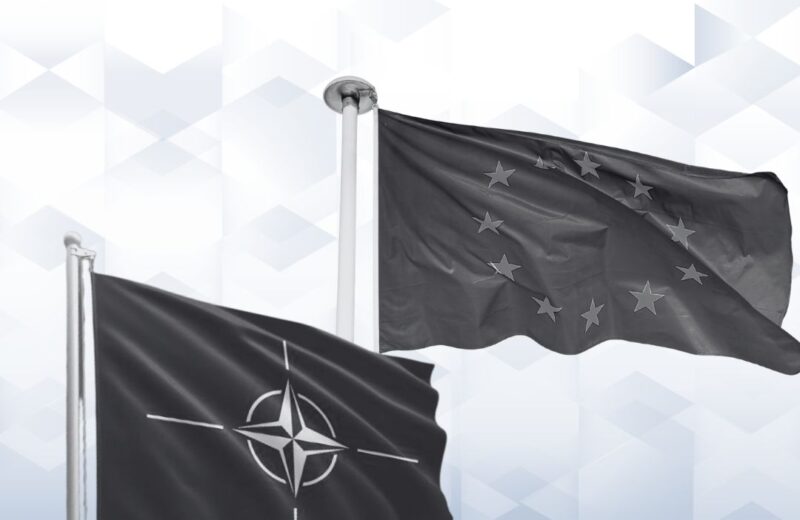
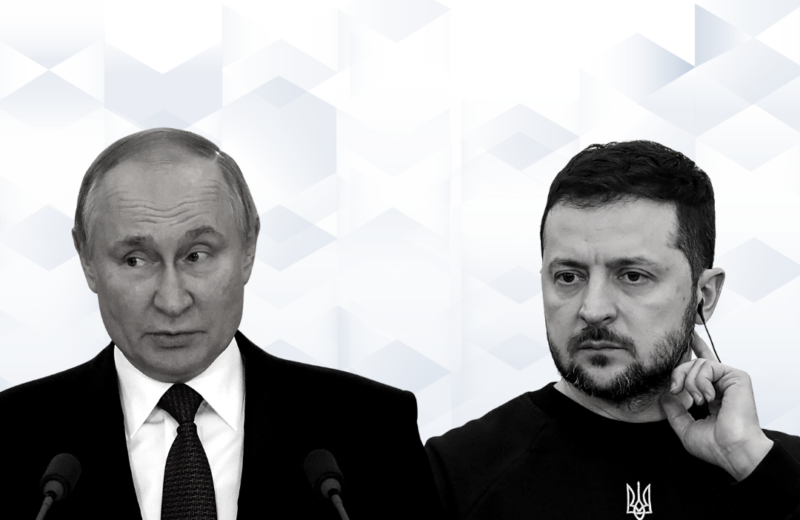
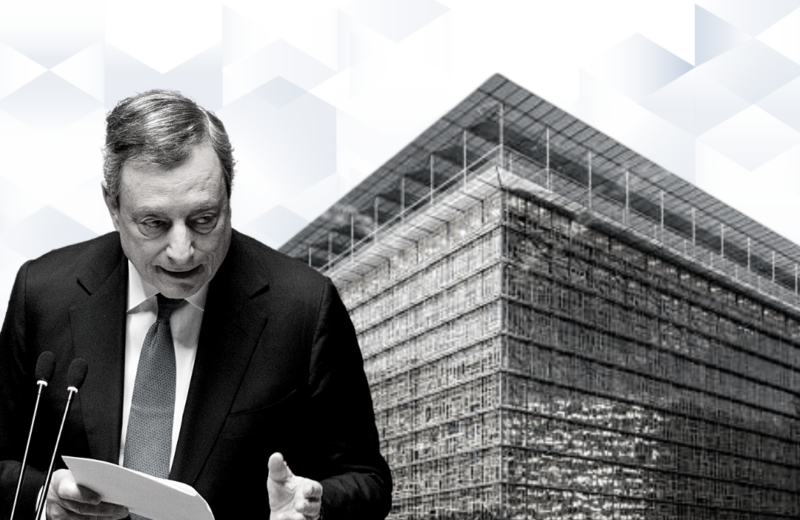
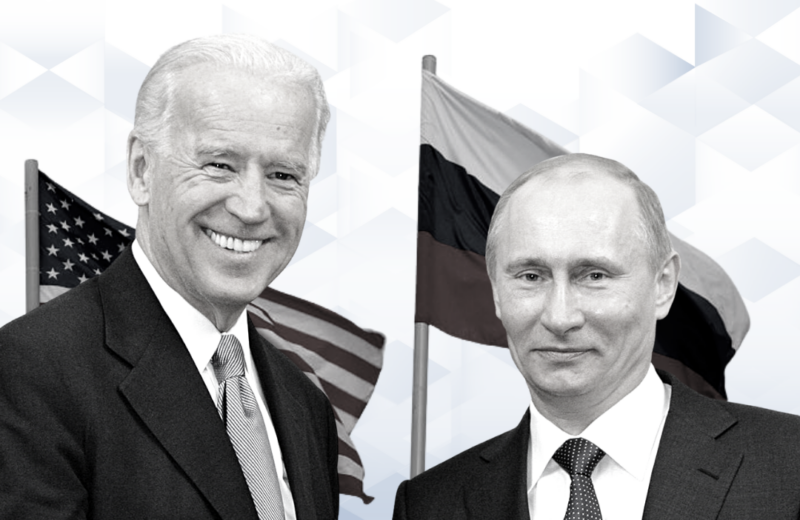
The week in which the European Council of 18–19 December took place offers a clear picture of a European Union attempting to move beyond emergency management and enter a phase of strategic decision-making, while still being constrained by political, legal and geopolitical limits. The agenda of the summit is not only dense but deeply political, as it brings together dossiers that speak directly to the nature of the Union in the years ahead. The renewed focus on the integration of the Western Balkans signals a desire to reclaim an active geopolitical role in the EU’s neighbourhood, after years of ambiguity and postponements that have left room for external influences. At the same time, the debate on the 2028–2034 Multiannual Financial Framework opens in advance a potential rift among Member States over resources, priorities and the capacity to sustain a more ambitious Union in terms of defence, industrial transition and social cohesion. In this context, migration, security and geoeconomic competitiveness function as cross-cutting themes, because they combine domestic consensus-building with international credibility, highlighting how economic and strategic dimensions have become increasingly inseparable. The war in Ukraine remains the true axis around which the entire European agenda revolves. Reports of diplomatic contacts and possible negotiation scenarios, echoed by the international press, do not point to an immediate breakthrough but rather reveal a growing awareness that the conflict risks settling into a prolonged phase, with political, economic and social costs that Europe can no longer treat as temporary. This explains the renewed debate on security guarantees alternative or complementary to NATO and on the idea of a European multinational force, which reflects the EU’s attempt to strengthen its own strategic autonomy without breaking the Atlantic balance, while also exposing the difficulty of translating this ambition into concrete and genuinely shared instruments among the Twenty-Seven. Within this framework lies the decision on the €90 billion loan to Ukraine, a move of significant political relevance precisely because of the choice not to use frozen Russian assets directly as collateral. This line of caution reflects legal concerns but, above all, the desire to avoid precedents capable of destabilising the international financial order and fuelling internal divisions within the Union. The message to Kyiv is one of solid and continuous support, but firmly anchored to European rules and limits; the message to Moscow is of pressure designed to be sustainable over time, intended to outlast the military contingency itself. The Kremlin’s response, marked by Vladimir Putin’s increasingly harsh anti-Western rhetoric and accusations that Europe is subordinate to the United States, should be read primarily in domestic terms: a narrative aimed at reinforcing internal consensus and legitimising the continuation of the war as a systemic confrontation with the West rather than as a regional conflict. Overall, the week portrays a European Union suspended between ambition and caution, aware that the war in Ukraine is reshaping its geopolitical role but still uncertain about the tools with which to exercise it. The December European Council thus becomes a key moment not so much for immediate decisions, but for the direction of travel: whether the EU intends to remain a reactive actor, forced to follow events and allies, or whether it is ready to turn a prolonged crisis into an opportunity to consolidate its political, financial and strategic architecture.