Italy between the budget maneuver and geopolitical tremors
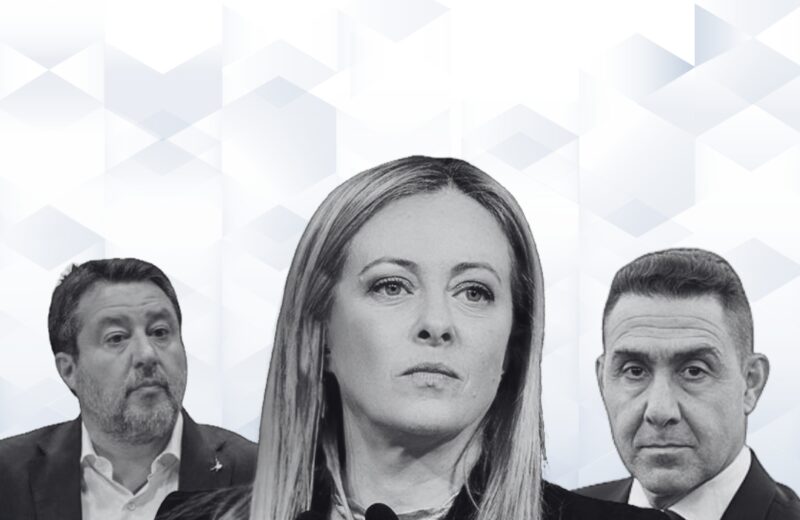
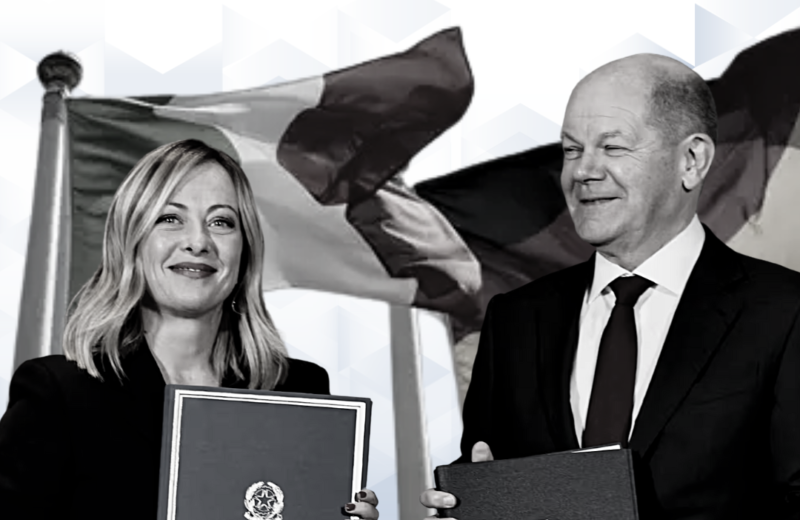
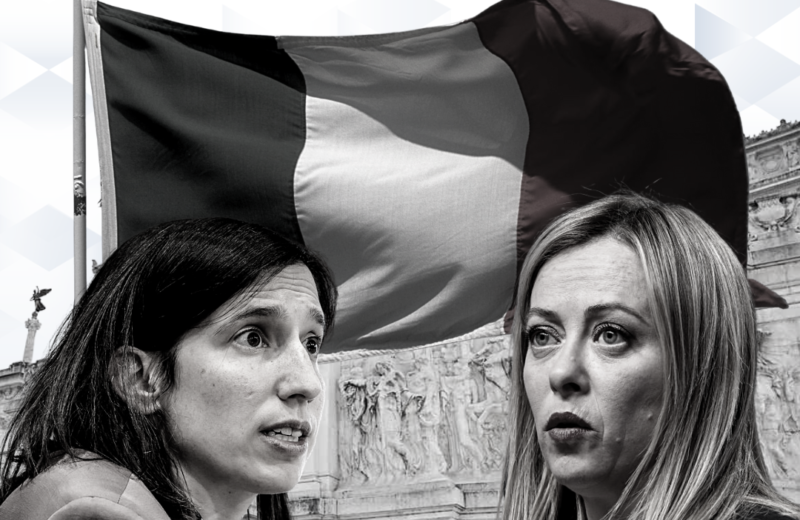
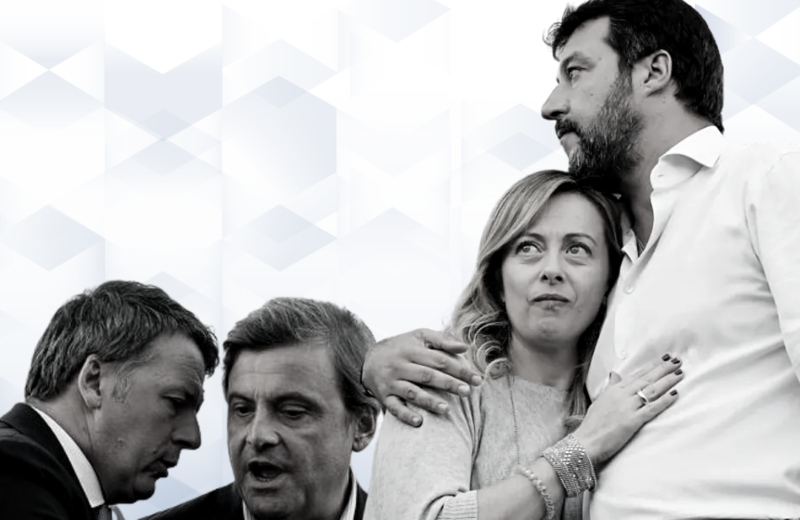
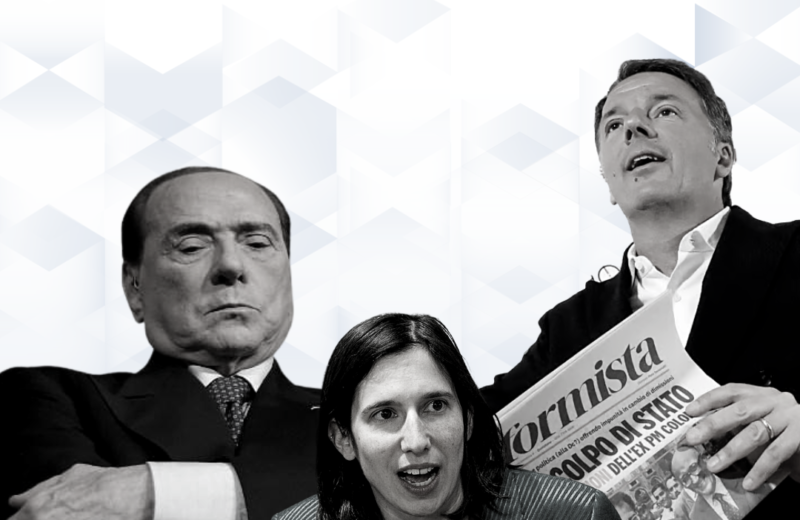
It has been a turbulent week for Italian politics, where the interplay between domestic institutions and new geopolitical balances has overlapped with the very concrete constraints of public finances. The so-called Garofani affair—sparked by the publication of a conversation attributed to Quirinale adviser Francesco Saverio Garofani, in which a supposed “plan” to stop Meloni and promote a new centre-left coalition was mentioned—turned a media case into an institutional short circuit. Fratelli d’Italia spoke of a conspiracy, and the Prime Minister went to the President of the Republic for a direct clarification. Although the crisis quickly “deflated,” the signal remains: the governing majority perceives any hypothesis of an “Ulivo 2.0” revival as a threat, while part of the establishment is accused of treating elections more as a variable to be managed than a constraint to be respected—fueling mutual distrust precisely when the country needs political and financial stability.
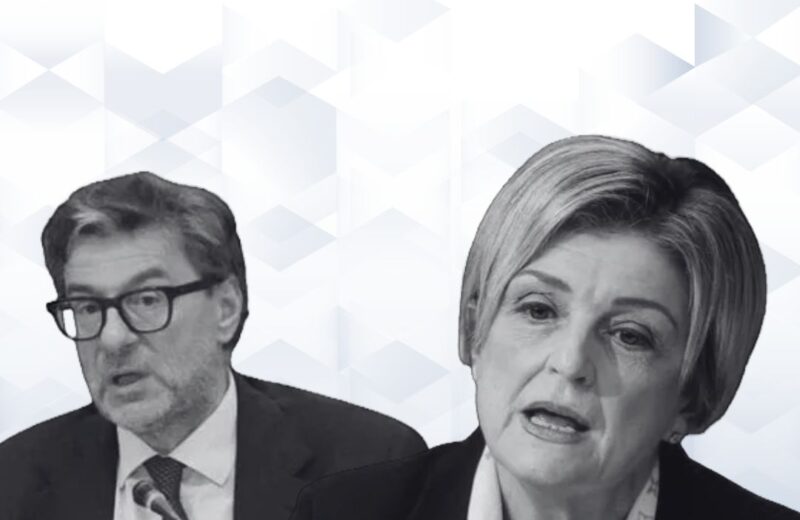
Against this backdrop moves the 2026 budget law, now before the Senate as bill no. 1689 for the 2026–2028 period, with a compressed parliamentary schedule and a round of hearings that has already highlighted the often divergent demands of businesses, unions, and intermediary bodies. The concrete risk is that the budget will reach year-end loaded with last-minute amendments and large corrections passed via confidence votes—measures aimed more at holding the coalition together and appeasing discontented groups than at building a growth strategy.
At the same time, Brussels has sent Rome a formal warning over the government’s use of “golden power” in acquisitions—particularly in the banking sector—judged potentially in conflict with single-market rules. It’s a reminder that the pursuit of national economic sovereignty now carries reputational—and potentially legal—costs at the European level.
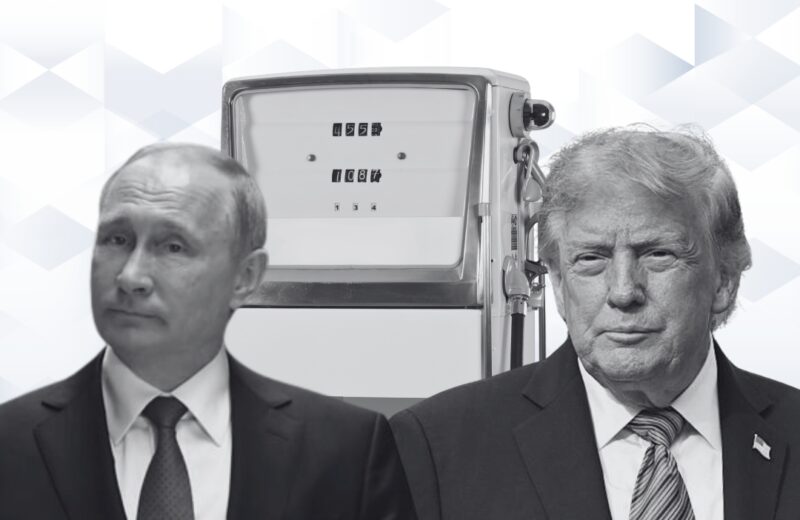
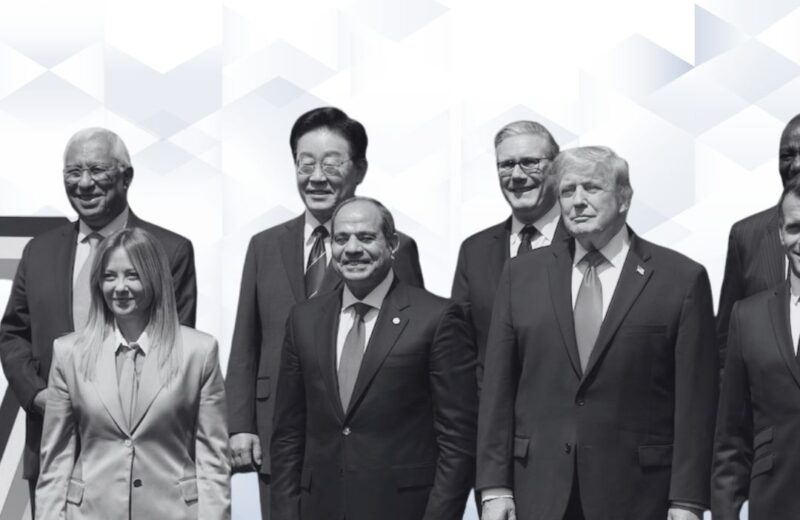
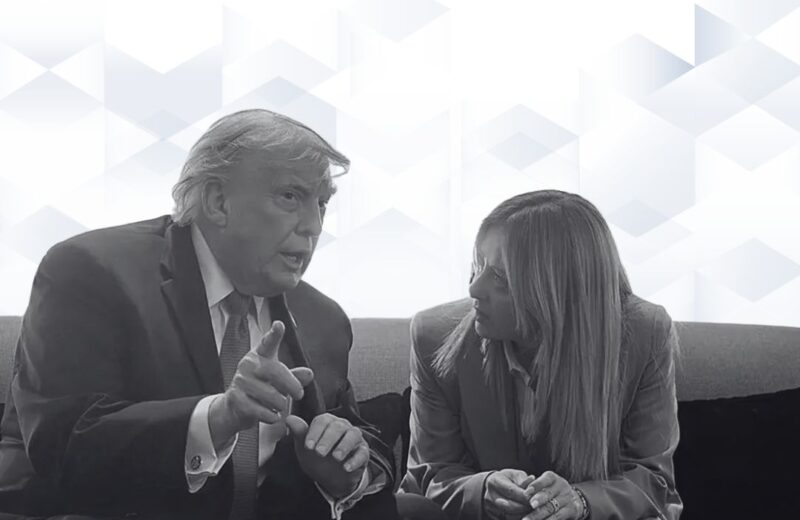
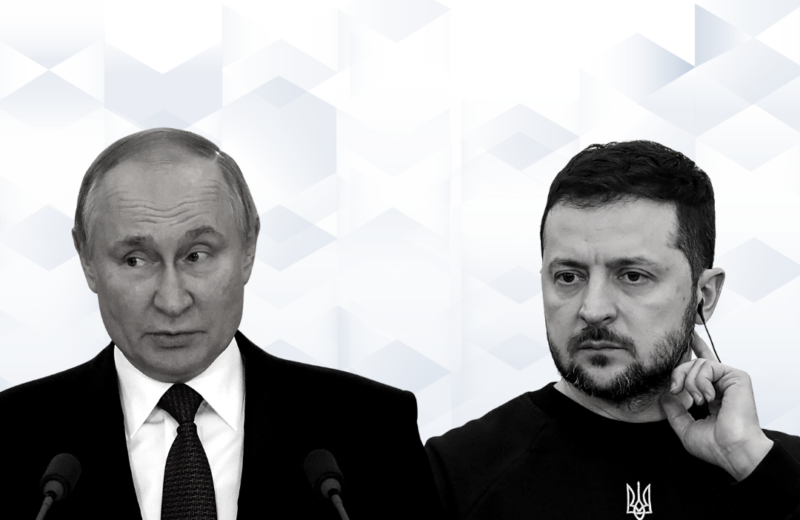
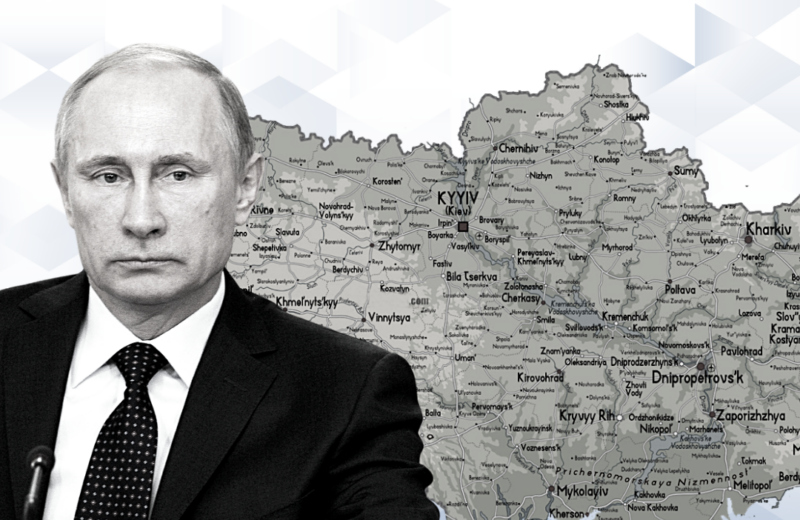
The international dimension also weighs through the Washington–Moscow axis: the new 28-point plan promoted by Trump for the war in Ukraine, drafted in close dialogue with Putin, envisages recognition of facts on the ground and limits to NATO expansion, demanding significant territorial and military concessions from Kyiv. The European Union, and Italy with it, now find themselves caught between the need to maintain the American security umbrella and the fear of being sidelined in a negotiation defined elsewhere—while Brussels expresses concern over an agreement that could weaken the principle of territorial integrity and the security architecture built after 1989.
For the Italian economy, this scenario means at least three things: potential volatility in energy markets depending on how sanctions and relations with Moscow evolve; uncertainty over future European fiscal rules, which also depend on the common stance toward the war; and growing pressure on the government to show reliability both in its public finances and in its adherence to the rules of the Western order.
In short, the week closes with a paradoxical convergence: a domestic dispute born from an informal recording, a budget still largely unwritten, and a global negotiation on war and peace may seem worlds apart, yet all contribute to shaping the Italy risk premium that investors, European partners, and allies will assess in the coming months.