Davos confirms the new global disorder, Trump makes it operational
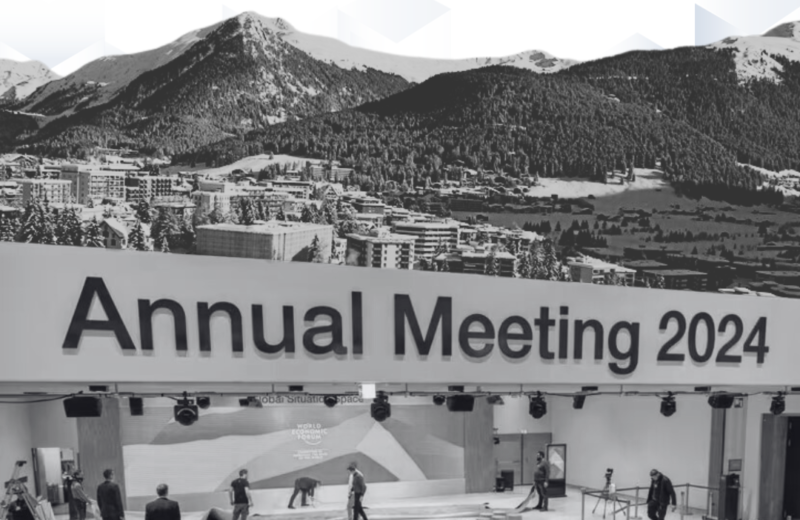
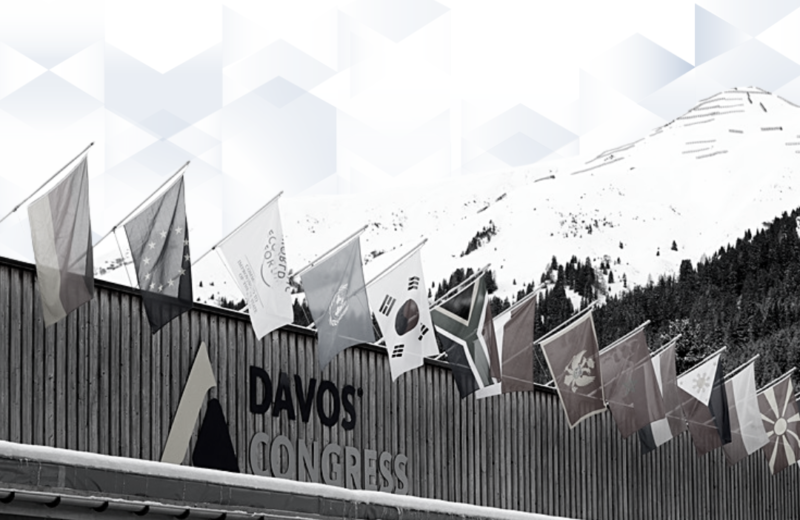
This year’s World Economic Forum in Davos was not marked by grand announcements or breakthrough decisions, but it served a perhaps more consequential purpose: it definitively confirmed that global disorder is no longer a temporary phase, but a structural condition. In official panels as well as in informal exchanges among political leaders, executives and investors, the language has clearly shifted compared to the recent past. Less emphasis was placed on growth as a natural trajectory and on globalization as a neutral engine of development, while far more attention was devoted to security, resilience and control over supply chains.
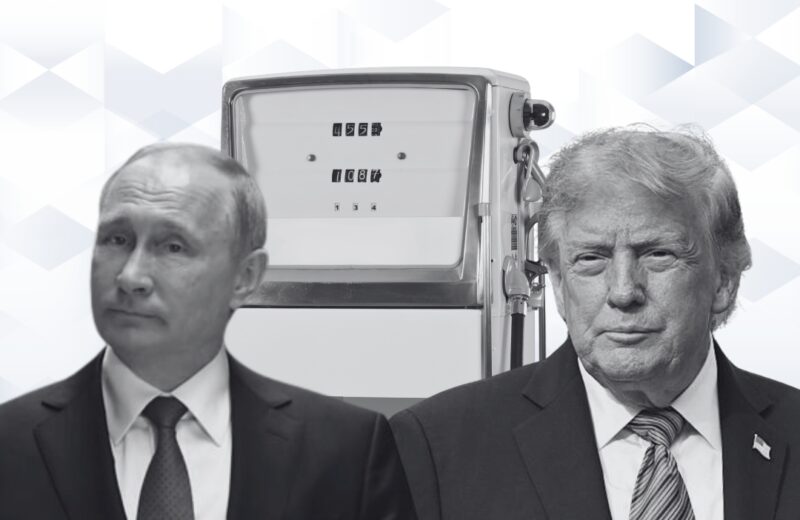
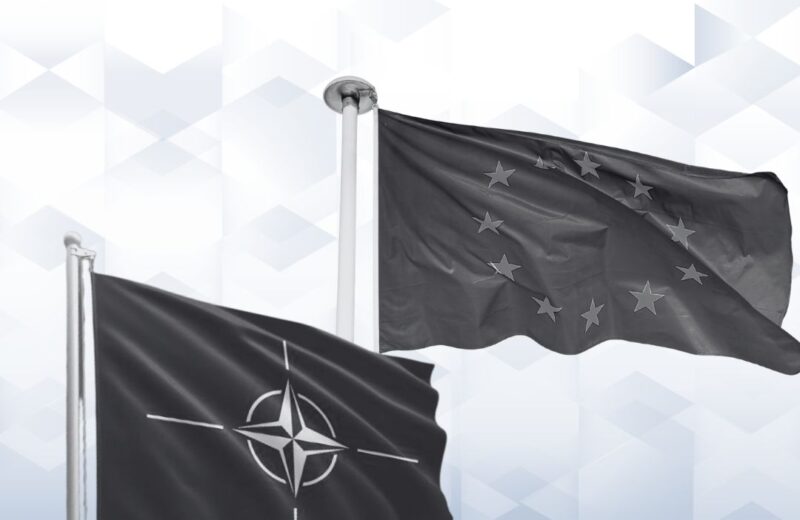
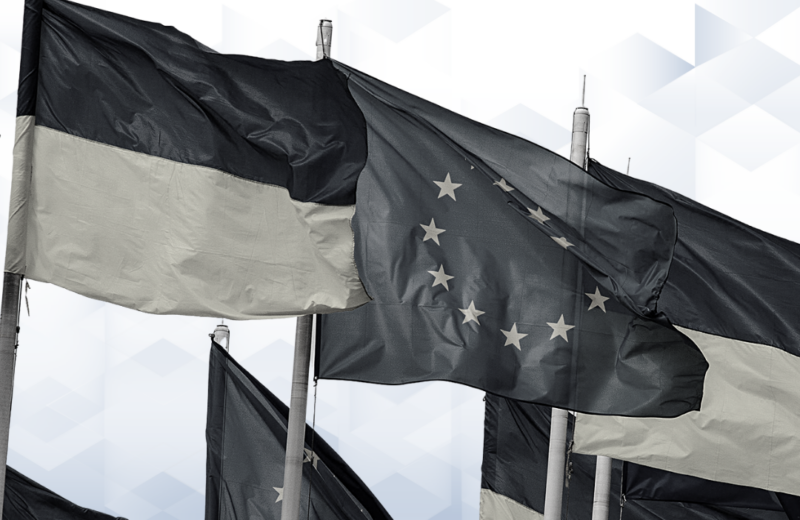
Davos acknowledged that geopolitical risk is no longer an external shock to be absorbed, but a permanent variable around which industrial, trade and financial strategies must now be built, in an economy increasingly reorganized into blocs, where efficiency and openness are sacrificed in favor of protection and strategic positioning. Within this framework, the moves and statements of Donald Trump act as a political accelerator of what Davos discusses in more cautious terms. Trump’s remarks on Greenland should not be read as an isolated provocation or mere rhetorical excess, but as a coherent signal of a strategy that uses strategic territories, resources and security as direct instruments of geopolitical pressure, bringing back to the forefront a power-based logic many believed had been consigned to the past. In the same vein, the announcement of new tariffs against European partners and allies confirms that US trade policy is now openly instrumental: trade is no longer a neutral field of regulated cooperation, but a tool of negotiation and pressure, applied selectively and punitively even toward formally allied countries. European reactions, observed between Davos and the various capitals, reveal the full difficulty of this transition. On the one hand, the European Union continues to speak the language of rules, multilateralism and stability; on the other, it is increasingly forced to recognize how fragile this framework has become in a context dominated by the return of power politics and strategic competition. Tariffs strike at sensitive areas such as exports and industrial supply chains, while the Greenland dossier brings issues related to the Arctic, defense and European strategic autonomy back to the center of the debate, at the same time exposing the weakness of a still fragmented common response.
The thread linking Davos and Washington is therefore clear: while the Swiss forum acknowledges the paradigm shift and measures its risks, American politics turns it into immediate action. At Davos, systemic risks are discussed; in Washington, they are translated into concrete decisions. At Davos, stability is invoked; Trump uses volatility as a negotiating tool. This tension defines the outlook for the coming months and for 2026 as a whole, marking the definitive entry into a phase in which the fragmentation of the international order is no longer a theoretical hypothesis but a structural reality. For countries like Italy, deeply integrated into global markets and heavily dependent on exports, this scenario is far from abstract: it means operating in an environment where geopolitical choices have a direct impact on growth, industry and economic policy room for maneuver, forcing governments and businesses alike to adapt rapidly to a world that has already, in practice, entered the post-global era.