Between centrifuges and diplomacy: Washington and Tehran keep talking (again)
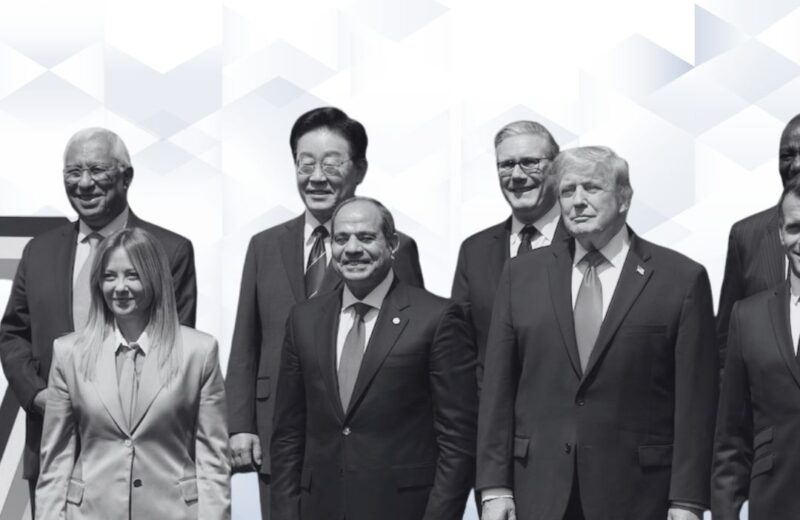
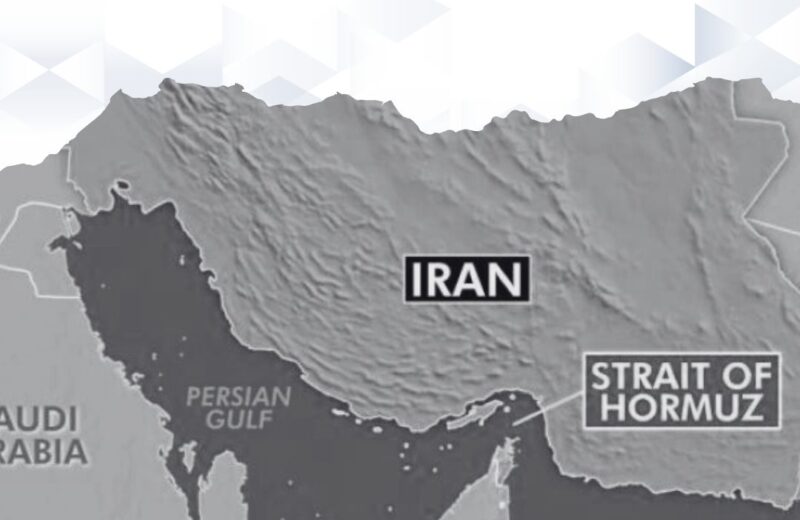
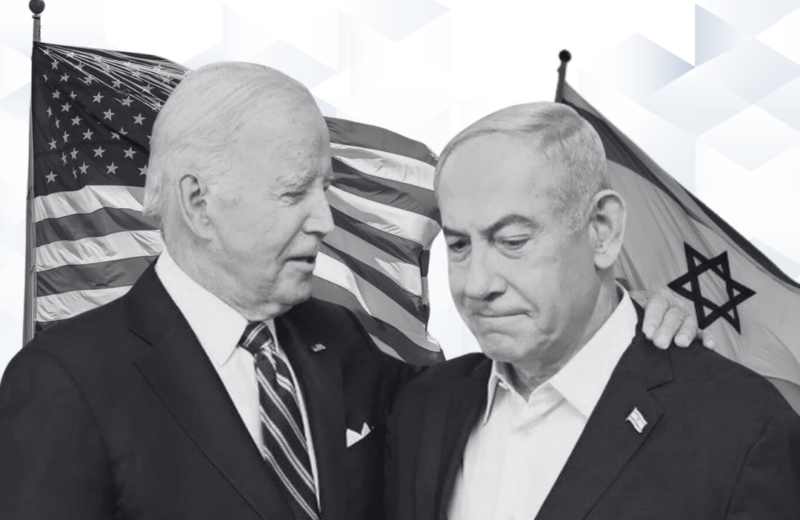
In the grand theatre of Middle Eastern geopolitics, the week closed with a now-familiar script: the United States and Iran talk, observe each other, trade barbs, declare “significant progress,” and then agree to reconvene. The indirect talks mediated by Oman did deliver some technical steps forward—enough to avoid catastrophic headlines, but not enough to justify champagne in foreign ministries. The core issues remain unchanged: uranium enrichment, inspections, sanctions relief. In other words: trust at zero, calculations at one hundred.
Tehran insists on its right to develop nuclear technology for civilian purposes and accuses Washington of making “excessive” demands. The United States, for its part, has no intention of easing pressure without stringent guarantees. The result is a diplomatic dance in which no one wants to be the first to concede, yet no one can afford to flip the table. Because the table, in this case, is the Middle East—a crowded chessboard where a single miscalculation could turn negotiations into escalation.
The paradox is clear. On one side, muscular rhetoric, deterrence signals, and indirect messages sent through regional allies. On the other, the awareness that even an imperfect agreement would serve everyone’s interests. The United States cannot open a new strategic crisis front while other global dossiers remain volatile. Iran continues to pay a heavy economic price under sanctions that weigh on growth and domestic stability. And Europe watches each communiqué mentioning “progress” with a mix of anxiety and relief.
At this stage, diplomacy appears to function more as a containment mechanism than as a decisive solution. No one expects miracles from Vienna, yet the mere fact that technical teams keep meeting already counts, in international parlance, as half a success. It is the politics of “avoiding the worst”: not inspiring, but stabilizing. And in times of diffuse tension, even normality can feel like an achievement.
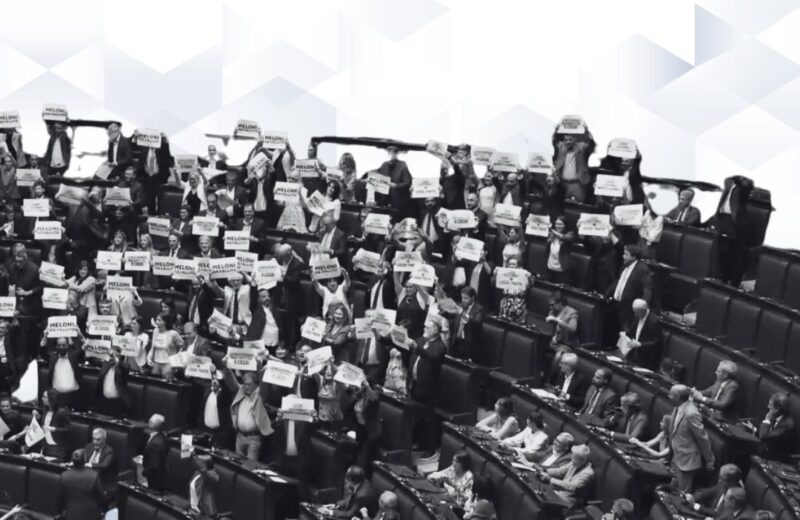
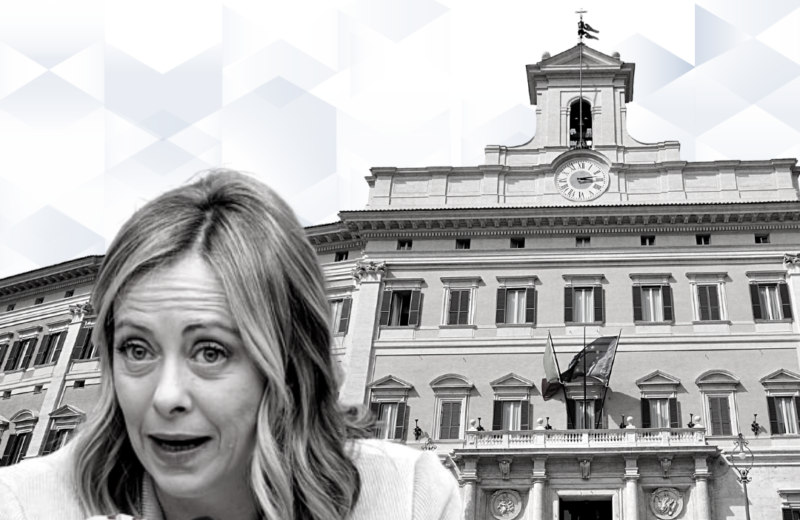
If this is the international climate, in Italy the apparent lightness of the “Holy” week of the Sanremo Music Festival should not be misleading. While part of the country debates rankings, betting odds and setlists, politics is preparing for the constitutional referendum on justice scheduled for March 22–23—an event that represents far more than a technical consultation. It is not merely a legal clash; it is a clash of visions.
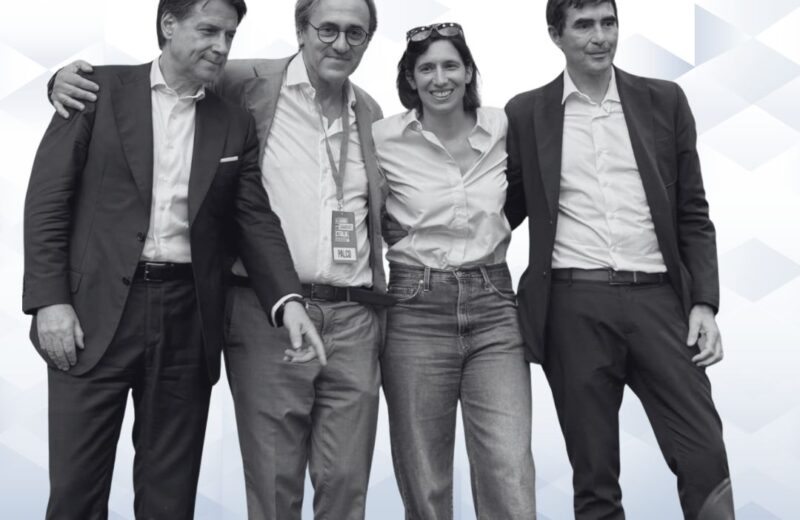
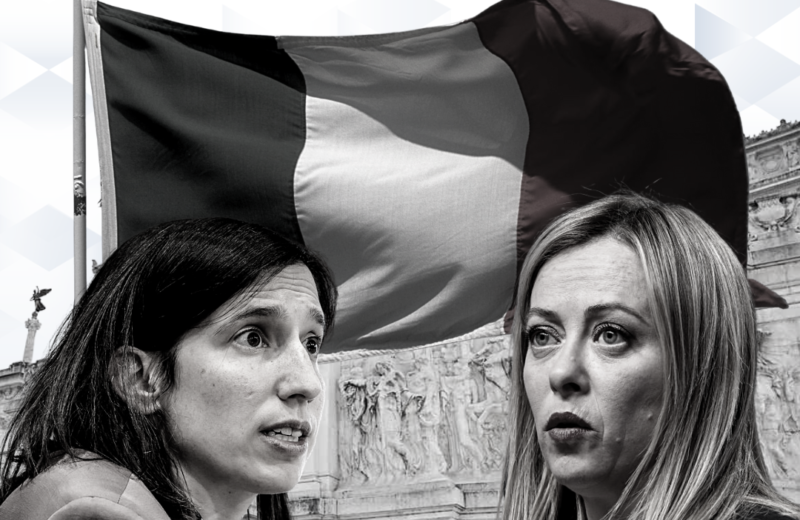
The vote becomes a dividing line between two competing ideas of institutional balance. For the governing majority, it is the final piece of a broader reform agenda, consolidating the vision of a more clearly “separated” judiciary and, in the government’s narrative, a more guarantees-based system. For the opposition and for segments of the judiciary, it is a step that reshapes the checks and balances among state powers, potentially altering a delicate equilibrium.
Politically, the referendum has an additional effect: it crystallizes the confrontation. Voters are not choosing a party, yet inevitably they are also judging the executive’s broader institutional direction. The outcome will be read as a measure of public endorsement—or skepticism—toward the government’s reform path. A clear Yes would strengthen the majority’s political legitimacy on a highly symbolic terrain such as justice. A No would reopen the issue and provide the opposition with a powerful argument regarding the resilience of the reform project.
There is, finally, a deeper layer. In Italy, justice is never a neutral subject. It is an identity marker, a matter of historical memory, and a permanent field of political tension. Any intervention in the judicial system touches sensitive chords that go far beyond constitutional technicalities. For this reason, the referendum will not simply be a normative step, but a moment of redefinition in the relationship between politics and the judiciary, between majority and opposition, between legislative and judicial power.