Gaza, Hamas and the truce: between hopes and diplomatic paradoxes
In the vast and troubled landscape of the Middle East, every so often, a ray of light appears in the form of a possible truce. But, as often happens, the reality of negotiations immediately shatters any illusion. Gaza, today more than ever, stands as the symbol of diplomacy struggling to reconcile promises with reality. On one hand, there are calls for peace and hope that the release of hostages could lay the foundation for a ceasefire. On the other, there are mutual threats and military operations continuing to destroy what remains of a region already ravaged.
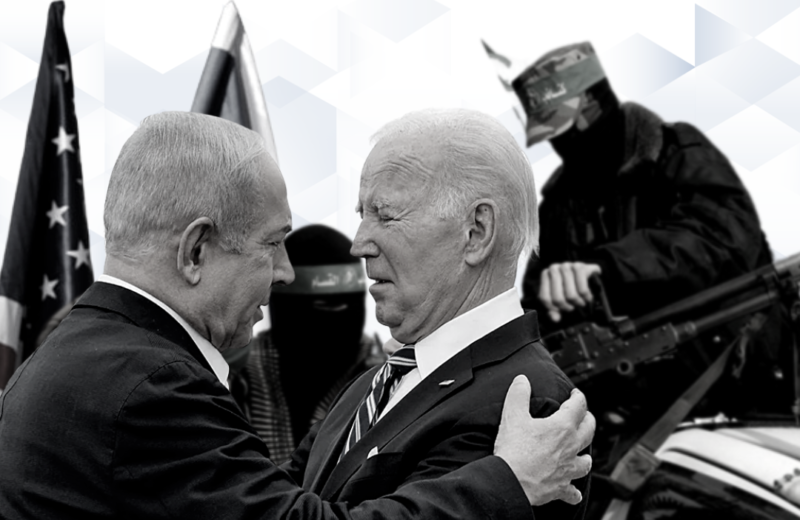
In this scenario, the latest developments on the Gaza front tell a story of compromises and challenges. Hamas, the group governing the Strip, has agreed to initiate a truce involving the release of Israeli hostages in five separate phases over the next sixty days. But the most interesting clause of this truce is not the release of hostages, but rather the absence of any ceremony. This may be a sign that the word “peace” is nothing more than a formality, a cover to maintain the power balance.
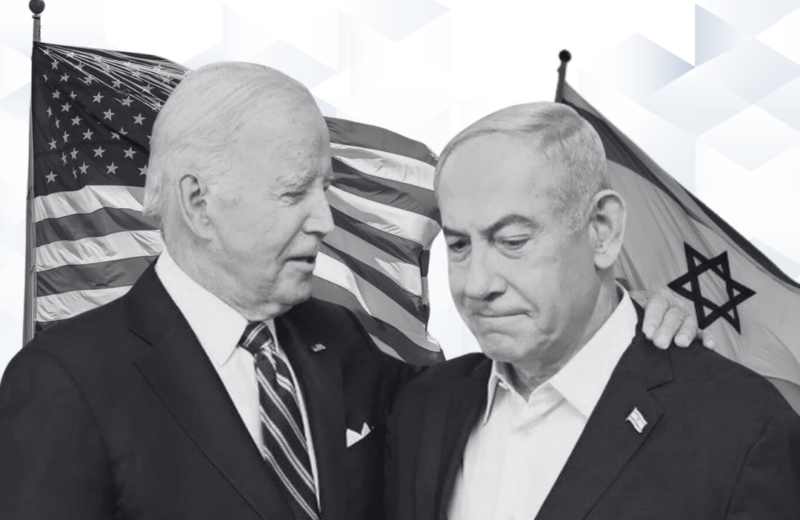
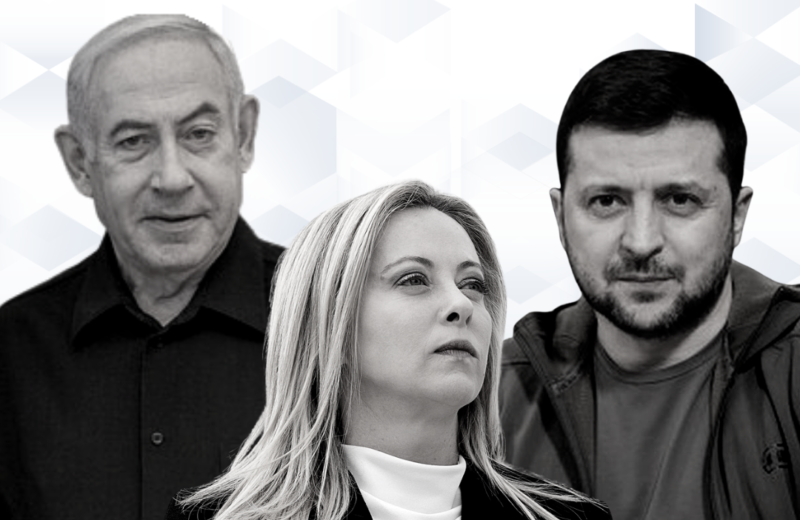
Israel, for its part, does not seem willing to yield even in the face of the truce promise. Prime Minister Netanyahu has already made it clear that he will not change his stance on the conflict, reiterating that “Hamas must be destroyed.” A statement that sounds like a paradox, as the Israeli government appears, on one hand, to be engaged in negotiations, but on the other, continues to pursue its uncompromising military strategy. After all, “peace” for Israel is nothing more than a necessary step to continue the broader war, strengthening its position in the region.
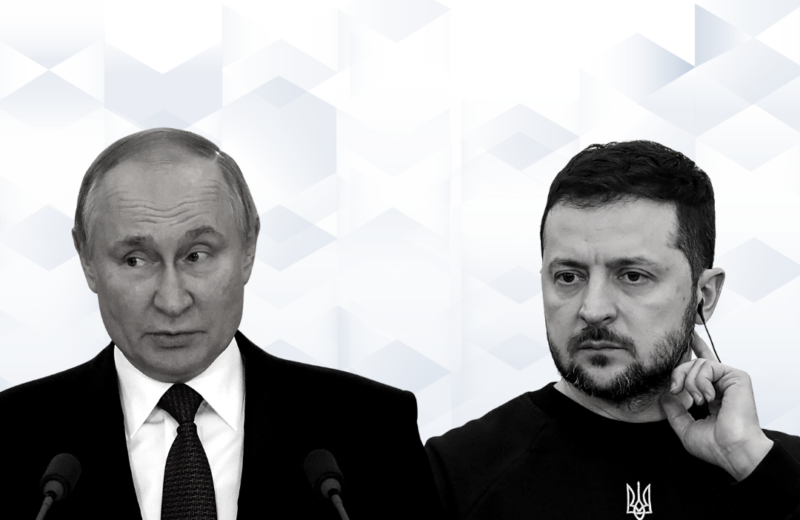
The situation is no less complex on the international stage. The global community, increasingly divided, finds itself watching helplessly as a cycle of violence shows no sign of resolution. The United States, while continuing to support Israel, also seems eager to mediate to prevent further escalation. The phone call between Trump and Putin, which took place at the end of the week, brought forth a declaration of intent: on one hand, the United States seems willing to suspend arms supplies to Israel to avoid exacerbating tensions, while Putin, on his part, emphasized the need for a political solution in the Middle East, with a focus on involving Tehran and Moscow.
Another aspect that strongly emerges in this new phase of negotiations is the central role the war in Ukraine continues to play in the background. Although the Middle Eastern conflict seems distant from the European crisis, the international alliances forming in response to the Russia-Ukraine war are also reflected in developments in Gaza. The Ukrainian issue, in fact, becomes a sort of springboard for diplomatic moves in the Middle East. The United States is engaged on two fronts: supporting Ukraine against Russia and, at the same time, trying to mediate an agreement between Israel and Hamas. But if the war in Ukraine is still far from its conclusion, the consequences of its extension could make it even harder to find a real solution to conflicts in the Middle East.
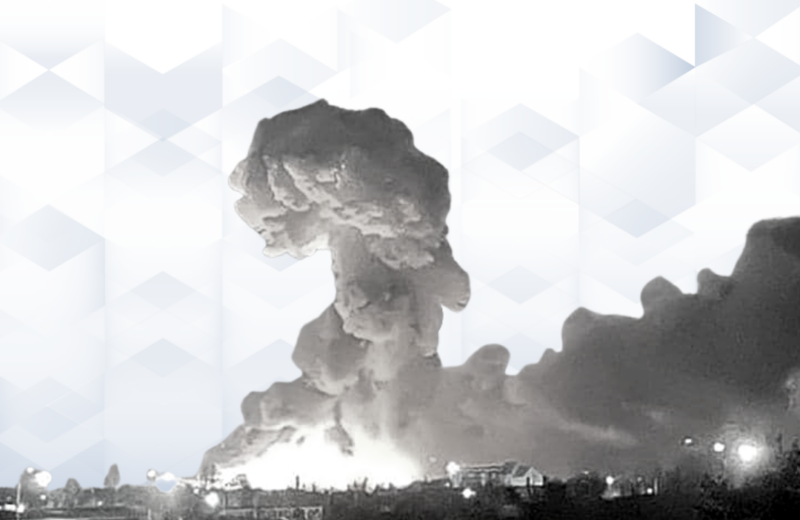
Meanwhile, while negotiations between Hamas and Israel seem to be taking shape, the reality on the ground remains that of war. New victims are added to the list every day, and the suffering of Palestinian civilians seems never-ending. Despite repeated statements of a desire to end the conflict, the intensification of attacks suggests that the war is far from being stopped.
The real question we ask ourselves is whether there is truly an exit strategy. The very protagonists of the crisis seem to evade any attempt to resolve the issue definitively. Hamas, while agreeing to initiate a truce, has never hidden its goal of ending Israeli rule over Gaza, while Netanyahu has never made any secret of his intention to annihilate the militant group. And so, while the entire world watches in anticipation of developments, Gaza remains a prisoner of a conflict that seems eternal.