The Referendum Shock
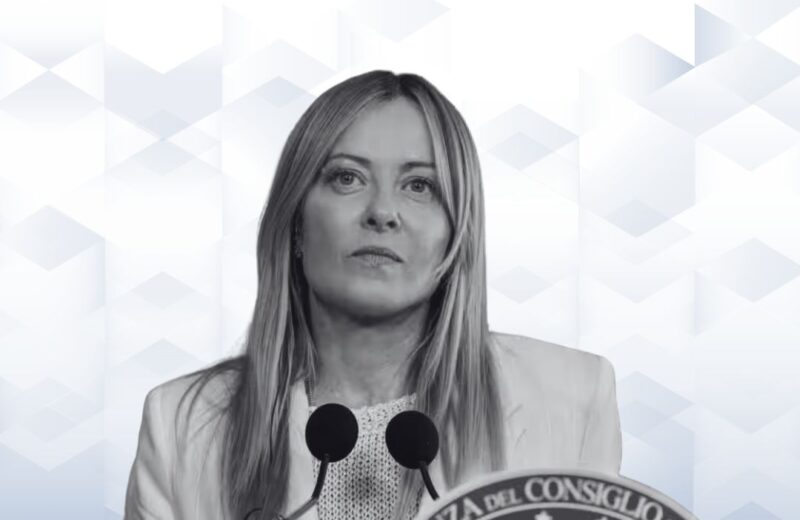
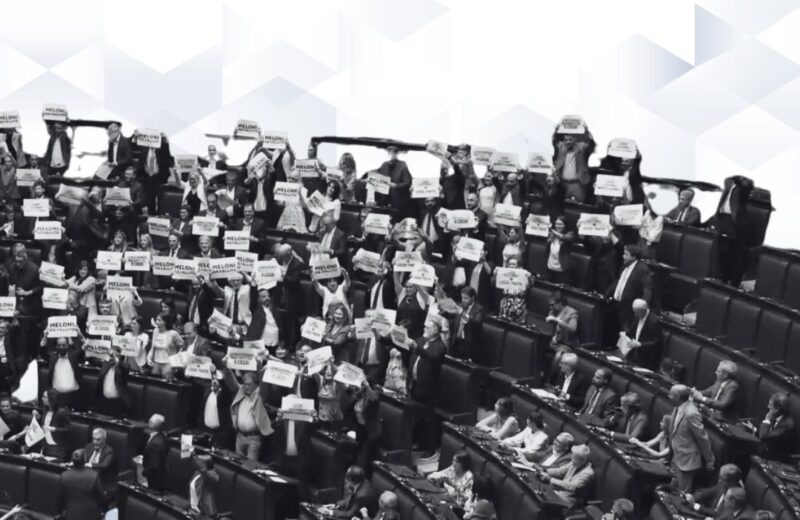
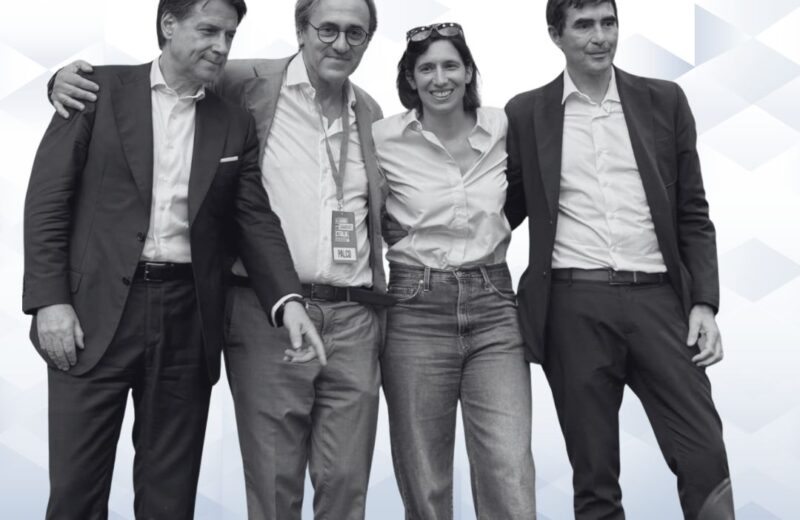
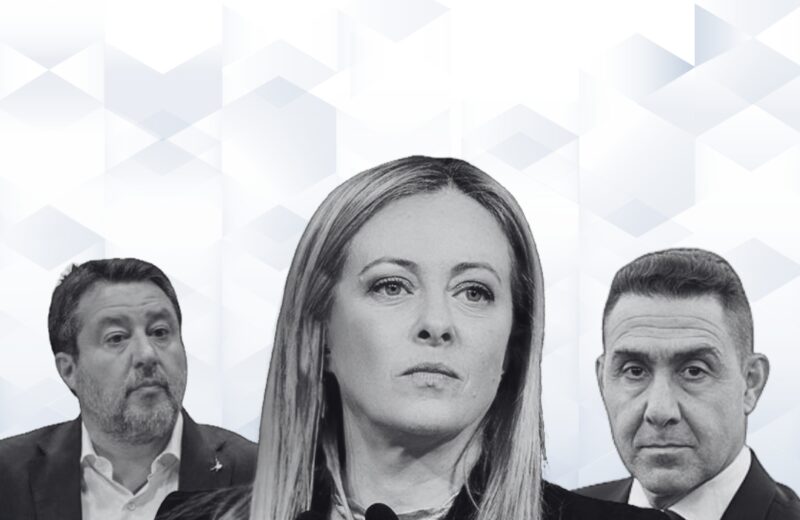
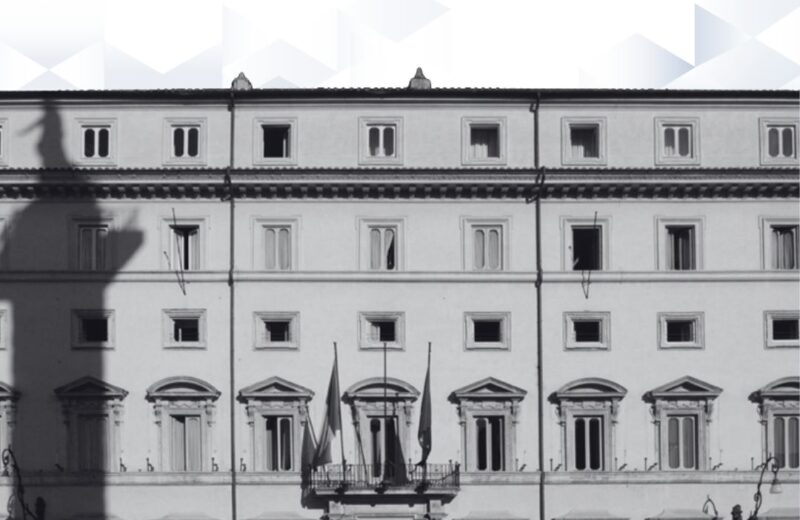
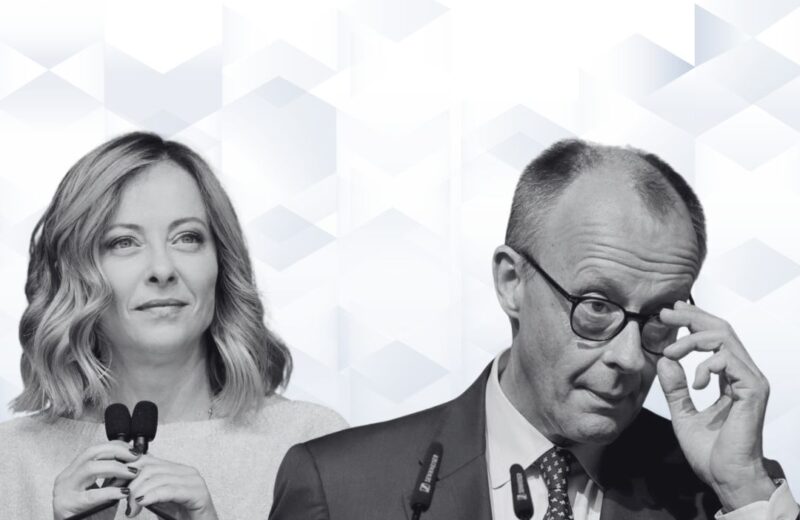
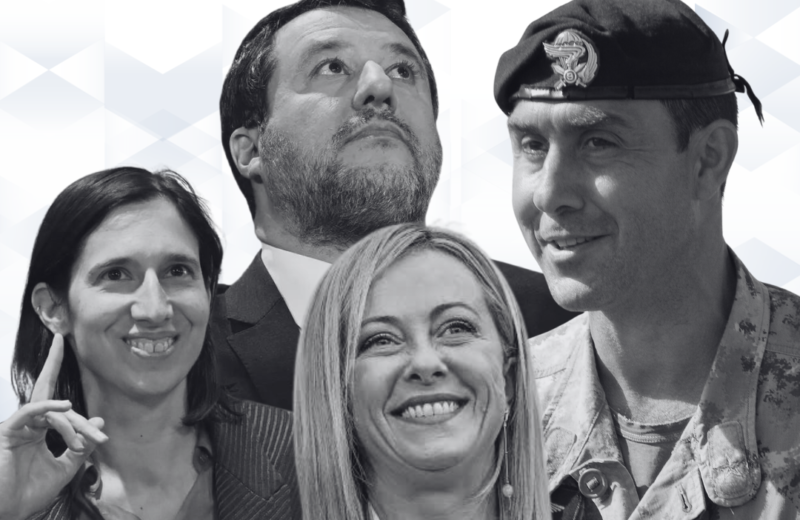
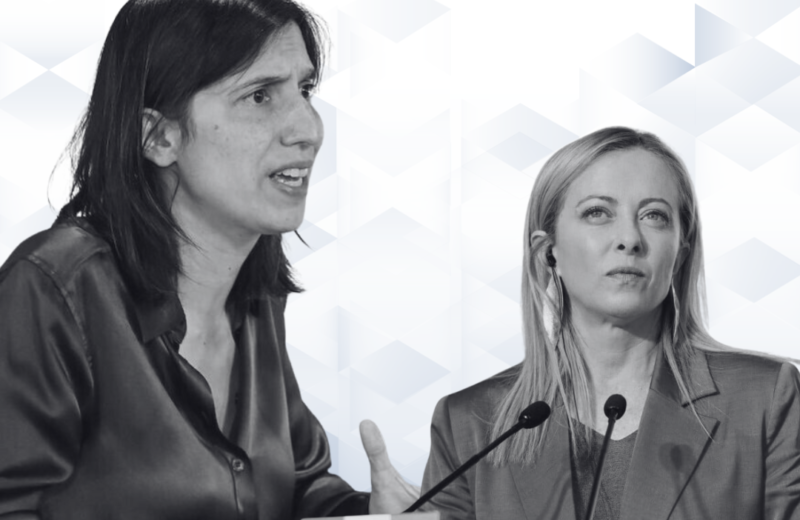
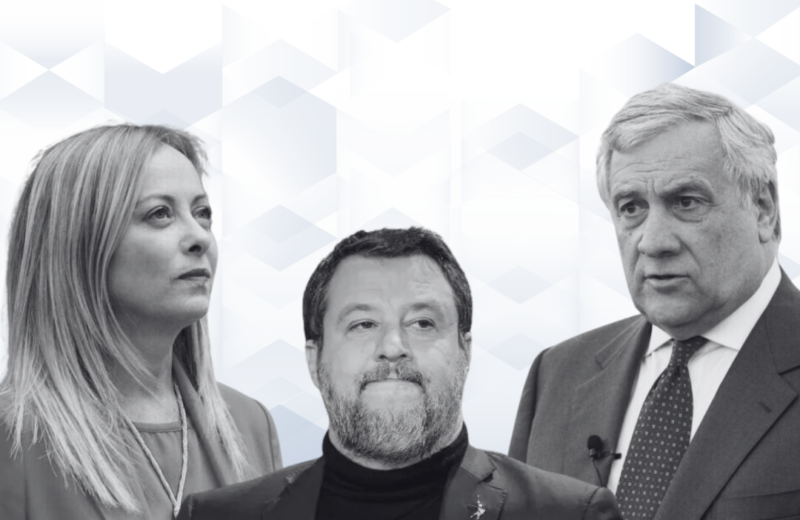
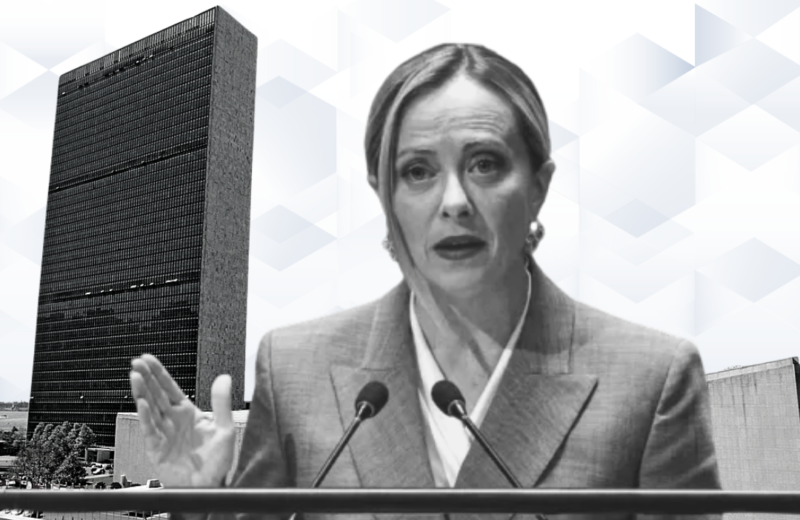
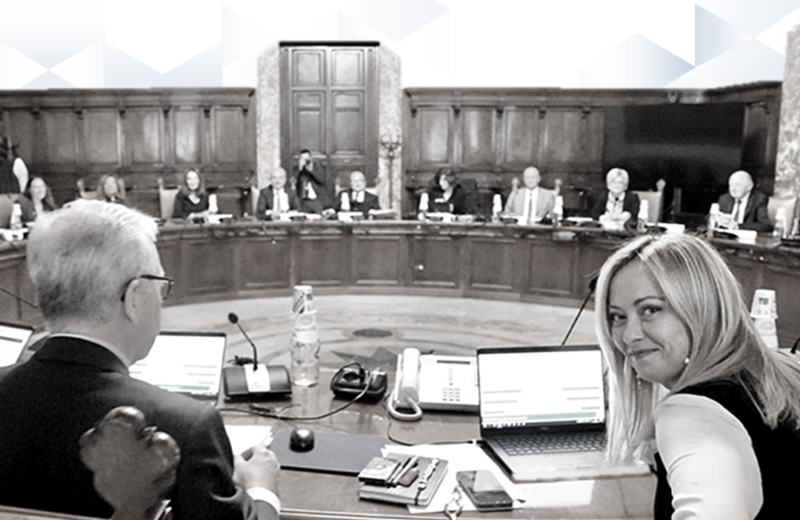
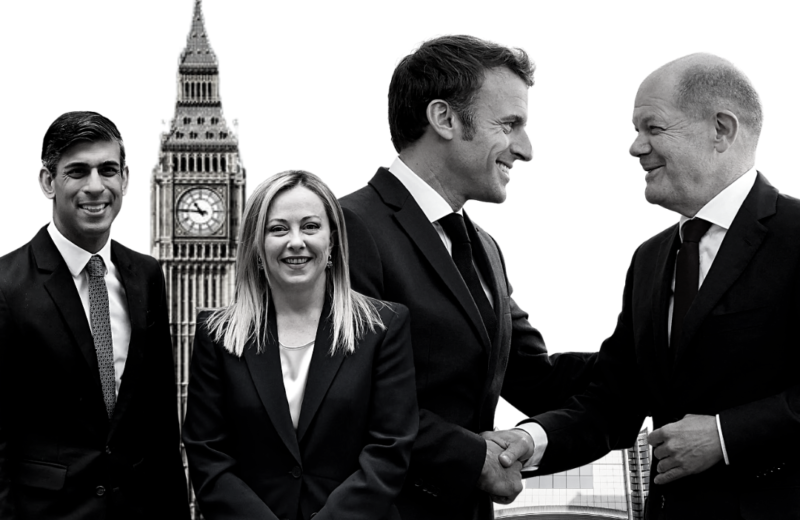
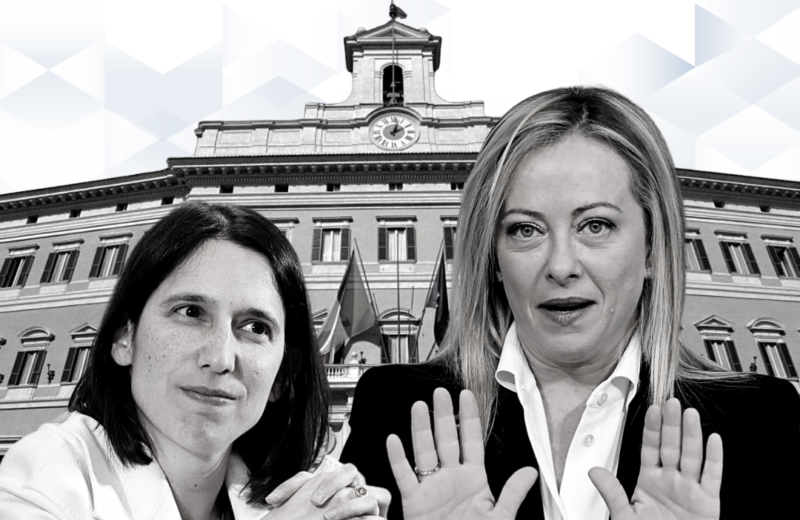
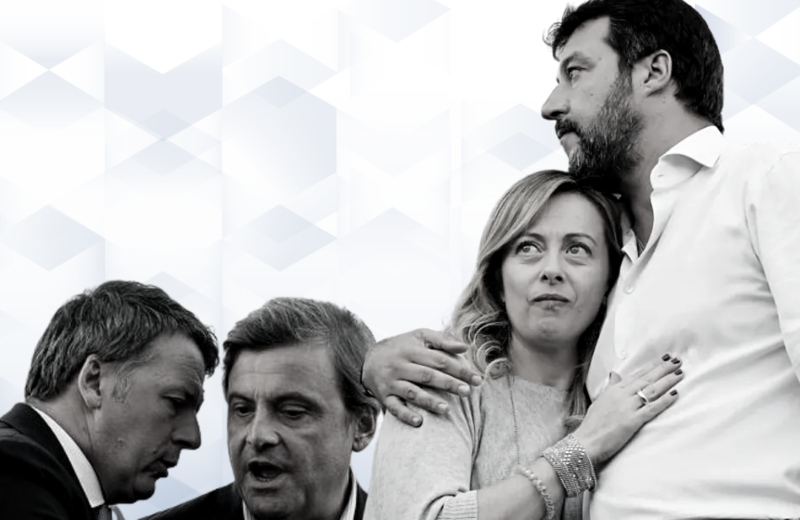
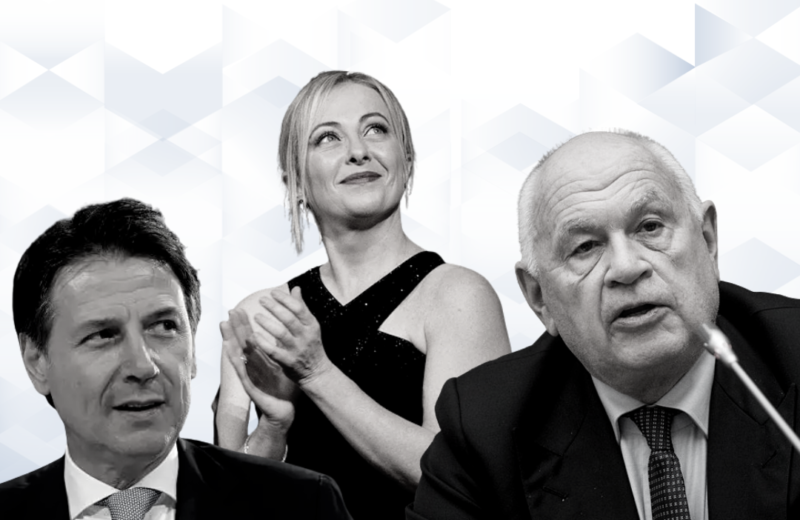
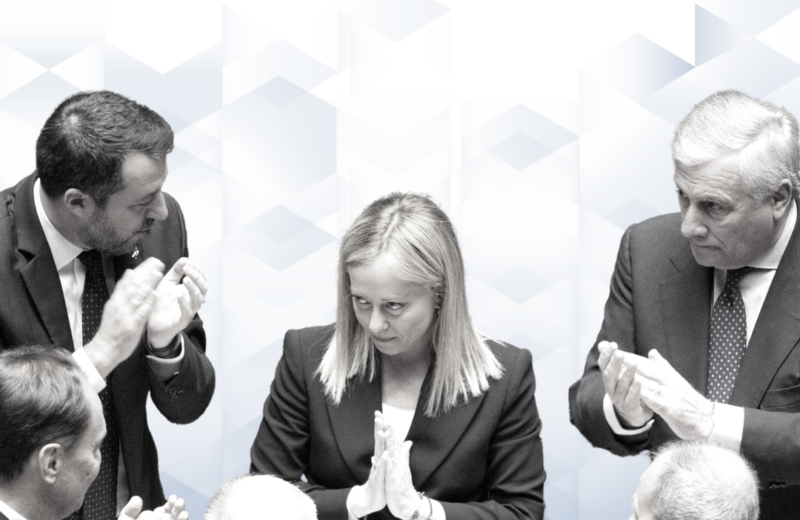
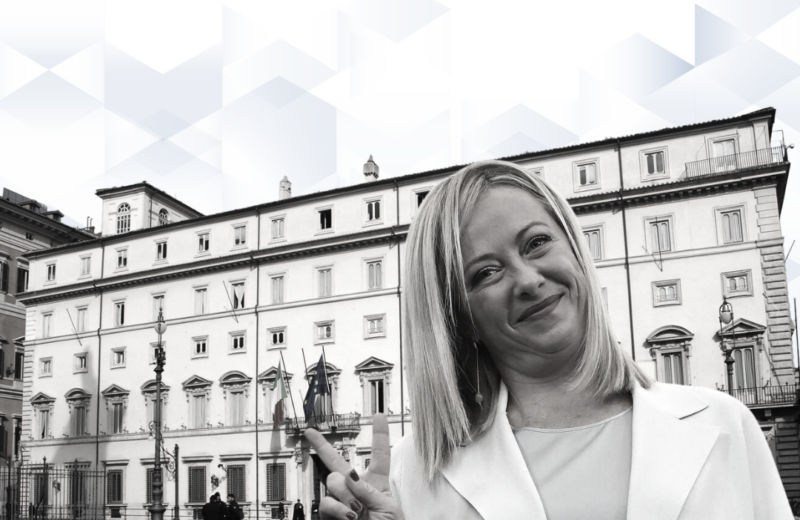
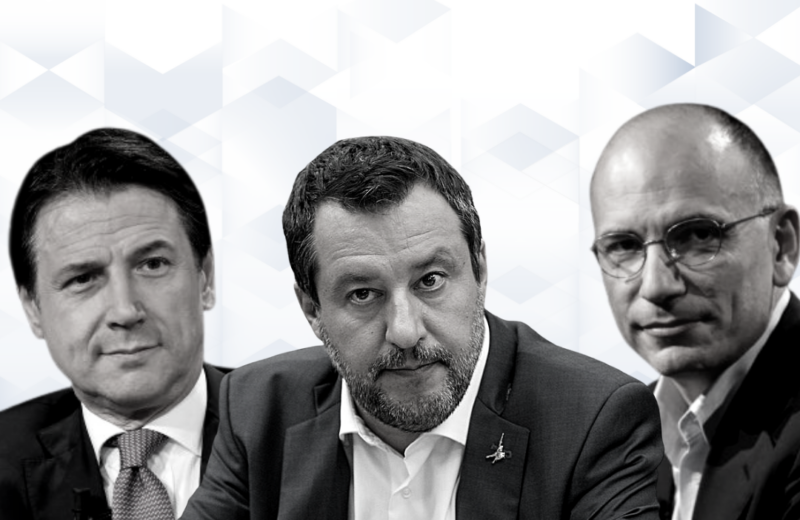
Giorgia Meloni is surrounded. And alone. The impression is that she has never been as isolated as she is at this moment. The defeat in the referendum stings, and it is a political rejection the Prime Minister did not expect. Meanwhile, everyone has suddenly taken to the lectern, offering lessons on electoral campaigns, explaining how to communicate with younger voters, arguing that the reform was poorly designed, and lecturing on the principles of political ethics. It is certainly not easy. Above all, it cannot be easy to endure the somewhat self-serving conclusions of opposition parties that already feel they are in campaign mode (and have already split over the issue of primaries). Yet, wherever one stands, this is the moment for common sense and composure. Starting with the majority. Meloni has rushed to complete a sort of spring cleaning, prompting the resignation of all those “inconvenient” figures ahead of the final stretch of the legislature: an extremely delicate moment for her political future and for the country, one that requires calm. Much more calm and clarity than has been shown in recent days. Time is still there. So is consensus. In a moment of confusion and disorientation like this, the worst possible move is to take definitive decisions, because the risk of equally definitive mistakes is extremely high. On one point, the center-right can still rely: its unity. That remains its antidote, the element that allows it to feel strong and to appear strong in the eyes of voters. And united, perhaps by rallying its best minds, it still has both the time and the opportunity to organize effectively the content and strategy for the final phase of the legislature. Unity, on the other hand, is the opposition’s weak spot, as it is already showing signs of poor coordination, starting with the debate over potential primaries. But the real issue today is not so much the fragility of the opponent as it is the management of one’s own strength. Because while electoral consensus remains, it is equally clear that political capital is gradually eroding under the weight of a series of internal shocks that have made this week resemble a controlled crisis more than a natural phase of adjustment. The chain of resignations, the step-backs, the tensions within and beyond the governing parties have turned what could have been a reshuffle into a signal of perceived instability—and in politics, perception matters as much as reality. The risk now is that this dynamic will feed a narrative of an early end to the political cycle, ultimately weakening the government’s ability to set the agenda precisely when it should be consolidating it. This is where the economic dimension comes into play. Because when politics enters a phase of uncertainty, it never remains confined to Palazzo Chigi; it immediately affects the confidence of businesses and investors. At a time when Italy is expected to demonstrate reliability in implementing the PNRR, to navigate an international environment still marked by energy tensions, and to keep public finances under control, any signal of instability becomes a multiplier of risk. A formal crisis is not required to produce economic consequences: the mere doubt about political stability is enough to slow decisions, delay investments, and increase the caution of economic actors. This is where leadership is called upon to step up—not so much in immediate reaction, but in the ability to rebuild a credible, orderly, and coherent trajectory. The game, after all, is not over. But it has changed. And from this moment on, it will no longer be played solely on the terrain of consensus, but on the far more slippery ground of trust.