A week between pragmatism and democratic challenges
If there is one distinctive feature of Italian politics, it is its ability to operate on multiple levels simultaneously, often without these really intersecting. The past week is a confirmation of this: between government measures, protests, and institutional celebrations, the picture that emerges is of a country in motion, but not always in the same direction.
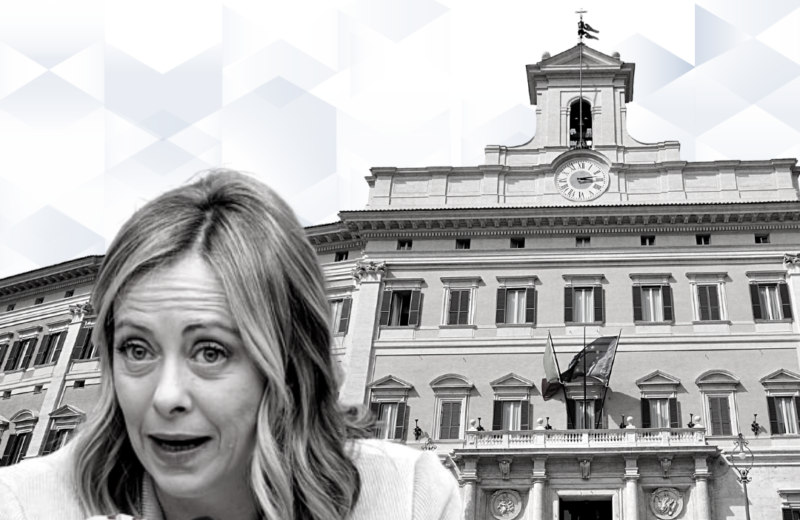
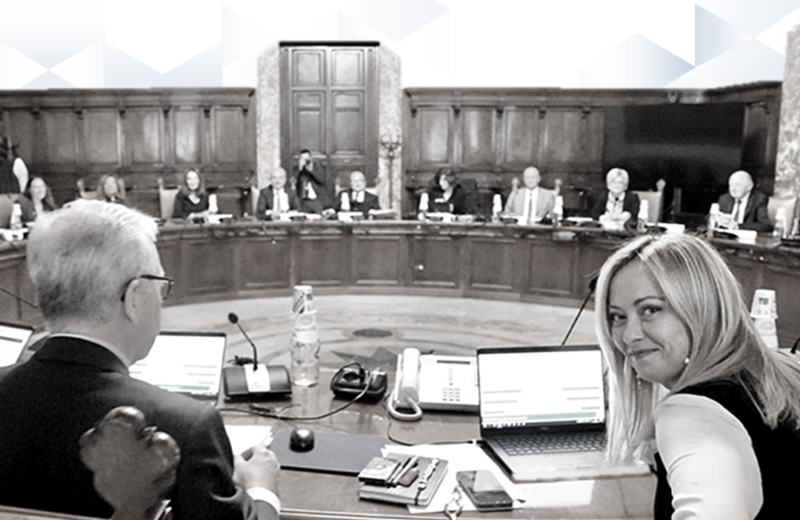
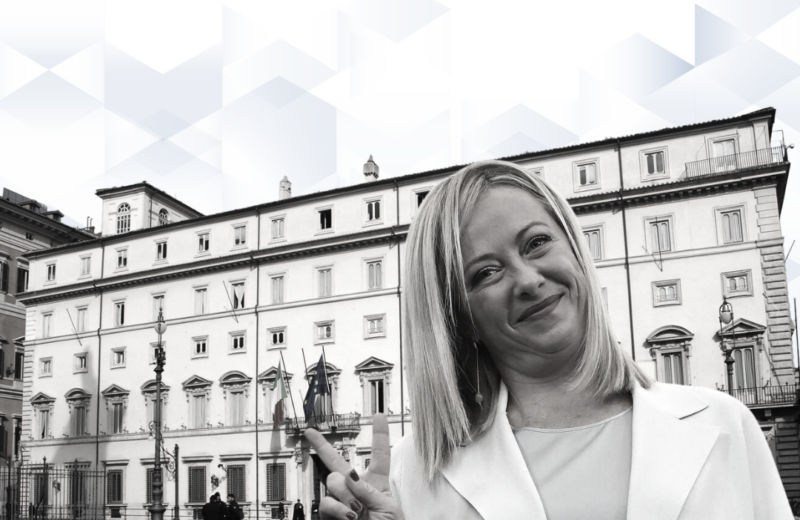
At Palazzo Chigi, the Council of Ministers kicked off the week with a busy agenda of measures signaling the Government’s intention to firmly hold the reins of the state machinery, especially on two fronts: infrastructure and essential services. The decree-law passed on Monday attempts to guarantee continuity and order in the management of major works and public transport, but also – and perhaps most delicately – in the concrete implementation of the National Recovery and Resilience Plan (NRRP). After months of delays and back-and-forth between Rome and Brussels, the Executive seems to want to make up ground not so much with new funds but with leaner operational rules and less fragmented governance.
Alongside the infrastructure issue, the bill on essential levels of service (LEP) stands out. It is not a topic that ignites the streets, but it remains central in the discussion on differentiated autonomy and real equity among citizens of different regions. Determining what is “essential” in healthcare, education, transport, or social assistance is not a neutral operation: it implies deep political choices that reveal the vision of the State and the degree of cohesion it wants (or can) guarantee.
In parallel, the Government is also venturing into university reform, with the declared intention to overcome the National Scientific Qualification. The current system, often criticized for its opacity and excessive bureaucratization of academic paths, is the target of a project aimed at simplification and, hopefully, greater meritocracy. It is an important step, but it will be crucial to understand whether this reform will be supported by resources and vision or if it will end up as yet another marginal correction to a system in distress.
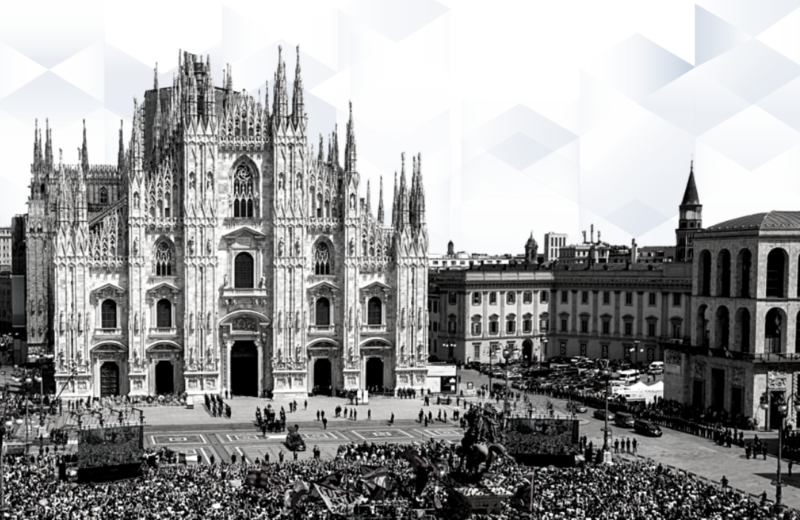
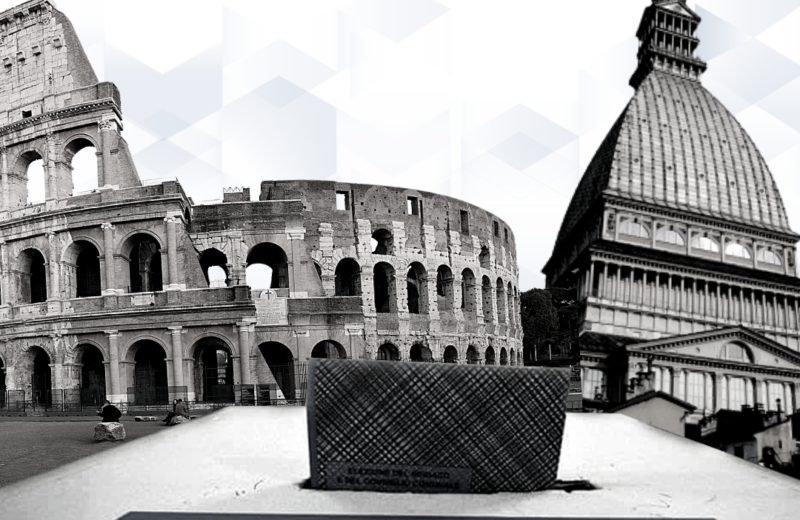
Outside government offices, politics made itself heard in the streets. In Rome, the “marathon against abstention” organized by the CGIL and referendum committees brought to the fore a topic that seems to have disappeared from the majority’s radar: democratic participation. The referendum questions of June 8 and 9, focused on labor and citizenship, were at the center of a heated debate not so much on content but on the very legitimacy of the vote. The fact that the Government and the parties supporting it chose not to actively promote voter turnout is seen by the minority as a political signal not to be underestimated: avoiding direct confrontation on these delicate issues by opting for a more cautious strategy. However, this approach, which might be convenient in the short term – especially in light of the polls – risks reducing citizens’ enthusiasm and trust towards democratic participation tools in the long term.
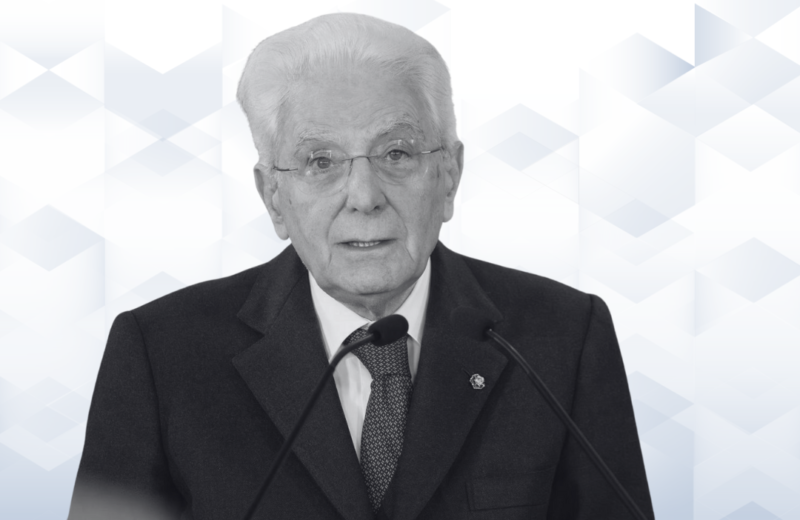
Counterbalancing these more or less ideological clashes, the fourth edition of the Festival of Regions opened on Monday at Palazzo Ducale. The participation of the President of the Republic gave the event a solemn tone, but its political function should not be underestimated: in times of increasing territorial fragmentation, reaffirming the dignity of local autonomies within a unitary framework is also a way to quell, or at least contain, centrifugal tendencies that occasionally emerge in public debate.