Energy sets the tone: Italy’s fuel decree and the return of the state in a crisis economy
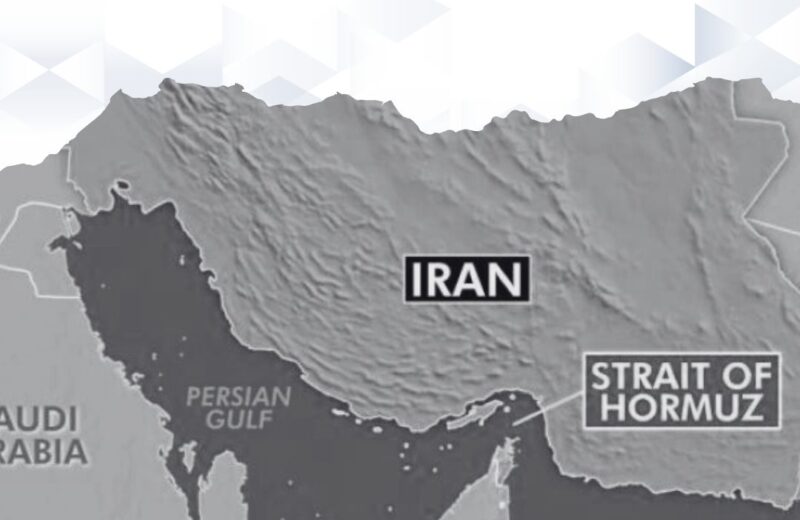
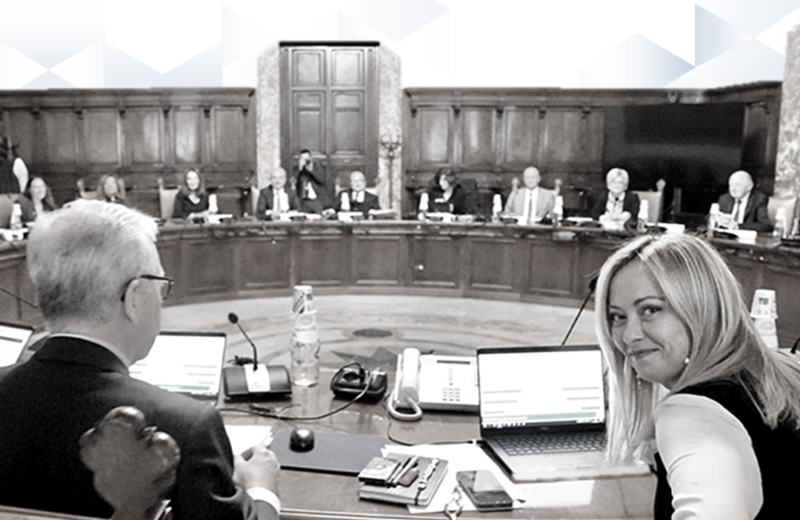
The energy crisis once again emerges as a central driver of power dynamics across Europe, shortening the distance between geopolitics and economic policymaking. The escalation in the Middle East and rising tensions around the Strait of Hormuz have reactivated a familiar chain reaction: rising oil prices, pressure at the pump, immediate spillovers into inflation, and ultimately political consequences. This is no longer just a market issue, but a question of political resilience. It is within this context that the response of the government led by Giorgia Meloni takes shape, as the Council of Ministers on March 18 approved a fuel decree designed to be both rapid and highly visible. The measure introduces a temporary reduction in fuel excise duties for twenty days, cutting prices by roughly 25 cents per liter for gasoline and diesel and around 12 cents for LPG, at a total cost exceeding €400 million. This emergency intervention aims to absorb the immediate price spike and prevent it from feeding directly into the real economy, while at the same time signaling the return of the state as a stabilizing force in a phase of heightened volatility. Alongside the tax cut, the decree introduces what the government has framed as its “flagship measure”: an anti-speculation framework aimed at increasing transparency and strengthening oversight across the entire fuel supply chain. Energy companies are required to communicate daily prices, publish them, and transmit them to the relevant authorities, while sanctions are предусмотрed for violations and intra-day price changes are prohibited. The price watchdog is empowered to flag anomalies and trigger inspections by the financial police, potentially involving antitrust authorities and even the judiciary in more severe cases. The political message is clear: not only to ease price pressures, but also to demonstrate an active stance against potential market distortions, turning an external crisis into a field of domestic political action. The decree also includes targeted measures for the most exposed sectors, such as transport and fisheries, through tax credits aimed at offsetting higher fuel costs and limiting knock-on effects on final prices. Overall, the government’s response reflects an economic policy still operating in emergency mode, intervening downstream of shocks rather than addressing their structural causes, while constantly balancing purchasing power protection with fiscal constraints. In this broader context, the week also carries symbolic political weight. The death of Umberto Bossi marks the end of a political era in which conflict largely unfolded within national borders, centered on issues such as regional autonomy and center-periphery dynamics. Today, however, political decision-making is increasingly shaped by external pressures, where wars, markets, and geopolitical shifts redefine domestic agendas. It is within this shift that the past week can be read: a country reacting to forces beyond its control, while definitively closing a chapter of its own political history.