The calm before the (energy) storm
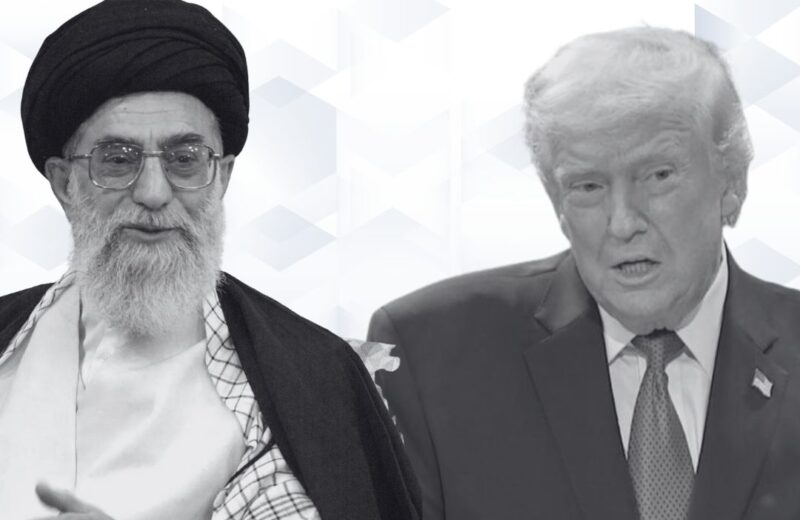
There are weeks when geopolitics suddenly accelerates, turning a sequence of regional crises into a single systemic movement. The past week has been one of those moments. The escalation between Israel, the United States and Iran has brought the Middle East back to the center of global security, but above all it has reopened a question that Europe believed it had at least partially put behind it: the vulnerability of the global energy system. In just a few days oil prices began climbing again, markets started pricing in the risk of disruptions along Gulf shipping routes, and Western economies found themselves confronting a scenario that seemed to belong to the recent past: a new energy shock capable of spreading rapidly into inflation, industry and economic growth. The critical point remains the Strait of Hormuz, the narrow passage through which a decisive share of global oil and gas trade flows. Every tension in the region is immediately reflected in energy markets, but this time concerns go beyond maritime traffic alone. The attacks and counter-operations of recent days have revived the risk of a broader conflict in which energy itself becomes a strategic lever and a geopolitical instrument of pressure. It is no coincidence that Western capitals have begun discussing new measures to stabilize energy markets, while the International Energy Agency is considering extraordinary releases of strategic reserves to mitigate potential supply shocks. Should the crisis consolidate, the European continent would likely be the first to pay the economic price. The eurozone’s industrial base enters this new phase of tension already weakened by years of slow growth, high energy costs and increasingly intense global competition. Recent industrial production data point to a fragile trend, with Germany still struggling and many manufacturing economies facing weak demand and tightening margins. In this context a renewed surge in oil prices risks acting as a multiplier of existing vulnerabilities, transmitting higher costs quickly into production chains and consumer prices. This is why economists and financial markets have begun to revive a word that had almost disappeared from the vocabulary of European economic policy: stagflation. The combination of weak growth and renewed pressure on energy prices could complicate the strategy of central banks precisely at a moment when inflation seemed to be entering a phase of stabilization. For the European Central Bank the dilemma becomes evident: defend price stability or avoid further slowing an economy already weakened by years of energy shocks and global trade tensions. In this sense the Iranian crisis is not simply another episode in the long history of Middle Eastern instability. It is a test for the entire Western economic system and for Europe’s ability to navigate a phase in which security, energy and industrial policy are once again inseparable. After years in which globalization seemed to guarantee relative stability in supply chains, geopolitics is reminding policymakers that the international economy remains deeply dependent on balances of power. And that a single spark in the Gulf can once again put many of the fragile certainties of recent years into question.