Referendum, energy bills and Europe: Meloni’s strategy
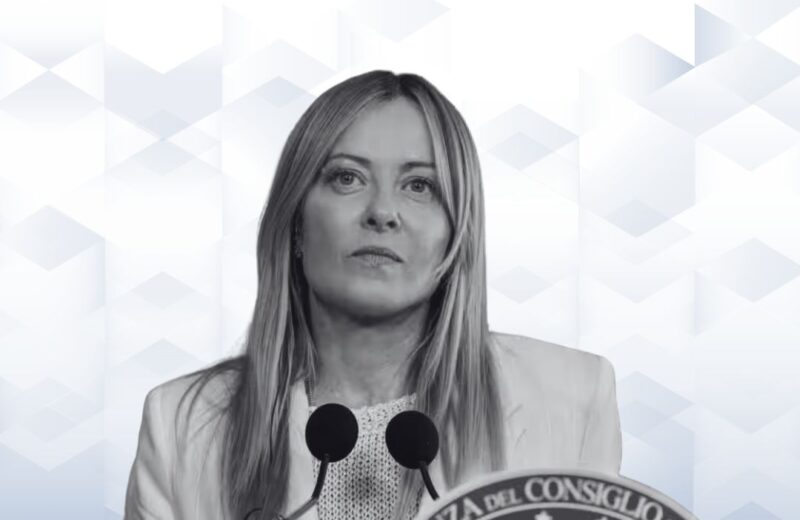
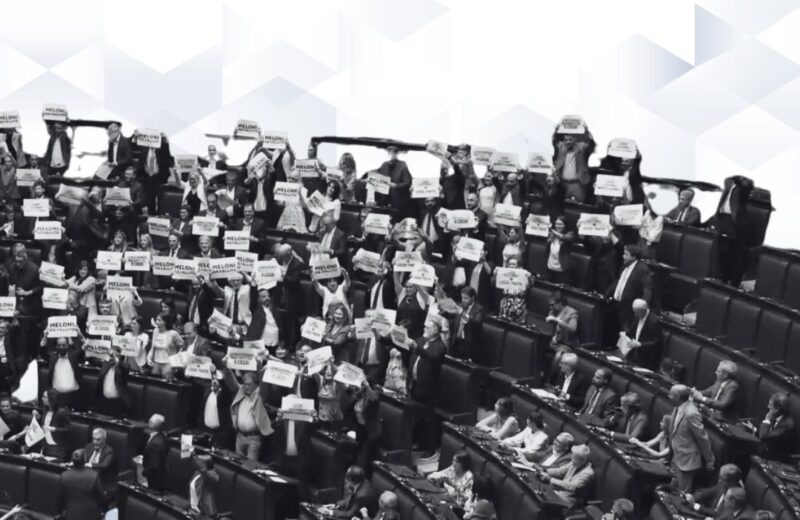
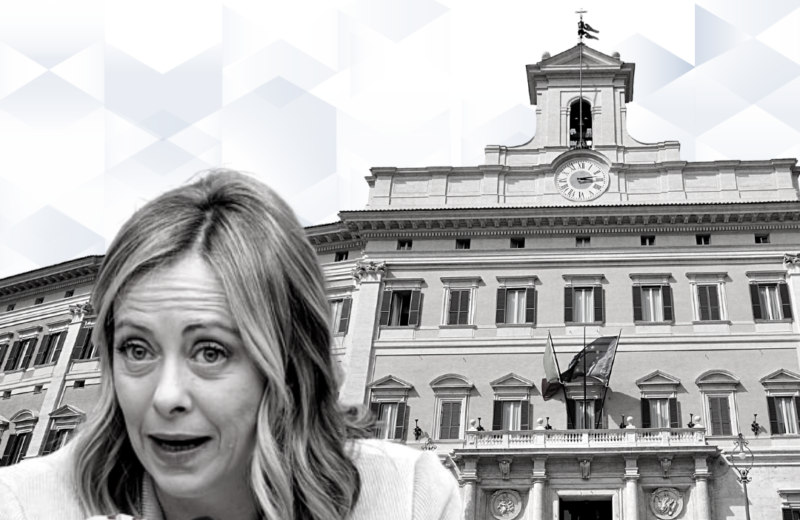
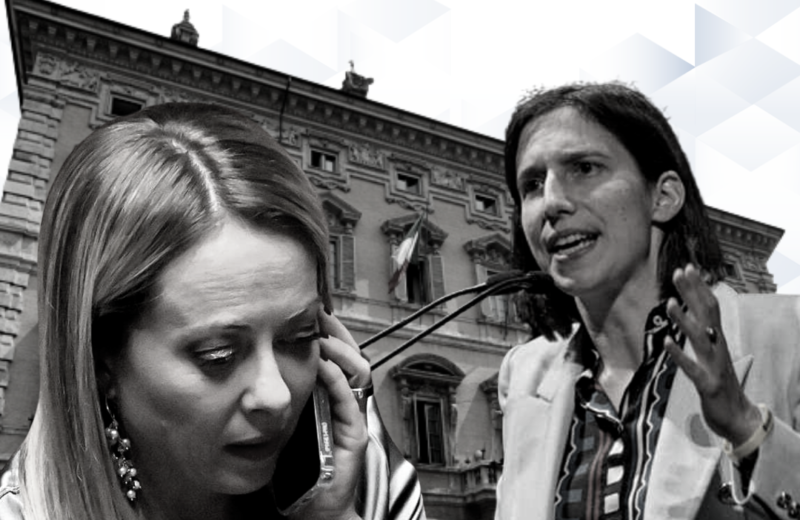
The recent interview given by the prime minister marks a significant political moment in a phase of high institutional intensity. Not so much for the individual statements, but for the overall picture that emerges: a government focused on consolidating its domestic front while preparing for an increasingly competitive and unstable European environment. The centre of gravity remains the justice referendum, framed as both a moment of democratic legitimation and a test of cohesion for the governing majority. The chosen line is to avoid institutional escalation, reject the narrative of a frontal clash with the judiciary and bring the debate back within a framework of balance between powers of the State. Yet the political weight of the vote goes beyond the substance of the questions: it represents an identity moment, useful to measure the centre-right’s ability to mobilise support around a structural reform.
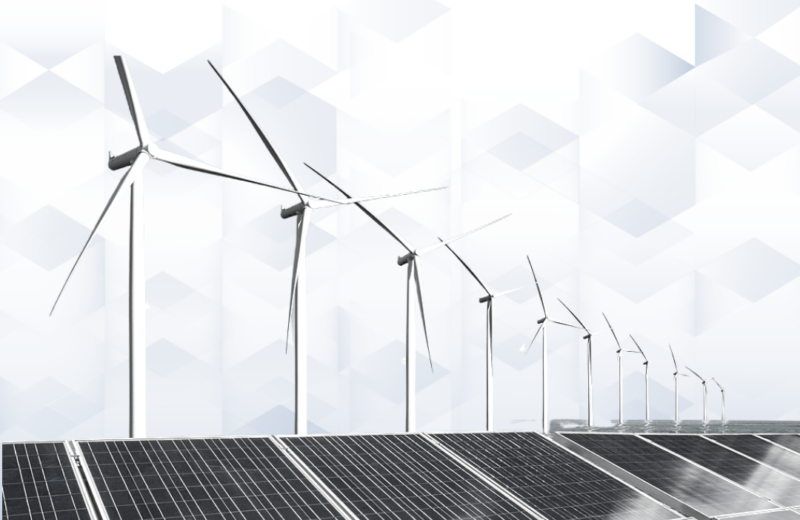
Alongside justice, the other pillar of the government’s narrative is economic policy. The defence of the decree on energy bills is presented as a necessary step to support households and businesses in a context still exposed to energy price volatility. The message is twofold: protecting purchasing power while safeguarding industrial competitiveness. However, room for manoeuvre remains limited. The new European economic governance requires a credible path of debt reduction, and Italy continues to be closely watched over its public finances. The challenge is to demonstrate that economic support and fiscal discipline are not alternatives, but complementary objectives.
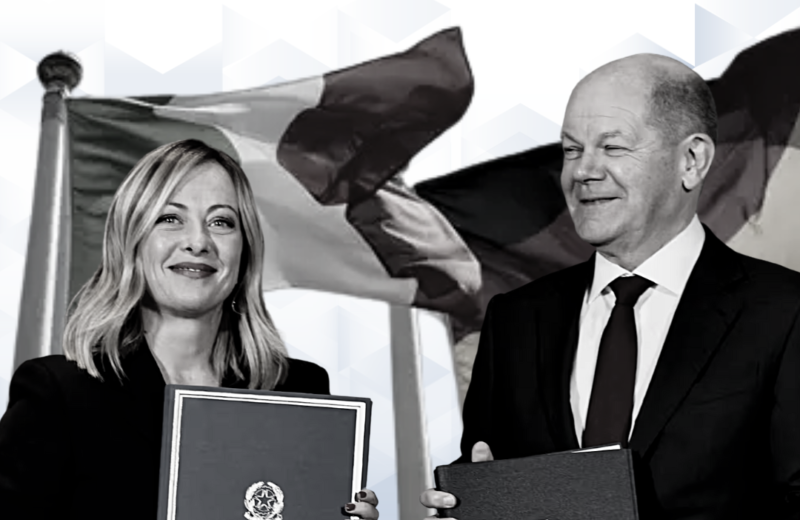
At its core, the interview outlines a strategy of stability. In a phase marked by a slowdown in European industry, trade tensions and geopolitical uncertainty, the government seeks to position itself as a guarantor of continuity and reliability. The management of the National Recovery and Resilience Plan, the attraction of investment and regulatory simplification become parts of a single framework: strengthening Italy’s position without undermining financial balance. It is an approach aimed at combining domestic consensus with external credibility.
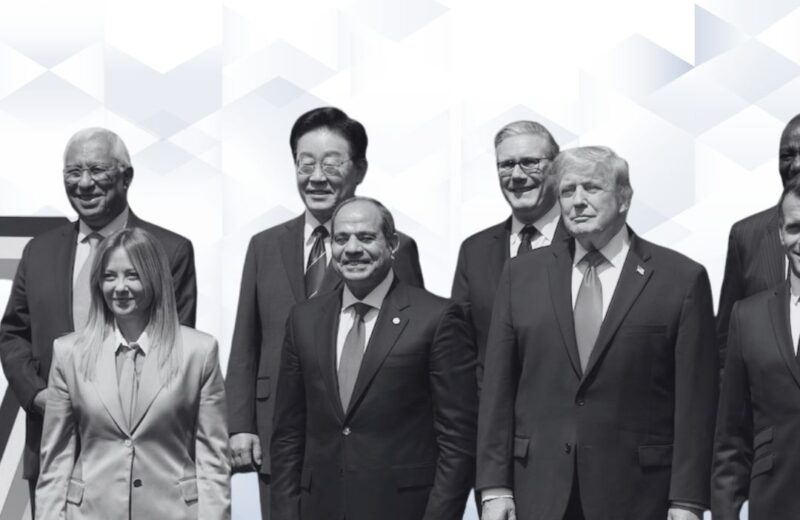
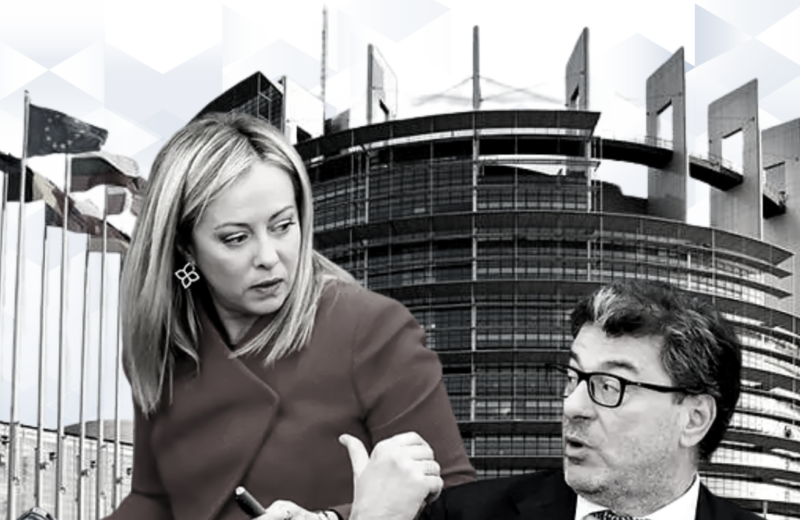
Only against this backdrop does the European dimension come into focus. The Munich Security Conference highlighted how security has returned to the centre of the continental agenda, intertwining with industrial competitiveness, technological autonomy and energy policy. For Italy, the issue is not merely participating in the debate, but avoiding marginalisation in decision-making processes often driven by the largest Member States. Domestic political solidity thus becomes a negotiating asset. Without internal stability, European influence weakens.
The key question remains coherence between narrative and implementation. Justice reform, energy policy, public finances and European security: the simultaneity of these dossiers demands clear priorities and the capacity to build alliances, both in Parliament and in Brussels.