The Test of Power
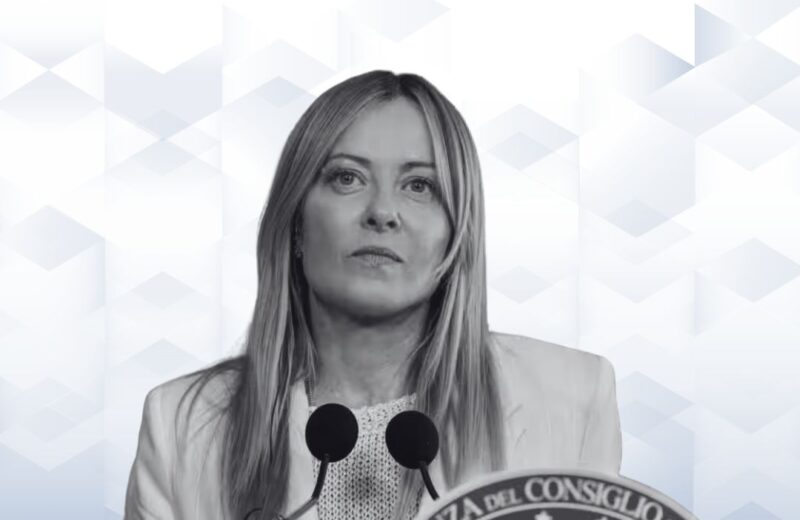
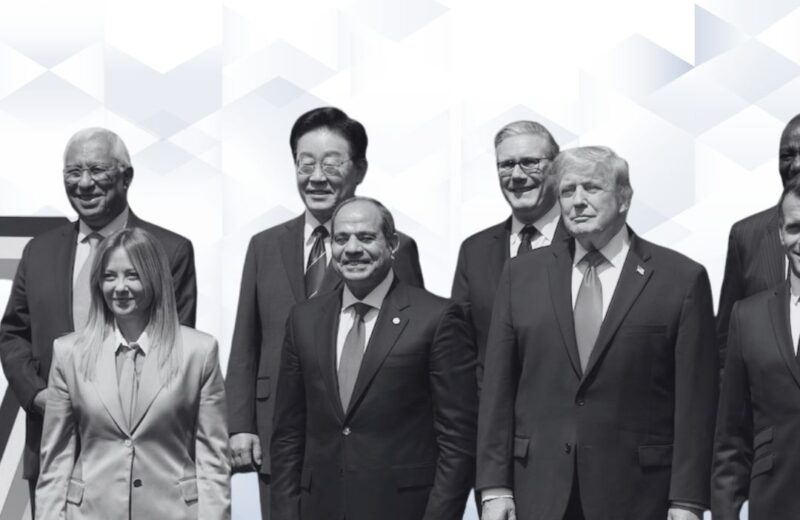
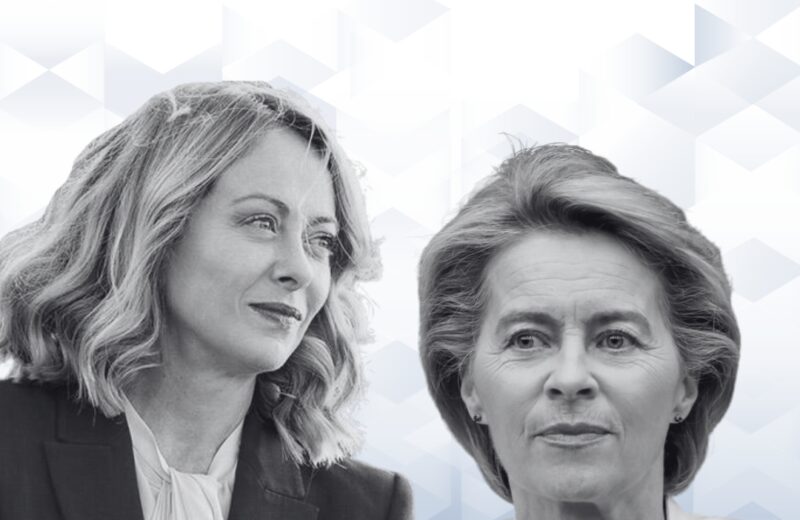
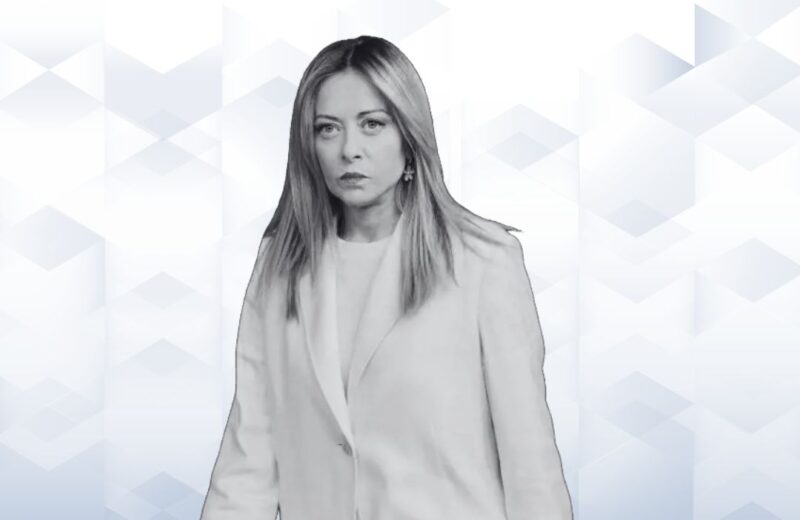
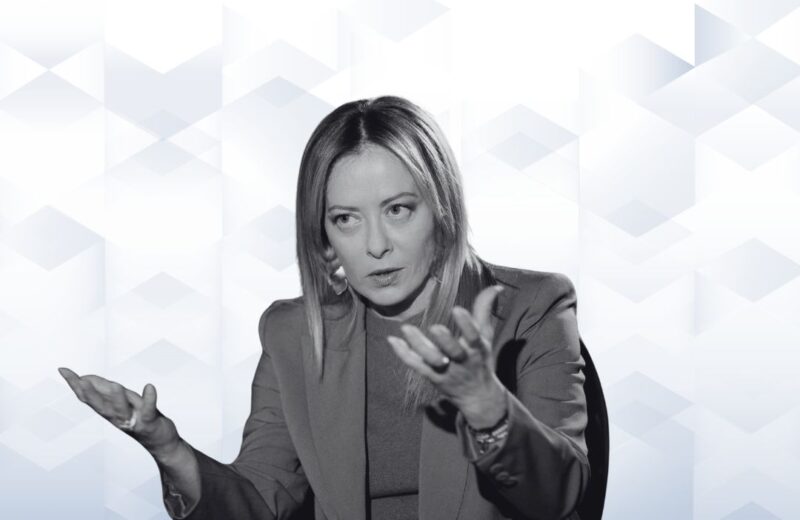
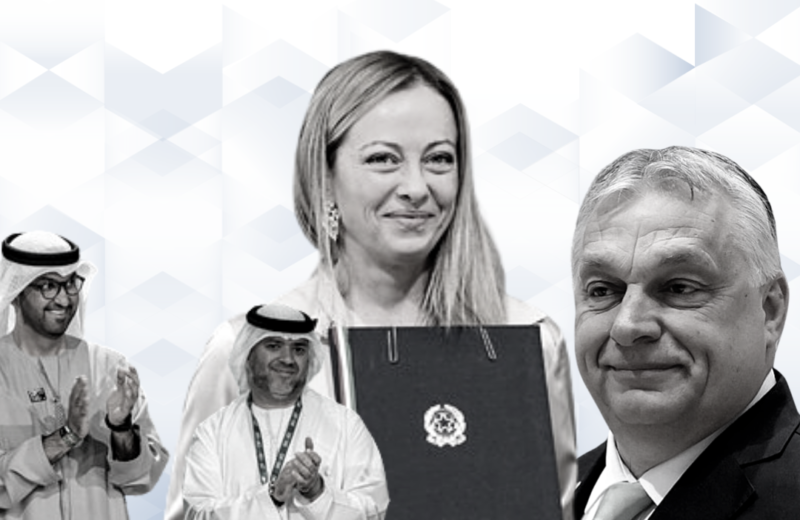
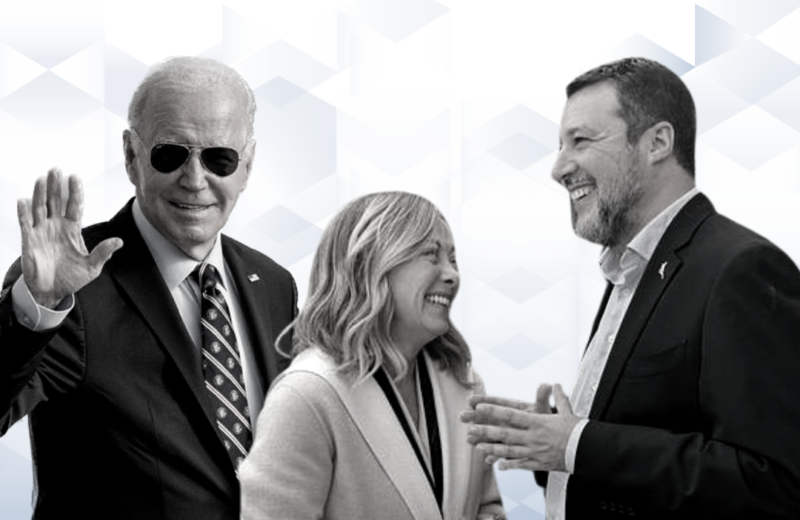
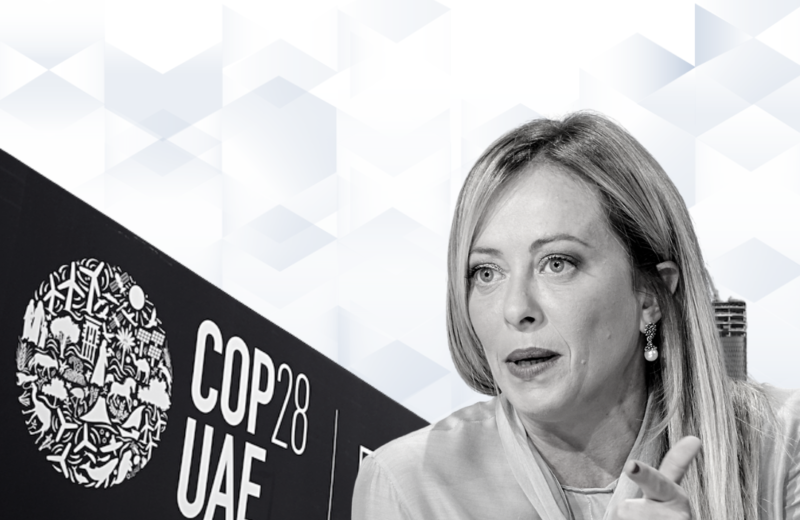
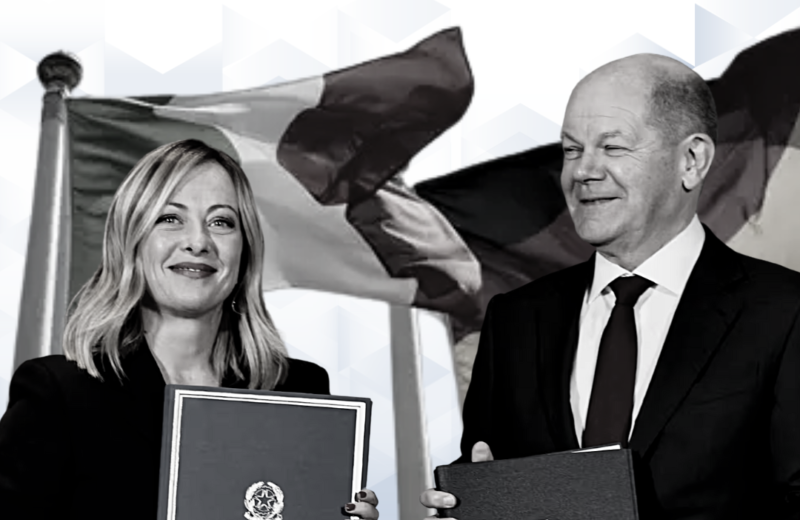
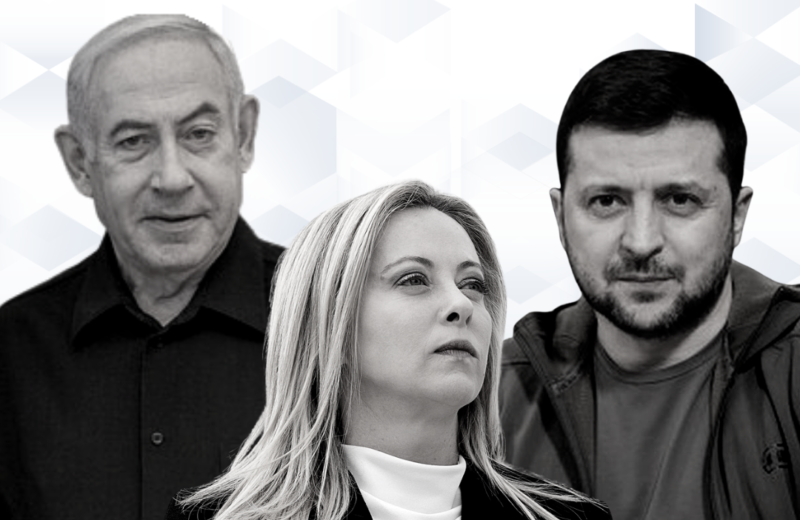
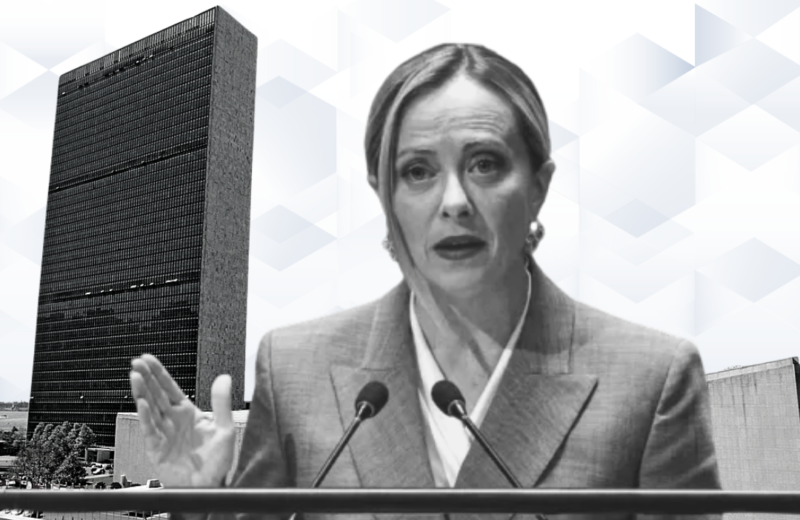
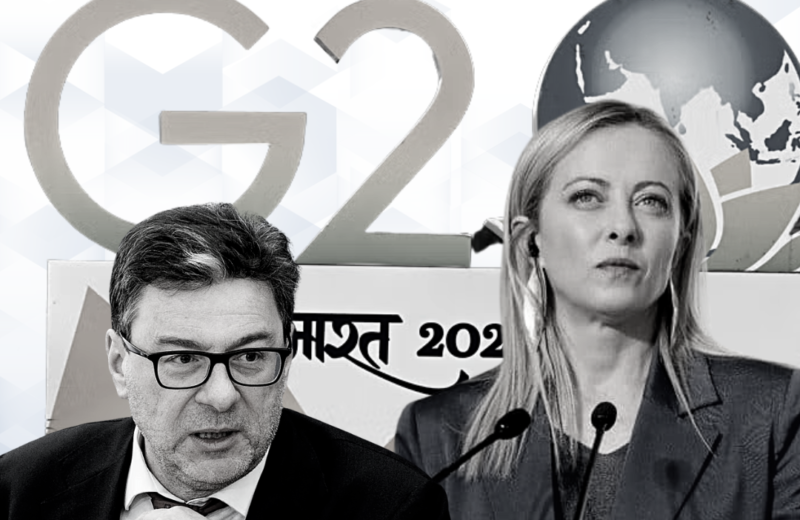
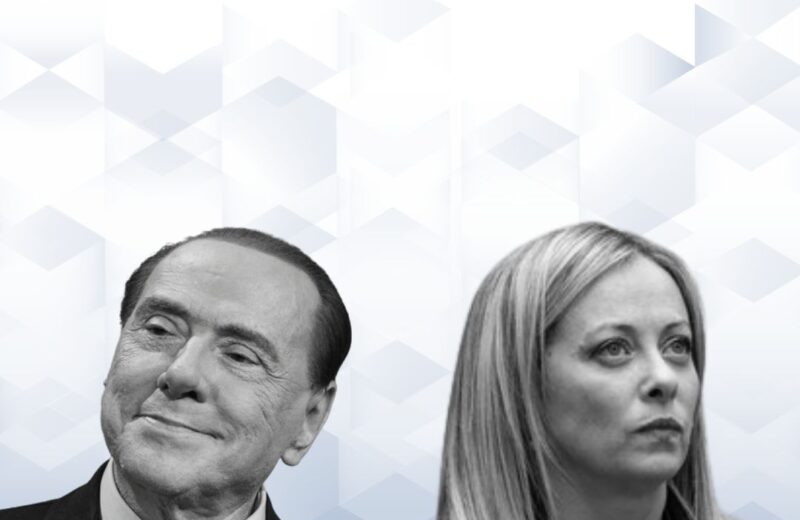
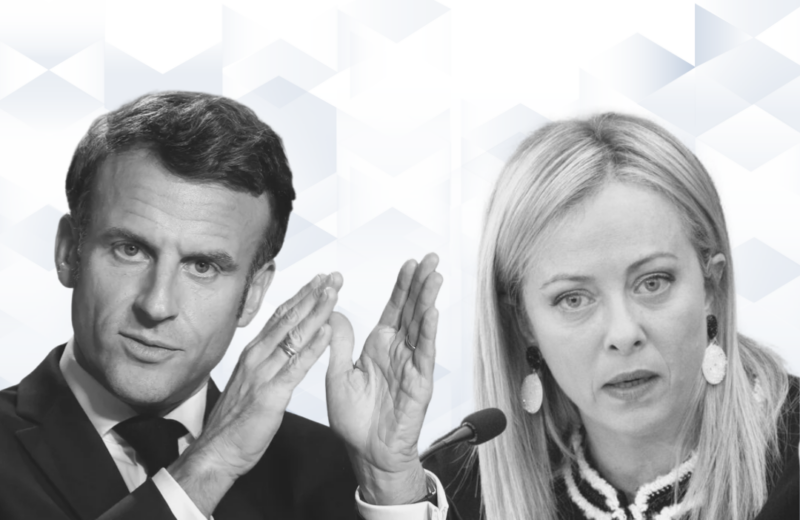
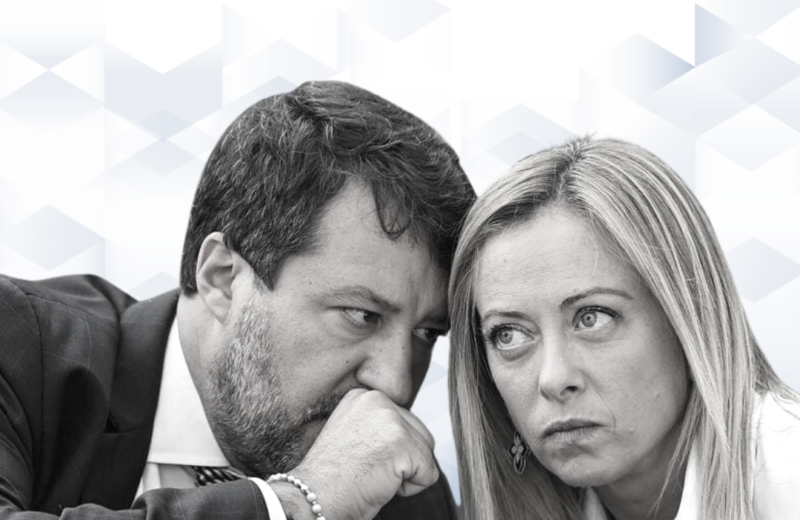
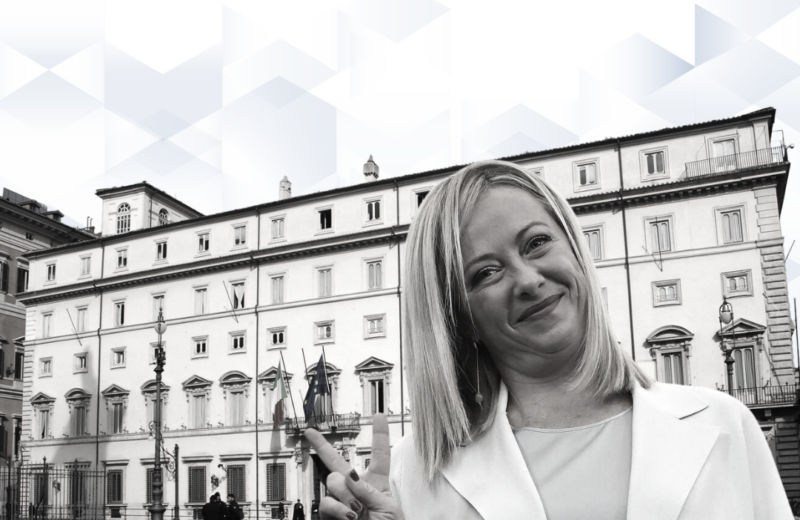
The international edition of Time magazine chose Giorgia Meloni for the cover of its July 24, 2025 issue with the provocative headline “Where Giorgia Meloni Is Leading Europe,” accompanied by a portrait of a woman who grew up in working-class Garbatella and became Italy’s first female prime minister with a clear political doctrine: an identity-based nationalism that coexists with strong support for the European Union, NATO, and the Ukrainian cause.
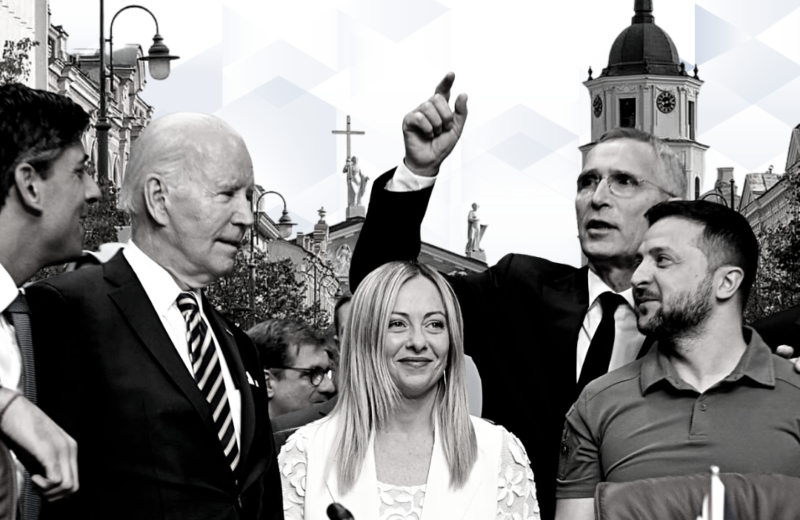
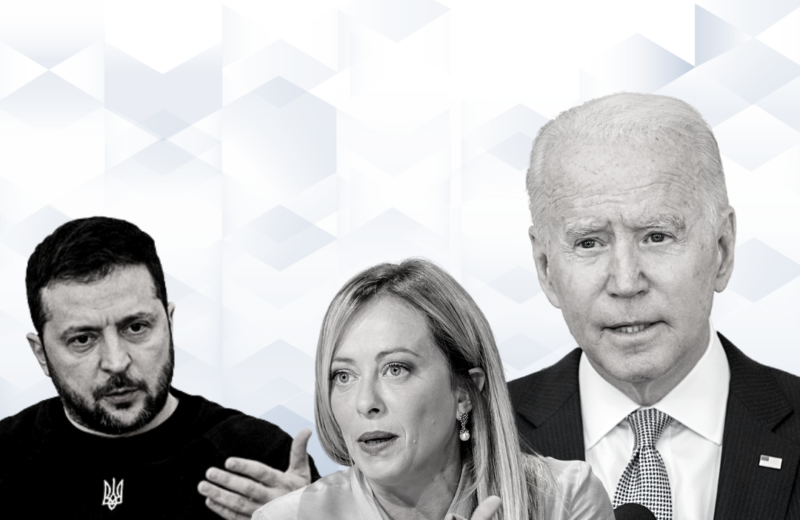
The image that emerges is of a populist leader who shares globalist concerns yet remains reassuring to Western governments, earning praise from figures across the institutional spectrum—from Biden to von der Leyen. Her statement that “we must defend our culture, our identity, our civilization” is interwoven with references to her political roots in the MSI’s youth group Gabbiani, along with criticisms from detractors about authoritarian tendencies and increased control over the media and judiciary.
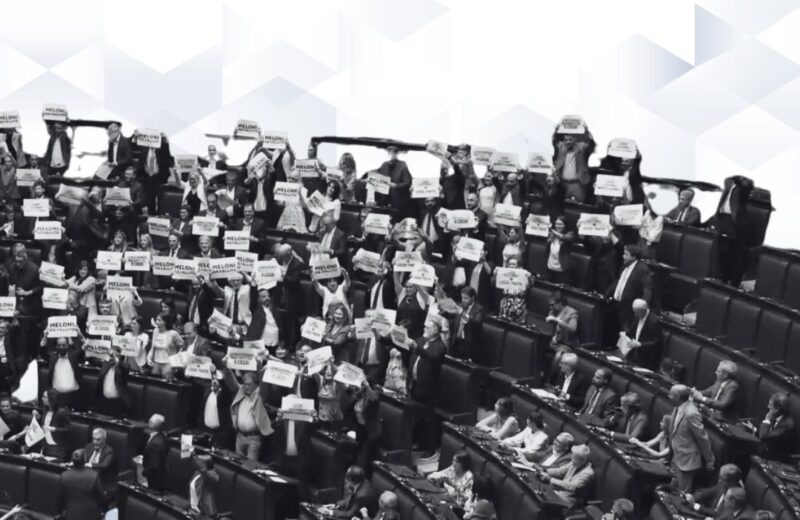
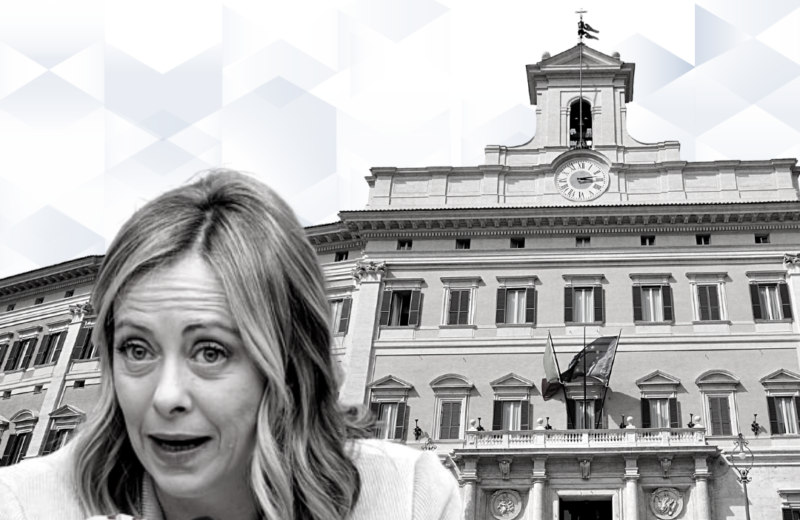
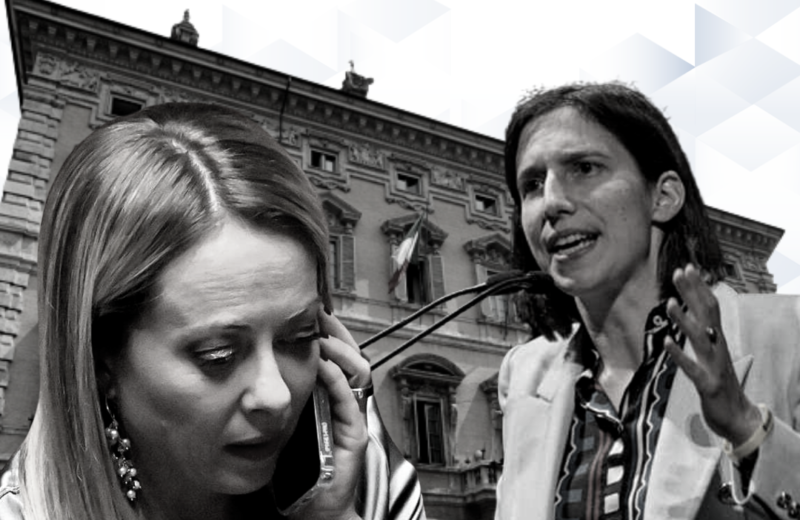
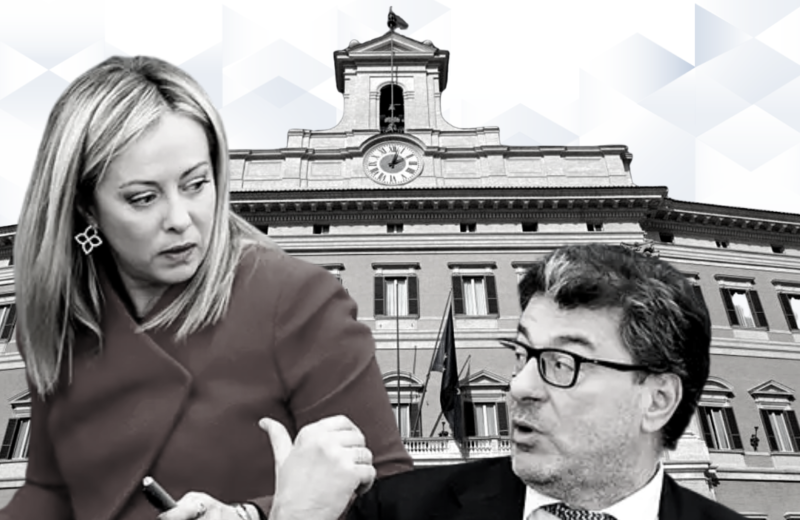
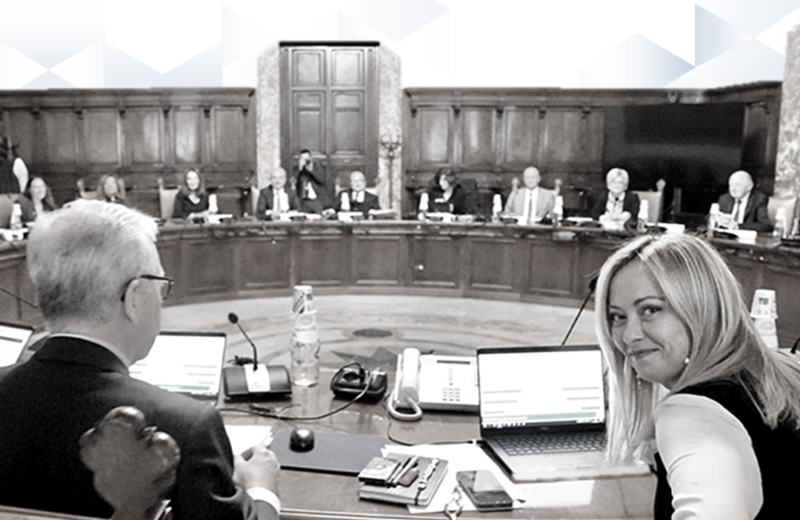
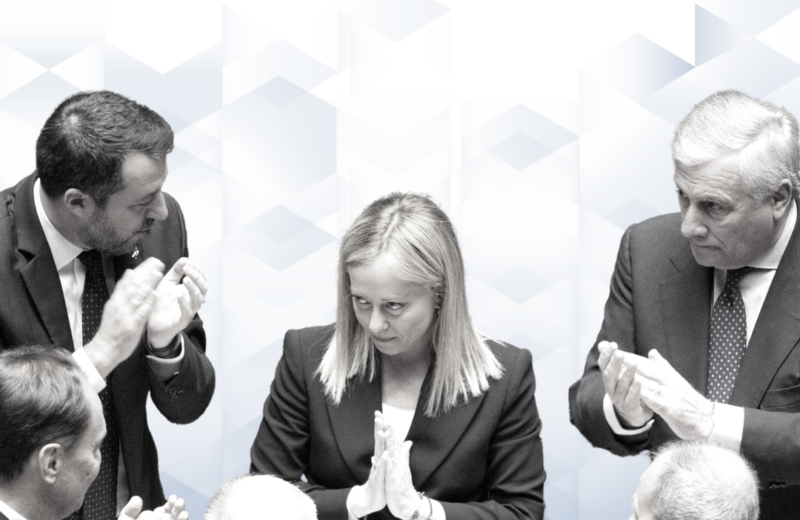
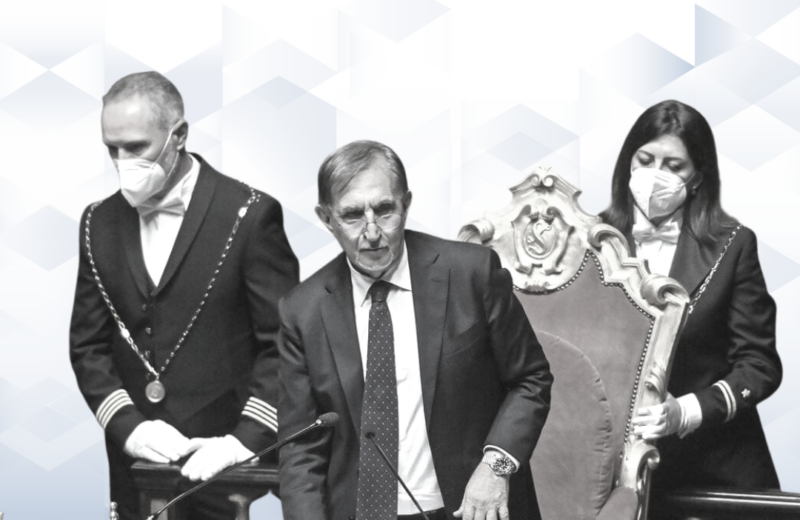
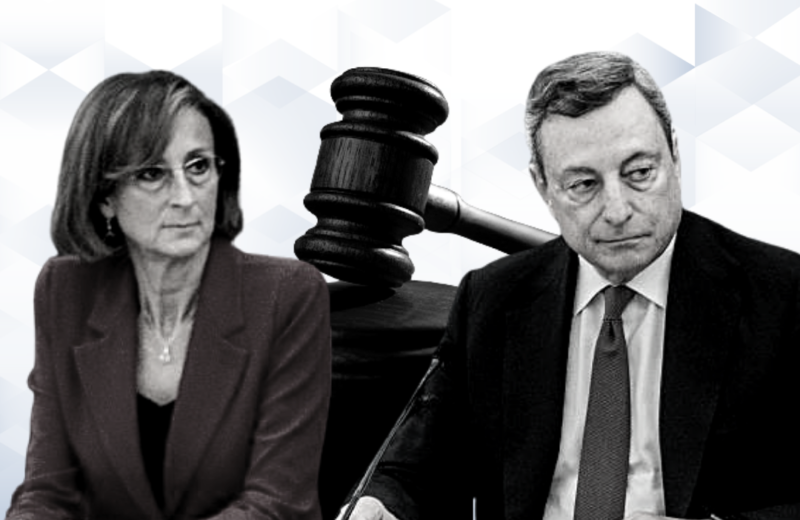
While the international narrative amplifies this image of a balanced yet ambitious leader, on the domestic front, Meloni’s majority has just secured a crucial legislative victory: with 106 votes in favor, 61 against, and 11 abstentions, the Senate has passed in second reading the constitutional reform that separates the careers of prosecutors and judges—a flagship initiative of Minister Nordio, aimed at a more efficient and transparent judiciary. The bill will now return to the Chamber of Deputies and be brought back to the Senate in the autumn; if it does not obtain a two-thirds majority in both houses, it will be subjected to a referendum in spring 2026. Opposition parties protested fiercely in the chamber with signs and symbolic acts like throwing copies of the Constitution, evoking the values of Falcone and Borsellino. Meanwhile, the Prime Minister called the vote a “step toward a fairer and more transparent justice system.”
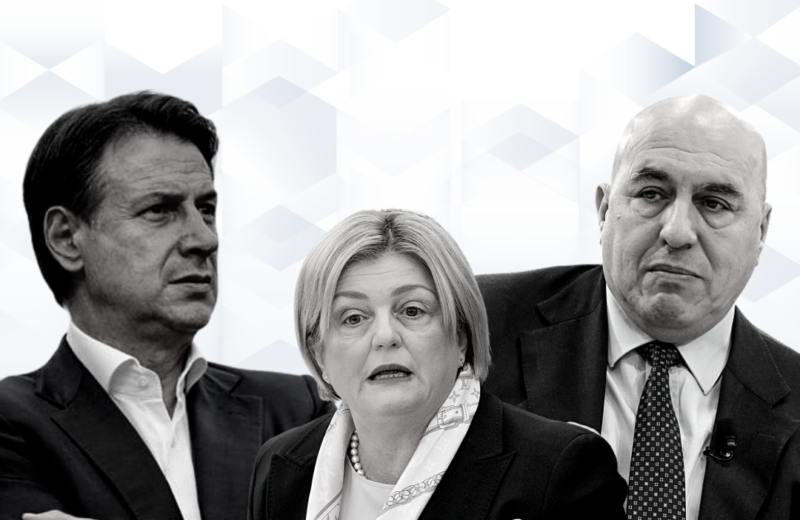
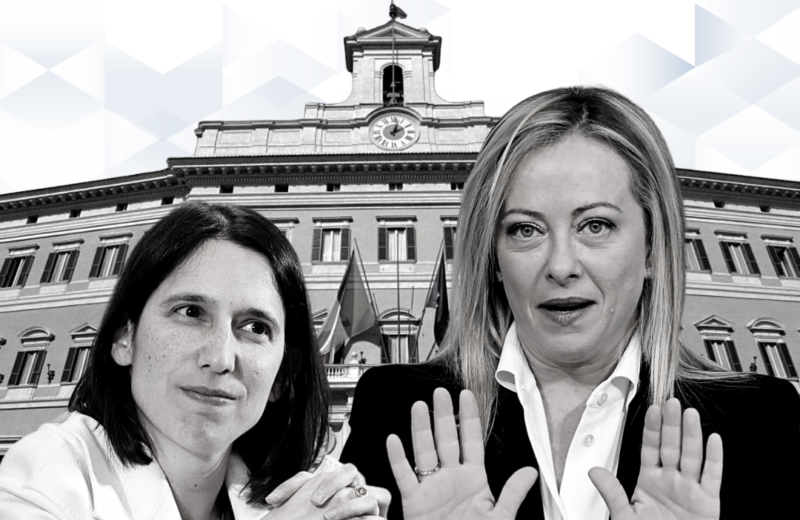
At the same time, the center-left is shaken by new judicial investigations involving prominent figures, reigniting accusations of internal opacity. A notice of investigation was served to Matteo Ricci, former mayor of Pesaro and center-left candidate in the regional elections in the Marche region, regarding alleged no-bid contracts awarded to cultural associations connected to mural events and public installations during his administration. Ricci stated he is “calm but disheartened” and claims he is unrelated to the accusations. Conte, leader of the M5S, called on him to clarify his position promptly before the judiciary. The Democratic Party’s parliamentary leader and the broader opposition reiterated the need for transparency, while also warning against rushed judgments. The case has quickly become a focal point in the regional election campaign, turning a symbolic candidacy into a potential political boomerang for the progressive coalition.
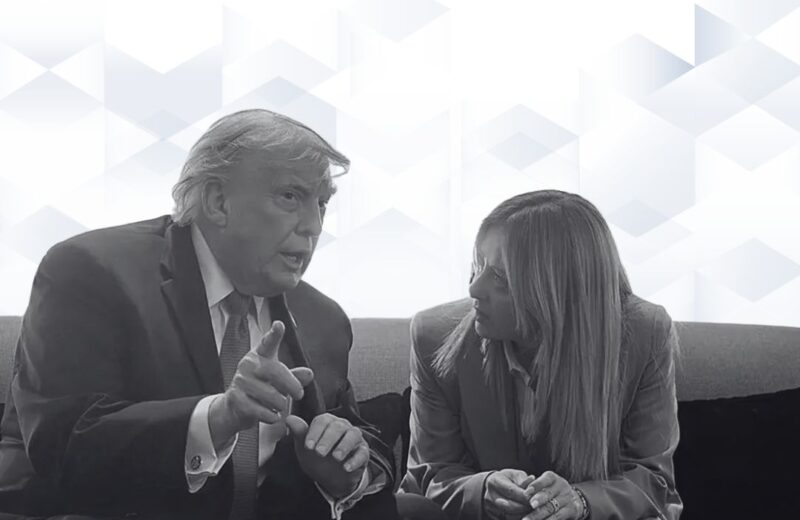
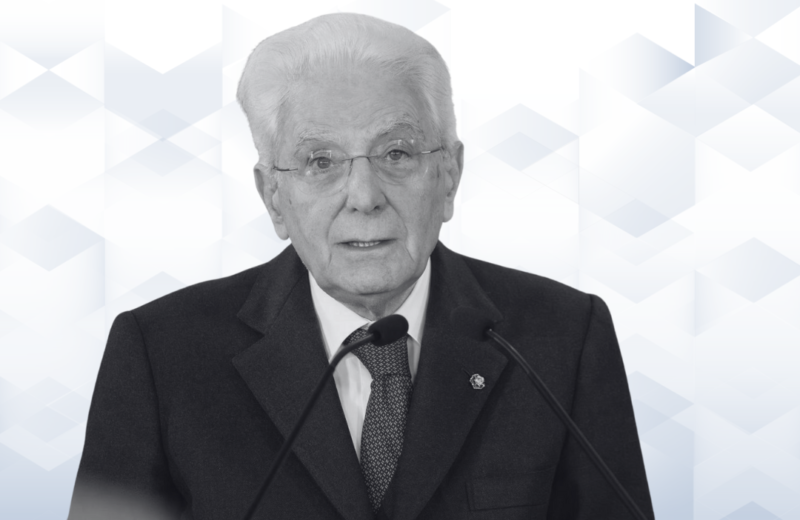
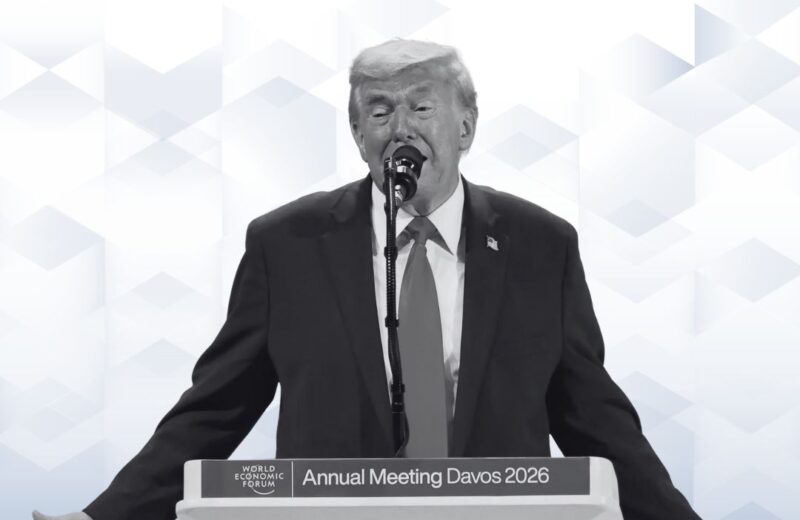
Internationally, tensions remain high regarding tariffs, as the Trump administration has imposed 10–20% duties on China, Canada, and Mexico, with a possible escalation that could affect up to 180 countries. Italy—along with Germany—is particularly exposed due to its heavy reliance on U.S. exports and the structure of European supply chains. President Mattarella stated that the tariffs are “unacceptable” for Italian interests, emphasizing that discussions must be based on shared rules and that the European Union has the strength to negotiate calmly and authoritatively. Politically, Meloni’s government is accused by the opposition of underestimating the risks to jobs and exporting businesses.
In conclusion, the narrative of Giorgia Meloni as a leading European figure—highlighted by the Time cover—intertwines with a domestic phase marked by assertive institutional reforms, judicial controversies involving center-left figures, and tensions over the economic implications of global tariffs. The picture appears complex and polarized: on one side, a government determined to define its reformist and identity-driven profile; on the other, a left struggling between self-examination and the need for rigor—all against the backdrop of an international context where U.S. trade decisions increase the uncertainty for Italy’s exports and national economic stability.