Security decree, legal shield and preventive detention: Italy between the Olympics, the streets and the rule of law
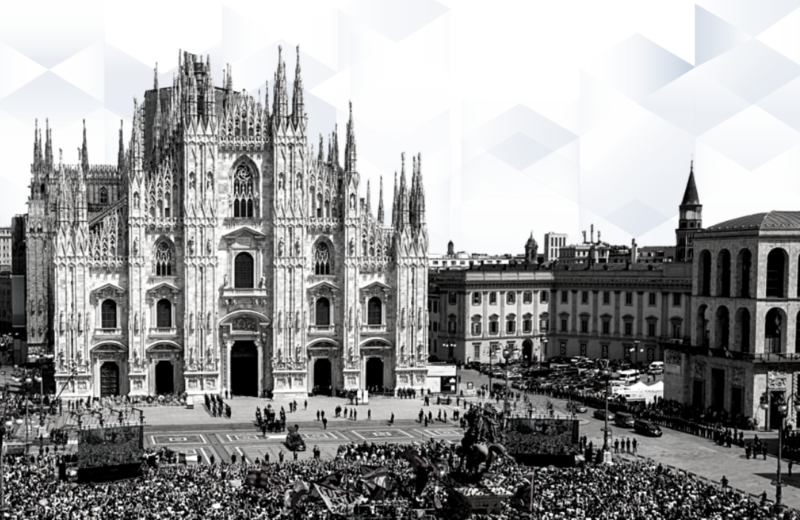
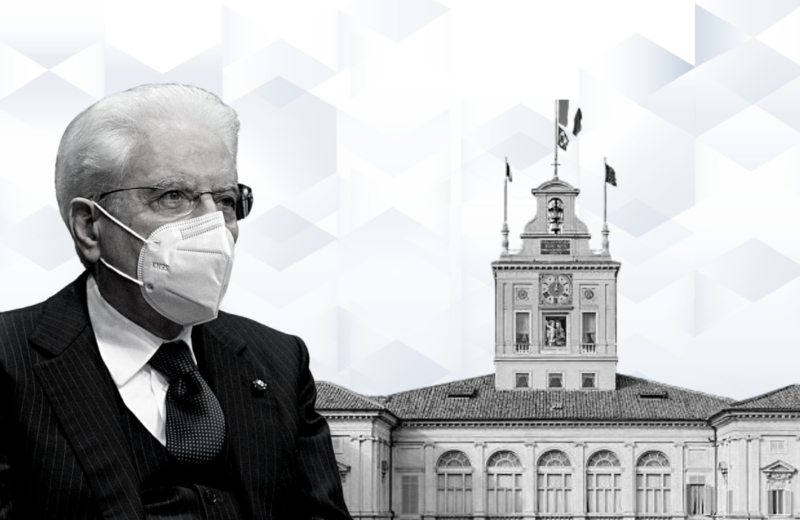
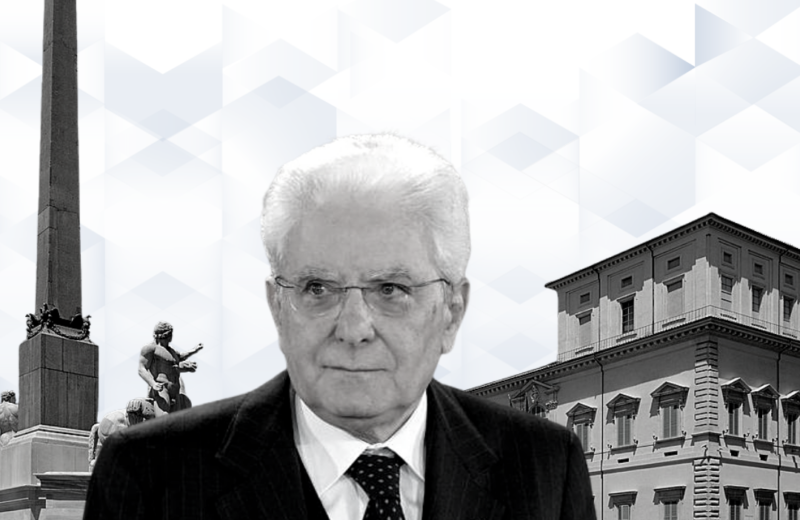
As Italy turns on the international spotlight with the opening of the Milano-Cortina 2026 Winter Olympics, domestic politics enters a week of sharp internal tension, with the security decree becoming the true focal point of public debate. Two tracks run in parallel and intersect more than it might seem: on the one hand, Italy as a global showcase, expected to guarantee order, security and institutional reliability; on the other, a set of internal policy choices that brings the management of public demonstrations and the relationship between executive power, law enforcement and constitutional guarantees back to the centre of the political arena. The government’s acceleration follows the clashes in Turin on 1 February, when an authorised demonstration degenerated into unrest in the city centre, with attempts to breach security cordons, objects thrown at police, crowd-control charges and several officers injured. Against this backdrop, a package of measures takes shape aimed at strengthening preventive tools and operational protection, with preventive detention of up to 12 hours emerging as the most symbolically charged measure, while the so-called legal shield proves to be the most slippery ground politically and legally, where institutional tensions concentrate. The executive’s line is clear: to anticipate state intervention, acting before demonstrations spiral out of control, limiting the space for violent initiatives and at the same time providing greater protection for those tasked with maintaining public order in highly conflictual contexts. It is precisely this anticipatory approach, however, that triggers alarm among opposition parties and parts of the legal community, who see in preventive detention a logic that risks clashing with the right to protest, especially if discretionary powers are not narrowly and clearly defined. Even more sensitive is the issue of the legal shield, as it touches the core of the relationship between legitimate use of force and individual accountability: procedural paths that differ from immediate registration as a suspect are defended as a tool for balance, but criticised as a preferential lane that could undermine trust in the principle of equality before the law. In this framework, the Quirinale does not remain in the background but enters the process, requesting clarifications and adjustments that signal how the issue is not merely political but institutional, and how the decree must withstand not only the pressure of the streets and public opinion, but also scrutiny in terms of constitutional coherence. The governing majority is moving along a narrow ridge: showing firmness without turning security into a permanent factor of polarisation, particularly at a moment when international attention on the country is at its peak for reasons of image and credibility. The opposition, for its part, seeks to tie the decree to a broader critique of method, denouncing an emergency-driven approach to public order and the risk of a structural compression of dissent. The result is a week in which security becomes not just a policy issue, but a lens through which to read the relationship between the state and its citizens, a high-symbolic-intensity terrain destined to produce effects well beyond the text of the decree itself. In the background, while Italy showcases its organisational capacity with Milano-Cortina, a deeper contest is under way: between the need for control and the resilience of safeguards, between order as a promise and order as a source of conflict, in a February that risks turning security from a governing tool into a defining fault line of the political cycle.