The truce that isn’t enough: markets, politics, and risk that doesn’t fade
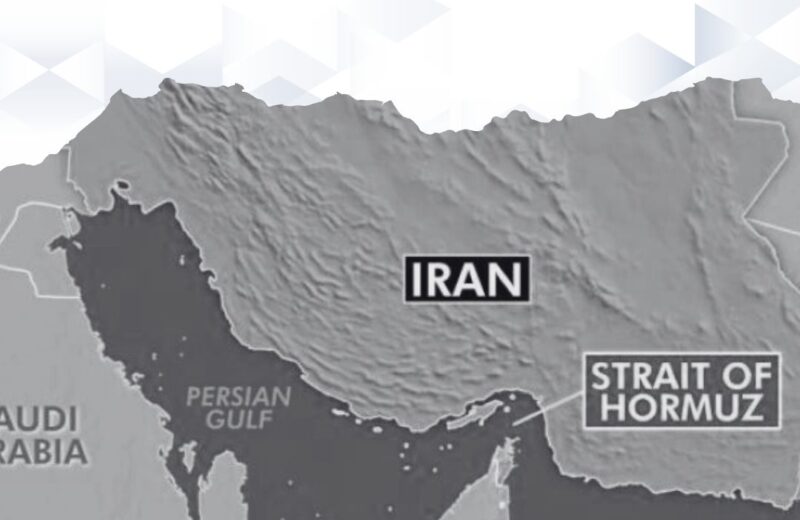
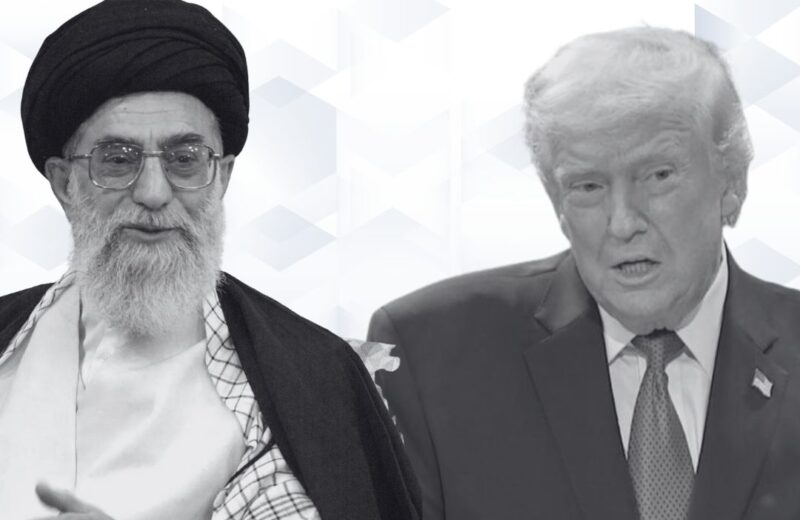
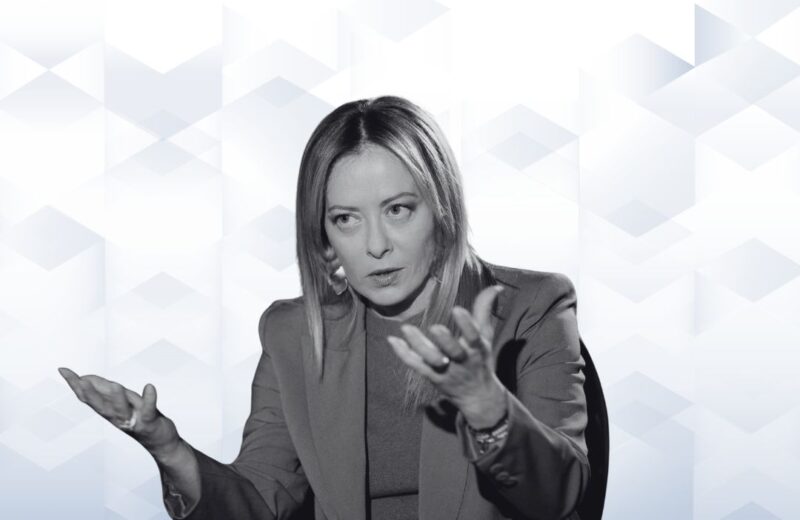
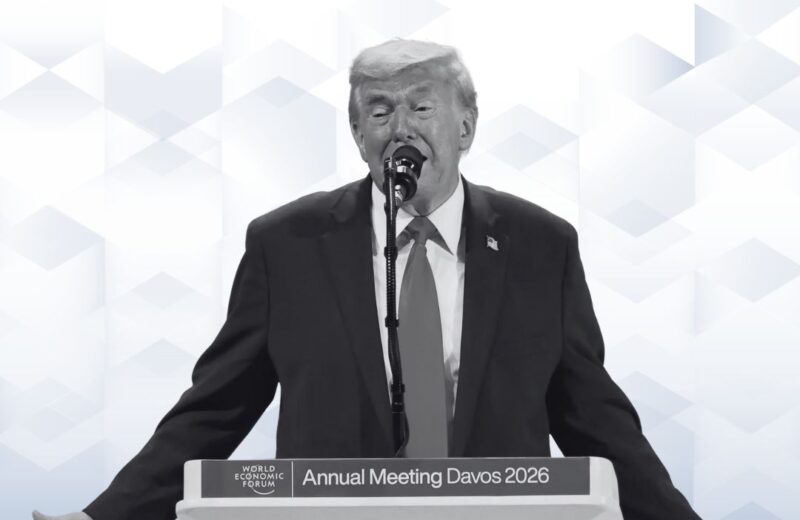
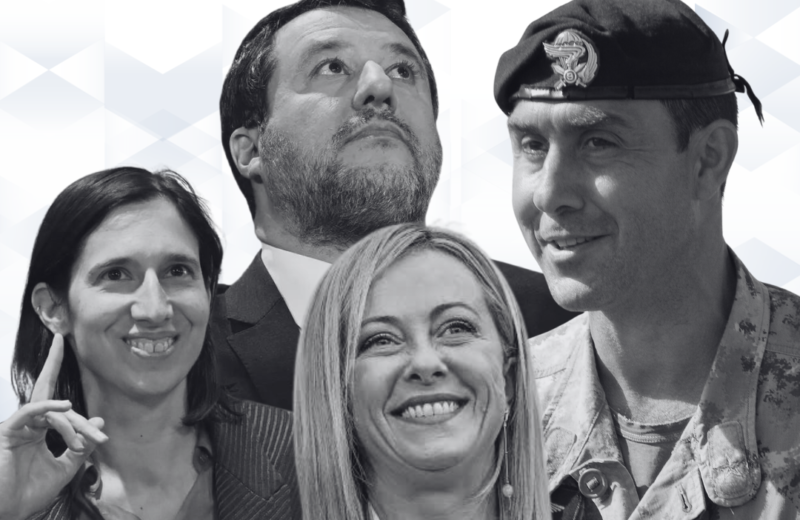
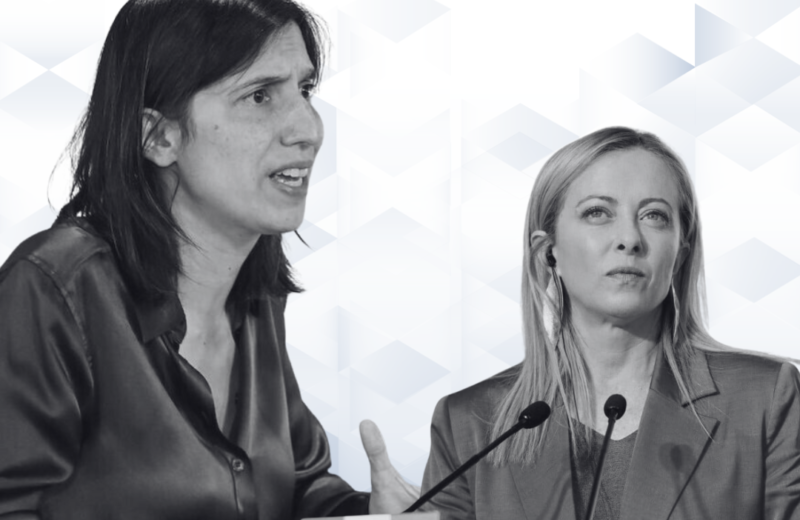
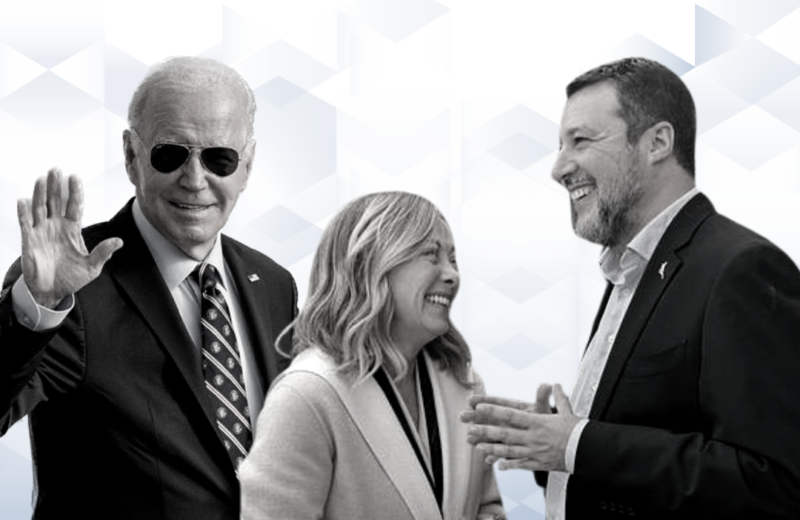
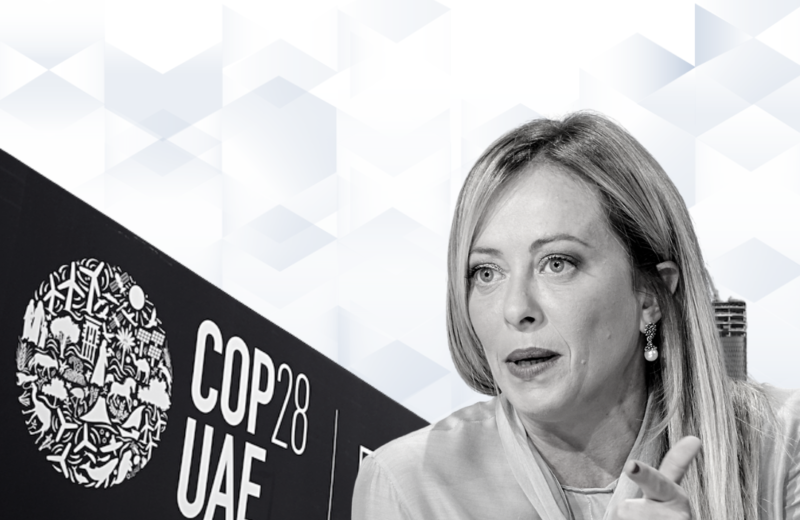
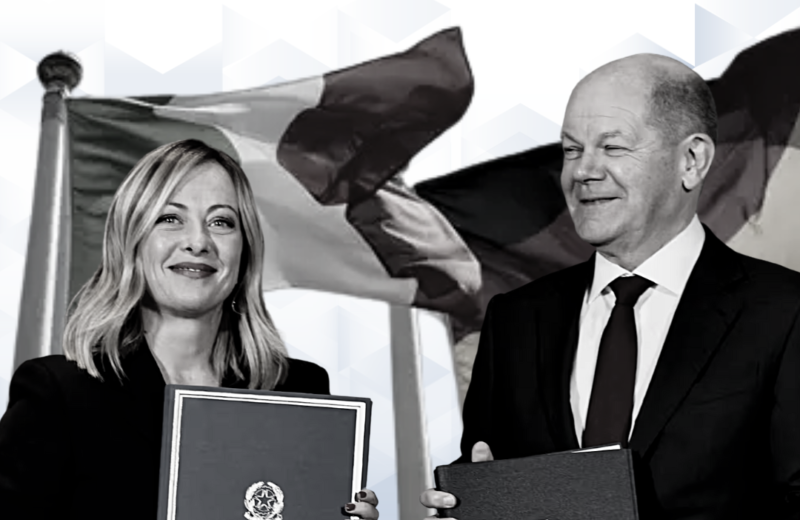
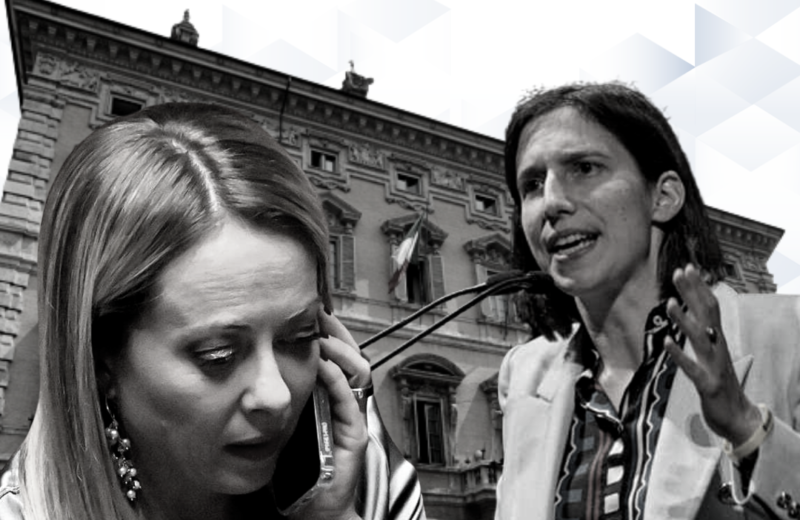
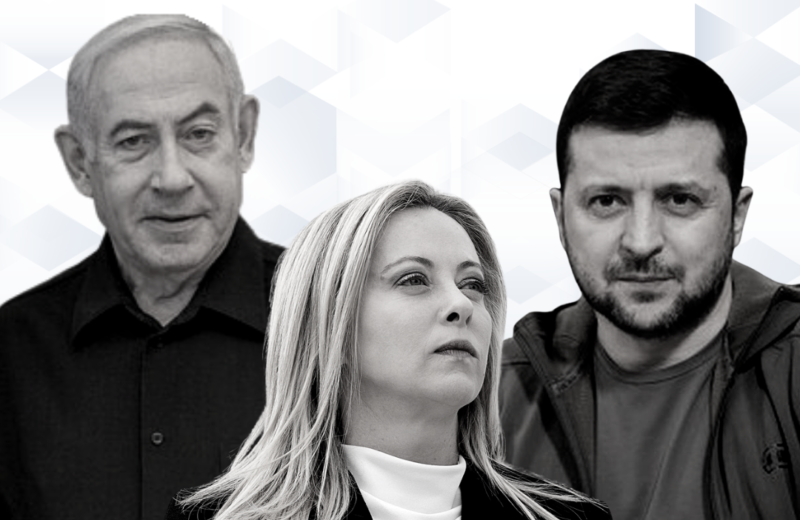
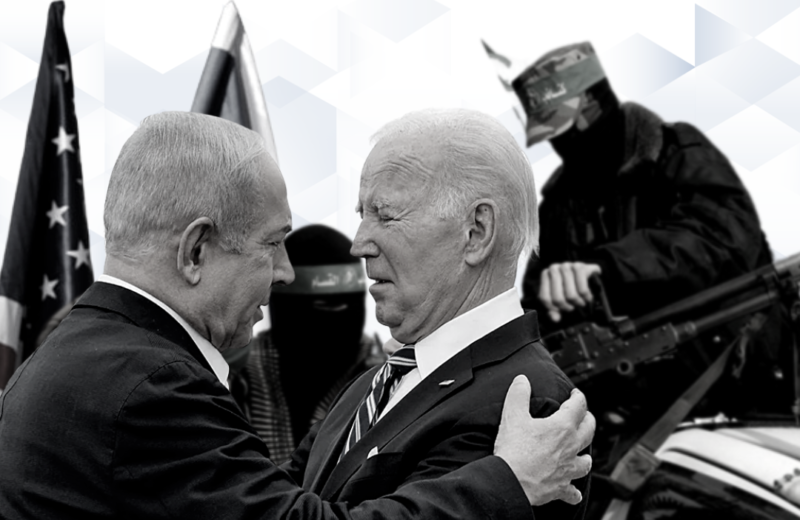
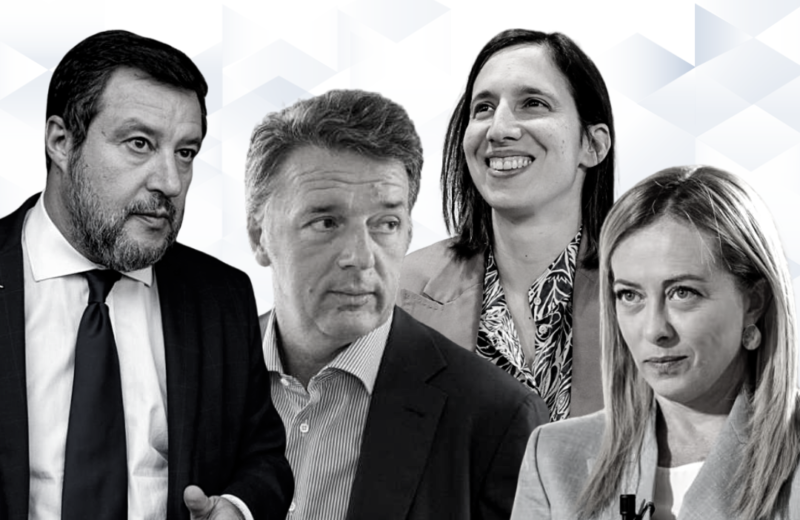
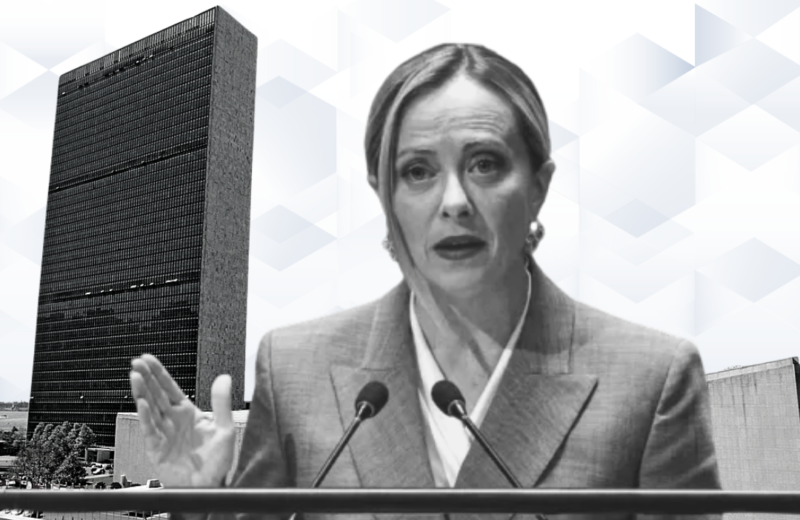
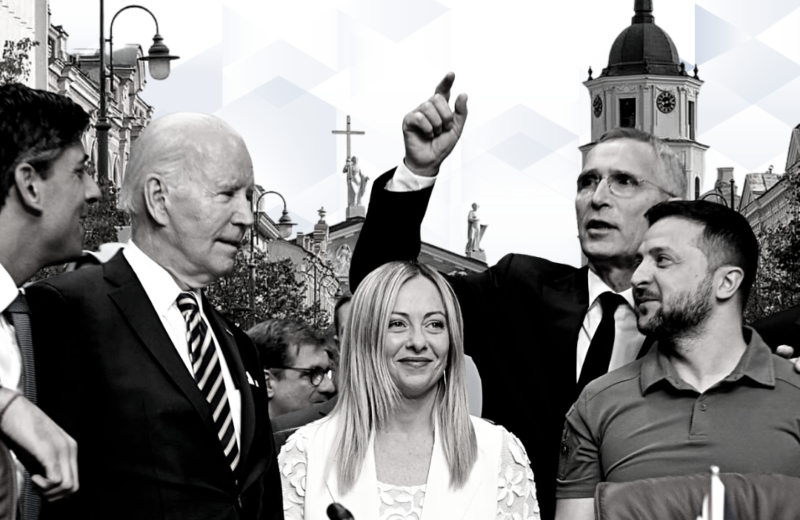
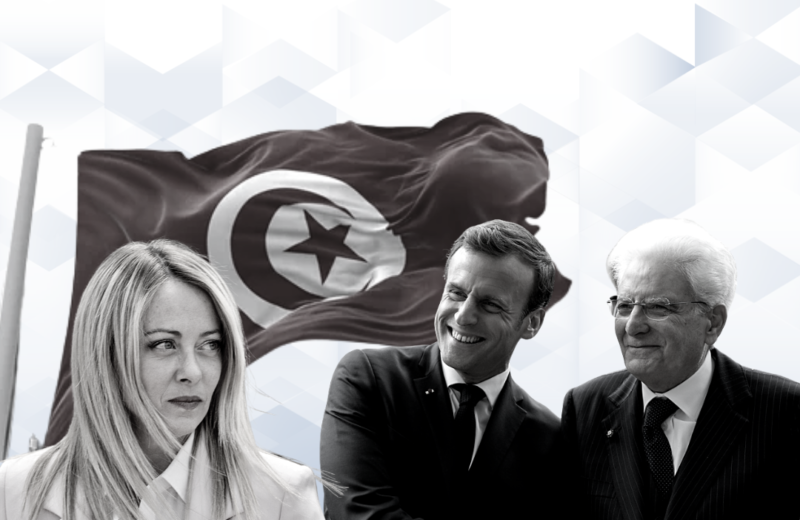
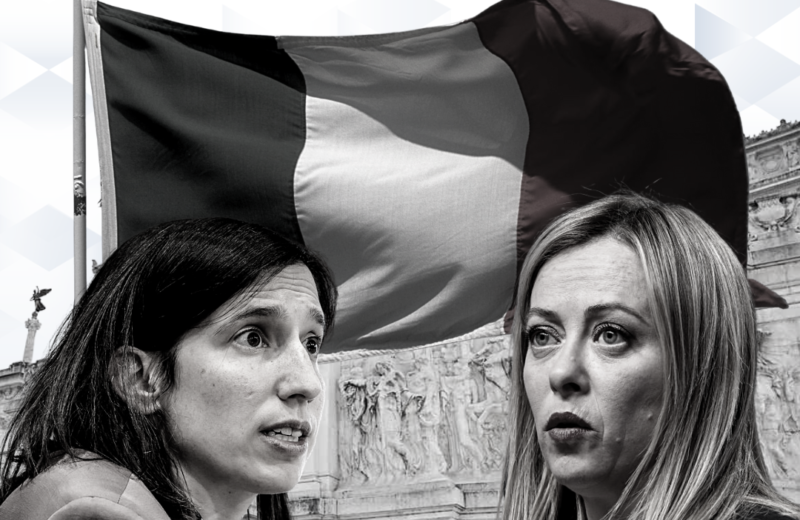
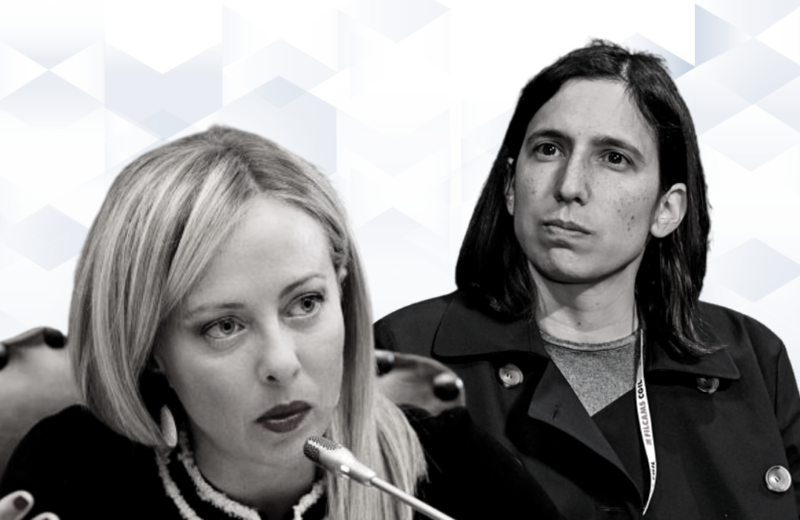
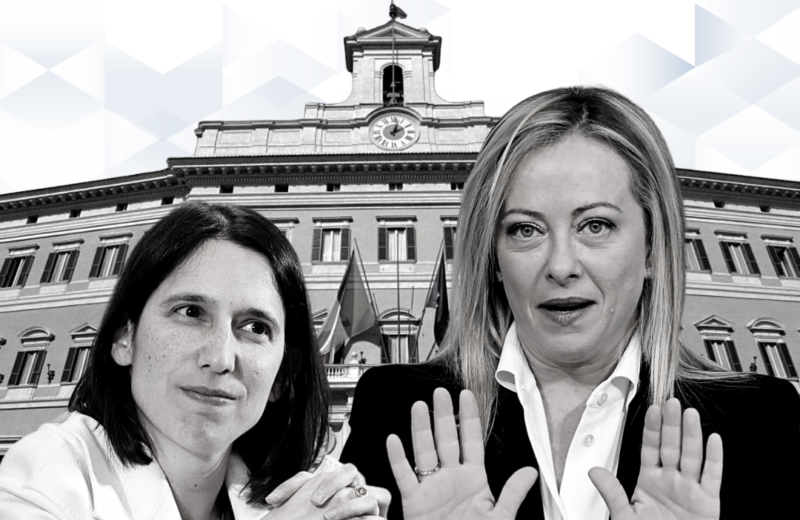
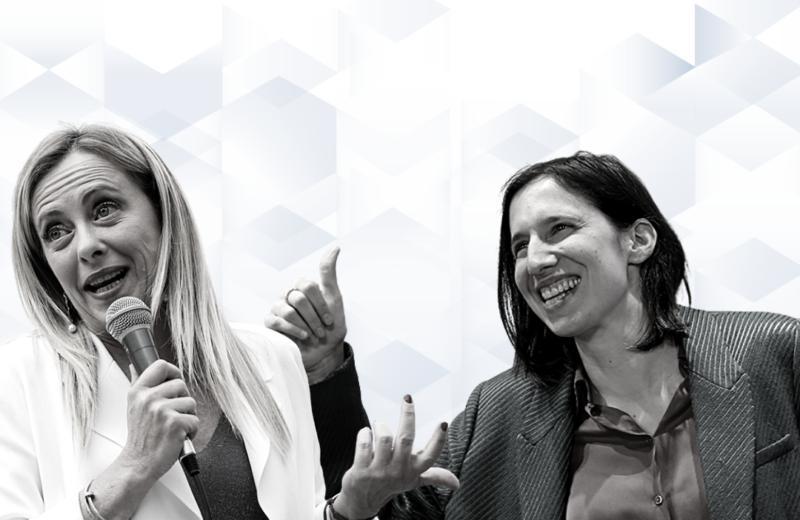
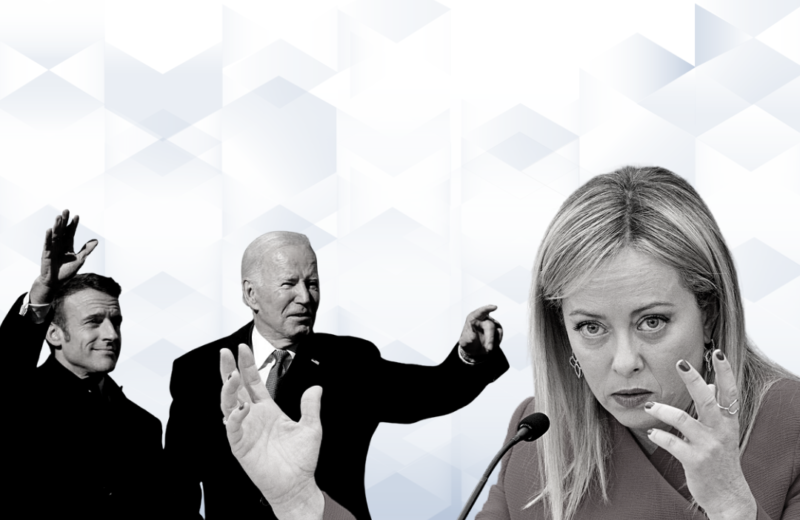
The week closes with an apparent easing on the geopolitical front, but the underlying reality tells a different story. The truce between Israel and Lebanon and the reopening of a negotiation channel between Washington and Tehran, pushed directly by Donald Trump, undoubtedly mark a relevant development, but not yet a turning point. It is a pause, not a resolution. And it is precisely this gap between political perception and the actual behavior of the system that defines the most interesting element of these days: while diplomacy attempts to slow things down, markets continue to act as if risk were still fully active. This is not just about energy prices or financial volatility, but about expectations. Geopolitical risk is not erased by a temporary truce; it is merely recalibrated, and remains embedded in economic decisions, industrial strategies, and supply chain management. In this sense, the week reveals something deeper than it may appear: the global system has now internalized instability as a structural condition, no longer an exception. This is where politics is judged less on what it declares and more on its ability to produce credible and lasting effects. It is on this ground that the domestic level also comes into play, where Italian politics reflects dynamics that originate externally. Tensions between Donald Trump and Giorgia Meloni do not stem from an isolated episode, but from a deeper divergence in the management of the Middle Eastern crisis and, more broadly, in the degree of alignment with the American posture. The disagreement over the line to adopt — between pressure and de-escalation — represents the real point of friction, which then translates into a more visible clash on a symbolic level, including controversies related to the Pope’s positions. In this transition, a pattern becomes evident: strategic conflicts increasingly surface through seemingly secondary episodes that act as political and media amplifiers. Meloni’s response, supported also by the opposition through the intervention of Elly Schlein, produced an effect that goes beyond the immediate context: a form of convergence that strengthens Italy’s readability as an actor, temporarily reducing ambiguity. Yet the most relevant point lies elsewhere. In a phase where foreign policy steadily enters the space of domestic political competition, every stance becomes a multi-layered signal, simultaneously observed by allies, markets, and public opinion. It is no longer just about managing international dossiers, but about the overall coherence of the political system. Even seemingly limited episodes thus contribute to shaping the country’s credibility, not so much for their specific content, but for their ability to express a consistent and sustainable line over time. The result is a coherent but far from reassuring picture: politics attempts to stabilize, but the system continues to behave as if instability were here to stay. And perhaps this is the real takeaway of the week: not what is changing, but what, despite everything, continues not to change.