The diplomacy of reconstruction
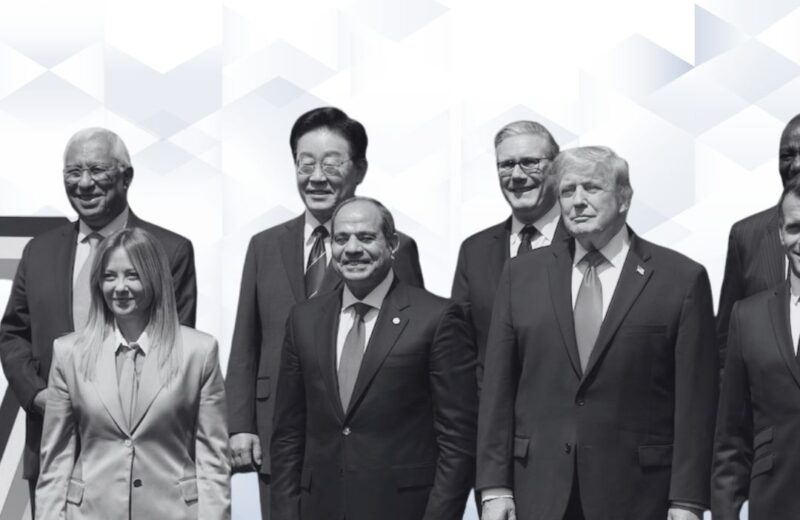
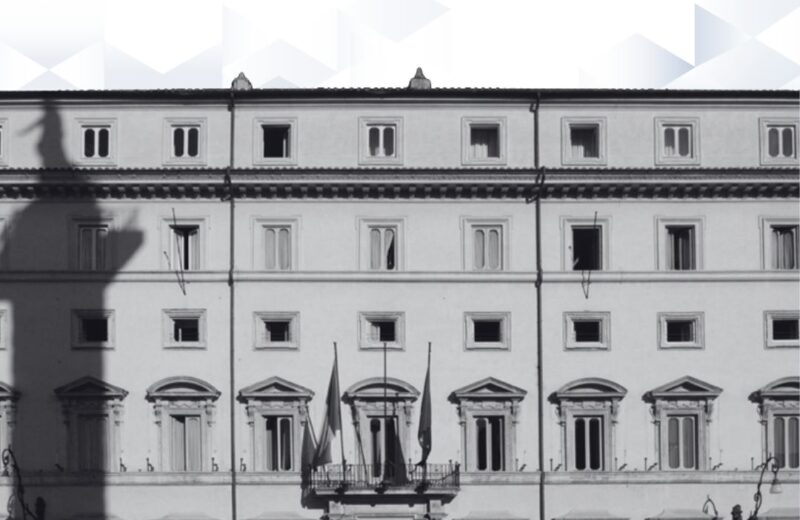
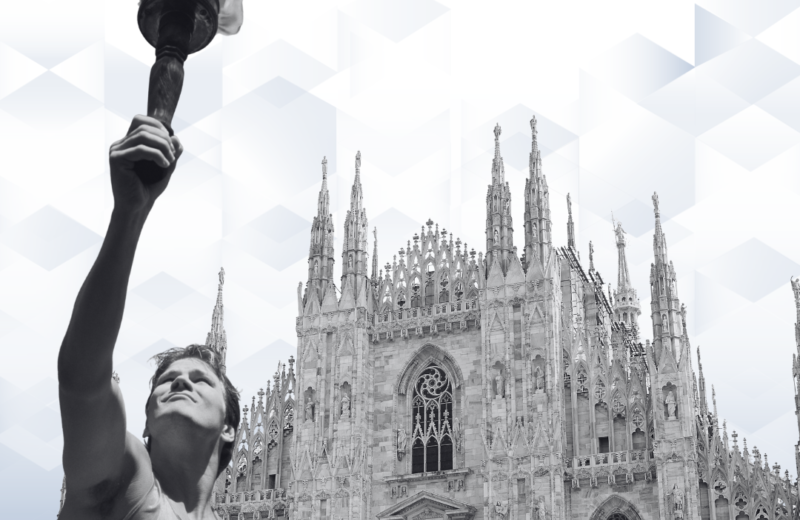
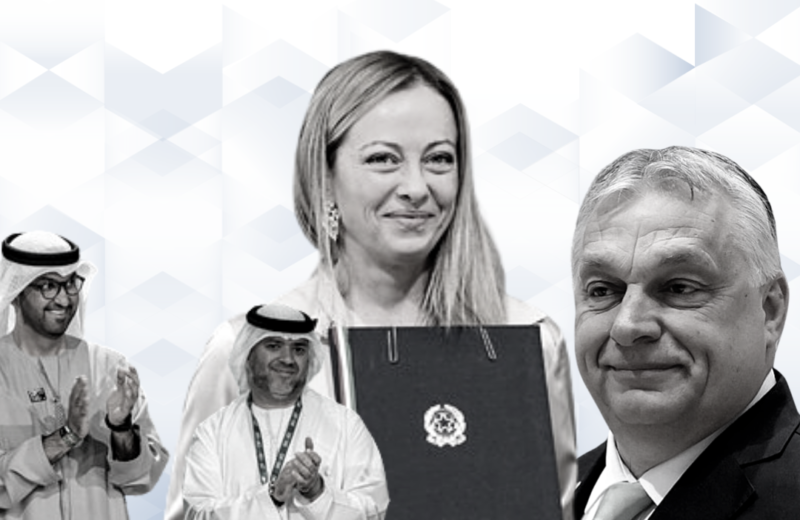
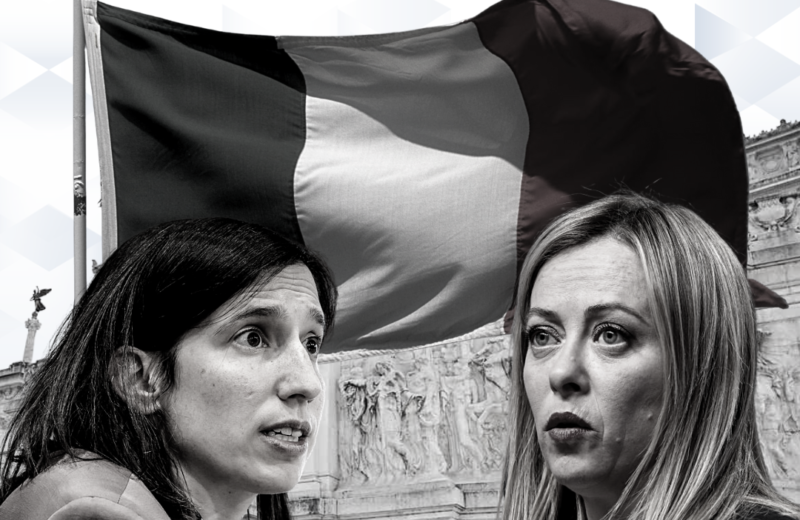
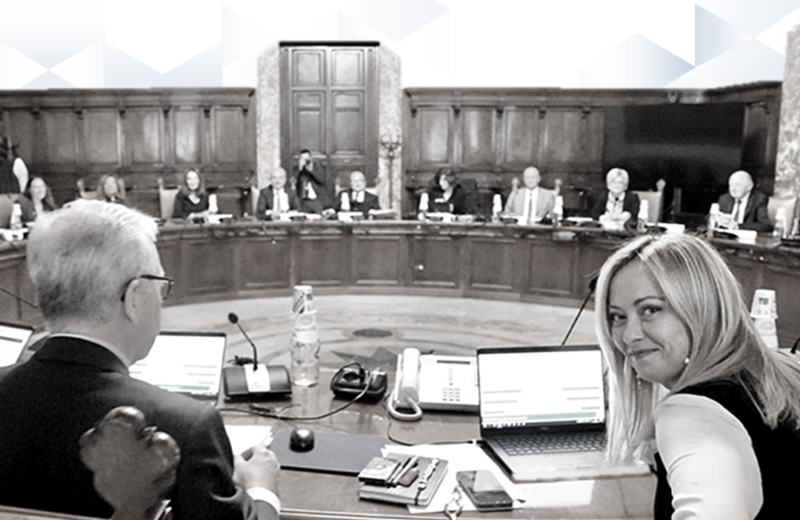
In the heart of the Italian capital, between Renaissance halls and the stifling summer heat, the Fourth Conference on the Reconstruction of Ukraine took place—an event that went far beyond the bounds of a multilateral meeting to become a symbol of a decisive political moment for Europe. In Rome, discussions did not revolve solely around economic aid. What emerged was a map of alliances, the repositioning of players on the board of EU politics, and a reaffirmation of Italy’s strategic and symbolic centrality in the new European balance.
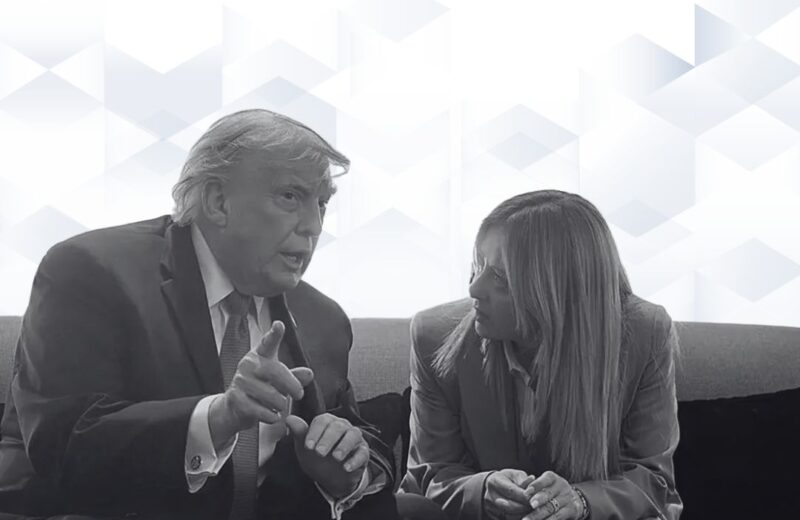
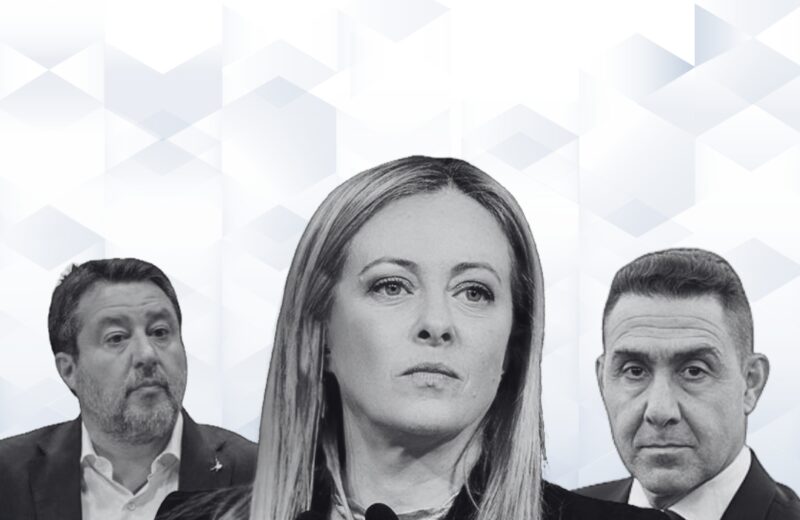
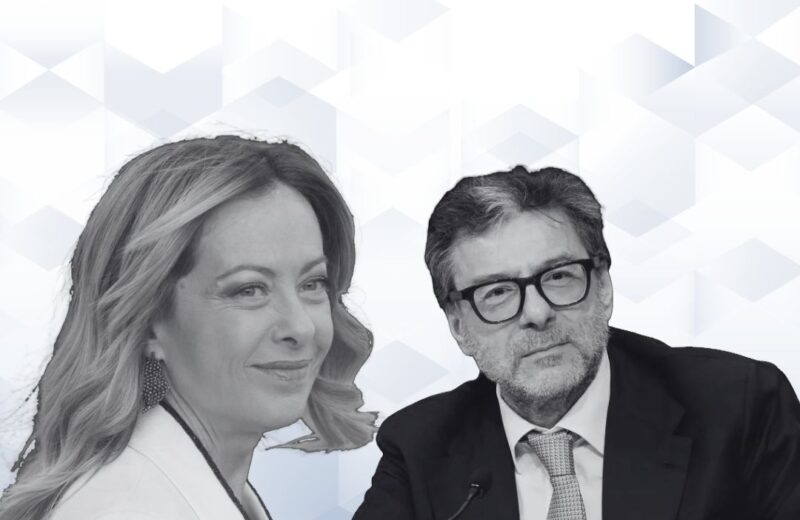
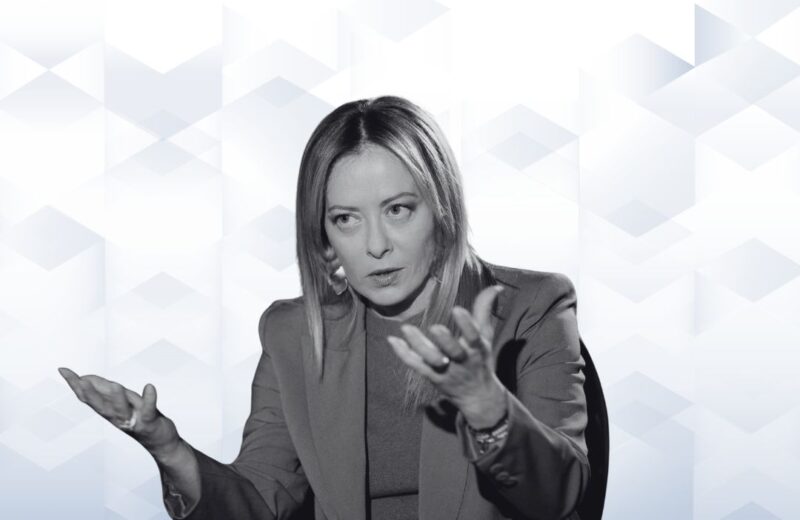
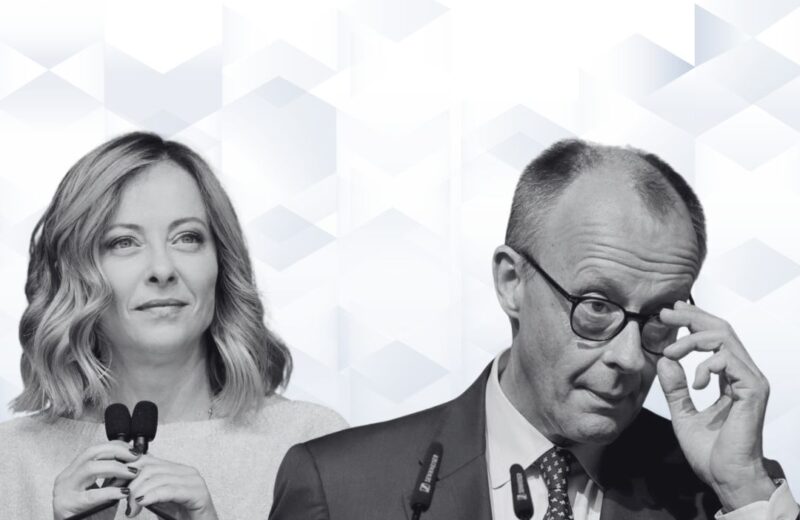
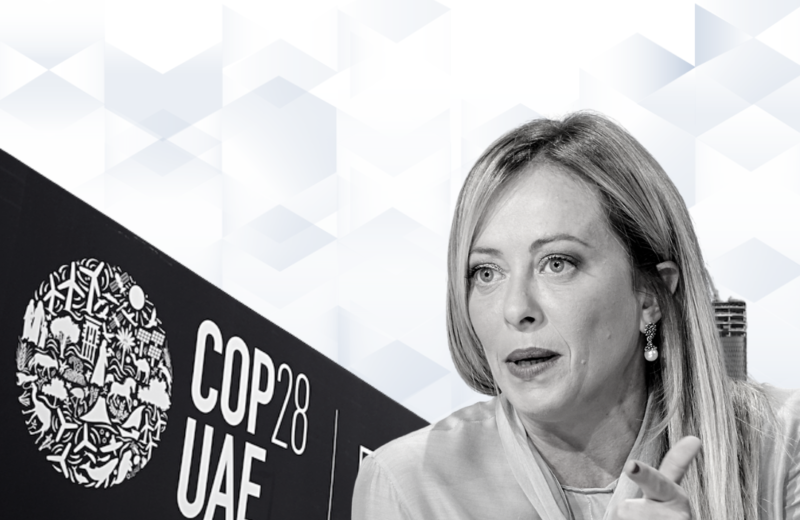
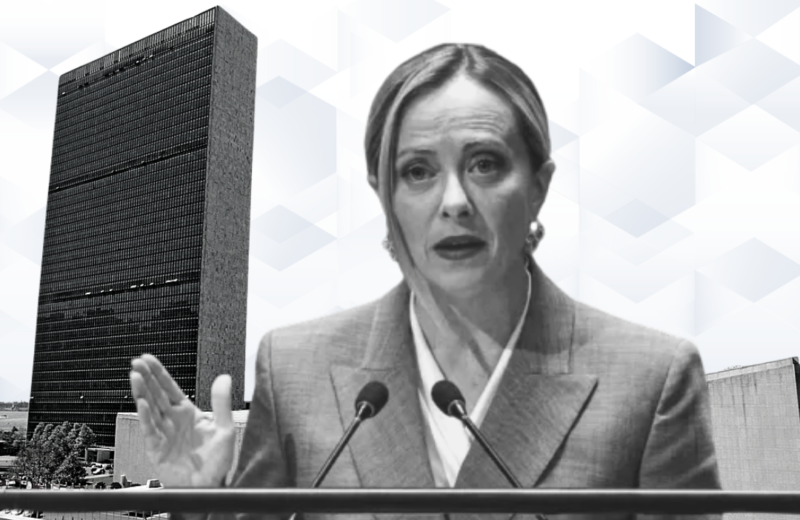
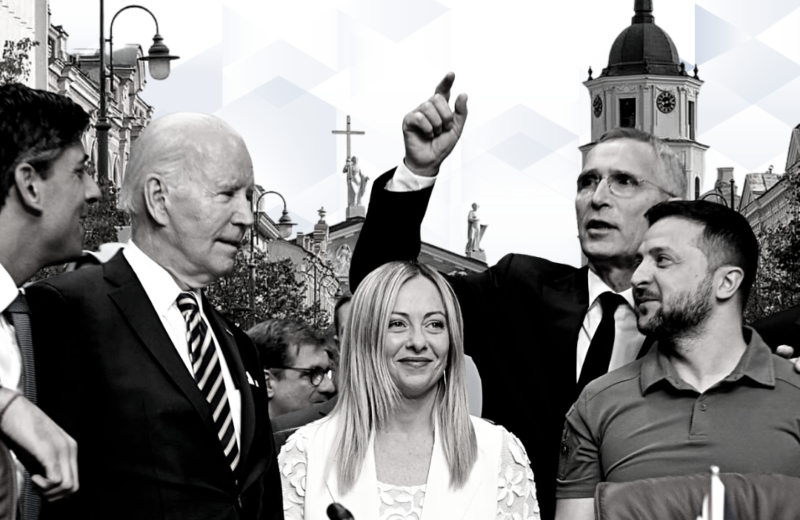
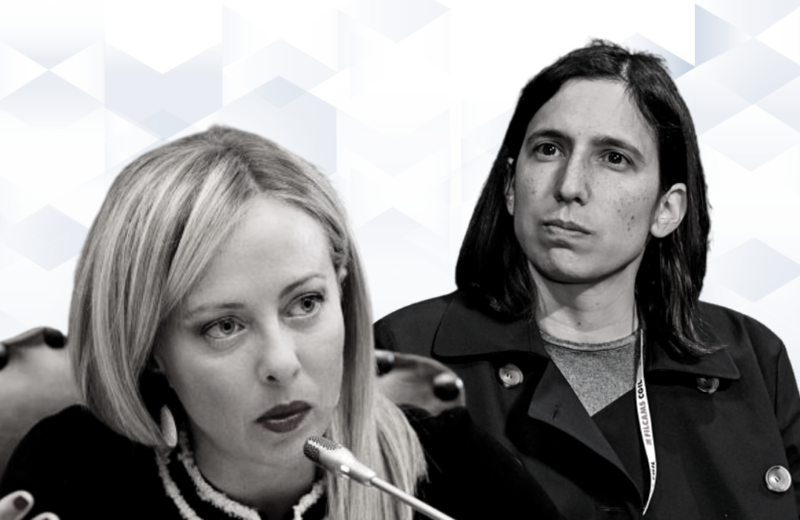
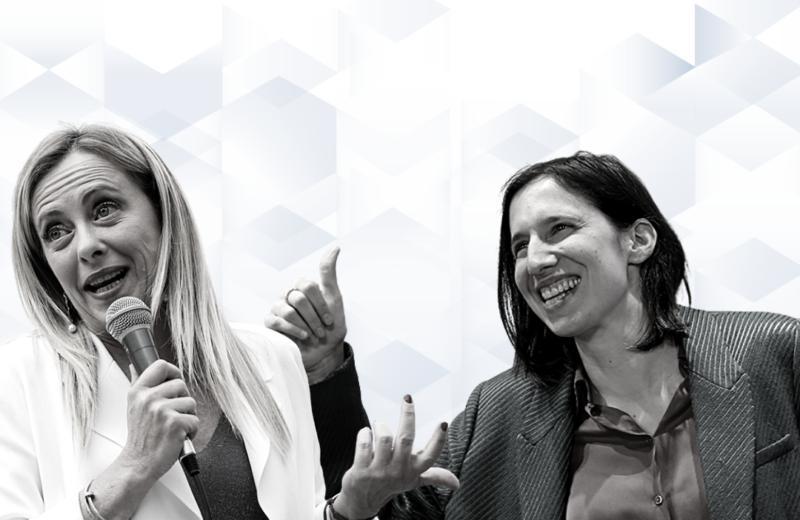
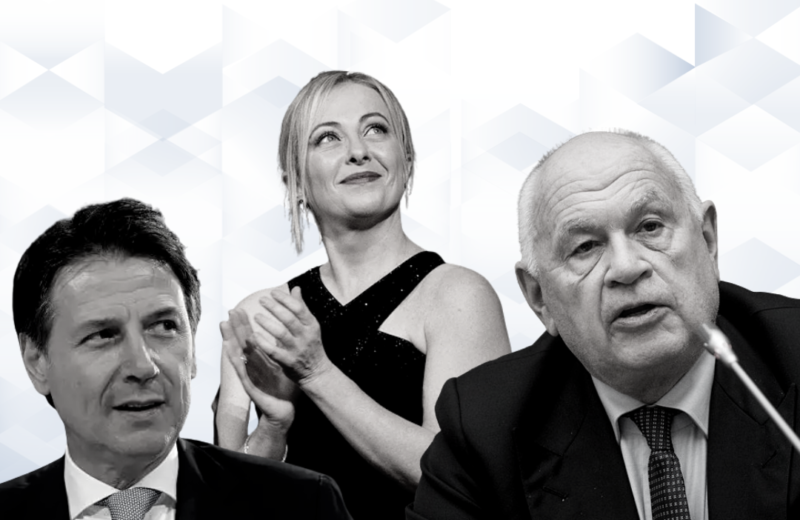
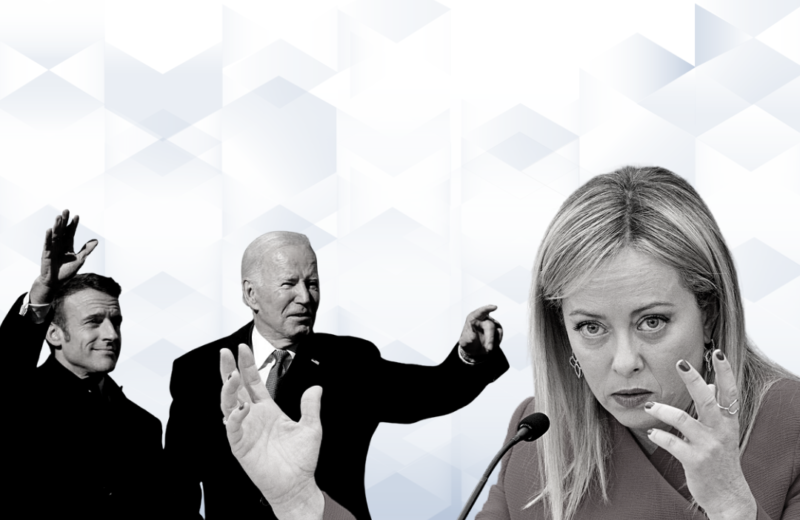
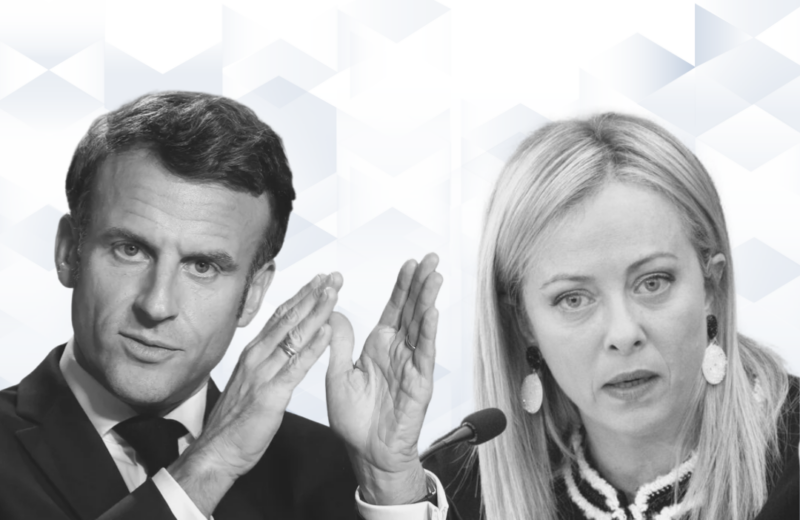
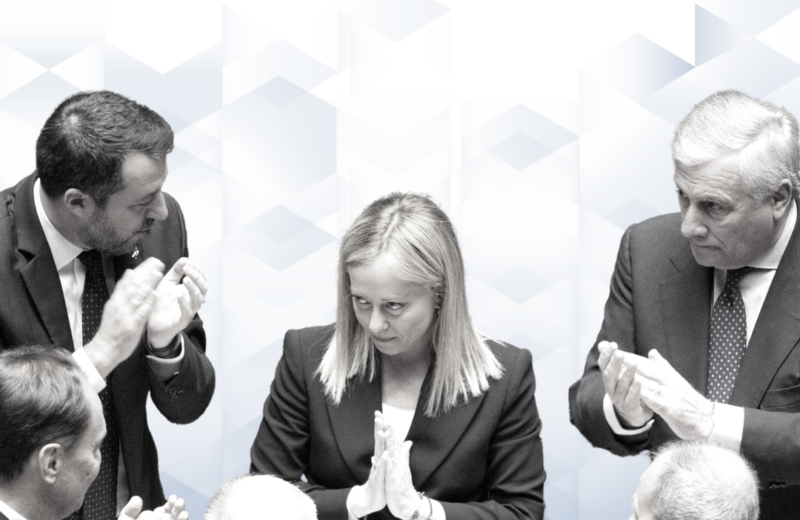
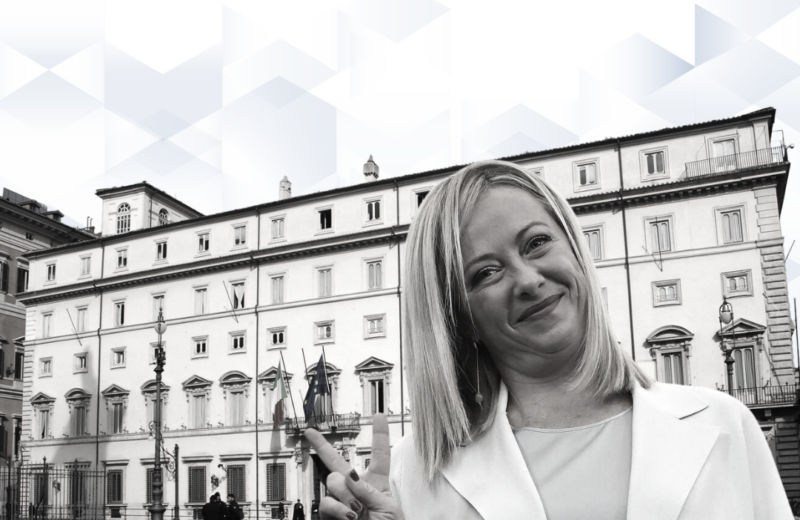
More than €10 billion were pledged in a single day to support Ukraine’s recovery. A significant sum, which serves as a demonstration of strength and, at least on the surface, unity within the Western bloc. But beyond the numbers, what stood out was the diplomatic architecture of the event itself: Meloni treated the conference as a political opportunity, steering the debate, setting operational priorities, and positioning herself—ambitiously—as a mediator among the EU’s various currents.
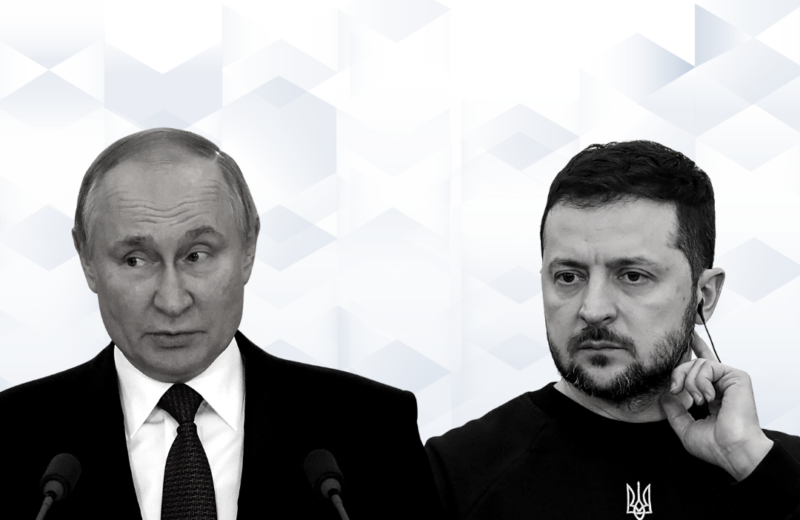
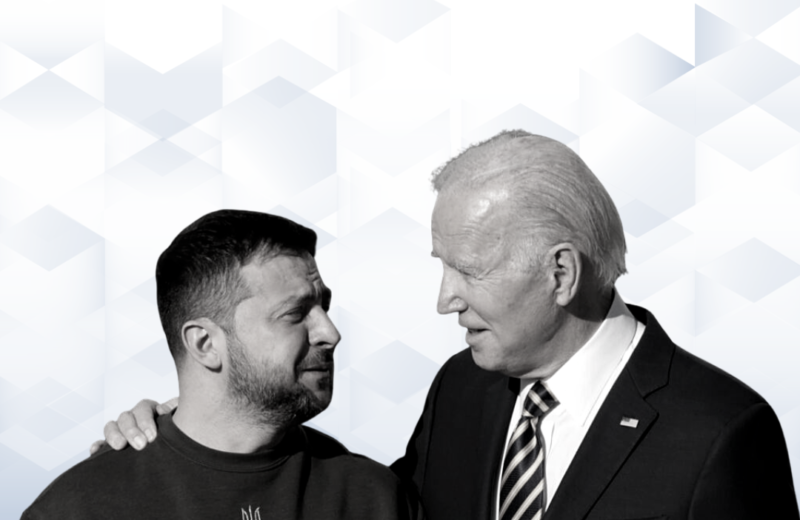
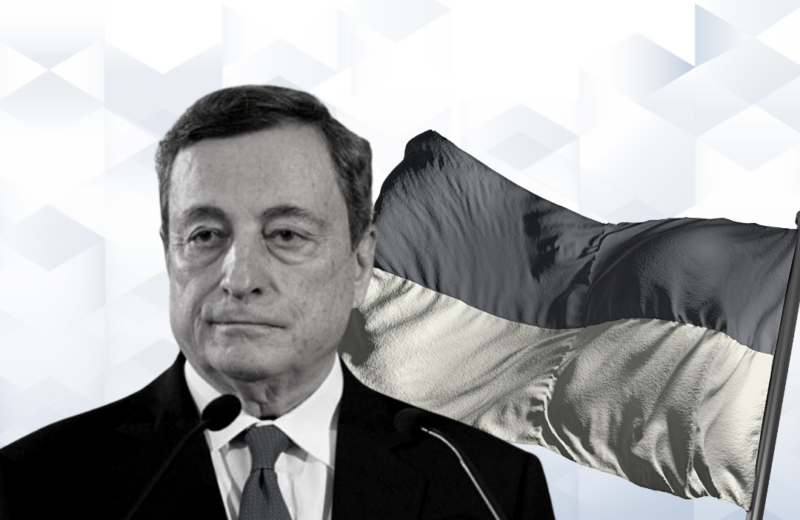
The Italian prime minister offered Volodymyr Zelensky a solid, concrete platform—not just filled with promises but backed by actionable proposals: a reconstruction plan based on public-private cooperation, with the goal not just of rebuilding, but of fundamentally modernizing Ukraine’s economic and civil infrastructure. The key words were not simply “aid” or “solidarity,” but also “investment,” “partnership,” and “strategic vision.” Ukraine, Meloni declared, is not merely a victim to be helped, but a partner to be supported in its rebirth. This deliberately pragmatic language marks a shift in the European narrative: reconstruction becomes a political, economic, and even identity-based project.
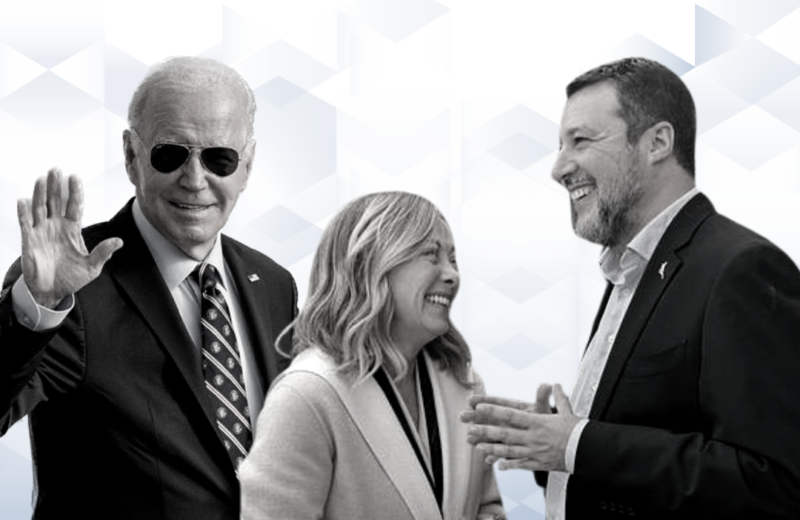
Rome, in this context, was not chosen merely for logistical or ceremonial reasons. Its value is deeply symbolic. Long a bridge between Southern and Northern Europe, between the Mediterranean world and the Franco-German axis, it now aims to be the capital of a “new conservatism” in Europe: pragmatic, less technocratic, and more grounded in current geopolitical priorities—security, energy, migration stability, and influence in the Balkans and Africa. Meloni’s ambitions go beyond supporting Ukraine; she aims to shape the political and economic framework within which Western Europe will manage its reconstruction.
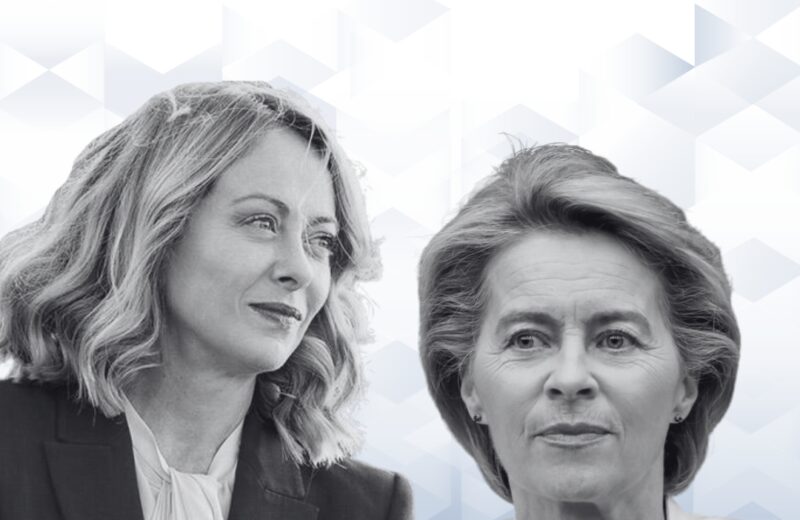
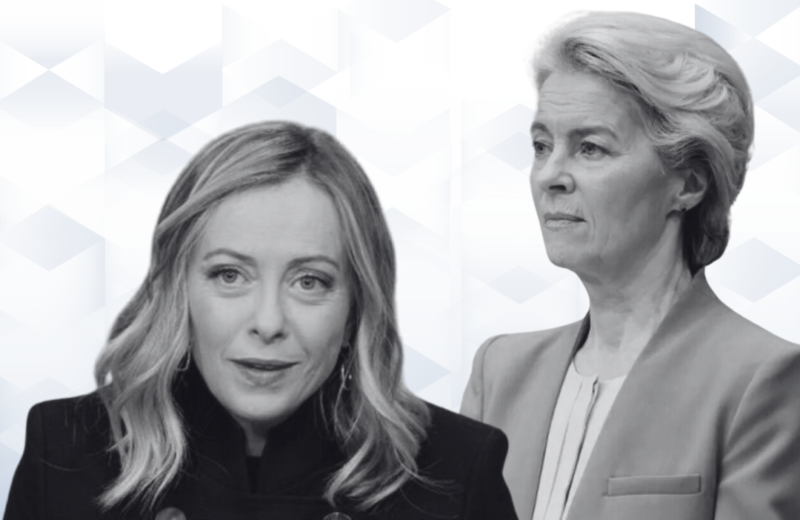
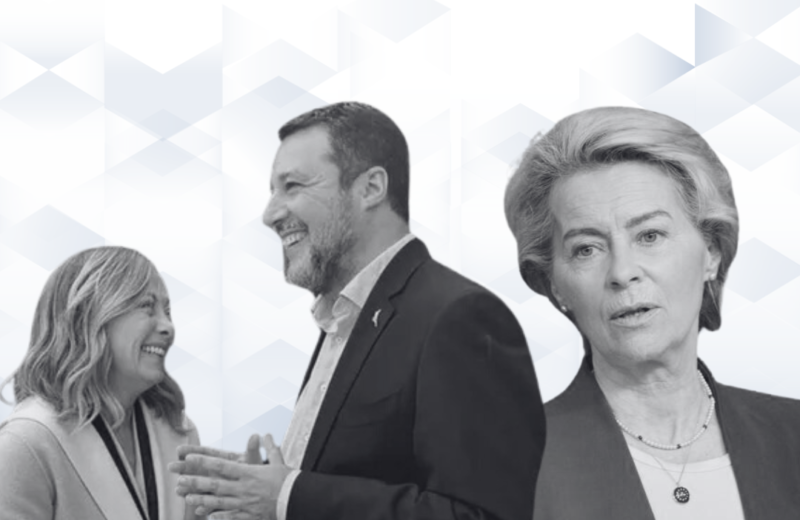
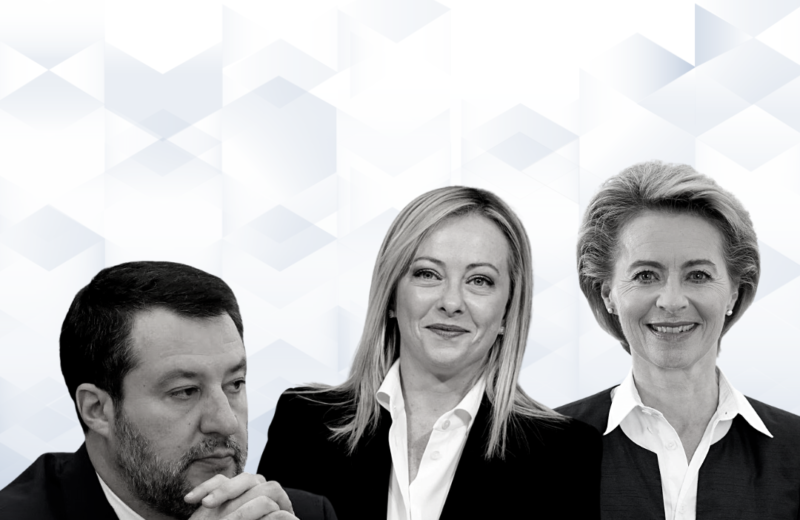
Another, less visible but equally crucial battle played out around Ursula von der Leyen. The President of the European Commission used the Roman stage not only to reaffirm her role but also to reinforce her legitimacy, recently tested by a no-confidence motion in Parliament that was rejected on July 10. Though she remains in office, von der Leyen emerged politically weakened and is now seeking new balances—especially with the conservative bloc represented by Meloni, whose influence in Brussels is increasingly pivotal. Her speech in Rome was carefully calibrated to deliver a dual message: on one hand, that the Commission can translate the language of solidarity into concrete action; on the other, that her leadership is capable of holding together the diverse interests of the twenty-seven member states, including those more heterodox forces from the conservative right.
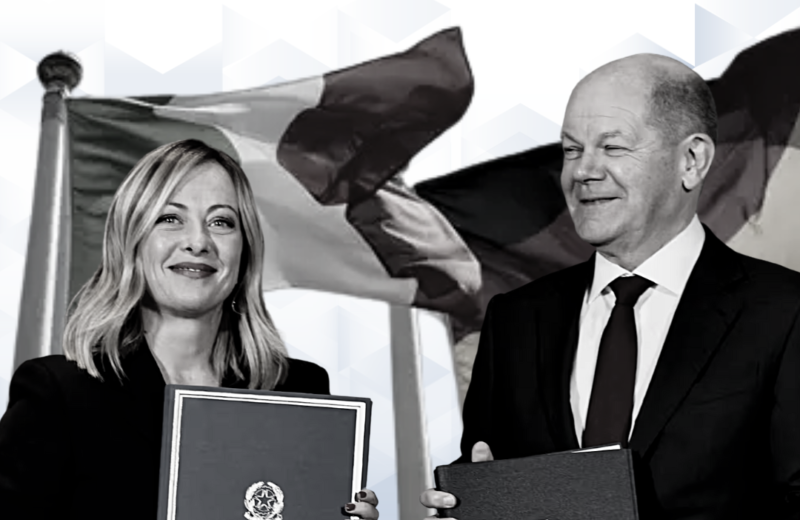
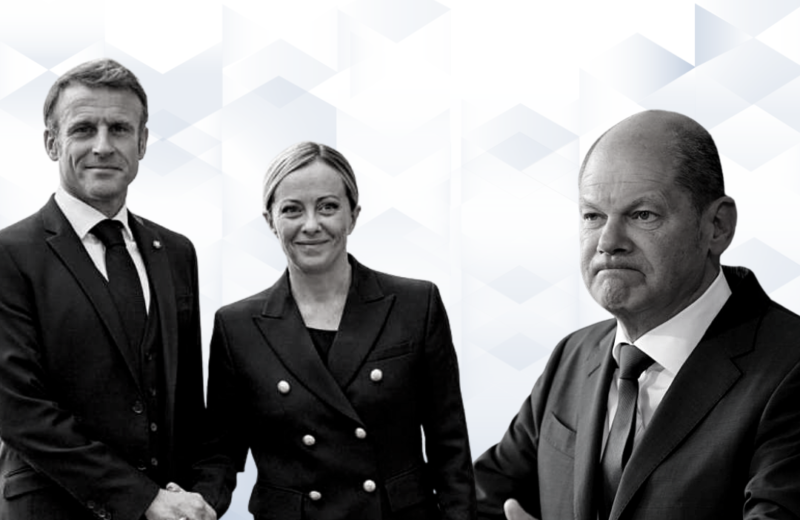
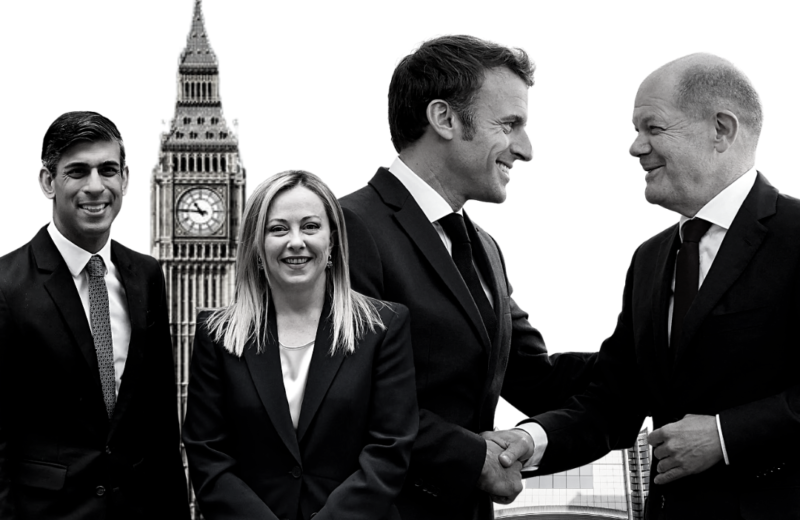
Beneath the choreography of European unity, delicate balances are shifting. The reconstruction of Ukraine – with its funding, contracts, and energy prospects – is already a battleground of economic competition among states, corporations, and political visions. Italy seeks to secure a central role by leveraging its expertise in infrastructure, healthcare, and energy. Germany aims for technological control and governance. France moves between diplomacy and the defense industry. Meanwhile, the United States, less visible in media terms, continues to observe and exert influence quietly.
Ultimately, the reconstruction of Ukraine is no longer just a humanitarian urgency or a moral imperative. It has become the litmus test for Europe’s ability to act as an autonomous geopolitical power. Those who finance, design, and lead this process are not just investing in buildings, they are writing the rules of a new continental order. And for two days, Rome was its laboratory. With Giorgia Meloni – whether one likes it or not – no longer a mere observer, but one of the authors of Europe’s new script.