From the Security Debate to the Houthi Crisis
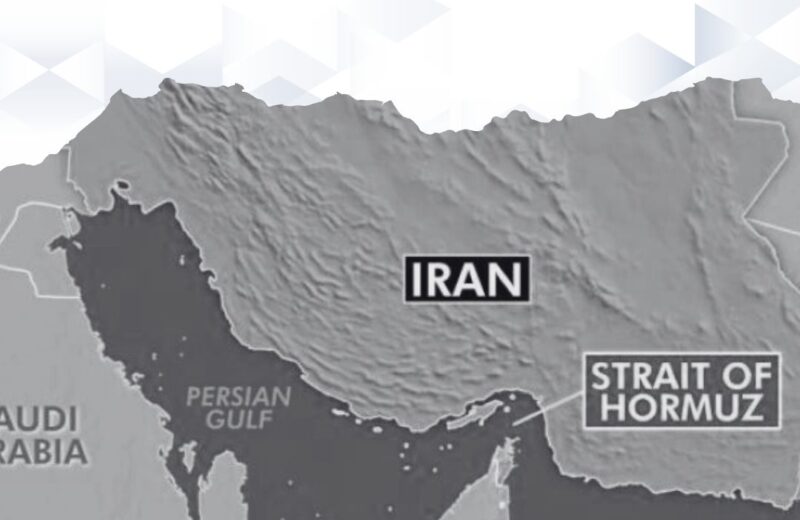
The political week was dominated by the death of Abderrahim Fakir during a police stop in Bologna, an event that quickly moved beyond the realm of judicial investigation to become a major point of political confrontation. The case reignited the debate over the balance between public security, the use of force and the protection of civil rights, providing both the government and the opposition with an opportunity to reinforce their respective political narratives. The government reaffirmed its full support for law enforcement, arguing that any responsibility should be established solely by the judiciary and warning against attempts to turn the incident into a political trial of the state’s institutions. The opposition, while adopting different tones, called for transparency and a swift investigation, stressing that the credibility of democratic institutions depends on their ability to clarify incidents involving public officials. The demonstrations and clashes that followed further deepened political divisions, with the centre-right focusing on condemning violence and the centre-left seeking to distinguish between the legitimate right to protest and acts of urban unrest. Within the governing coalition, unity remained largely intact on its defining issues—security, immigration and foreign policy—while any underlying tensions were postponed to the upcoming budget negotiations. The opposition, by contrast, continues to face a more complex internal dynamic. The Democratic Party is seeking to consolidate Elly Schlein’s leadership around a platform that combines the defence of civil rights with governmental credibility, while the Five Star Movement has maintained a sharper criticism of the executive in an effort to appeal to growing social discontent. Internationally, attention shifted to the worsening crisis in the Middle East. Yemen’s Houthi movement, backed by Iran, threatened to disrupt maritime traffic and launch new attacks against strategic Saudi infrastructure, increasing the risk of a broader regional escalation as diplomatic efforts between Washington and Tehran remain fragile. Any disruption of commercial routes through the Red Sea and the Gulf would have significant consequences for the global economy, potentially affecting energy prices, international shipping and supply chains. At the same time, the war in Ukraine remains unresolved, confirming an international landscape marked by multiple overlapping crises that require Europe to play an increasingly active diplomatic role. For Italy, the challenge is therefore twofold: preserving domestic political stability while responding to an international environment in which security, foreign policy and economic interests have become more interconnected than ever before.