Meloni’s Budget Between Fiscal Discipline and Political Support
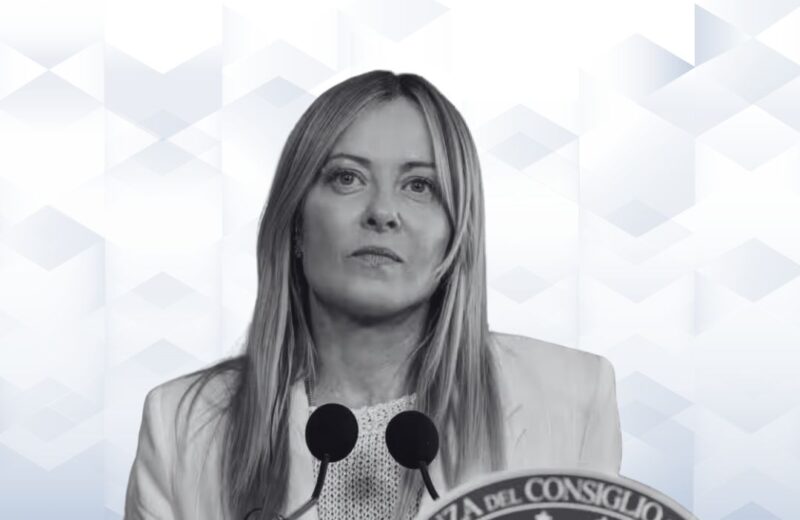
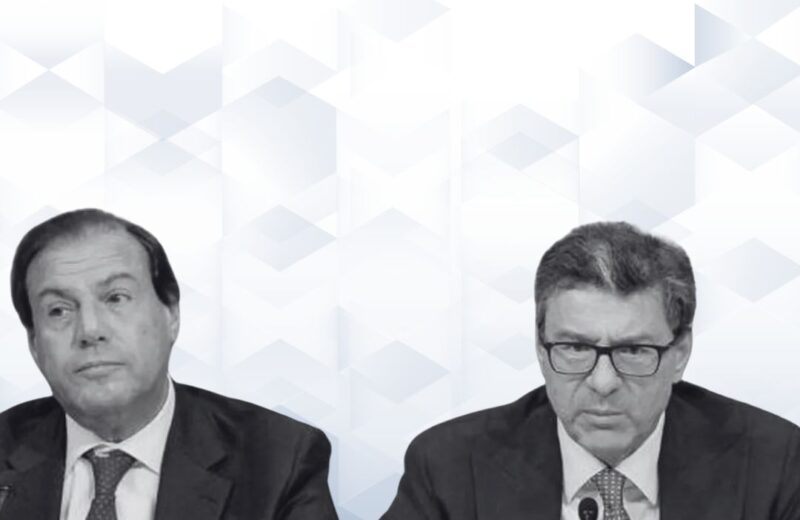
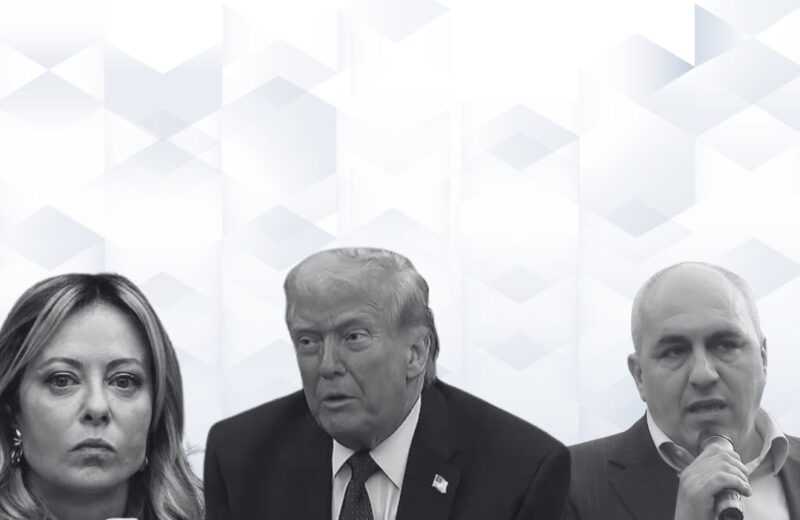
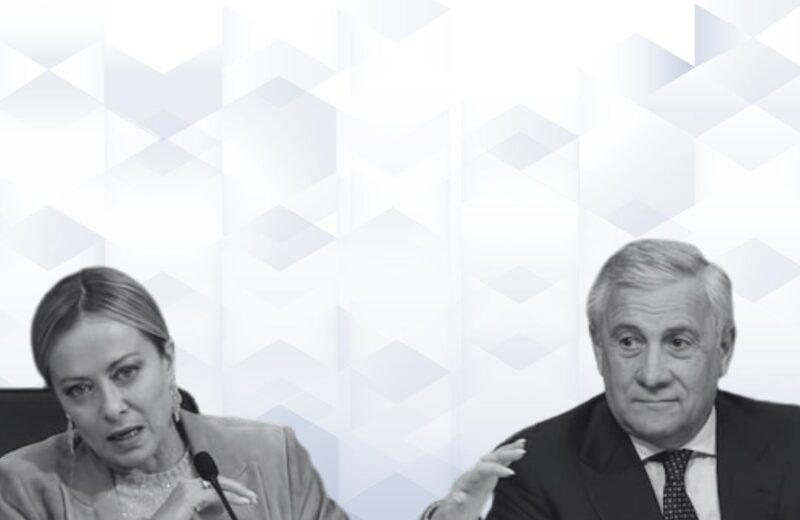
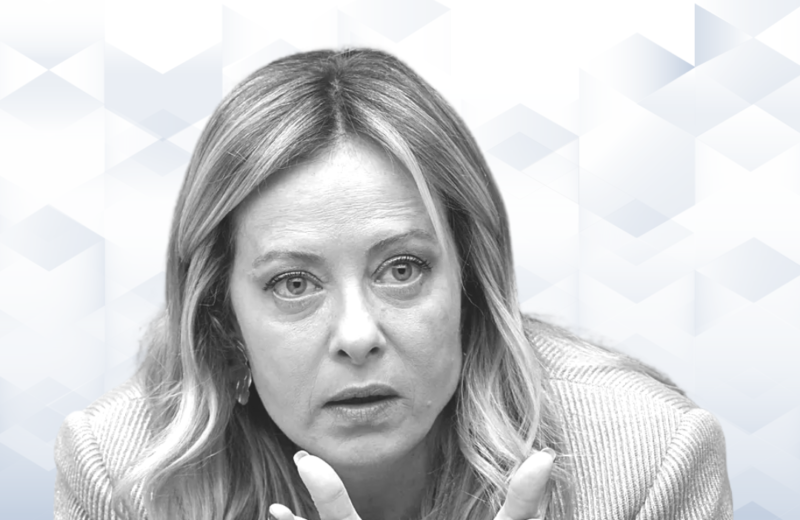
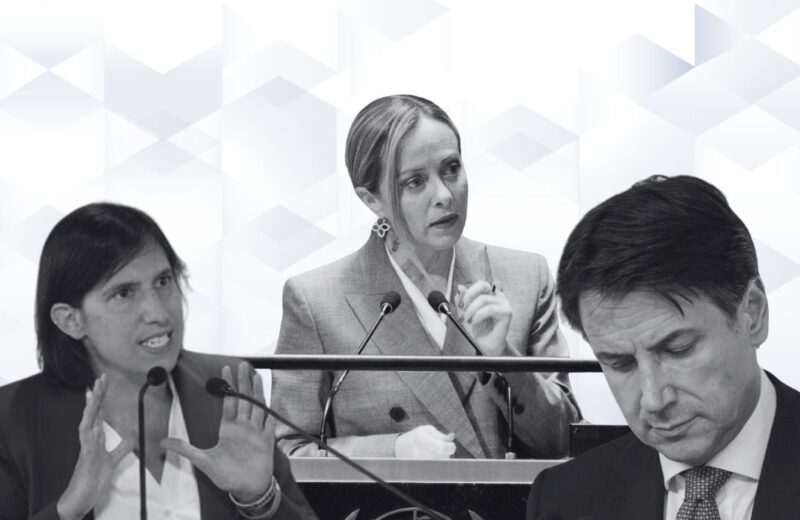
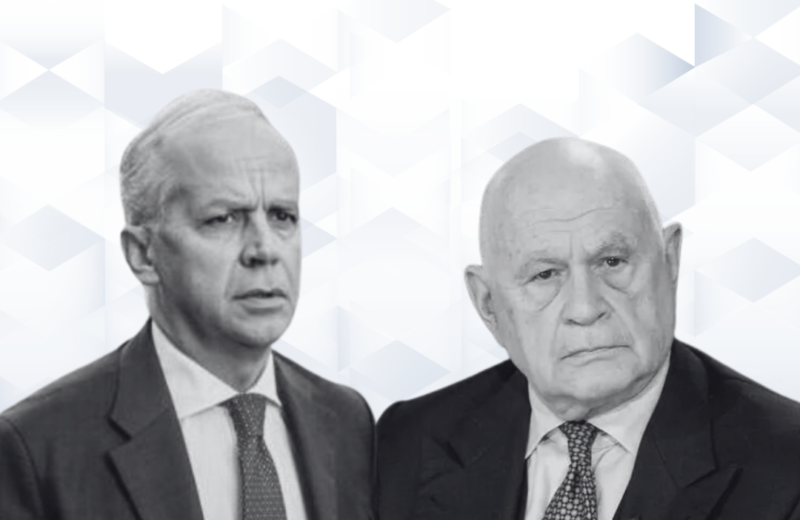
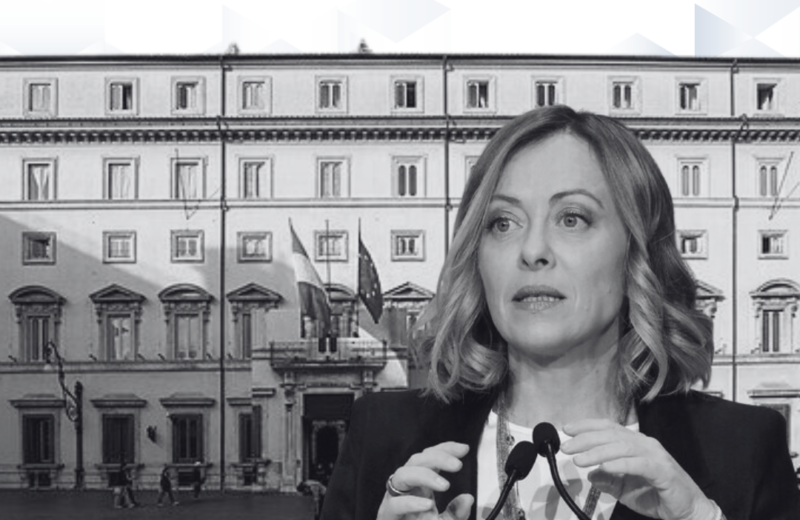
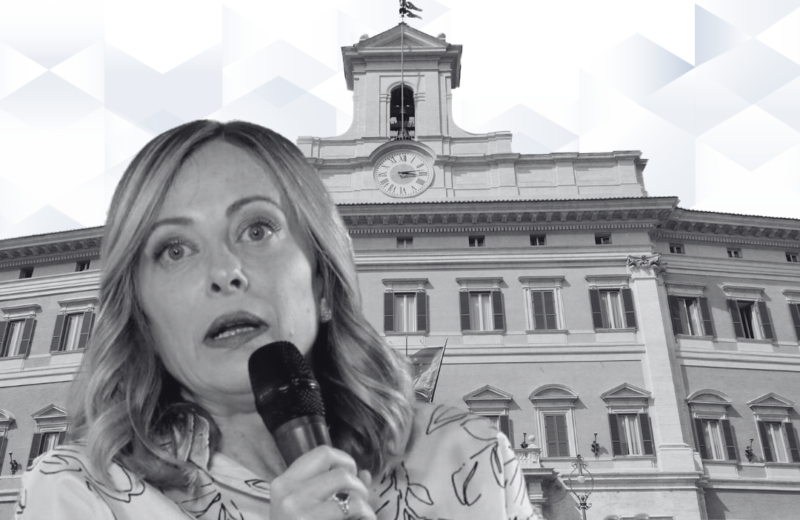
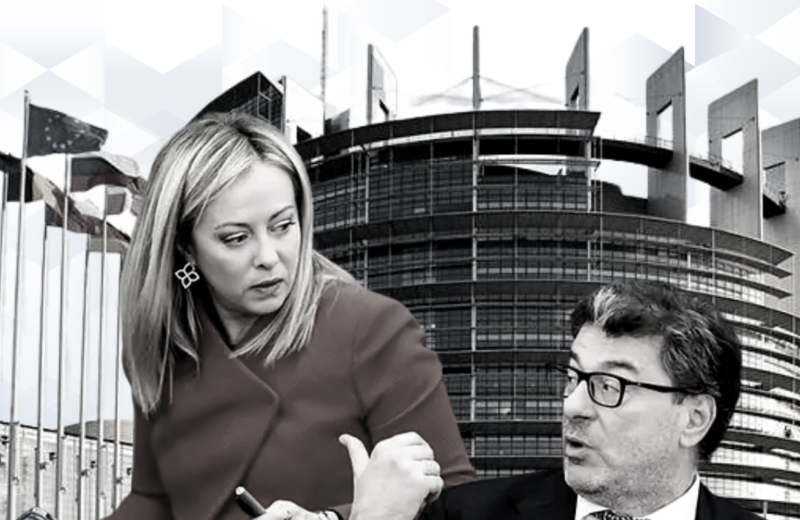
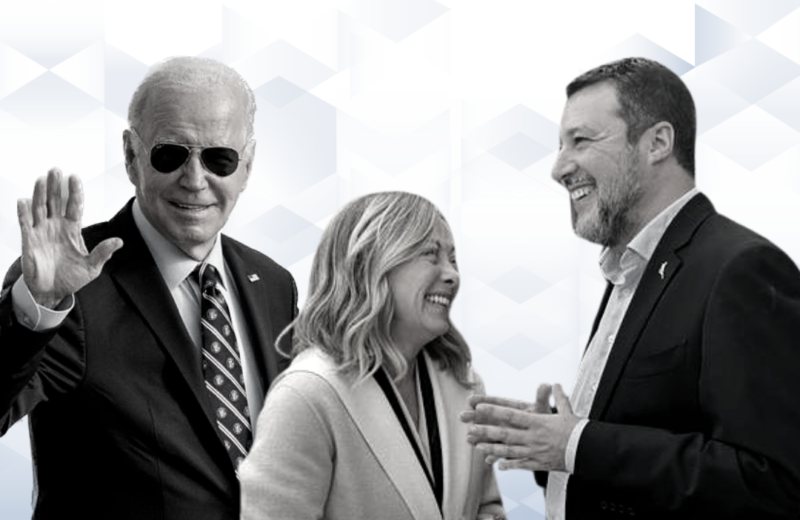
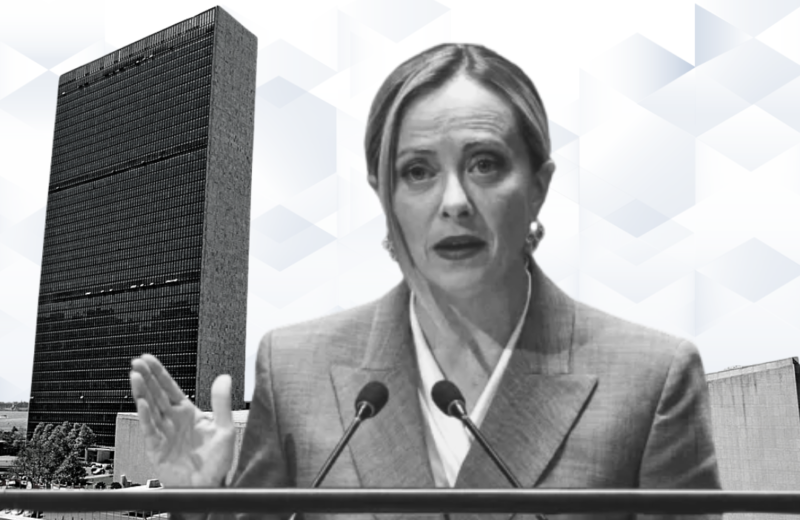
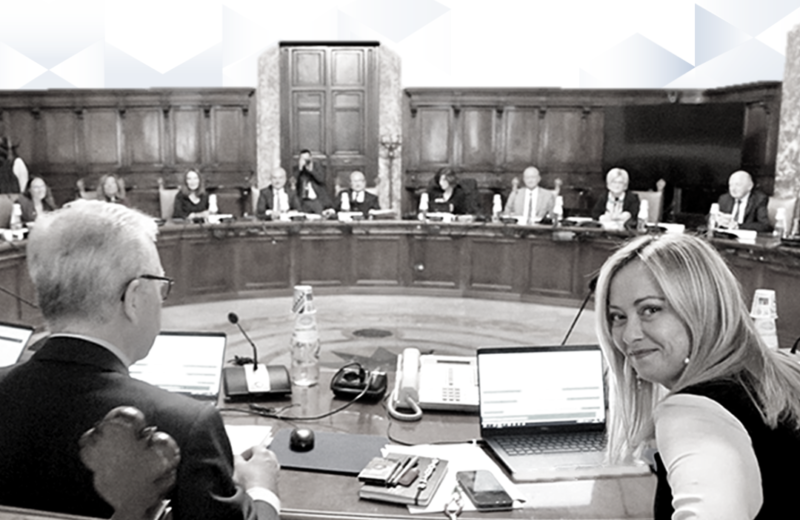
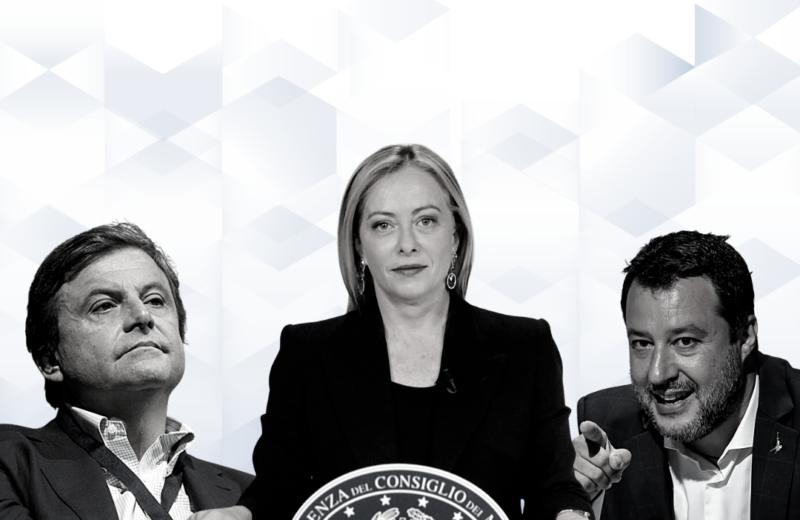
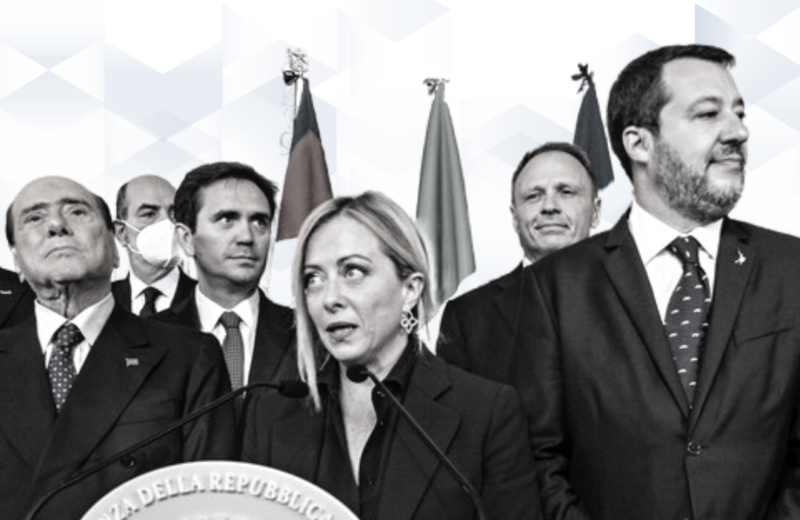
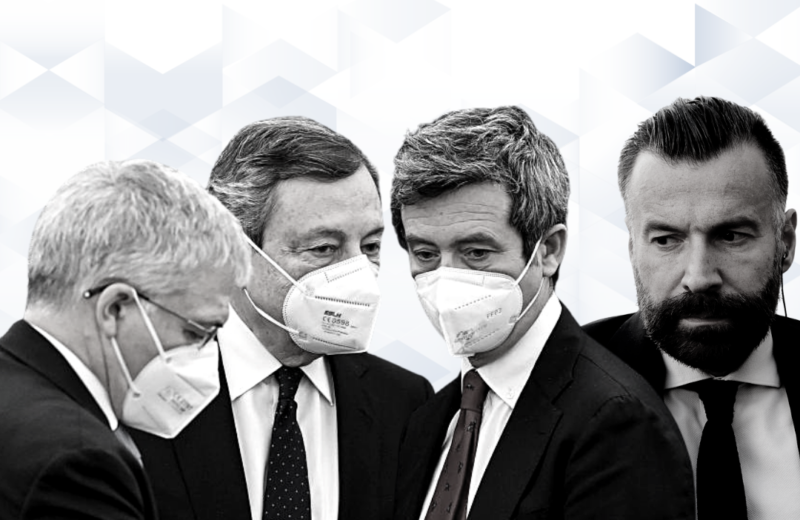
The Meloni government’s fifth budget arrives with a message that already looks towards the end of the parliamentary term: maintain its policy direction, protect purchasing power and demonstrate that the centre-right can still agree on how to allocate resources. On 28 October, the Cabinet approved a budget worth approximately €26 billion. Prime Minister Giorgia Meloni presented it alongside Deputy Prime Ministers Matteo Salvini and Antonio Tajani, Economy Minister Giancarlo Giorgetti and Deputy Economy Minister Maurizio Leo. Their joint appearance also served to establish collective responsibility for the decisions before the bill reaches Parliament.
Meloni stressed continuity, noting that around €9 billion would maintain measures otherwise due to expire. This clarification helps put the budget’s overall size into perspective: a substantial share of resources covers existing commitments, leaving limited room for new initiatives. Extending the 33% personal income tax bracket to earnings of €55,000, with a maximum additional annual benefit of €500, responds to demands for support for middle-income taxpayers. The prime minister defended the measure while acknowledging that a broader intervention would have required more funding. The government is therefore seeking to manage expectations, promising further steps while making them conditional on the resources available.
Within these constraints, each coalition partner has secured something to claim as a success. Forza Italia can highlight the income tax measure; the League can point to the increase in the revenue ceiling for the preferential flat-rate tax regime to €100,000 and an €850 million fund for greater pension flexibility. On pensions, however, the details remain to be settled: allocating the money does not amount to approving a general right to retire at 64. Making the vehicle tax exemption permanent for cars up to 80 kilowatts and motorcycles adds another readily recognisable measure. The political balance rests on giving visibility to each party’s priorities while keeping the overall fiscal framework intact.
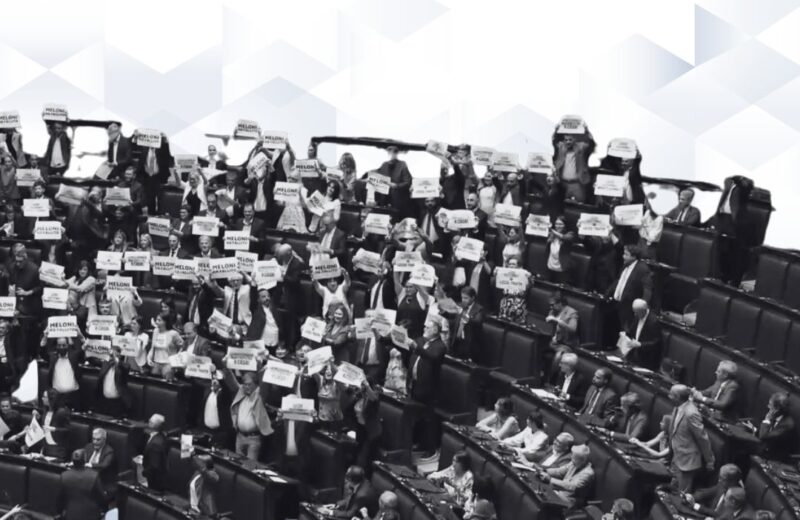
The choice of funding sources also carries political significance. The contribution sought from banks and insurers allows Meloni to argue that part of the burden falls on sectors better placed to absorb it. Her message seeks to reconcile tax cuts with social protection, while Giorgetti continues to safeguard the government’s fiscal credibility. The test will come during parliamentary scrutiny, when demands for amendments will make the discipline displayed at the press conference harder to maintain. The compromise reached by coalition leaders will depend on their parliamentary groups accepting limits on their own requests.
The press conference also showed how energy costs continue to shape the agenda. Giorgetti highlighted the negotiations with the EU over fiscal flexibility for energy investment, while the decree addressing energy bills was postponed until the next Cabinet meeting. Meloni attributed the delay to technical checks, ruling out funding problems or disagreements with Brussels. A political gap nevertheless remains: investment in energy efficiency takes time, while households and businesses also judge the government on its ability to reduce immediate costs.
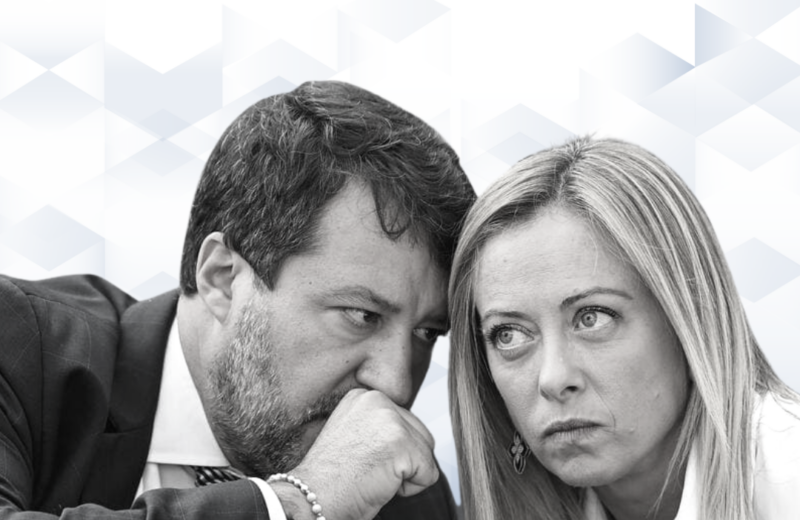
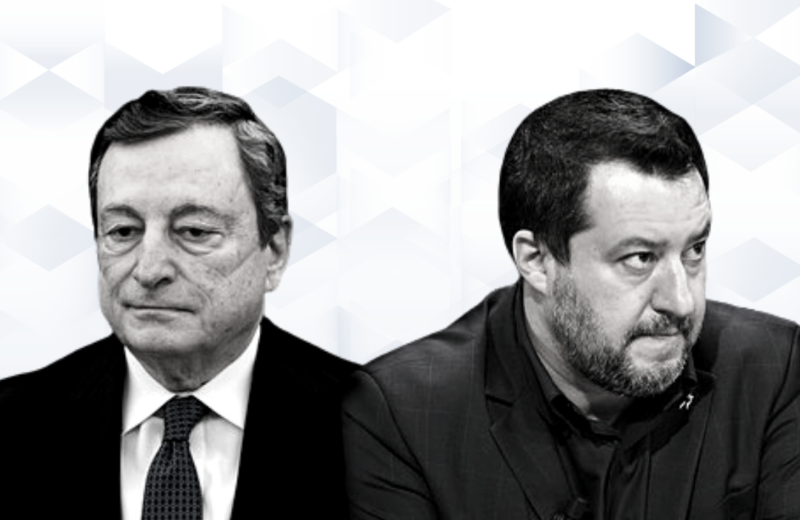
On Ukraine, the prime minister set boundaries for dissent within the coalition. She recognised Salvini’s right to represent the views of his party’s grassroots while reaffirming that support for Kyiv remains government policy. This distinction matters: coalition partners can maintain their political identities, but they remain responsible for upholding a common position. On security, responding to questions about the court’s refusal to uphold Youssef Siher’s detention and criticism from magistrates, Meloni defended her intervention as an expression of support for the work of law enforcement.
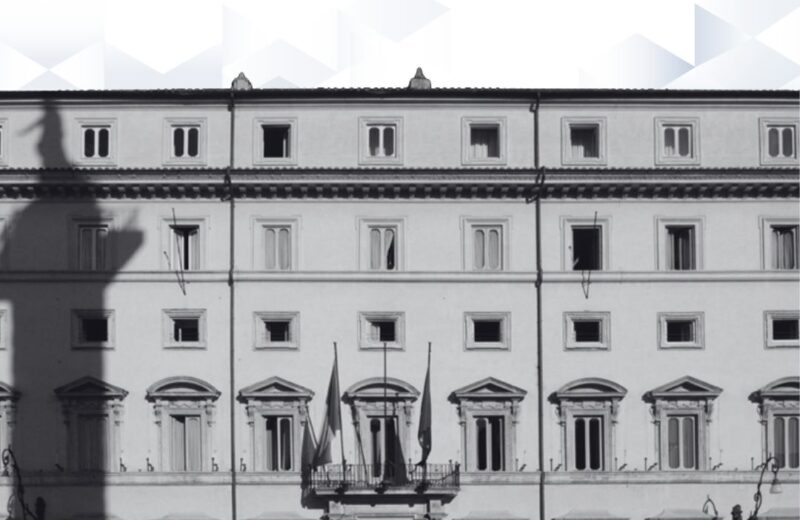
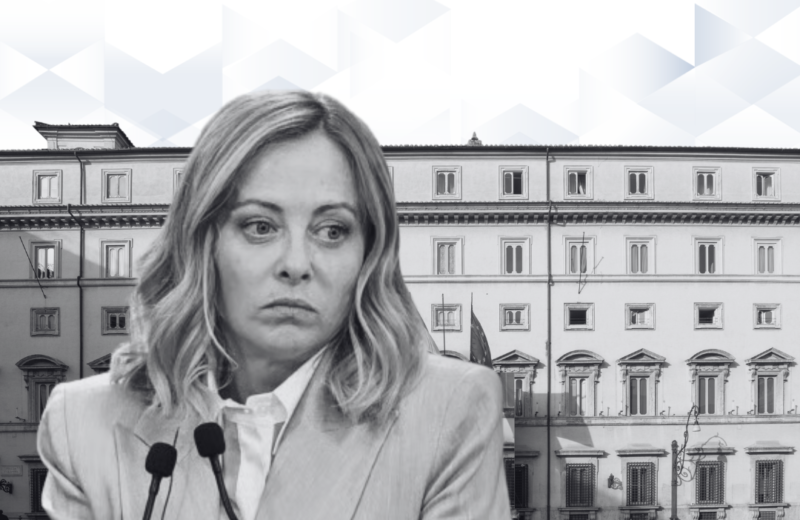
The picture emerging from Palazzo Chigi is of a government seeking to consolidate support across several fronts: taxation, support for families, security and international reliability. The budget brings these priorities together, but their effectiveness remains an open question. For the coalition, the challenge in the coming months will be to turn its agreement on resources into tangible results, as the approaching election strengthens each party’s incentive to distinguish itself.