Meloni’s record ushers in the toughest autumn yet: energy, the budget and elections reshape the political landscape
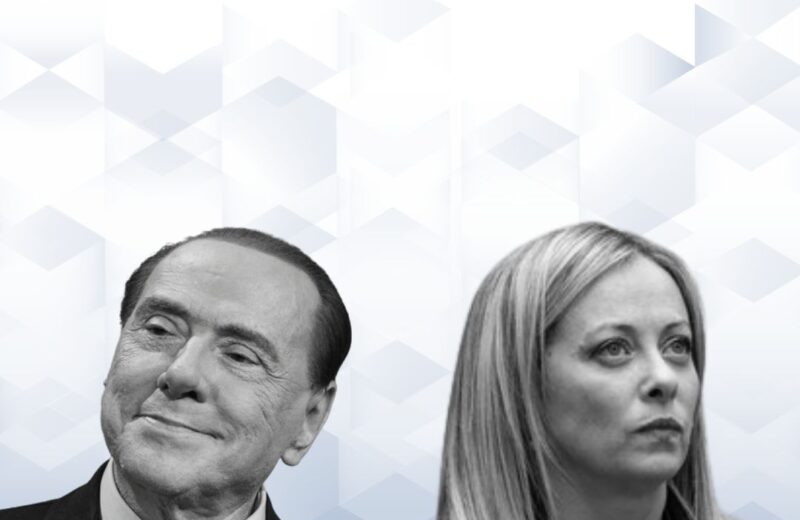
The record has finally been reached. As of today, Giorgia Meloni’s government is the longest-serving administration in the history of the Italian Republic, with 1,413 days in office, overtaking Silvio Berlusconi’s second government. It is a political achievement even before being a chronological one, especially in a country where short-lived governments have been almost a constant for decades. It is no coincidence that the Prime Minister has chosen to describe stability not as «a record to show off», but as the condition that allows a country to plan, make decisions and honour its commitments. The point, however, is that this stability is now entering its most difficult phase. The government has almost four years behind it and faces an autumn in which the economy, energy and the gradual approach of the 2027 general election will increasingly overlap.
So far, Meloni can point to a record containing several figures that are difficult to ignore. The spread between Italian and German ten-year bonds, which stood well above 200 basis points at the beginning of the legislature, is now hovering just above 80; the Milan stock market has gone through a prolonged positive phase and the labour market remains one of the strongest indicators of the legislature. In July, the number of people in employment stood at 24.37 million, 307,000 more than a year earlier, while the unemployment rate fell to 5.8%. Growth is continuing too, albeit without any spectacular acceleration: in the second quarter GDP rose by 0.2% quarter-on-quarter and 1% year-on-year. These are among the main elements underpinning the assessment of Meloni’s first four years in office: financial stability and employment are the results the government can most readily claim, while taxation, structural growth and above all the burden of public debt remain much more difficult terrain.
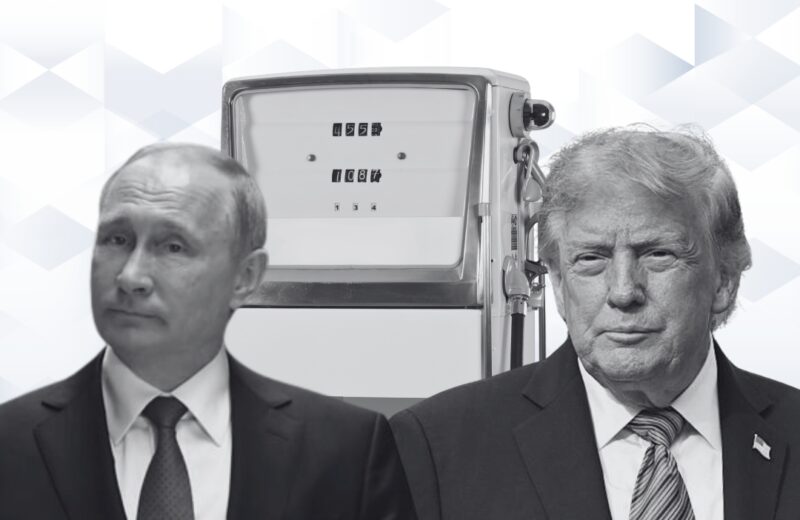
Yet this is precisely where the story of the record gives way to that of the final stretch of the legislature. The first test has already arrived, and it is energy. In August, inflation climbed to 3.3%, from 2.9% in July, driven primarily by energy prices. Unregulated energy rose from 11.4% to 16.9% year-on-year, while regulated energy accelerated from 14.8% to 18.8%. At the pump, self-service petrol has reached an average of €2.039 per litre and diesel €2.147, while 5 September is the final day of the government’s 17-cent tax reduction on diesel. A very short extension is being considered before the government moves towards more targeted support for lower-income households and the sectors most exposed to higher fuel costs, starting with road haulage. This is not merely a question of petrol and diesel prices. It is the first concrete example of the problem that will accompany the government over the coming months: limited resources make it increasingly difficult to shield everyone from economic shocks, forcing the government to decide whom to support, by how much and with which funding.
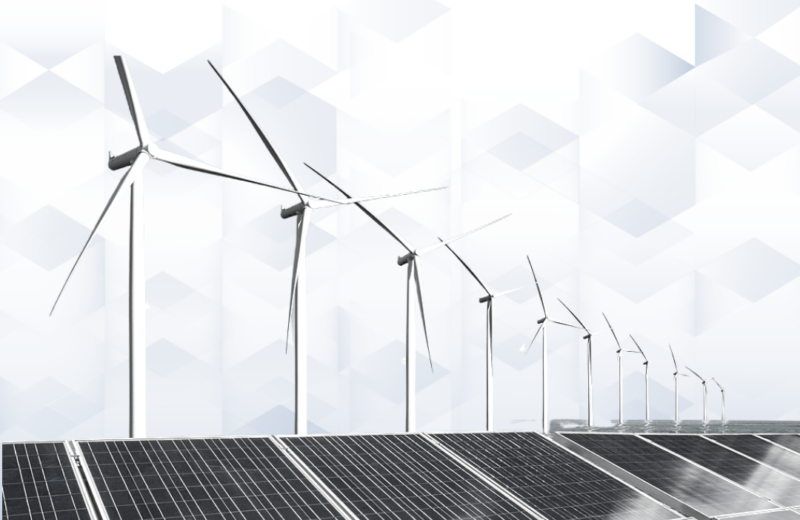
The same logic will return with the Budget Law. Italy could obtain around €14.4 billion in cumulative fiscal flexibility for energy security over the 2026-2028 period, subject to the completion of the European procedure. But this is not money that can simply be used to fund any measure the government chooses. Brussels has tied this flexibility to measures capable of structurally reducing energy dependence, including renewable energy, electricity grids, efficiency, heat pumps and nuclear power, while excluding generalised tax cuts and subsidies for fossil fuels. The debate over how to use this additional fiscal space will overlap with defence spending and, above all, with a budget that will inevitably be more political than its predecessors. The final Budget Law before the general election will be the arena in which the League, Forza Italia and Brothers of Italy each try to leave their mark, from taxation and support for families and businesses to pensions and purchasing power. It is already one of the central issues shaping the autumn agenda.
The public finances make all of this more delicate. Italy’s deficit stood at 3.1% of GDP in 2025, while the government is aiming to bring it below the 3% threshold, a necessary step towards exiting the EU excessive deficit procedure. The next important date is 22 September, when Istat is due to update the national accounts. The figures will be closely watched as the government assesses the room available for the next budget and the possibility of accelerating Italy’s exit from the procedure. There is an evident paradox. The spread points to a significantly lower risk premium on Italian debt than at the beginning of the legislature, but the yield on ten-year government bonds remains above 4%. The credibility gained in recent years therefore helps contain the cost of the debt rather than eliminating the burden created by its sheer size.
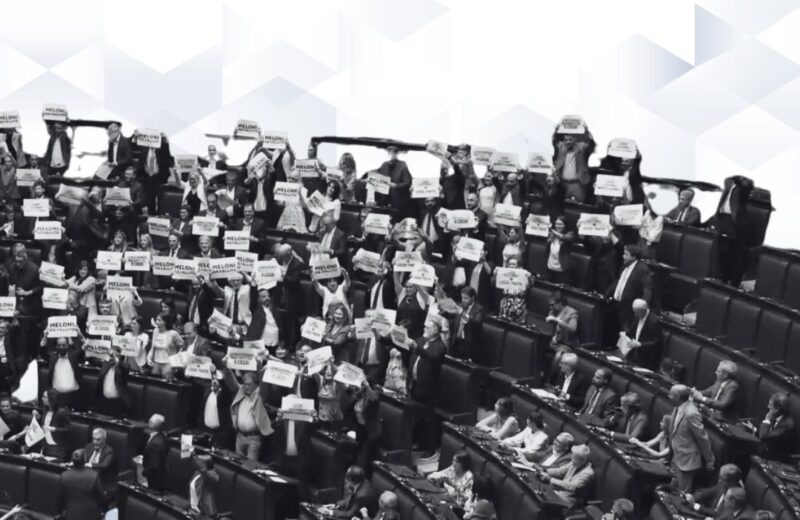
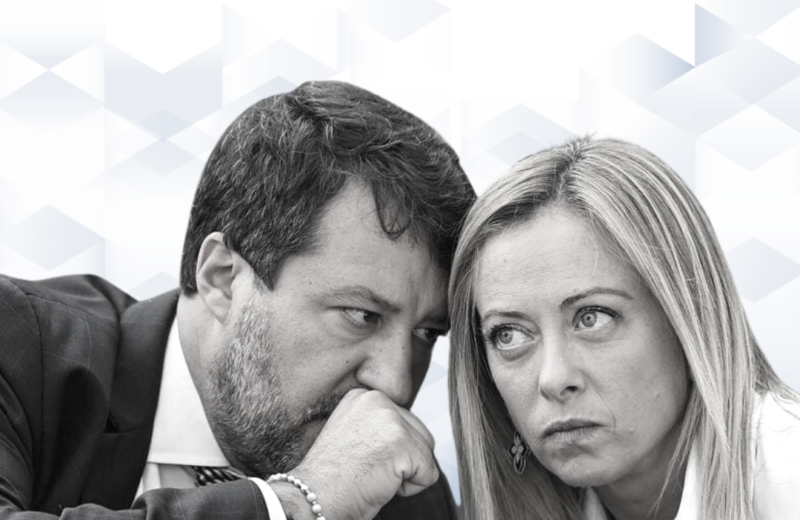
Then there is politics. Electoral reform will provide the first major parliamentary test of the new season. On 3 September, the governing majority closed ranks in the Senate committee over the reintroduction of preference voting, following the setback suffered in the Chamber of Deputies during the summer. Yet the most politically sensitive questions remain unresolved, including the majority bonus and the possibility of a run-off. The bill is scheduled to reach the Senate floor on 9 September. It is only superficially a technical debate, because behind every amendment lies the question that will increasingly dominate the autumn: under what electoral system, and with which coalitions, will Italy vote in 2027? And as that deadline approaches, the interests of the parties within the governing coalition will naturally begin to diverge. Brothers of Italy must preserve Meloni’s central position, the League needs to strengthen its own political identity and Forza Italia must consolidate an autonomous space, while forces outside the traditional centre-right perimeter could further alter the balance.
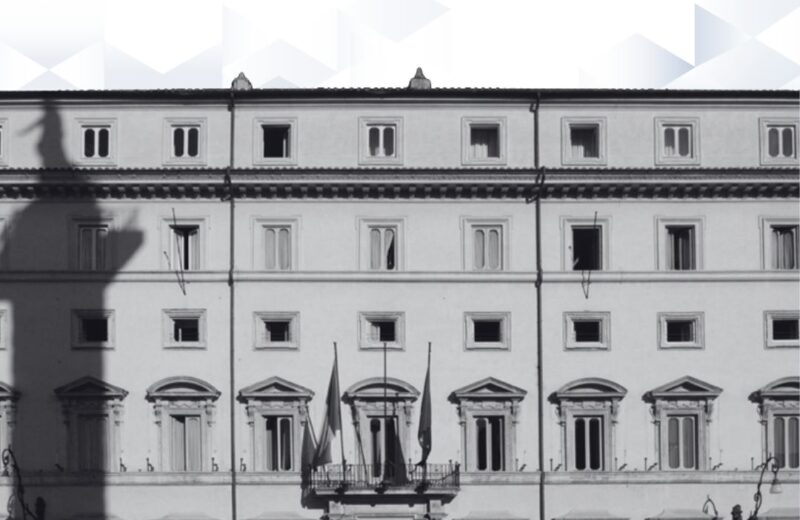
That, more than the number of days spent in Palazzo Chigi, is the political significance of the record. Stability has so far been one of Meloni’s main political assets, allowing the government to navigate international crises and parliamentary battles without its survival ever being seriously called into question. From this autumn onwards, however, stability will no longer be something merely to preserve. It will have to produce visible results while energy costs, demands from the governing parties, public-finance constraints and electoral pressure all increase at the same time. Italy’s longest-serving government therefore enters a phase in which longevity ceases to be the achievement and becomes the starting point. The real test begins now.